
Category Archives for Uncategorized
I Used to Love Reading and Now I Don’t
Here’s What Helped
![[HERO] I Used to Love Reading and Now I Don’t | Here’s What Helped](https://cdn.marblism.com/D7Zh6DVxB2w.webp)
Did you know that recent industry surveys suggest nearly 33% of former readers claim they simply no longer have the time to open a book, while another 28% report they can no longer concentrate on a single page for more than a few minutes? If you feel like your attention span has been dismantled by a decade of digital noise, you aren’t just imagining it. You are part of a growing demographic of “lost readers” who once found solace in stories but now find themselves staring blankly at the same paragraph four times in a row.
There was a time when I could disappear into a book for hours. A whole Saturday afternoon gone, just like that | and I’d surface blinking, slightly confused about what year it was, quietly euphoric. Reading wasn’t something I did. It was something I was.
And then, somewhere in my late twenties, it stopped.
Not dramatically. There was no moment where I closed a book and thought, “Well, that’s it.” It was more like a slow fade. I’d pick up a novel, read the same paragraph three times, and put it down. I’d buy books with great intentions and let them stack up on the nightstand like a monument to my own distraction. I’d scroll through social media for forty:five minutes, then feel vaguely guilty that I wasn’t reading.
If you’ve felt this, you know how disorienting it is. Because it’s not just losing a hobby. It feels like losing a piece of yourself. If you find yourself feeling like you hate reading lately, it is important to realize this is a structural issue, not a personal one.
Why It Happens: The Science of Cognitive Patience
The first thing I had to understand was that I hadn’t become a worse person. My brain had just been rewired | by a decade of smartphones, infinite scroll, and content designed to deliver a hit every eight seconds.
Deep reading requires something that researchers call “cognitive patience.” This is the ability to stay with a single, complex narrative or argument over a long period. Social media and modern web browsing systematically destroy this capacity by rewarding the “switch reflex.” We are trained to look for something new the second a sentence becomes challenging or the pace of a story slows down.
You might think that your inability to focus is a permanent change, but it turns out cognitive patience is a capacity, not a fixed trait. You can lose it. And more importantly: you can rebuild it. The real surprise? You don’t rebuild it by forcing yourself to read the hardest books you can find. You rebuild it by lowering the barrier to entry.
What Actually Helped Me
I want to be honest here. I didn’t follow a five:step system. I tried things. Some worked. Some didn’t. Here’s what genuinely moved the needle in my journey back to the page.
I stopped trying to read “good” books
For a long time, I was trying to push through literary fiction because that’s what I used to love. But my brain wasn’t there yet. It needed something with more momentum.
I picked up a thriller. Then a memoir that read like a novel. Then a page:turning history book. I wasn’t “cheating” | I was relearning how to read. The goal wasn’t to be impressive. The goal was to remember what it felt like to not want to put a book down. This is where exploring mystery fiction types for learners and busy readers can be a literal lifesaver for your hobby.
I made my phone genuinely inconvenient
Not just silenced. Inconvenient. I started charging it in another room at night. I deleted apps off my home screen. I made the path to distraction slightly longer and the path to my book slightly shorter.
The book went on the nightstand. The phone went across the room. This sounds embarrassingly simple, and it is. It’s also shockingly effective. When the “switch reflex” kicks in, and you reach for your phone, the fact that it isn’t there forces your brain to settle back into the book.

I gave myself permission to quit books
This was huge. I used to feel obligated to finish every book I started, which meant that when something wasn’t clicking, I’d stall out entirely rather than move on. I’d feel guilty, avoid the book, and eventually avoid reading altogether.
Now I quit freely. Not out of laziness, but out of self:knowledge. Life is short and there are too many good books. If something isn’t working after fifty pages, I put it down without ceremony and find something that does. This “no:guilt” policy is essential for reclaiming the joy of the experience.
I leaned into “Short Reads” and Novellas
One of the biggest hurdles for a “lost reader” is the sheer size of modern novels. Facing a 500:page tome when you haven’t finished a book in a year is like trying to run a marathon after sitting on the couch for a decade.
I started looking for books under 150 pages. The sense of accomplishment that comes from finishing a book in one or two sittings provides a dopamine hit that rivals anything you’ll get on your phone. Understanding the benefits of short reads was the turning point for me. When you realize that a short read vs a full novel offers the same emotional satisfaction in a fraction of the time, the pressure evaporates.
I read in the morning, not just at night
Trying to read when you’re exhausted, right before sleep, is setting yourself up to fall asleep three pages in | which trains your brain to associate reading with drowsiness. I started carving out twenty minutes in the morning, with coffee, before looking at my phone. It changed everything.
Morning reading has a different quality to it. You’re bringing your best attention, not your dregs. You might think you don’t have twenty minutes, but most of us spend at least that much time scrolling through news or email before we even get out of bed.
Quick Summary: The Lost Reader’s Recovery Checklist
- Audit your “phone time” and replace the first 15 minutes of scrolling with 15 minutes of reading.
- Choose “momentum” books like thrillers or mysteries that rely on suspense.
- Lower the page count. Aim for books under 200 pages to build “finishing” momentum.
- Charge your phone in a different room to break the reach-and-scroll habit.
- Quit books that bore you. You owe the author nothing; you owe your own joy everything.
The Power of Social Accountability
I talked about books with other people. Joining a small book club | just four friends, very low:pressure | introduced a gentle social accountability I didn’t know I needed. I wanted to have something to say at the next meeting. That was enough motivation on the hard days.
There’s also something about discussing a book that deepens your relationship with it. You notice more, remember more, and care more. Research suggests that reading with a friend can significantly increase your “staying power” with a text. It turns a solitary act into a shared experience.
If you enjoy the “puzzle” aspect of stories, you might find that learning about short mystery writing tips or understanding mystery fiction terminology gives you a new lens through which to view your reading. It turns you from a passive consumer into an active observer of the craft.
What Reading Feels Like Now
I won’t pretend I’m back to those Saturday afternoons of my early twenties. Life is different now, and my reading looks different too | more intentional, maybe less rapturous, but more sustaining.
But the feeling is back. That thing where you’re on the subway and you miss your stop because you were somewhere else entirely. That specific pleasure of a sentence so well:constructed it makes you read it twice. That quiet that settles in when the story finally takes hold.
I thought I’d lost it for good. It turns out I’d just misplaced it.
Generally, we think of reading as a skill we learn once in childhood and keep forever. In reality, reading is a relationship. Like any relationship, it requires maintenance, boundaries, and occasionally, a change in scenery. By shifting from long, daunting novels to more manageable formats, you can rebuild the neural pathways required for deep focus.
If you’re in the middle of that loss right now | the stacks of unread books, the guilt, the wondering if something is wrong with you | I want you to know it’s not permanent. You don’t have to white:knuckle your way through Tolstoy to prove something. Start small. Start easy. Start wherever you can.
The door back is closer than it looks. If you are ready to take that first step, why not look into smart ways to discover mystery fiction or explore the difference between novellas and novels to find your next “easy win.”
Ready to find your way back to the page? Pick up a short read today and give yourself permission to stop after one chapter if you aren’t hooked. The goal isn’t to be a “perfect” reader | it’s just to be a reader again.
Share


7 Top Psychological Thriller Picks Every Busy Reader Should Try
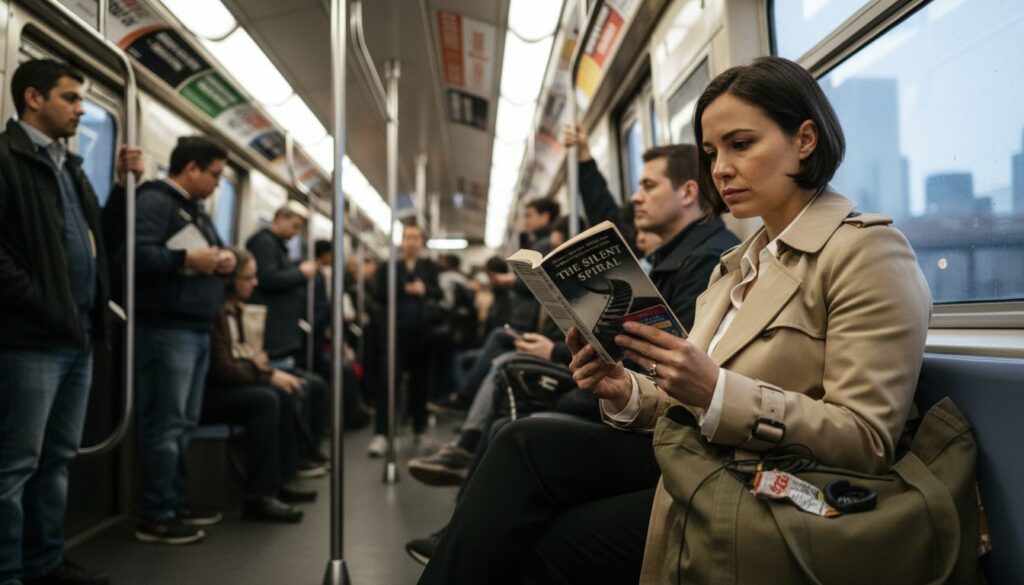
Over 60 percent of American readers say they struggle to find time for immersive fiction in their busy schedules. The fast pace of modern life makes it hard to enjoy deep psychological suspense without committing to marathon reading sessions. If you want stories that instantly spark excitement and intellect, you will appreciate these strategies for fitting powerful psychological thrillers and mysteries into your daily routine.
Table of Contents
- 1. Start With Fast-Paced Psychological Thrillers
- 2. Choose Short Stories For Quick Suspense
- 3. Explore Female-Led Mystery Novellas
- 4. Try Novellas With Surprising Twists
- 5. Pick Thrillers With Relatable Characters
- 6. Select Stories With Simple, Clear Language
- 7. Fit Mystery Reads Into Daily Life Easily
Quick Summary
| Takeaway | Explanation |
|---|---|
| 1. Start with fast-paced psychological thrillers | Select thrillers under 250 pages for quick engagement with intense psychological tension. |
| 2. Choose short stories for immediate suspense | Opt for stories between 20 to 50 pages to experience strong narratives in limited time. |
| 3. Embrace female-led mystery novellas | Look for novellas featuring women as protagonists to explore deeper emotional intelligence and psychological complexity. |
| 4. Pick thrillers with relatable characters | Seek stories with human vulnerabilities to establish emotional connections and enhance psychological exploration. |
| 5. Utilize concise, clear language in narratives | Choose thrillers that use straightforward language for improved comprehension and faster emotional impact. |
1. Start With Fast-Paced Psychological Thrillers
If you are a busy reader seeking an adrenaline rush without investing weeks in a lengthy novel, fast-paced psychological thrillers are your perfect match. These compact narratives deliver intense mental suspense in a fraction of the time, making them ideal for readers with limited reading windows.
Psychological thrillers like Edgar Allan Poe’s ‘The Tell-Tale Heart’ demonstrate how compelling short narratives can be. These stories leverage psychological tension rather than physical action, creating gripping experiences through intense character perspectives and mental landscapes. The key is rapid character development and immediate narrative engagement.
Why Fast Paced Thrillers Work
• Instant psychological intrigue
• Compact storytelling format
• Minimal time investment
• Maximum emotional impact
Readers seeking quick yet profound reading experiences will appreciate these novels. They unfold rapidly, introducing complex characters and immediate psychological conflicts. Unlike traditional novels that spend chapters establishing context, fast-paced thrillers thrust readers directly into the protagonist’s turbulent mental state.
Pro Reading Tip: Select psychological thrillers under 250 pages. Look for narratives with tight plot structures and characters experiencing intense internal conflicts. Authors like Marie Belloc Lowndes, whose The Lodger masterfully maintains suspense, excel at creating psychological tension in limited page counts.
By choosing fast-paced psychological thrillers, you transform limited reading time into an immersive, intellectually stimulating experience. These stories offer deep psychological exploration without demanding extensive time commitments, perfect for modern readers juggling multiple responsibilities.
2. Choose Short Stories for Quick Suspense
For readers with limited time but an appetite for intense psychological exploration, short stories offer the perfect solution to experiencing deep narrative suspense without significant time investment. These compact narratives deliver powerful emotional experiences in a concentrated format.
Why Short Stories Work
Short stories like Graham Greene’s ‘The End of the Party’ demonstrate how psychological tension can be masterfully constructed within minimal page counts. These narratives excel at creating immediate psychological immersion, transforming brief reading windows into profound emotional journeys.
Key Benefits of Short Psychological Thriller Stories
• Rapid narrative development
• Concentrated emotional impact
• Perfect for busy readers
• Intense psychological exploration
• Minimal time commitment
Readers seeking quick yet powerful narratives will appreciate how authors like H.P. Lovecraft in ‘The Outsider’ build suspense through atmospheric storytelling. These stories compress complex psychological experiences into tight narrative structures, offering maximum emotional engagement with minimal reading time.
Pro Reading Strategy: Select short stories between 20 to 50 pages. Look for narratives that quickly establish character psychological landscapes and maintain tension through internal conflicts rather than extensive external descriptions. Psychological thriller short stories provide intellectual stimulation without demanding prolonged reading commitments.
By embracing short psychological thriller stories, you transform limited reading time into rich, immersive experiences that challenge and engage your mind instantaneously.
3. Explore Female-Led Mystery Novellas
Female-led mystery novellas offer readers a unique perspective on psychological suspense, presenting complex narratives that challenge traditional storytelling expectations. These powerful stories center women as protagonists who drive intricate psychological investigations and personal transformations.
Classic works like William Faulkner’s ‘A Rose for Emily’ demonstrate how female characters can anchor deeply nuanced psychological mysteries. These narratives explore intricate emotional landscapes, revealing profound psychological tensions through female perspectives often overlooked in traditional thriller genres.
Why Female-Led Mystery Novellas Matter
• Unique narrative perspectives
• Complex psychological exploration
• Challenging traditional genre expectations
• Deeper emotional intelligence
• Sophisticated character development
Authors like Marie Belloc Lowndes in ‘The Lodger’ showcase how female protagonists can navigate intricate psychological mysteries with remarkable depth and subtlety. These stories transform traditional thriller conventions by centering women’s experiences and psychological resilience.
Pro Reading Strategy: Seek novellas featuring women as active investigators rather than passive characters. Look for narratives that explore psychological complexity through female perspectives, prioritizing internal emotional journeys over external action sequences.
By embracing female-led mystery novellas, you will discover rich storytelling that challenges genre conventions and offers profound insights into human psychology.
4. Try Novellas with Surprising Twists
For readers seeking narratives that challenge expectations and deliver intellectual surprises, novellas with unexpected plot twists offer an exhilarating reading experience. These compact stories pack maximum psychological impact into minimal page counts, transforming traditional storytelling conventions.
Edgar Allan Poe’s ‘The Tell-Tale Heart’ exemplifies how a brief narrative can create profound psychological suspense through masterful narrative manipulation. Surprising twists not only entertain but also provoke deeper contemplation about human psychology and narrative expectations.
Why Twist Endings Work
• Challenge reader expectations
• Reveal hidden psychological depths
• Create memorable reading experiences
• Stimulate intellectual engagement
• Compress complex narratives
Classic authors like Graham Greene in ‘The End of the Party’ demonstrate how unexpected narrative shifts can transform seemingly straightforward stories into complex psychological explorations. These twists function as intellectual puzzles that demand active reader participation.
Pro Reading Strategy: When selecting novellas, look for works that hint at complexity beneath their surface narrative. Search for stories with unreliable narrators, subtle foreshadowing, and psychological nuance that suggests deeper meanings will emerge.
By embracing novellas with surprising twists, you will transform reading from passive consumption into an active, intellectually stimulating experience that challenges your perceptual boundaries.
5. Pick Thrillers with Relatable Characters
Psychological thrillers that feature deeply human characters transform reading from a passive experience into an emotional journey. These stories invite readers to see themselves reflected in complex narratives that explore universal human experiences and psychological landscapes.
Marie Belloc Lowndes’ ‘The Lodger’ masterfully illustrates how ordinary characters can become extraordinary through psychological tension. By presenting relatable protagonists facing extraordinary circumstances, these narratives create powerful emotional connections that keep readers intensely engaged.
Why Relatable Characters Matter
• Create deeper emotional investment
• Allow psychological exploration
• Build narrative authenticity
• Increase reader empathy
• Transform reading into personal experience
William Faulkner’s ‘A Rose for Emily’ demonstrates how characters with recognizable human vulnerabilities can anchor complex psychological narratives. These stories reveal that true suspense emerges not from external events but from understanding characters inner emotional worlds.
Pro Reading Strategy: Search for thrillers featuring characters with realistic motivations, complex emotional responses, and recognizable human weaknesses. Seek narratives that explore psychological complexity through nuanced character development rather than relying on plot mechanics.
By choosing thrillers with relatable characters, you transform reading from simple entertainment into a profound exploration of human psychology and emotional resilience.
6. Select Stories with Simple, Clear Language
Busy readers deserve psychological thrillers that deliver maximum emotional impact through precise and accessible language. Complexity does not require convoluted writing simple words can create profound psychological experiences.
Edgar Allan Poe’s ‘The Tell-Tale Heart’ demonstrates how straightforward language can generate intense psychological tension. By using clear declarative sentences and direct narrative approaches, authors can create immersive experiences that quickly engage readers without requiring extensive mental decoding.
Benefits of Simple Language in Thrillers
• Faster reading comprehension
• Immediate emotional connection
• Reduced cognitive load
• Enhanced narrative accessibility
• Quicker psychological immersion
Graham Greene’s ‘The End of the Party’ exemplifies how unembellished language can powerfully communicate complex psychological states. These narratives prove that sophisticated storytelling emerges from narrative clarity rather than linguistic complexity.
Pro Reading Strategy: Prioritize authors who communicate intricate psychological landscapes through clean direct prose. Seek stories where each sentence propels the narrative forward without unnecessary linguistic obstacles.
By selecting stories with simple clear language, you transform reading from a challenging task into an effortless psychological exploration that fits perfectly within busy lifestyles.
7. Fit Mystery Reads Into Daily Life Easily
Modern readers need reading strategies that integrate seamlessly with busy lifestyles. Psychological thriller short stories offer the perfect solution for transforming scattered moments into immersive reading experiences.
H.P. Lovecraft’s ‘The Outsider’ demonstrates how concise narratives can deliver powerful psychological experiences in minimal reading time. By selecting compact stories, readers can transform seemingly unproductive moments into rich intellectual adventures.
Reading Strategies for Busy Lives
• Read during daily commutes
• Use smartphone reading apps
• Utilize five minute breaks
• Listen to audio versions
• Keep stories downloaded on devices
Graham Greene’s ‘The End of the Party’ illustrates how short stories can provide complete narrative satisfaction without consuming hours of reading time. These compact narratives allow readers to experience complex psychological journeys within limited timeframes.
Pro Reading Tip: Curate a collection of short mystery stories on your digital devices. Sync them across platforms so you can seamlessly continue reading wherever you are. Break larger stories into digestible segments that fit perfectly between work tasks or during brief waiting periods.
By implementing smart reading strategies, you can transform idle moments into captivating psychological explorations without disrupting your busy schedule.
Below is a comprehensive table summarizing strategies for busy readers to enjoy psychological thrillers discussed throughout the article.
| Category | Description | Benefits |
|---|---|---|
| Fast-Paced Psychological Thrillers | Deliver intense suspense through quick, impactful stories. | Minimal time investment, immediate engagement. |
| Short Stories | Offer deep emotional experiences in a concentrated format. | Rapid development, perfect for busy readers. |
| Female-Led Mystery Novellas | Center women protagonists in intricate psychological narratives. | Unique perspectives, deeper emotional insights. |
| Novellas with Surprising Twists | Provide unexpected plot twists for intellectual engagement. | Memorable experiences, challenge expectations. |
| Relatable Characters | Focus on human experiences within psychological landscapes. | Emotional connection, personal exploration. |
| Simple, Clear Language | Use concise language for maximum impact. | Faster comprehension, immediate immersion. |
| Mystery Reads for Daily Life | Fit suspenseful reading into busy schedules. | Efficient time use, seamless integration into daily routine. |
Discover Psychological Thrillers That Fit Your Busy Life Perfectly
If you struggle to find gripping psychological thrillers that match your limited reading time the insights from “7 Top Psychological Thriller Picks Every Busy Reader Should Try” show exactly why short and intense narratives are essential. The article highlights the challenge busy readers face balancing complex psychological suspense with their packed schedules. You want fast-paced thrillers, relatable characters, surprising twists, and clear language to make every reading minute count.
At The Short Reads you can explore a curated selection of psychological thriller short reads and mystery fiction short reads designed precisely for readers like you who crave intense storylines without lengthy commitments. These stories deliver quick psychological immersion and suspense that transform even short breaks into thrilling mental escapes.

Ready to turn your busy moments into captivating reading adventures Grab your next adrenaline-packed thriller now from The Weekend Mystery Bundle. Dive deep into psychological tension with stories crafted for fast engagement and lasting impact. Don’t wait start your journey into the perfect blend of intensity and convenience today.
Frequently Asked Questions
What are the best psychological thrillers for busy readers?
Fast-paced psychological thrillers, short stories, and novellas are ideal for busy readers. Choose titles that are under 250 pages or have a compact narrative structure to maximize your reading experience.
How can I fit reading psychological thrillers into my busy schedule?
You can read these thrilling stories during your daily commute or use five-minute breaks throughout the day. Keep a digital collection of short narratives that you can easily access on your smartphone or tablet.
What characteristics should I look for in a psychological thriller?
Look for stories with relatable characters, tight plot structures, and intense internal conflicts. Prioritize narratives that engage your emotions and provoke thought without requiring extensive time commitments.
How long do typical psychological thrillers take to read?
Psychological thrillers under 250 pages can usually be completed in a few hours or over a couple of days, depending on your reading pace. Try setting aside dedicated reading time on weekends or during quiet evenings to finish a captivating novella quickly.
Are short psychological thrillers effective for deep psychological exploration?
Yes, short psychological thrillers can provide rich narratives that explore complex psychological themes within concise formats. Choose short stories between 20 to 50 pages to experience profound psychological tension without a lengthy commitment.
How can I select psychological thrillers with surprising twists?
Look for books that indicate complexity beneath the surface narrative, such as those featuring unreliable narrators or foreshadowing. Seek out titles known for their unexpected plot twists to keep your reading experience exciting and intellectually engaging.
Recommended
- 7 Best Psychological Thriller Short Reads for Busy Readers – TheShortReads.com
- 7 Psychological Thriller Examples Every Reader Should Know – TheShortReads.com
- 7 Essential Psychological Thriller Tips for Every Reader – TheShortReads.com
- 7 Disturbing Comics List: Must-Reads for Fans – The Mansion Press


7 Inspiring Examples of Thriller Novellas for Quick Reads

Most American readers searching for suspenseful short fiction are surprised to discover just how influential novellas from around the world have become. The psychological twists and narrative inventiveness that once defined only American thrillers now shape what readers crave globally. Whether you love classic mysteries or modern psychological puzzles, this guide highlights standout novellas from British, European, and American writers that demonstrate why even a few dozen pages can deliver unforgettable tension and intrigue.
Table of Contents
- Classic Suspense: The Turn of the Screw by Henry James
- Modern Action: The Sense of Dread in Ruth Ware’s The Woman in Cabin 10
- Psychological Twists: Gillian Flynn’s The Grownup
- Cozy Mystery: Death at the Manor by Katharine Schellman
- Detective Drama: The No. 1 Ladies’ Detective Agency by Alexander McCall Smith
- Political Intrigue: The Spy Who Came in from the Cold by John le Carré
- Global Mysteries: The Hound of the Baskervilles by Arthur Conan Doyle
Quick Summary
| Takeaway | Explanation |
|---|---|
| 1. Narrative Ambiguity Enhances Suspense | The use of unreliable narration blurs reality, making readers question what’s true, deepening engagement with the story. |
| 2. Psychological Dread Over Violence | Modern thrillers like “The Woman in Cabin 10” create tension through psychological unease rather than explicit horror or violence. |
| 3. Character Empathy Transforms Detection | In “The No. 1 Ladies’ Detective Agency,” understanding human emotion becomes essential for solving mysteries, offering a unique approach to detective fiction. |
| 4. Short Format Can Deliver Depth | Novellas like “The Grownup” and “Death at the Manor” prove that compact narratives can contain profound psychological insights and engaging plots. |
| 5. Moral Complexity in Espionage | “The Spy Who Came in from the Cold” challenges the romanticized notions of espionage, focusing instead on the harsh realities of political intrigue. |
1. Classic Suspense: The Turn of the Screw by Henry James
Henry James’ psychological thriller novella “The Turn of the Screw” stands as a remarkable example of narrative ambiguity and suspenseful storytelling. Published in 1898, this short yet powerful work explores the haunting experiences of a young governess who becomes entangled in a mysterious and psychologically complex narrative about supernatural encounters.
The novella’s enduring brilliance lies in its ability to create unresolved psychological tension through an intricate narrative structure. By presenting a story told through a manuscript narration, James masterfully blurs the lines between reality and imagination. Academic research reveals that the novella’s dual interpretations actually enrich its meaning, challenging readers to question the reliability of the narrator and the existence of potential supernatural elements.
Key Features of Psychological Suspense:
- Unreliable first person narration
- Ambiguous supernatural encounters
- Intense psychological exploration
- Minimal but powerful descriptive language
Readers will find “The Turn of the Screw” particularly compelling because it demands active engagement. Unlike traditional ghost stories, James creates a narrative where the terror emerges from psychological uncertainty rather than explicit supernatural events. The governess’s potential descent into paranoia or genuine supernatural confrontation keeps readers guessing throughout the novella.
For those interested in psychological thrillers, this novella offers a master class in creating suspense through suggestion and psychological complexity. Its influence can be seen in countless modern thriller narratives that prioritize psychological tension over explicit horror.
2. Modern Action: The Sense of Dread in Ruth Ware’s The Woman in Cabin 10
Ruth Ware’s contemporary thriller “The Woman in Cabin 10” represents a masterful exploration of psychological tension and suspense in modern action novellas. This compact narrative delivers an intense reading experience that transforms a seemingly routine travel setting into a claustrophobic landscape of mounting psychological pressure.
Key Psychological Thriller Elements:
- Confined space narrative
- Unreliable protagonist perspective
- Escalating sense of personal danger
- Rapid narrative pacing
- Unexpected plot reversals
The novella excels at creating immersive psychological tension through its protagonist Lo Blacklock, a travel journalist who witnesses a potential murder while on a luxury cruise. Ware strategically uses the limited physical environment of a cruise ship to amplify the sense of isolation and vulnerability, transforming an elegant setting into a potential death trap.
What makes this novella particularly compelling is its ability to generate profound psychological dread without relying on explicit violence. The narrative tension emerges from the protagonist’s growing uncertainty about her own perceptions and the potentially sinister intentions of those surrounding her. Readers experience an intense psychological journey that challenges their understanding of safety and trust.
For thriller enthusiasts seeking a quick yet powerful reading experience, “The Woman in Cabin 10” demonstrates how limited physical space can become a powerful narrative tool for generating suspense. The novella proves that exceptional storytelling requires precision rather than excessive length, delivering a concentrated emotional and psychological punch in a compact format.
3. Psychological Twists: Gillian Flynn’s The Grownup
Gillian Flynn’s “The Grownup” emerges as a brilliantly compact psychological thriller that demonstrates how masterful storytelling can transform a short narrative into a complex exploration of human manipulation and perception. This novella represents a concentrated dose of psychological intrigue that challenges readers’ expectations from the first page.
Psychological Narrative Strategies:
- Unreliable narrator perspective
- Unexpected plot reversals
- Multilayered character motivations
- Psychological manipulation themes
- Condensed narrative structure
Flynn crafts a narrative of psychological complexity that unfolds through the perspective of an unnamed protagonist working as a psychic. The novella expertly navigates the thin line between deception and genuine psychological experience, presenting a story where nothing is quite as it seems. Readers are constantly challenged to question the authenticity of the narrator’s perceptions and the true nature of the events unfolding around her.
The brilliance of “The Grownup” lies in its ability to generate profound psychological tension within an extremely limited narrative space. Flynn demonstrates that true psychological suspense does not require extensive page count but instead demands precise character development, strategic plot revelations, and a deep understanding of human psychological mechanisms.
For thriller enthusiasts seeking a quick yet intellectually stimulating reading experience, this novella offers a masterclass in narrative misdirection. It proves that exceptional storytelling can create complex psychological landscapes in just a few dozen pages, challenging readers to remain engaged and intellectually alert throughout the entire narrative journey.
4. Cozy Mystery: Death at the Manor by Katharine Schellman
Katharine Schellman’s “Death at the Manor” represents a delightful entry in the contemporary cozy mystery genre that offers readers a sophisticated blend of historical atmosphere and engaging detective work. This novella expertly captures the essence of classic manor house mysteries while delivering a modern narrative approach.
Classic Cozy Mystery Elements:
- Enclosed social setting
- Intricate character relationships
- Subtle investigative techniques
- Period appropriate details
- Nuanced psychological interactions
Cozy mystery fiction enthusiasts will appreciate Schellman’s masterful storytelling that transforms a potentially predictable setting into a compelling narrative landscape. Publishers Weekly highlights the novel’s remarkable ability to maintain suspense, praising its atmospheric construction and intricate plot development.
The novella excels at creating psychological tension within a confined social environment. By focusing on the interpersonal dynamics among characters inhabiting a traditional English manor, Schellman demonstrates how limited physical space can become a powerful narrative tool for generating mystery and suspense.
Readers seeking a quick yet intellectually satisfying mystery experience will find “Death at the Manor” particularly engaging. The novella proves that exceptional storytelling can create complex narrative worlds in just a few dozen pages, challenging readers to remain alert and invested throughout the entire investigation.
5. Detective Drama: The No. 1 Ladies’ Detective Agency by Alexander McCall Smith
Alexander McCall Smith’s “The No. 1 Ladies’ Detective Agency” represents a groundbreaking approach to detective fiction that challenges traditional genre conventions. This novella introduces readers to Precious Ramotswe, a remarkable female detective operating in Botswana who solves mysteries through keen observation and profound human understanding.
Unique Detective Narrative Characteristics:
- Cultural specific investigative approach
- Character driven narrative
- Empathy as investigative technique
- Subtle psychological insights
- Minimal violent confrontations
The novella transforms the detective genre by emphasizing emotional intelligence over traditional detective work. McCall Smith creates a narrative framework where human relationships and cultural context become more important than dramatic chase sequences or forensic techniques. Precious Ramotswe investigates mysteries by understanding human motivations rather than relying solely on procedural methods.
What makes this novella particularly compelling is its ability to blend detective storytelling with deep cultural exploration. Readers gain insights into Botswanan society while experiencing a nuanced approach to problem solving that prioritizes compassion and understanding.
For those seeking a refreshing alternative to conventional detective stories, this novella offers a profound meditation on human nature wrapped within an engaging investigative framework. McCall Smith demonstrates that true detective work is less about dramatic revelations and more about understanding the complex tapestry of human experiences.
6. Political Intrigue: The Spy Who Came in from the Cold by John le Carré
John le Carré’s “The Spy Who Came in from the Cold” represents a groundbreaking exploration of political thrillers that fundamentally transformed the spy novel genre. This novella deconstructs the romantic mythology surrounding international espionage by presenting a raw and psychologically complex narrative of Cold War intelligence operations.
Innovative Spy Narrative Characteristics:
- Psychological complexity of espionage
- Moral ambiguity of intelligence work
- Rejection of heroic spy stereotypes
- Nuanced character motivations
- Geopolitical tension representation
Le Carré masterfully develops a narrative that exposes the human cost of political manipulation. The protagonist Alec Leamas represents a disillusioned intelligence operative who becomes a pawn in complex geopolitical machinations. Unlike traditional spy narratives that glorify heroism, this novella presents espionage as a morally compromised landscape where individual human experiences are sacrificed for abstract political objectives.
The novella’s brilliance lies in its ability to deconstruct romantic notions of international intrigue. Readers are exposed to the psychological toll of working within systems that prioritize institutional goals over individual human dignity. Le Carré demonstrates how personal idealism becomes eroded by systematic bureaucratic processes.
For those seeking an intellectually rigorous approach to thriller fiction, this novella offers a profound meditation on the psychological landscapes of political conflict. It challenges readers to consider the complex moral negotiations that occur within systems of international power and surveillance.
7. Global Mysteries: The Hound of the Baskervilles by Arthur Conan Doyle
Arthur Conan Doyle’s “The Hound of the Baskervilles” represents a landmark achievement in mystery fiction that transcends traditional detective narratives. Exploring the comprehensive details of this iconic work reveals a multilayered narrative that combines supernatural folklore with rigorous logical investigation.
Classic Mystery Narrative Components:
- Atmospheric gothic setting
- Supernatural folklore elements
- Logical investigative reasoning
- Complex character psychology
- Intricate plot construction
The novella masterfully blends psychological investigation with supernatural suggestion, creating a narrative framework where rational explanation and mysterious atmosphere coexist. Sherlock Holmes demonstrates an extraordinary ability to deconstruct seemingly inexplicable events through systematic observation and intellectual reasoning.
Conan Doyle crafts a narrative that challenges readers to consider the boundary between rational explanation and mysterious phenomenon. The story transforms the moor of Devonshire into a character itself a living landscape where psychological tension and environmental mystery intertwine.
For readers seeking an intellectual journey through classic mystery storytelling, “The Hound of the Baskervilles” offers a profound exploration of human psychology hidden within an engaging detective narrative. The novella proves that exceptional mystery writing requires more than plot mechanics it demands deep psychological insight and narrative complexity.
Below is a comprehensive table summarizing the key characteristics and themes of the novellas discussed in the article.
| Novella | Key Themes | Distinct Features |
|---|---|---|
| The Turn of the Screw by Henry James | Psychological suspense, unresolved tension | Unreliable narration, ambiguous supernatural encounters |
| The Woman in Cabin 10 by Ruth Ware | Psychological tension, sense of dread | Confined space narrative, escalating danger, unreliable protagonist |
| The Grownup by Gillian Flynn | Manipulation, perception | Unreliable narrator, multilayered motivations, unexpected twists |
| Death at the Manor by Katharine Schellman | Cozy mystery, character dynamics | Enclosed social setting, period details, subtle investigations |
| The No. 1 Ladies’ Detective Agency by Alexander McCall Smith | Cultural context, human understanding | Emotional intelligence, empathy over action, cultural insights |
| The Spy Who Came in from the Cold by John le Carré | Political intrigue, moral ambiguity | Psychological complexity, geopolitical tension, rejection of hero stereotypes |
| The Hound of the Baskervilles by Arthur Conan Doyle | Mystery, logical reasoning | Gothic setting, supernatural folklore, intricate plot construction |
Discover the Power of Quick and Gripping Thriller Novellas
The article highlights a common challenge for thriller enthusiasts finding time to enjoy complex, suspenseful stories. It shows how novellas like psychological thrillers, cozy mysteries, and political intrigue can deliver intense emotional and intellectual engagement within a short read format. If unpredictable plot twists, unreliable narrators, and rich psychological tension excite you but long books feel overwhelming, this is your perfect solution. Key concepts like confined settings, active reader engagement, and multilayered character development reveal how compact narratives create lasting suspense and fulfillment.
Explore a curated collection that satisfies these specific cravings for quick yet profound thrills by diving into The Weekend Mystery Bundle. This collection includes action thriller novellas, psychological thriller short reads, cozy mystery short reads, and more. It is designed to provide the exact emotional intensity and narrative precision this article emphasizes.
Don’t let limited time stand between you and unforgettable suspense. Start your journey today by choosing powerful, bite-sized stories that hold you in suspense from first page to last. Visit The Weekend Mystery Bundle and experience how concise storytelling delivers maximum thrill.
While you’re there, explore psychological thriller short reads and cozy mystery short reads to find your new favorite quick reads that keep your mind racing and your heart pounding.
Frequently Asked Questions
What are the central themes in the thriller novellas mentioned in this article?
Each thriller novella explores psychological tension, suspense, and the complexities of human behavior. Readers can expect elements such as unreliable narrators, escalating personal danger, and unexpected plot twists that keep them engaged until the very end.
How can I best approach reading these thriller novellas?
Start by selecting one that piques your interest and set aside dedicated time to read, as these stories are crafted to create quick, immersive experiences. Aim to read each novella in one sitting to fully experience the suspense and maintain the narrative flow.
Are these novellas suitable for all readers, or do they contain mature themes?
While these thrillers are engaging, some, like ‘The Spy Who Came in from the Cold,’ contain complex themes related to morality and psychological tension that may not suit all readers. Be mindful of the descriptions and psychological insights to ensure they align with your preferences.
How do these thrillers differ from longer novels in terms of narrative style?
Thriller novellas, such as those listed, focus on concise storytelling with rapid pacing and concentrated plot developments. They often rely on minimal descriptive language while emphasizing character motivations and psychological depth, making them impactful yet quick reads.
Can I find discussion questions to engage with others after reading these novellas?
Yes, many readers create discussion questions based on character decisions, plot twists, and themes. Consider writing or seeking out questions that focus on the narrator’s reliability or moral dilemmas presented, which can lead to enriching conversations with fellow readers.
What makes these novellas ideal for someone looking for quick reads?
These novellas are designed to deliver intense psychological experiences within a short page count, often averaging between 100 to 150 pages. They offer complete narratives that can be enjoyed in one sitting while providing depth and complexity typical of longer works.
Recommended
- Why Novellas Are Popular: Complete Reader Guide – TheShortReads.com
- 7 Gripping Examples of Thriller Stories to Read – TheShortReads.com
- Master How to Write a Literature Review Fast: Efficient Strategies


Mystery Fiction for Busy Readers: Faster Thrills, Less Time
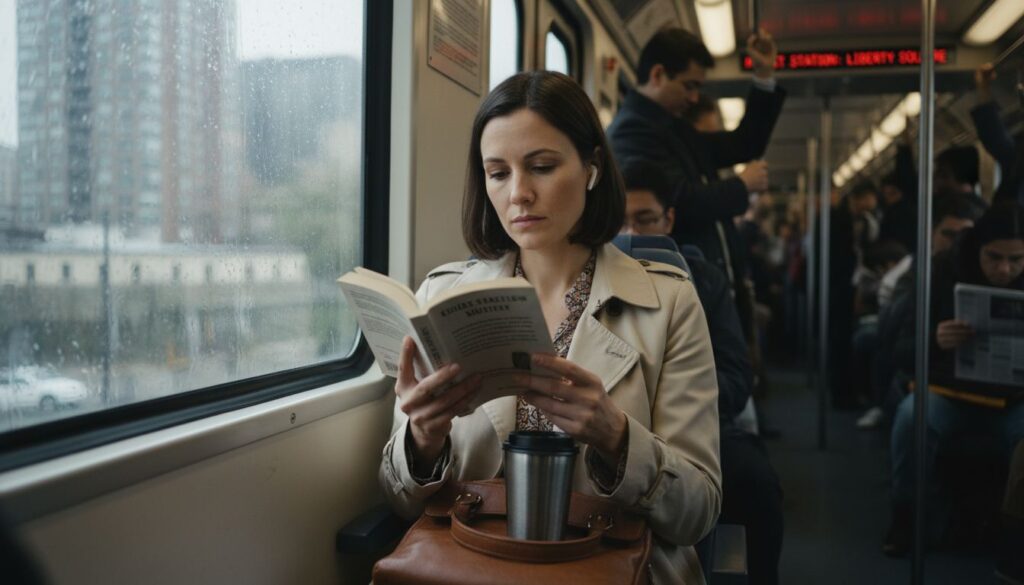
Over half of American adults say they barely find time to finish a single novel each month. Busy routines and digital interruptions have changed the way people read. Mystery fiction now answers this challenge by offering compelling stories in shorter forms that fit hectic schedules. Discover how concentrated mysteries deliver rapid plot twists, deep suspense, and instant engagement—all without demanding hours of your day.
Table of Contents
- Mystery Fiction For Busy Readers Defined
- Types Of Mystery Short Reads And Novellas
- Why Short Mysteries Suit Fast-Paced Lives
- Key Qualities Of Engaging Short Mysteries
- Common Pitfalls For Busy Mystery Readers
Key Takeaways
| Point | Details |
|---|---|
| Mystery Fiction for Busy Readers | This genre condenses complex narratives into compact stories, making it ideal for readers with limited time. |
| Types of Short Mystery Formats | Novellas and short stories offer intense narratives that require minimal reading commitment while delivering engaging plots. |
| Advantages of Short Mysteries | They provide immediate narrative satisfaction and intellectual engagement without the need for long reading sessions. |
| Common Pitfalls for Readers | Busy readers should avoid multitasking and ensure they choose suitable narratives based on their available reading time to enhance their experience. |
Mystery Fiction for Busy Readers Defined
Mystery fiction represents a captivating literary genre that transforms complex narratives into compact, intense storytelling experiences for readers with limited time. By distilling intricate plot lines into concentrated narrative forms, this genre offers rapid narrative exploration that satisfies intellectual curiosity without demanding extensive reading commitments.
Traditionally, mystery fiction centers around unraveling complex events, typically involving crime, detective work, and suspenseful revelations. Originating in the mid-nineteenth century with pioneers like Edgar Allan Poe, the genre has dramatically evolved to include diverse subcategories that cater to different reader preferences and time constraints.
The core mechanics of mystery fiction remain consistent across formats: a central puzzle demands resolution, typically involving a crime or unexplained event. Readers follow a protagonist—often a detective, investigator, or amateur sleuth—who systematically deconstructs clues, interviews potential suspects, and ultimately reveals the truth. What distinguishes modern mystery fiction for busy readers is its ability to compress complex investigative narratives into shorter, more accessible formats like novellas, short stories, and compact novels that deliver maximum narrative impact with minimal time investment.
Key characteristics of mystery fiction for time-constrained readers include:
- Focused narrative structure
- Rapid plot progression
- Concentrated character development
- Immediate narrative engagement
- Quick resolution of central mysteries
Types of Mystery Short Reads and Novellas
Mystery fiction offers readers a diverse landscape of compact narrative formats designed to deliver intense storytelling experiences in minimal time. Novellas and short stories represent strategic options for readers seeking concentrated narrative engagement without extensive time commitments.
Short stories are brief narratives typically focused on a single event or character, often featuring unexpected plot twists that provide immediate narrative satisfaction. Novellas occupy a unique literary space—longer than short stories but shorter than traditional novels—enabling more nuanced character development and plot complexity while maintaining a streamlined reading experience. These formats allow authors to explore intricate mysteries without requiring the substantial time investment of full-length novels.
The mystery genre encompasses several compelling short read formats, each offering distinct narrative experiences:
- Cozy Mysteries: Lighthearted investigations typically set in small communities
- Detective Novellas: Focused narratives following professional or amateur sleuths
- Psychological Thrillers: Compact stories exploring complex mental landscapes
- Crime Short Reads: Rapid-paced narratives centered on criminal investigations
- Historical Mystery Shorts: Condensed period pieces solving historical enigmas
These varied formats demonstrate the remarkable adaptability of mystery fiction, proving that compelling storytelling can be delivered efficiently and powerfully within condensed narrative structures.
Why Short Mysteries Suit Fast-Paced Lives
In an era of constant digital distractions and limited leisure time, short mysteries offer a perfect literary solution for readers seeking intellectual stimulation without significant time investment. These compact narratives provide a concentrated storytelling experience that fits seamlessly into busy schedules, allowing readers to enjoy complex plot lines during brief moments of downtime.

Mysteries develop essential cognitive engagement skills, challenging readers to observe details carefully, make rapid predictions, and draw logical conclusions within a condensed narrative framework. The inherent puzzle-solving nature of mystery fiction transforms reading from passive consumption into an active mental exercise, providing psychological rewards that extend far beyond traditional entertainment.
The strategic advantages of short mystery formats for time-constrained readers include:
- Immediate narrative gratification
- Complete story arcs within limited page counts
- Intellectual challenge without substantial time commitment
- Flexible reading experiences adaptable to fragmented schedules
- Rapid character development and plot resolution
Modern readers increasingly recognize that compelling storytelling does not require extensive page counts. Short mysteries represent an intelligent literary adaptation—delivering complex narratives, emotional depth, and intellectual stimulation in precisely calibrated, time-efficient packages that respect the reader’s most precious resource: their attention.
Key Qualities of Engaging Short Mysteries
Engaging short mysteries represent a precise literary craft that demands meticulous narrative engineering. Mystery fiction thrives on its ability to compress complex narratives into tightly constructed storylines that captivate readers within minimal page counts, creating intense narrative experiences that feel both complete and explosively satisfying.
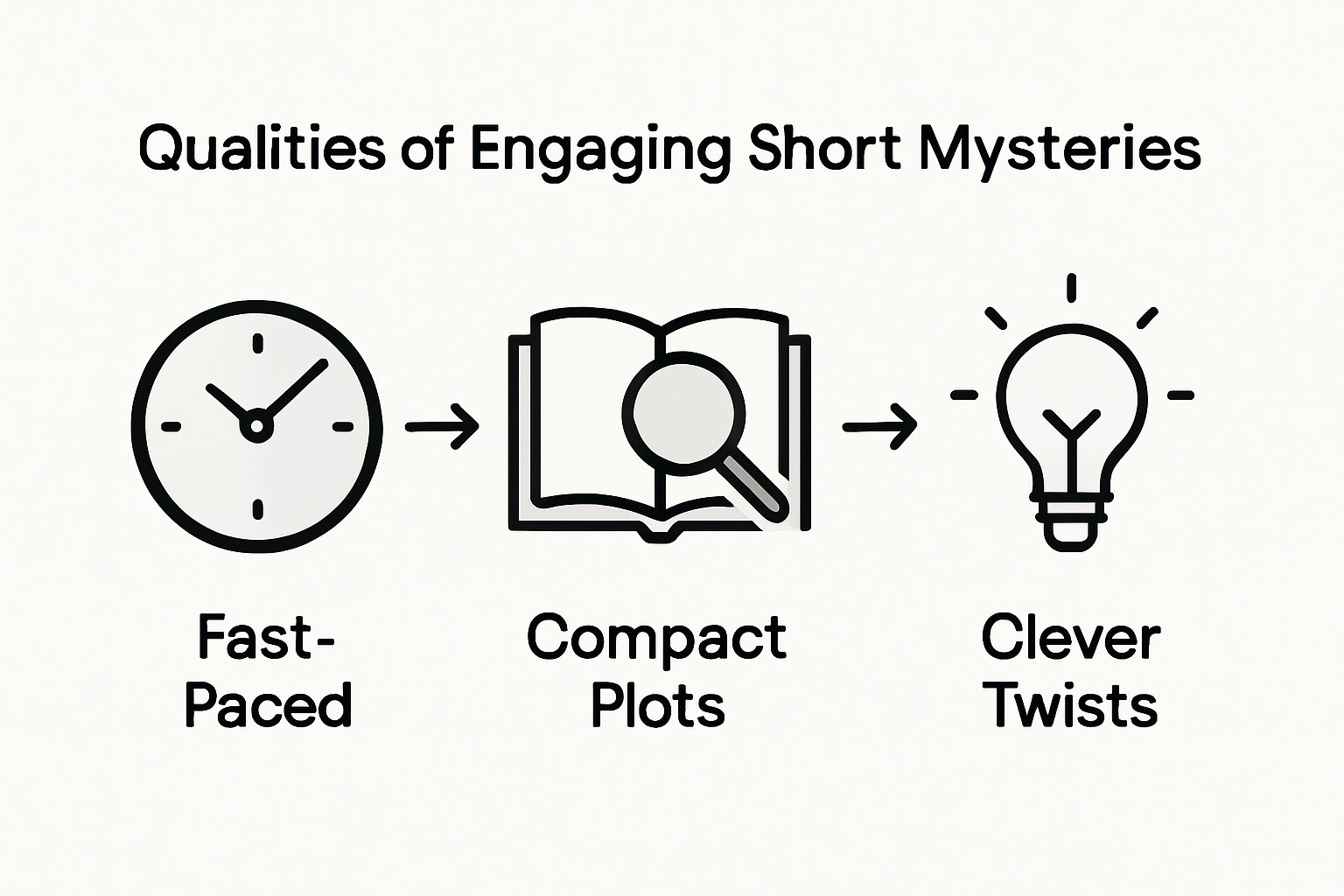
The most compelling short mysteries generate an immediate sense of tension and anticipation, transforming limited space into a concentrated storytelling environment. These narratives are page-turners that generate a mix of excitement and nervousness, strategically positioning readers between anticipation and resolution. Successful short mysteries create a psychological landscape where every detail matters, every character interaction becomes potentially significant, and the path to solving the central puzzle remains deliberately obscured.
Key qualities that define exceptional short mystery narratives include:
- Razor-sharp plot progression
- Economical yet vivid character development
- Immediate narrative stakes
- Unexpected yet logical plot twists
- Psychological complexity within compact frameworks
- Precise narrative pacing
- Intellectual challenge embedded in concise storytelling
Ultimately, short mysteries represent a sophisticated literary form that demands maximum narrative impact through minimum narrative space. They prove that true storytelling brilliance is not measured by volume, but by the precision, intensity, and psychological depth with which a narrative can be constructed and resolved.
Common Pitfalls for Busy Mystery Readers
Readers navigating the compact world of short mysteries frequently encounter predictable challenges that can diminish their reading experience. Short reads demand a unique set of reading strategies that differ significantly from traditional novel consumption, requiring heightened attention and specialized engagement techniques.
Time management becomes critical when approaching mystery short reads, as these condensed narratives require immediate cognitive investment. Busy readers often make fundamental mistakes such as attempting to multitask, skimming critical plot details, or selecting mysteries misaligned with their available reading time and personal interests. The most successful mystery readers understand that these compact narratives demand focused, uninterrupted attention to fully appreciate their intricate narrative mechanics.
Common pitfalls for busy mystery readers include:
- Selecting mysteries inappropriate to available time slots
- Failing to create dedicated reading environments
- Underestimating narrative complexity
- Rushing through critical plot details
- Choosing mysteries without previewing narrative style
- Neglecting character development nuances
- Approaching short mysteries with novel-length expectations
Successful mystery consumption for time-constrained readers requires strategic selection, focused reading environments, and an understanding that brevity does not equate to simplicity. The most satisfying reading experiences emerge from readers who treat short mysteries as precision-crafted narrative experiences demanding intellectual engagement and careful narrative navigation.
Unlock Fast-Paced Mystery Thrills Perfect for Your Busy Schedule
If you find yourself craving intense mystery fiction but struggle with limited reading time the key is to choose stories crafted for rapid narrative engagement. This article highlights how busy readers face the challenge of fitting complex plots into brief moments while avoiding common pitfalls like rushing or skimming. You want compact mysteries that deliver intellectual excitement and quick resolutions without sacrificing depth or twists.
Explore cozy mystery short reads, detective novellas, and psychological thrillers that fit perfectly into your fast-paced lifestyle.
Get ready to transform your short breaks into captivating puzzle-solving adventures with The Weekend Mystery Bundle. Choose from expertly curated murder mystery novellas and action thrillers that respect your time but deliver thrilling satisfaction. Don’t wait—start your focused reading journey now and turn every free moment into an immersive mystery experience.
Frequently Asked Questions
What is mystery fiction for busy readers?
Mystery fiction for busy readers is a compact and intense storytelling genre that simplifies complex narratives into shorter formats, making them accessible for readers with limited time.
What types of formats are available in mystery fiction?
Mystery fiction includes formats like short stories, novellas, cozy mysteries, detective novellas, psychological thrillers, and crime short reads, each designed to provide concentrated narrative experiences.
Why are short mysteries suitable for a fast-paced lifestyle?
Short mysteries offer immediate narrative gratification and challenge readers intellectually without requiring substantial time commitments, making them perfect for brief moments of downtime.
What common mistakes should busy readers avoid when reading short mysteries?
Common pitfalls include selecting stories misaligned with available time, multitasking, rushing through important plot details, and underestimating the narrative complexity of short mysteries.
Share

Mystery Genre Explained: Unlocking Storytelling Secrets

Most American readers are drawn to stories that not only thrill but also challenge their intellect. The mystery genre delivers exactly that, blending suspense with a game of deduction that invites everyone to play detective. In fact, over 60 percent of American adults say they feel a distinct satisfaction when piecing together clues in a mystery novel. This article explores why mysteries continue to captivate, highlighting the core elements that make these stories so irresistible.
Table of Contents
- Defining The Mystery Genre And Its Core Appeal
- Major Mystery Subgenres And Distinctive Styles
- How Mystery Stories Hook And Satisfy Readers
- Common Pitfalls And Misconceptions In Mysteries
- Comparing Mysteries To Other Popular Genres
Key Takeaways
| Point | Details |
|---|---|
| Core Appeal of Mysteries | Mystery fiction engages readers through intellectual challenges and psychological tension, prompting them to become active participants in solving the narrative’s central enigma. |
| Subgenres and Their Varieties | The mystery genre comprises various subgenres, each offering unique storytelling approaches that cater to different reader preferences and emphasize different aspects of human complexity. |
| Engagement Techniques | Successful mysteries leverage mechanisms like incremental revelation and complex character motivations to maintain reader engagement and encourage active participation throughout the story. |
| Understanding Beyond Simplicity | The best mysteries transcend basic formulas, encouraging readers to explore deeper moral and psychological themes rather than merely solving a crime. |
Defining The Mystery Genre And Its Core Appeal
The mystery genre represents a narrative form that captivates readers through intellectual challenge, psychological tension, and the fundamental human desire to solve complex puzzles. At its core, mystery fiction invites readers into a world where seemingly inexplicable events demand careful unraveling, transforming passive observation into an active intellectual pursuit. Mystery fiction terminology reveals that this genre is fundamentally about creating suspense through strategic information revelation and concealment.
Mystery stories are structured around a central enigma – typically a crime, disappearance, or unexplained phenomenon – that propels the narrative forward. The genre’s core appeal lies in its unique psychological contract with readers: an implicit promise that careful observation, logical reasoning, and persistent curiosity will ultimately lead to understanding. Unlike other genres that rely solely on dramatic action, mysteries engage readers’ analytical capabilities, challenging them to become detective-like participants who piece together narrative fragments.
The fundamental elements that define mystery fiction include:
- A compelling central mystery or crime
- A protagonist driven by intellectual curiosity
- Strategic information withholding and gradual revelation
- Complex character motivations
- A structured process of investigation and deduction
Readers are drawn to mysteries not just for entertainment, but for the intellectual satisfaction of witnessing human intelligence triumph over chaos and uncertainty. Short mystery writing techniques demonstrate that the most powerful mysteries transform abstract intellectual challenges into deeply emotional journeys of understanding human nature.
Beyond pure entertainment, mystery fiction serves a profound psychological function. It allows readers to confront complex moral ambiguities, explore hidden human motivations, and experience the cathartic resolution of seemingly unsolvable problems – all from the safety of a narrative framework. The genre transforms uncertainty from a source of anxiety into an opportunity for intellectual and emotional growth, making it a uniquely powerful storytelling form that speaks to our fundamental need to make sense of a complex world.
Major Mystery Subgenres And Distinctive Styles
Mystery fiction encompasses a rich landscape of distinctive subgenres that cater to different reader preferences and narrative approaches. Detective stories, the most classic form, feature skilled investigators methodically unraveling complex puzzles, while other subgenres explore unique narrative strategies that challenge traditional storytelling conventions.
Some notable mystery subgenres reveal fascinating narrative innovations. The inverted detective story, known as a ‘howcatchem’, presents a radical departure from traditional mystery structures by revealing the criminal’s identity upfront. In these narratives, the intrigue stems not from discovering the perpetrator, but from watching the detective systematically deconstruct and prove the criminal’s guilt through meticulous investigation.
The primary mystery subgenres include:
- Classic Detective Mysteries: Focused on logical deduction and puzzle-solving
- Police Procedurals: Emphasizing realistic law enforcement techniques
- Cozy Mysteries: Featuring amateur sleuths in gentler, often small-town settings
- Hard-Boiled Detective Stories: Presenting gritty, urban narratives with tough protagonists
- Psychological Mysteries: Exploring complex character motivations and mental landscapes
- Historical Mysteries: Solving crimes within specific historical contexts
Each subgenre offers a unique lens for exploring human complexity, moral ambiguity, and the intricate mechanics of problem-solving. Mystery short stories demonstrate how these diverse approaches can compress complex narrative arcs into compact, intense experiences that challenge readers’ perceptual abilities and emotional intelligence.

Beyond categorization, mystery subgenres share a fundamental commitment to intellectual engagement. They transform storytelling from passive consumption into an active, participatory experience where readers become co-investigators, decoding narrative clues and testing their own analytical skills against the story’s central enigma. This interactive quality ensures that mystery fiction remains a perpetually compelling and evolving narrative form, constantly reinventing itself to meet readers’ hunger for intellectual challenge and emotional depth.
How Mystery Stories Hook And Satisfy Readers
Mystery stories possess a unique psychological architecture that transforms readers from passive observers into active participants. Mystery fiction captivates by exploiting fundamental human cognitive drives: our innate curiosity, pattern recognition skills, and deep-seated desire to resolve uncertainty. Unlike other genres, mysteries engage readers through an intricate emotional and intellectual contract that challenges them to solve complex puzzles alongside the protagonist.
The primary mechanisms that hook readers involve carefully constructed narrative techniques. Authors strategically withhold critical information, creating tension that compels readers to lean forward, decoding clues, scrutinizing character motivations, and constructing hypothetical scenarios. This process triggers a neurological reward system, releasing dopamine with each small revelation and potential breakthrough, making the reading experience profoundly engaging.
Key strategies mystery stories employ to maintain reader engagement include:
- Incremental Revelation: Dispensing information in measured, tantalizing doses
- Complex Character Motivations: Creating multidimensional characters with hidden depths
- Unpredictable Plot Trajectories: Introducing unexpected twists that challenge reader expectations
- Intellectual Challenge: Presenting puzzles that require active mental participation
- Emotional Investment: Developing characters readers genuinely care about
Mystery fiction writing techniques demonstrate that successful narratives create a delicate balance between providing enough information to maintain interest and withholding sufficient details to sustain suspense. The most compelling mysteries transform reading from a passive consumption of narrative into an interactive experience where readers become co investigators, testing their analytical skills against the story’s central enigma.
Ultimately, mystery stories satisfy readers by offering a structured pathway through chaos. They promise and deliver a sense of resolution that mirrors our deepest psychological needs: understanding complex human behavior, restoring moral order, and proving that intelligence and persistence can triumph over confusion and criminal intent. This fundamental narrative promise explains why mystery fiction remains a perpetually compelling genre, continually adapting to reflect our evolving understanding of human nature and social complexity.
Common Pitfalls And Misconceptions In Mysteries
Many readers and aspiring writers harbor misconceptions about mystery fiction that can significantly limit their understanding and appreciation of the genre. Short mystery reading experiences reveal that mysteries are far more nuanced than simplistic whodunit formulas, challenging the common belief that these narratives are merely about solving a crime.
Narrative complexity presents significant challenges in mystery storytelling. Computational analysis of narrative structures demonstrates that mystery narratives demand sophisticated reasoning capabilities, challenging both human readers and artificial intelligence models to navigate intricate plot developments and subtle character motivations. Contrary to popular belief, successful mysteries are not about providing straightforward solutions but about exploring the complex psychological landscapes that generate criminal behavior.
Common misconceptions about mystery fiction include:
- Predictability Myth: Assuming all mysteries follow identical plot structures
- Character Simplification: Believing detective characters are one-dimensional
- Solution Centrality: Overemphasizing the final revelation rather than the investigative journey
- Genre Limitations: Viewing mysteries as purely entertainment without deeper psychological insights
- Technical Accuracy: Expecting perfect forensic or investigative procedures
The most sophisticated mysteries transcend traditional genre boundaries, using crime narratives as vehicles for exploring deeper human conditions. They challenge readers’ expectations by presenting morally ambiguous characters, unexpected narrative twists, and complex psychological motivations that resist simplistic moral categorizations.
Ultimately, mystery fiction’s greatest strength lies in its ability to transform seemingly formulaic narratives into profound explorations of human nature. The genre invites readers to look beyond surface-level events, encouraging a more nuanced understanding of human behavior, societal dynamics, and the intricate psychological mechanisms that drive human actions. By dismantling stereotypical expectations, mystery stories offer far more than entertainment – they provide a complex lens through which we can examine the intricate moral and psychological landscapes of human experience.
Comparing Mysteries To Other Popular Genres
Mystery fiction occupies a unique narrative landscape, distinctly different from other popular literary genres. Mystery fiction for men reveals how this genre strategically differentiates itself through its intellectual and psychological complexity. Comparative genre analysis demonstrates that mysteries fundamentally distinguish themselves by prioritizing puzzles and investigative processes, unlike romance novels that center on relationships or science fiction that explores speculative concepts.
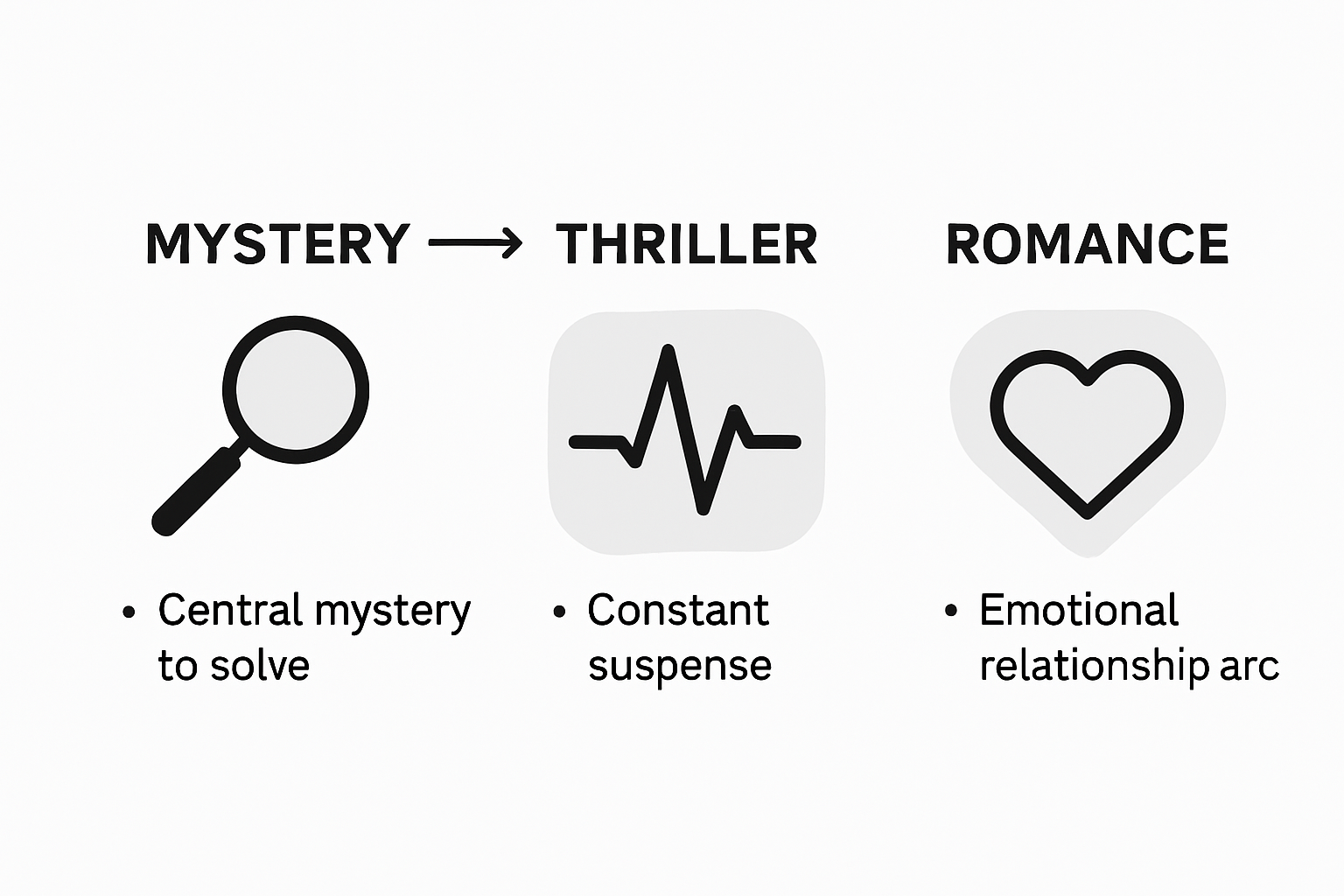
While genres like romance and science fiction transport readers through emotional connections or imaginative worlds, mystery fiction demands active intellectual engagement. Narrative structure becomes a critical differentiator. Comparative genre studies highlight how mysteries diverge from hardboiled detective stories by emphasizing logical problem-solving over pure action, creating a more cerebral reading experience that challenges readers’ analytical capabilities.
Key distinctions between mystery fiction and other genres include:
- Intellectual Engagement: Mysteries require active reader participation
- Narrative Focus: Puzzle-solving versus emotional or speculative exploration
- Character Development: Emphasis on psychological complexity over romantic or heroic archetypes
- Resolution Mechanics: Logical deduction versus emotional or technological solutions
- Reader Experience: Cognitive challenge versus emotional or imaginative transportation
The most sophisticated mysteries transcend traditional genre boundaries, incorporating elements from psychological thrillers, social commentary, and character studies. They transform the seemingly formulaic investigation into a profound exploration of human motivation, social dynamics, and moral complexity. Unlike genres that offer escapism, mysteries provide a nuanced lens for understanding human behavior, challenging readers to look beyond surface-level narratives.
Ultimately, mystery fiction stands apart as a genre that transforms storytelling from passive consumption into an active intellectual journey. By demanding reader participation, offering complex psychological insights, and presenting narratives that resist simple categorization, mysteries offer a unique reading experience that engages both the mind and the emotions in ways other genres cannot replicate.
Dive Deeper Into Mystery Fiction With Engaging Short Reads
The article reveals how mystery stories captivate readers through intellectual challenge and emotional depth while emphasizing core elements like strategic information withholding and complex character motivations. If you have experienced the thrill of decoding puzzles but find it hard to access concise, well-crafted mysteries that respect these storytelling secrets then you are not alone. Mystery fiction requires precisely balanced narratives that maintain suspense and deliver satisfying resolution. Your goal might be to enjoy stories that trigger your curiosity and engage your mind actively without overwhelming time commitments.
Explore our Weekend Mystery Bundle to uncover a rich collection of cozy mystery short reads, psychological thriller short reads, and detective short reads that perfectly embody the principles of the mystery genre explained in the article. This carefully curated selection promises intellectual engagement, unpredictable plot twists, and emotional investment in compact formats designed for quick yet profound enjoyment.
Unlock the storytelling secrets you crave and satisfy your hunger for captivating mysteries now. Experience how our short reads turn passive reading into an interactive pursuit of truth and understanding. Visit Weekend Mystery Bundle and start your journey through mystery fiction crafted for curious minds who refuse to settle for surface level plots.
Frequently Asked Questions
What are the key elements of the mystery genre?
The key elements of the mystery genre include a compelling central mystery or crime, a protagonist driven by intellectual curiosity, strategic information withholding, complex character motivations, and a structured process of investigation and deduction.
How do mystery stories engage readers?
Mystery stories engage readers by inviting them to become active participants in the narrative. Authors withhold information and provide clues, creating tension and stimulating the reader’s curiosity and analytical skills as they work to solve the mystery alongside the protagonist.
What are some common misconceptions about mystery fiction?
Common misconceptions about mystery fiction include the belief that all mysteries follow the same predictable structure, that detective characters are one-dimensional, and that the focus is solely on the final revelation rather than the investigative journey itself.
How do mystery subgenres differ from one another?
Mystery subgenres differ in their approaches and narrative styles. For example, classic detective mysteries focus on logical deduction, police procedurals emphasize realistic law enforcement techniques, while cozy mysteries feature amateur sleuths in more lighthearted settings. Each subgenre offers unique elements for exploring human complexity and moral ambiguity.
Recommended
- Understanding Mystery Fiction Terminology Explained – TheShortReads.com
- Mystery Fiction Terminology: Complete Guide for Readers – TheShortReads.com
- Mystery Fiction Writing Guide: Step-by-Step to Success – TheShortReads.com
- 6 Must-Know Mystery Short Stories Examples for Everyone – TheShortReads.com


What Defines a Novella: Key Traits and Appeal

Most American readers have likely encountered a story that feels richer than a short tale but shorter than a novel, yet the true nature of a novella remains misunderstood. Although novellas originated in Italy, they have made a lasting impact on the American literary scene, captivating readers with their compact intensity. With many American publishers reporting a renewed interest in this unique format, understanding what defines a novella—and clearing up common misconceptions—helps readers and writers better appreciate its storytelling power.
Table of Contents
- Defining A Novella And Common Misconceptions
- Typical Novella Length And Structural Features
- How Novellas Differ From Novels And Short Stories
- Genres, Popular Themes, And Audience Appeal
- Common Pitfalls And Reader Expectations
Key Takeaways
| Point | Details |
|---|---|
| Definition of Novella | A novella is a narrative prose fiction typically ranging from 20,000 to 50,000 words, offering a unique storytelling experience between short stories and novels. |
| Structural Characteristics | Novellas focus on single events or interconnected moments, requiring authors to maintain narrative efficiency and precision. |
| Genre Versatility | Novellas are flexible across genres, appealing to readers interested in concentrated storytelling without the lengthy commitment of novels. |
| Reader Expectations | Readers anticipate a well-developed, immersive experience in novellas, necessitating careful construction of characters and themes within a compact format. |
Defining a Novella and Common Misconceptions
A novella represents a fascinating literary form that sits elegantly between short stories and full-length novels. Originating in Italy during the Middle Ages, these narrative works have a rich historical background that continues to intrigue readers and writers alike. Unlike traditional novels or short stories, novellas offer a unique storytelling experience that demands precision and narrative efficiency.
The technical definition of a novella centers on length and complexity. Most literary experts consider a novella to be a narrative prose fiction typically ranging between 20,000 to 50,000 words – longer than a short story but shorter than a traditional novel. This compact format requires authors to be exceptionally strategic, developing complex characters and engaging plotlines within a more concentrated narrative space.
Common misconceptions about novellas often stem from misunderstanding their distinctive characteristics. Many readers assume novellas are simply truncated novels or extended short stories, when in reality, they represent a unique literary form with their own aesthetic and structural integrity. These works are not simply shorter versions of longer narratives, but carefully crafted stories that demand a different approach to storytelling. Narrative techniques in novellas often require more concentrated character development, tighter plot progression, and a more focused thematic exploration compared to full-length novels.
Understanding novellas requires appreciating their nuanced position in literature. They provide readers with a rich, immersive experience that can be consumed in a single sitting, offering depth without the time commitment of a traditional novel. Whether you are a casual reader or a literature enthusiast, novellas represent an art form that continues to captivate audiences with their unique storytelling potential.
Typical Novella Length and Structural Features
Novellas occupy a unique space in literary form, distinguished by their precise length and distinctive structural characteristics. According to the Science Fiction and Fantasy Writers Association, these works typically range between 17,500 and 40,000 words, which translates to approximately 70 to 160 printed pages. This specific word count range allows authors to develop more complex narratives than short stories while maintaining a more concentrated storytelling approach compared to full-length novels.
Structural complexity is a defining feature of novellas. Unlike broader narrative forms, these works often focus on a single critical event or a short series of interconnected moments. The Science Fiction and Fantasy Writers Association’s definition highlights how this format demands exceptional narrative precision, requiring authors to craft intricate storylines within a condensed literary framework.

The limited word count of novellas necessitates a strategic approach to storytelling. Writers must balance character development, plot progression, and thematic exploration with remarkable efficiency. Each narrative element becomes more intentional, with no room for unnecessary exposition or tangential storylines. This constraint often results in novellas that are tightly constructed, featuring crisp dialogue, vivid character interactions, and focused narrative arcs that deliver powerful emotional and intellectual experiences in a compact literary package.
Understanding novella length involves recognizing the nuanced art of compression. These works are not simply abbreviated novels, but carefully calibrated narrative experiences that challenge writers to distill complex human experiences into their most potent, essential form. Whether exploring a pivotal life moment, diving deep into a character’s psychological landscape, or presenting a concentrated social commentary, novellas represent a sophisticated literary form that rewards both writers and readers with their unique storytelling potential.
How Novellas Differ From Novels and Short Stories
Novels, short stories, and novellas represent distinct literary forms, each with unique narrative characteristics that set them apart. According to literary experts, novellas occupy a nuanced middle ground, offering more depth than short stories while maintaining a more focused narrative approach compared to full-length novels. This distinctive positioning allows novellas to explore complex themes and characters with remarkable narrative efficiency.
Conflict complexity is a key differentiator among these literary forms. Wikipedia highlights that novellas typically feature fewer conflicts than novels, but these conflicts are more intricate and developed compared to short stories. Unlike short stories, which often capture a single moment or brief interaction, novellas provide sufficient narrative space to explore deeper emotional landscapes and more sophisticated plot developments. Novels, by contrast, can accommodate multiple subplots and extensive character arcs that would feel overwhelming in the more compact novella format.
The structural differences become even more pronounced when examining character development. Short stories often introduce characters through quick, impressionistic sketches, while novels can extensively explore entire life histories. Novellas strike a remarkable balance, allowing writers to develop multidimensional characters with meaningful backstories and psychological depth without the expansive scope of a full novel. This narrative approach enables readers to form deep connections with characters in a more concentrated reading experience.
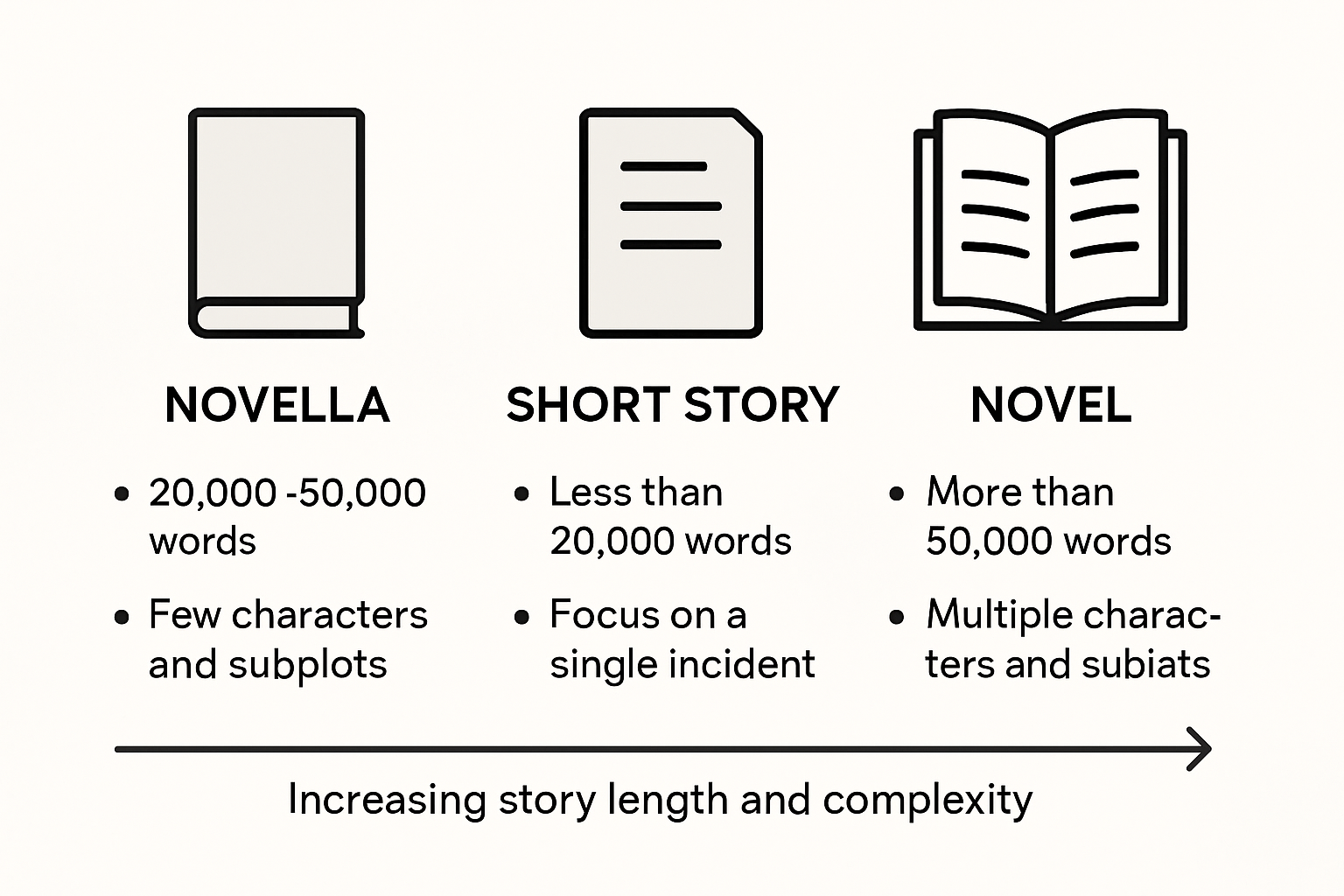
Ultimately, the distinctions between these literary forms are not rigid but fluid, representing different approaches to storytelling. Novellas offer a unique reading experience that combines the immediacy of short stories with the narrative complexity of novels. They invite readers into carefully crafted worlds where every word carries weight, every character interaction matters, and complex themes can be explored with remarkable precision and emotional intensity.
Genres, Popular Themes, and Audience Appeal
Literary traditions across Europe have long embraced novellas as a powerful storytelling medium, showcasing their remarkable versatility across multiple genres. These compact narratives excel in psychological thrillers, mystery fiction, and character-driven explorations that demand nuanced emotional landscapes. While traditionally associated with realistic and satiric themes, modern novellas have expanded to include genres ranging from speculative fiction to intense character studies, making them particularly appealing to readers seeking deep, concentrated storytelling experiences.
Genre flexibility allows novellas to tackle complex themes with remarkable precision. Psychological thrillers, in particular, benefit from the novella’s unique narrative structure, enabling writers to delve deeply into characters’ inner worlds without the sprawling complexity of full-length novels. Contemporary writers use the novella format to explore intricate human emotions, creating intense narratives that probe the darker corners of human psychology with surgical accuracy.
The audience for novellas spans diverse reader demographics, from busy professionals seeking immersive yet time-efficient reading experiences to literature enthusiasts who appreciate narrative complexity. Younger readers appreciate the novella’s ability to deliver profound storytelling in a compact format, while more experienced readers value the form’s sophisticated narrative techniques. Mystery and thriller fans especially gravitate toward novellas, appreciating how these works can create tension, develop intricate plots, and explore character motivations with exceptional depth in a relatively short number of pages.
Ultimately, novellas represent a unique literary sweet spot that bridges the gap between short stories and full-length novels. They invite readers into carefully constructed narrative worlds where every word carries weight, every character interaction reveals deeper truths, and complex themes can be explored with remarkable emotional intensity and intellectual precision. Whether capturing a single transformative moment or unraveling a tightly wound psychological mystery, novellas continue to offer readers a distinctive and compelling storytelling experience.
Common Pitfalls and Reader Expectations
Literary definitions can create surprising controversies within the world of fiction, particularly when it comes to novellas. The sometimes blurry boundaries between short novels and lengthy novellas have sparked ongoing debates among writers, publishers, and literary critics. British writer Ian McEwan’s ‘On Chesil Beach’ exemplifies this challenge, with the author describing the work as a novella while the Man Booker Prize panel classified it as a ‘short novel’, highlighting the nuanced nature of literary categorization.
Reader expectations play a crucial role in navigating these literary boundaries. Novellas are often designed to be consumed in a single reading session, creating a unique, immersive experience that differs significantly from longer novels. Readers approaching a novella typically anticipate a more concentrated narrative that delivers emotional depth and complex character development without the extended commitment required by traditional novels. This expectation demands that authors craft tightly constructed stories with minimal narrative excess.
Developing compelling short reads requires writers to avoid several common pitfalls. Many novella authors struggle with maintaining narrative tension within a compressed format, often either under-developing their characters or attempting to include too many plot elements. Successful novellas require a delicate balance: creating fully realized characters and exploring meaningful themes while maintaining the form’s inherent narrative efficiency. Readers expect a complete storytelling experience that feels intentional and carefully constructed, rather than a truncated novel or an overextended short story.
Ultimately, the art of writing a successful novella lies in understanding its unique narrative constraints and opportunities. The form demands precision, emotional intensity, and a laser-focused approach to storytelling. Writers must embrace the novella’s distinctive qualities, creating narratives that are simultaneously compact and expansive, intimate and profound. For readers, this means experiencing a literary form that offers the depth of a novel and the immediacy of a short story, delivered in a perfectly calibrated narrative package.
Discover the Power of Novellas with Our Curated Mystery and Thriller Short Reads
If you have ever found yourself drawn to the intense storytelling and focused narratives that novellas offer then exploring our selection of murder mystery novellas is the perfect next step. The article highlights how novellas deliver complex characters and gripping plots within a compact framework offering a unique emotional and intellectual experience in a limited time. This matches perfectly with the concise yet compelling nature of our cozy mystery, psychological thriller, and political thriller short reads.
Embrace the novella’s art of precise storytelling and dive into our exclusive action thriller novellas collection crafted for readers who seek tightly woven narratives full of suspense and depth. Don’t wait to enjoy the perfect blend of rich character development and high stakes tension that only the novella form can provide. Start your immersive reading journey right now with The Weekend Mystery Bundle and experience story worlds where every word matters.
Frequently Asked Questions
What is a novella?
A novella is a narrative prose fiction typically ranging from 20,000 to 50,000 words, offering a unique storytelling experience that combines elements of both short stories and full-length novels.
How does a novella differ from a novel?
Novellas tend to have fewer conflicts and a more focused narrative than novels, allowing for complex themes and character development within a tighter storyline.
What are the common themes found in novellas?
Novellas often explore psychological thrillers, mysteries, and character-driven narratives, delving into intricate emotional landscapes and complex themes with remarkable precision.
What should I expect when reading a novella?
Readers can expect a concentrated narrative that provides emotional depth and character development in a compact format, usually designed to be consumed in a single reading session.
Recommended
- The Essential Guide to the Role of Novellas in Fiction – TheShortReads.com
- Novellas vs. Novels: Complete Guide to Key Differences – TheShortReads.com
- Why Novellas Are Popular: Complete Reader Guide – TheShortReads.com
- Novella Short Reads: Everything You Need to Know – TheShortReads.com


Why Read Short Novellas: Complete Guide for Readers

Over 60 percent of American readers say they do not finish longer books due to lack of time. This growing trend has put short novellas in the spotlight, offering a rare blend of narrative depth and quick satisfaction many readers crave. Understanding what truly sets novellas apart—and challenging the common myths around them—will help you discover why these tightly woven stories keep capturing hearts across the literary world.
Table of Contents
- Defining Short Novellas And Common Myths
- Types Of Short Novellas Across Genres
- Unique Benefits Of Reading Short Novellas
- Why Short Novellas Suit Busy Lifestyles
- Comparing Novellas With Longer Fiction Works
Key Takeaways
| Point | Details |
|---|---|
| Definition of Novellas | Novellas range from 20,000 to 50,000 words, offering a concise narrative form that balances depth and brevity between short stories and novels. |
| Common Myths | Novellas are not simply shortened novels; they possess unique structural characteristics and demand intentional storytelling from writers. |
| Benefits for Readers | Short novellas are ideal for busy lifestyles, providing rich narratives that can be read in a single sitting without overwhelming time commitments. |
| Narrative Characteristics | Novellas allow for focused storytelling, demanding precision in plot and character development, which enhances the reading experience. |
Defining Short Novellas and Common Myths
A novella sits in a fascinating literary space between short stories and novels, offering readers a unique narrative experience that combines narrative depth with concise storytelling. According to research, novellas range typically from 20,000 to 50,000 words, providing more complexity than a short story while maintaining a tighter narrative focus compared to traditional novels.
Contrary to popular misconceptions, novellas are not simply truncated novels or extended short stories. They possess distinctive structural characteristics that set them apart. These compact narratives feature a rigid compositional structure with a clearly constructed plot, often incorporating an unexpected twist or element of surprise that distinguishes them from other literary formats. The role of novellas in fiction represents a nuanced art form that demands precision and intentionality from writers.
Some common myths about novellas persist among readers and writers alike. Many incorrectly assume that novellas are merely incomplete or less sophisticated works. In reality, these literary forms represent a deliberate narrative choice, offering writers a powerful medium to explore complex themes within a more concentrated storytelling framework. Novellas challenge traditional storytelling conventions, providing readers with intense, focused narratives that can be consumed in a single sitting while delivering remarkable depth and emotional resonance.
Types of Short Novellas Across Genres
Novellas represent a diverse literary landscape that spans an incredible range of genres, offering readers compact yet powerful storytelling experiences. Short novellas encompass an impressive array of narrative styles, including action, adventure, crime, detective, drama, fantasy, horror, mystery, romance, science fiction, and thriller genres. This incredible versatility allows writers to explore complex themes and narratives within a more concentrated format.
Historically rooted in European literary traditions, novellas have been masterfully crafted by renowned writers like Edgar Allan Poe, Guy de Maupassant, and Anton Chekhov, who expertly blended characteristics of short stories and longer narrative forms. The differences between novellas and traditional novels create unique storytelling opportunities that challenge conventional narrative structures.
Each genre brings its own distinctive flavor to the novella format. Mystery novellas can deliver intricate puzzles, thriller novellas can provide intense psychological explorations, and science fiction novellas can introduce revolutionary concepts in a tightly constructed narrative. Romance novellas offer concentrated emotional journeys, while horror novellas can create spine-chilling experiences within a more focused storytelling framework. The condensed nature of novellas demands precision from writers, requiring them to distill complex narratives into compelling, streamlined stories that captivate readers from the first page to the last.
Unique Benefits of Reading Short Novellas
Short novellas offer readers a transformative reading experience that bridges the gap between quick short stories and time-consuming novels. Novellas provide a concise yet immersive narrative format that allows readers to engage with complex stories without significant time investment, making them perfect for busy individuals or those seeking concentrated literary experiences. These compact stories deliver substantial narrative depth while respecting readers’ limited time and attention spans.

The unique compositional structure of novellas creates a remarkably satisfying literary journey, characterized by tightly constructed plots and unexpected narrative twists. Unlike traditional novels that might meander, novellas demand precision from writers, requiring them to distill complex themes and character developments into a more focused storytelling approach. Short reads offer readers a comprehensive understanding of different narrative styles without the commitment of longer literary works.
Readers benefit from novellas in multiple ways. They provide intellectual stimulation through concentrated storytelling, allow exploration of diverse genres within limited page counts, and offer a perfect solution for readers with limited reading time. Whether you’re a commuter seeking entertainment, a literature enthusiast wanting to sample new writing styles, or someone who prefers intense narrative experiences, novellas deliver compelling stories that can be consumed in a single sitting, making them an increasingly popular choice for modern readers seeking quality storytelling without extensive time commitment.
Why Short Novellas Suit Busy Lifestyles
Short novellas present an ideal reading solution for individuals navigating demanding schedules, offering a perfect balance between storytelling depth and time efficiency. Typically ranging from 20,000 to 50,000 words, these compact narratives can be completed in a single sitting or over a weekend, making them incredibly attractive for readers with limited time who still crave engaging and complete literary experiences. Professionals, students, commuters, and anyone with fragmented reading windows can now enjoy rich narratives without the substantial time commitment required by traditional novels.
The concise nature of novellas provides a remarkably satisfying reading experience, delivering concentrated storytelling that respects readers’ valuable time. Unlike lengthy novels that demand weeks of reading, novellas offer a complete narrative arc with intricate character development and complex themes, all within a more manageable page count. This format allows readers to consume entire stories during lunch breaks, short commutes, or brief leisure moments, transforming previously unproductive time into immersive literary journeys.
Busy lifestyle readers benefit from novellas in multiple strategic ways. These compact narratives eliminate the intimidation factor of lengthy books, provide mental refreshment during stressful periods, and offer intellectual stimulation without overwhelming time commitments. Whether you’re a professional seeking quick mental escape, a student balancing multiple responsibilities, or someone who enjoys diverse storytelling experiences, novellas represent a flexible, efficient reading option that adapts seamlessly to modern, fast-paced lifestyles. They prove that meaningful, profound storytelling can be both time-conscious and deeply satisfying.
Comparing Novellas With Longer Fiction Works
A novella represents a unique literary form positioned strategically between short stories and full-length novels, offering readers a distinctive narrative experience that balances complexity and concision. Unlike lengthy novels that can sprawl across hundreds of pages, novellas maintain a laser-focused narrative approach, delivering rich storytelling within a more compact framework. These works possess a clearly constructed plot with distinct narrative elements that differentiate them from both shorter and longer fiction formats.
The structural differences between novellas and traditional novels become apparent in their narrative architecture. Novels typically allow for extensive character development, multiple subplots, and broader thematic explorations, whereas novellas demand a more disciplined storytelling approach. The unique characteristics of novellas versus longer fiction works require writers to distill complex narratives into more concentrated, impactful experiences. This compression forces authors to be more intentional about every narrative element, resulting in stories that are simultaneously precise and deeply engaging.
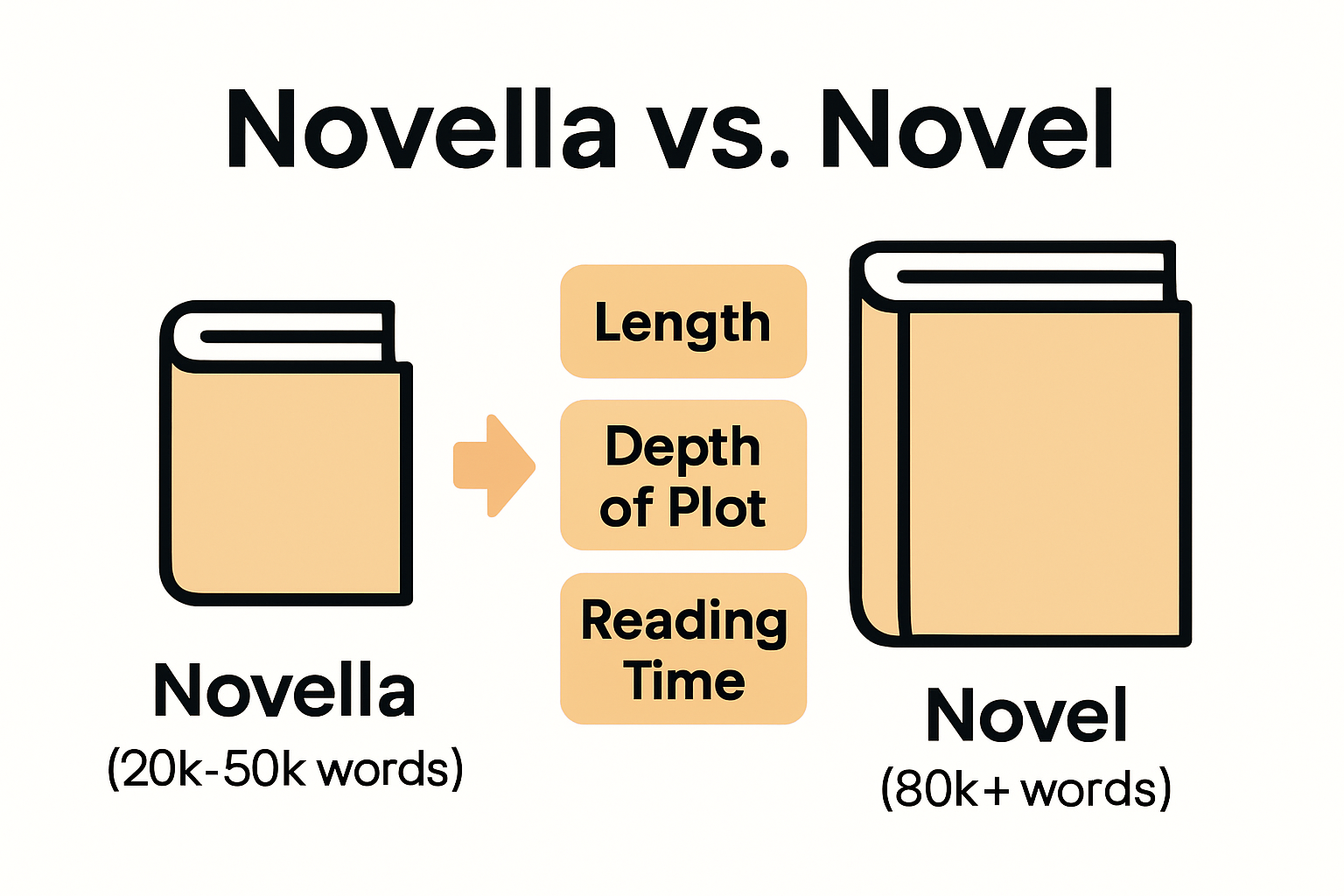
Readers encounter distinct advantages when choosing novellas over longer fiction works. Where novels might meander through extensive backstories and tangential narratives, novellas provide a streamlined reading experience that maintains narrative intensity. They eliminate narrative bloat while preserving the essential emotional and intellectual core of the story. For readers seeking immersive storytelling without substantial time investment, novellas represent an optimal literary format that delivers sophisticated narratives with remarkable efficiency and emotional depth.
Discover the Perfect Short Novella for Your Busy Lifestyle
If you find it challenging to fit rich and engaging stories into your hectic schedule, short novellas offer a compelling solution. As the article highlights, these tightly constructed narratives deliver complex themes and satisfying twists without demanding the extensive time of traditional novels. Whether you crave psychological thriller short reads or captivating murder mystery novellas, exploring genres made for quick yet immersive reading can transform your downtime.
Experience the power of concise storytelling with our specially curated collection, including cozy mystery short reads and action thriller novellas designed to capture your imagination in a single sitting. Don’t let your busy days keep you from enjoying sophisticated plots and unforgettable characters. Visit The Weekend Mystery Bundle now and unlock a world of gripping mystery fiction short reads crafted for readers just like you. Dive in today for a literary journey that fits your lifestyle perfectly.
Frequently Asked Questions
What is a novella and how does it differ from short stories and novels?
A novella is a compact literary form that typically ranges from 20,000 to 50,000 words. Unlike short stories, which are more brief and focused on a single idea or event, novellas provide more narrative depth while maintaining a concise structure compared to traditional novels, which are longer and allow for extensive character development and multiple subplots.
Why should I choose to read novellas instead of full-length novels?
Novellas offer a satisfying narrative experience in a shorter format. They allow readers to engage with complex themes and stories without the time commitment of longer novels. Perfect for busy schedules, novellas can often be read in a single sitting while still providing rich, immersive storytelling.
What genres can I find novellas in?
Novellas encompass a wide range of genres, including action, adventure, crime, detective, drama, fantasy, horror, mystery, romance, science fiction, and thriller. This diversity allows readers to explore various storytelling styles within a compact format.
Are novellas suitable for readers with limited time?
Yes, novellas are an excellent option for readers with busy lifestyles as they can be completed relatively quickly. They offer the benefits of a full story with significant narrative depth while respecting readers’ time constraints, making them ideal for short breaks or commutes.
Recommended
- The Essential Guide to the Role of Novellas in Fiction – TheShortReads.com
- Novellas vs. Novels: Complete Guide to Key Differences – TheShortReads.com
- Why Novellas Are Popular: Complete Reader Guide – TheShortReads.com
- Short Reads vs Novellas: Everything You Need to Know – TheShortReads.com


How to Pick Mystery Novellas for Fast, Fun Reading

Every american reader has felt the challenge of finding a mystery novella that fits both mood and schedule. With so many options available, it is easy to waste time on books that disappoint or never get finished. Over 60 percent of readers admit to abandoning a story that did not meet their expectations. This guide provides practical steps to help you identify your best reading times, narrow down engaging subgenres, and confidently choose novellas that keep you turning pages.
Table of Contents
- Step 1: Identify Your Reading Preferences And Time Available
- Step 2: Choose The Right Mystery Subgenre For Your Mood
- Step 3: Evaluate Top Sources For Trustworthy Novella Recommendations
- Step 4: Assess Sample Chapters Or Previews For Engagement
- Step 5: Confirm Your Mystery Novella Pick Meets Your Needs
Quick Summary
| Key Insight | Explanation |
|---|---|
| 1. Identify your reading style | Assess your daily schedule and energy to find the best time for reading mystery novellas. |
| 2. Explore various subgenres | Experiment with different mystery subgenres to see which aligns with your mood and interests. |
| 3. Use trustworthy recommendation sources | Seek recommendations from libraries, book clubs, and online platforms to find reliable novellas. |
| 4. Evaluate sample chapters carefully | Assess the first few pages of novellas to determine if their style and engagement level suit your preferences. |
| 5. Confirm alignment with your needs | Create a checklist to ensure the novella fits your reading goals, including time, complexity, and emotional engagement. |
Step 1: Identify your reading preferences and time available
Discovering the right mystery novellas starts with understanding your unique reading style and available time. Selecting short reads requires a strategic approach that matches your personal reading rhythm and lifestyle.
Begin by evaluating your daily schedule and energy levels. Are you a morning reader who enjoys solving mysteries with your first cup of coffee? Or perhaps you prefer unwinding with a novella after work? Track the times when you feel most alert and can concentrate best. Some readers find 20-30 minute windows perfect for consuming mystery novellas, while others might prefer longer weekend reading sessions.
Consider your attention span and reading preferences. Do you enjoy complex psychological mysteries or quick action-packed thrillers? Mystery novellas come in various subgenres like cozy mysteries, detective stories, and political intrigue. Take a moment to reflect on the type of narrative that keeps you most engaged. Pro tip: Create a simple reading log to track which stories capture your interest and how much time you actually spend reading. This self awareness will help you select novellas that perfectly match your reading style and available time.
By understanding your reading preferences and time constraints, you will set yourself up for an enjoyable and satisfying reading experience.
Step 2: Choose the right mystery subgenre for your mood
Selecting the perfect mystery novella means understanding the vast landscape of subgenres that can match your current emotional state and reading preferences. Mystery fiction offers numerous narrative styles that cater to different reading experiences.
Cozy mysteries provide a gentler approach to crime narratives, often set in small communities with amateur detectives solving puzzles without graphic violence. These stories work wonderfully when you want an engaging yet low stress reading experience. On the other hand, psychological thrillers deliver intense mental landscapes exploring complex character motivations, perfect for readers seeking deeper emotional intrigue. Political mysteries offer cerebral challenges with intricate plot twists, while action thriller novellas provide quick adrenaline rushes for those craving fast paced storytelling.

To find your ideal subgenre, experiment with different styles and pay attention to your emotional response. Some readers prefer methodical detective work, while others enjoy character driven narratives or plot heavy adventures. Create a reading journal to track which subgenres consistently capture your interest. By understanding your mood and narrative preferences, you will transform your mystery reading from a casual activity into a personalized literary journey.
Step 3: Evaluate top sources for trustworthy novella recommendations
Selecting reliable sources for mystery novella recommendations can transform your reading experience from random selections to curated discoveries. Finding trustworthy recommendations requires a strategic approach that goes beyond random browsing.
Library services offer incredible resources for discovering new reads. Start by exploring return carts where librarians often display interesting new arrivals and hidden gems. Book clubs provide another excellent avenue for discovering mystery novellas, as members share personal insights and recommendations based on shared interests. Online platforms like Goodreads, specialized mystery fiction forums, and curated book recommendation websites can help you navigate the vast world of mystery novellas.
Develop a personalized recommendation system by tracking your reading preferences. Create a reading journal where you note authors, subgenres, and storytelling styles that captivate you. Follow book reviewers who specialize in mystery fiction and align with your taste. Pro tip: Subscribe to mystery fiction newsletters and podcasts that offer deep dive recommendations from genre experts. By diversifying your recommendation sources and actively tracking your preferences, you will build a reliable system for discovering mystery novellas that consistently match your reading style.
Step 4: Assess sample chapters or previews for engagement
Making an informed decision about a mystery novella requires more than a quick glance. Understanding how to evaluate reading materials effectively can help you select novellas that truly capture your interest and reading style.
Develop a systematic approach to assessing reading engagement by implementing the five finger test. Read the first few pages and count the number of unfamiliar words. If you encounter more than five difficult words per page, the novella might be too challenging and could interrupt your reading flow. Pay attention to the narrative voice, plot setup, and character introductions. Do they spark your curiosity? Can you visualize the story unfolding? Look for smooth writing that pulls you into the mystery without feeling forced or complicated.
Create a preview evaluation checklist to standardize your selection process. Note the writing style, pacing, character depth, and initial plot intrigue. Some readers find it helpful to read the first and last paragraphs to get a sense of the author’s narrative approach. Pro tip: Give yourself permission to abandon a novella if it does not engage you within the first few pages. Reading should be enjoyable, not a chore. By developing a keen eye for preview assessment, you will quickly become adept at selecting mystery novellas that align perfectly with your reading preferences.
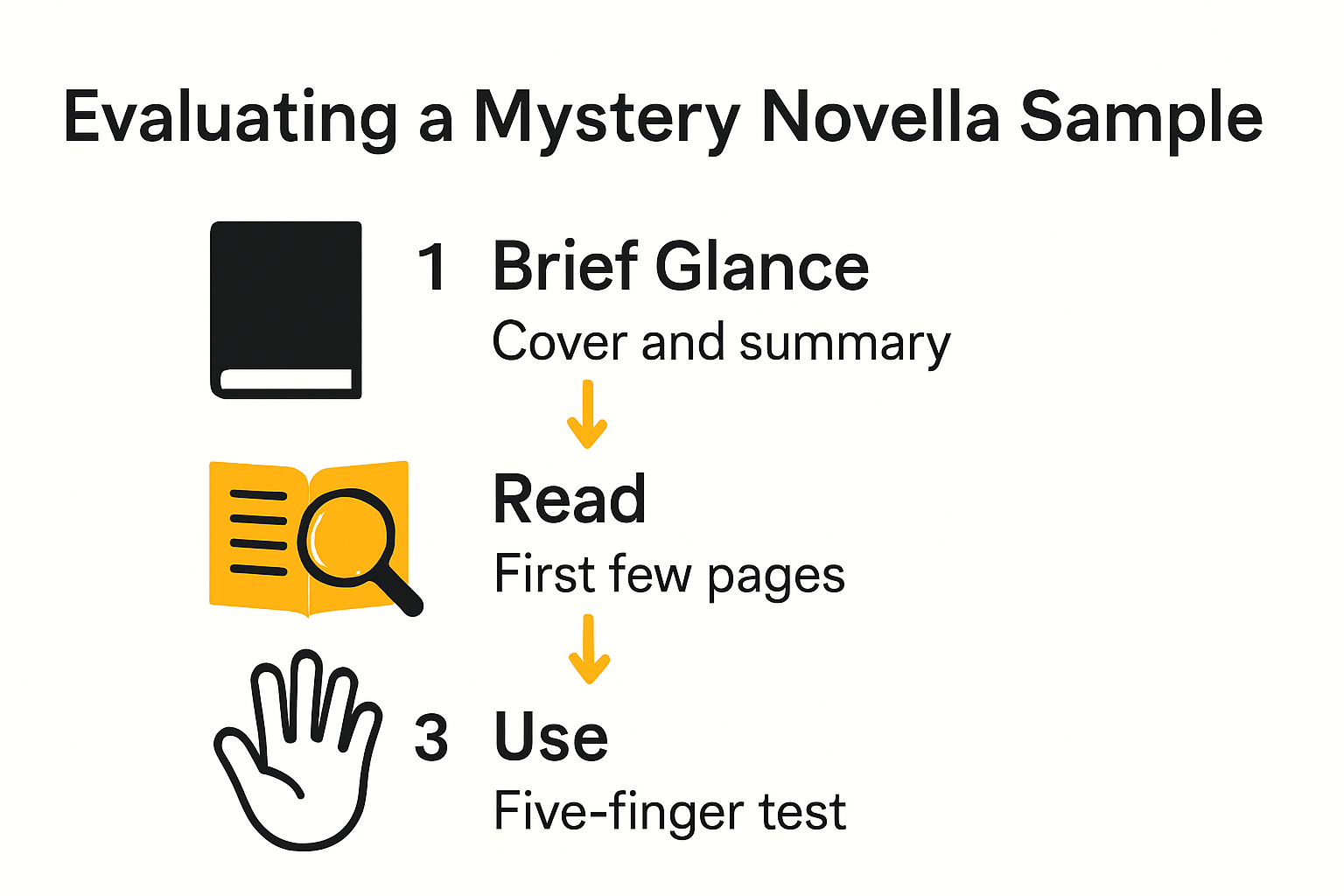
Step 5: Confirm your mystery novella pick meets your needs
Choosing the right mystery novella requires a strategic approach to matching your specific reading goals. Understanding how a particular novella aligns with your expectations is crucial to ensuring an enjoyable reading experience.
Develop a personalized evaluation framework for assessing your selected mystery novella by creating a checklist of critical criteria. Consider factors like reading time requirements, complexity level, narrative style, and emotional engagement. Ask yourself key questions: Does this novella fit within your available reading window? Will the plot complexity match your current mental energy? Does the storytelling approach resonate with your preferences? Pay special attention to the pacing and length to ensure the novella meets your specific reading needs.
Establish a quick validation process before fully committing to the book. Read the book description carefully, scan reader reviews from trusted sources, and review the table of contents if available. Pro tip: Give yourself permission to stop reading if the novella does not meet your initial expectations. Not every mystery will be the perfect fit, and recognizing this early can save you time and frustration. By developing a systematic approach to selection, you will become more confident in choosing mystery novellas that genuinely satisfy your reading objectives.
Discover Your Perfect Mystery Novella Match Today
Struggling to find mystery novellas that fit your reading style and time? You are not alone. Many readers want short, gripping stories that deliver fast thrills or cozy puzzles without wasting a minute. This article guides you through understanding your reading preferences, picking the right subgenre, and evaluating previews to ensure every mystery novella keeps you hooked from page one. Now you can take your newfound approach further by exploring curated collections tailored for quick, engaging reads.
Explore The Weekend Mystery Bundle for handpicked stories across cozy mystery short reads, psychological thriller short reads, and action thriller novellas.
Turn your reading time into pure excitement with stories that meet your pace and mood. Visit The Weekend Mystery Bundle to start your personalized mystery journey now. Don’t wait because the perfect novella for your next reading session is just a click away. Unlock mystery fiction short reads that truly fit your schedule and captivate your imagination today.
Frequently Asked Questions
How can I identify my reading preferences for mystery novellas?
Understanding your reading preferences starts by evaluating your daily schedule and energy levels. Track when you feel most alert to read, such as in the morning or evening, and consider the types of mysteries that hold your attention, whether they’re cozy, psychological, or action-packed.
What mystery subgenres should I consider for a fun reading experience?
To find a mystery subgenre that matches your mood, explore options like cozy mysteries for a light-hearted experience or psychological thrillers for deeper intrigue. Experiment with different styles, and maintain a reading journal to note which subgenres you enjoy most.
How do I select reliable sources for mystery novella recommendations?
To find trustworthy novella recommendations, leverage resources such as your local library, book clubs, and dedicated online communities. Keep a list of sources that resonate with your reading preferences to create a personalized system for discovering new titles.
What should I assess in sample chapters before choosing a novella?
When evaluating a novella, use the five-finger test by counting unfamiliar words in the first few pages. Look for engaging characters and a visually appealing plot setup to ensure you are intrigued enough to keep reading.
How can I confirm that a chosen mystery novella meets my reading needs?
To ensure a novella aligns with your expectations, create a checklist of criteria such as reading time, complexity, and narrative style. Before fully committing, read the book description, review feedback, and gauge if the pacing fits your preferred reading style.
Share

How to Develop Compelling Short Reads for All Readers

Every great american short read starts with a magnetic idea and a clear sense of who will care most. The difference between a story that readers remember and one they skip often comes down to this first choice. Over 60 percent of successful short stories share a strong connection between their core hook and the intended audience. Knowing how to identify your story’s driving force and the people most likely to connect with it will help your writing stand out in a crowded market.
Table of Contents
- Step 1: Identify The Core Hook And Target Audience
- Step 2: Craft A Fast-Paced, Engaging Plot Structure
- Step 3: Develop Distinctive Characters And Motivations
- Step 4: Refine Language For Clarity And Impact
- Step 5: Test Story Flow With Real Readers
Quick Summary
| Main Takeaway | Explanation |
|---|---|
| 1. Identify your story’s core hook | Determine the unique elements that captivate readers, ensuring a strong narrative foundation. |
| 2. Create a fast-paced plot structure | Outline key events to maintain reader engagement throughout the story without unnecessary detours. |
| 3. Develop authentic characters and motivations | Craft complex characters with distinct traits and internal contradictions for deeper reader immersion. |
| 4. Refine language for clarity and impact | Use concise and vivid language that enhances emotional resonance, eliminating unnecessary words. |
| 5. Test story flow with real readers | Gather feedback from your target audience to identify strengths and weaknesses, refining your narrative before release. |
Step 1: Identify the Core Hook and Target Audience
Successfully creating compelling short reads begins with understanding your story’s magnetic core and the readers who will be most drawn to it. This crucial first step determines whether your narrative will capture attention or fade into the background.
To identify your story’s core hook, start by examining the central premise that makes your narrative unique. Ask yourself what unexpected twist, emotional tension, or intriguing character dynamic will make readers lean in and want more. A powerful hook isn’t just about plot twists it’s about creating an immediate connection that feels both surprising and inevitable.
Your target audience emerges from this hook understand who would be most fascinated by your narrative world. Crafting relatable characters and context early helps establish this connection. Are your potential readers mystery enthusiasts craving psychological depth? Action lovers seeking rapid plot progression? Romance readers wanting intense emotional landscapes? Pinpoint the specific reader demographic that will resonate most with your storytelling approach.
One pro tip write a single sentence that captures your story’s essence from your target audience’s perspective. This exercise helps crystallize your narrative’s most compelling elements and ensures you stay focused on delivering precisely what your ideal readers want.
Step 2: Craft a Fast-Paced, Engaging Plot Structure
Transforming your short read into a page-turner requires strategic plot development that keeps readers riveted from the first sentence to the last. Your goal is to create a narrative that moves quickly while maintaining depth and emotional resonance.
Creating a brief outline of events helps structure your story effectively. Map out key character interactions and critical moments that drive the narrative forward. Choose a point of view that maximizes tension and reader engagement. Some writers prefer a linear approach that builds momentum steadily while others experiment with nonlinear narratives that challenge reader expectations.
Utilizing techniques like echoing an emblem can dramatically enhance your story’s impact. This means introducing a powerful image or statement early and then repeating it with subtle variations throughout the narrative. Such techniques create a sense of cohesion and build psychological depth. Additionally weaving in a subtle subplot can add complexity without overwhelming the main storyline helping you maintain reader interest across a compact narrative space.
One critical tip select only the most essential plot points. In short reads every sentence must earn its place. Eliminate any scene or dialogue that does not directly propel character development or advance the central conflict. Your readers should feel like they are experiencing an intense, concentrated narrative journey with zero unnecessary detours.
Step 3: Develop Distinctive Characters and Motivations
Crafting memorable characters is the heartbeat of any compelling short read. Your goal is to create protagonists and supporting characters who feel so authentic that readers forget they are reading fiction and become fully immersed in their world.
Endowing the protagonist with a specific personality is essential for writing an engaging story. Think beyond generic character descriptions and dive deep into their unique psychological landscape. What drives them? What hidden fears or unspoken desires motivate their actions? Every character should have internal contradictions that make them feel human complicated and unpredictable.

Dynamic plot state tracking helps maintain character consistency while allowing for meaningful character evolution. This means ensuring that your characters responses and decisions flow naturally from their established personality traits and backstory. A timid character suddenly becoming fearlessly heroic without proper setup will feel jarring to readers. Instead create incremental character growth that feels organic and believable.
One critical tip imagine your characters having conversations when you are not writing them. What would they discuss? How would they interact in moments unseen by readers? This mental exercise helps you understand their inner world beyond the immediate narrative and creates depth that readers can sense even in brief interactions.
Step 4: Refine Language for Clarity and Impact
Mastering the art of language refinement transforms your short read from ordinary to extraordinary. Your words are the paintbrush that will create vivid mental landscapes and emotional experiences for your readers.
Employing clear and concise language dramatically enhances the readability of your story. Every word must earn its place on the page. Eliminate unnecessary adverbs bloated descriptions and redundant phrases that dilute your narrative power. Think of your prose like a precise surgical instrument cutting directly to the emotional core of your story.
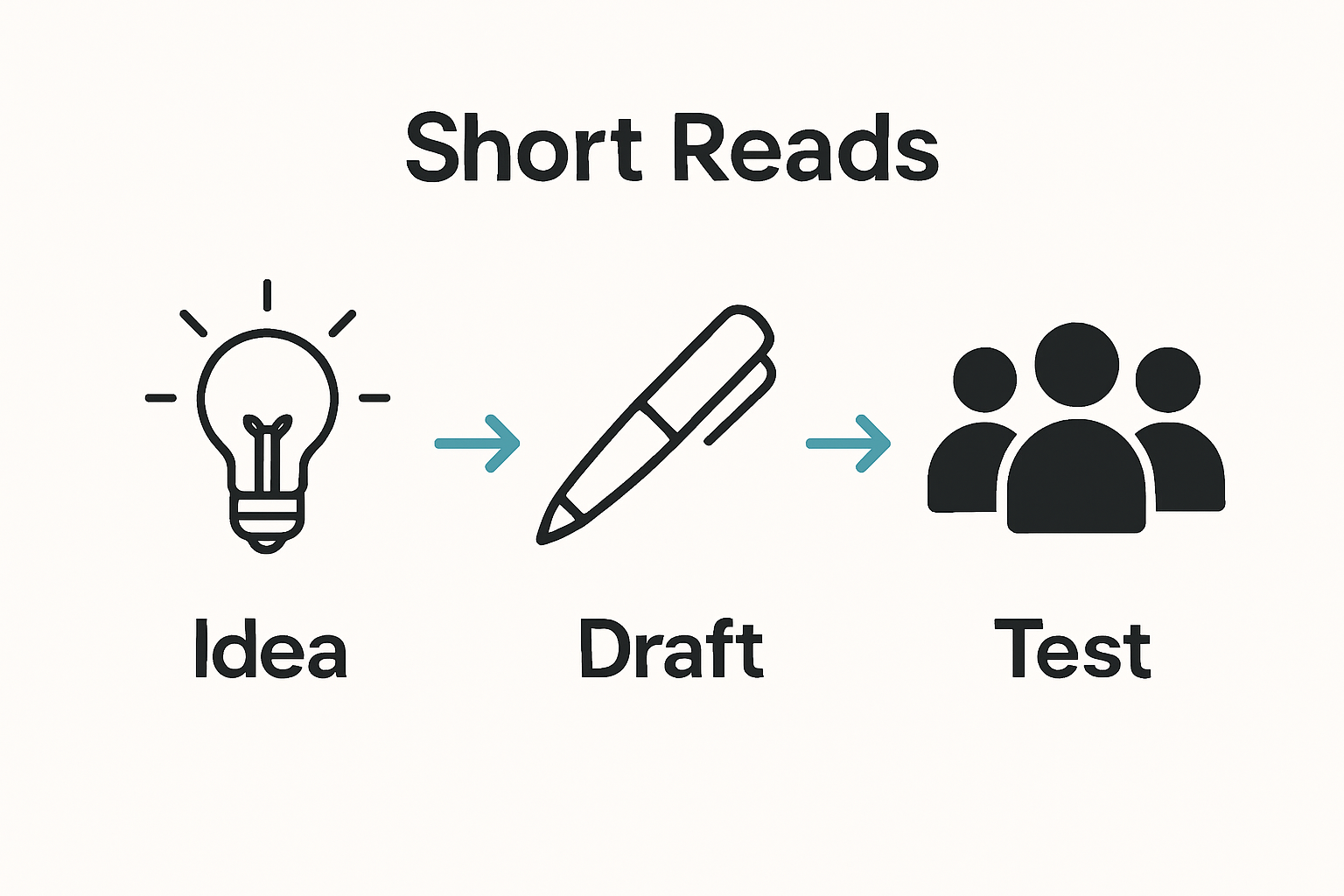
Capturing essential story events through structured language helps maintain a consistent logical flow. This means constructing sentences that are not just grammatically correct but strategically designed to propel your narrative forward. Each sentence should reveal character motivate action or illuminate some deeper truth about your fictional world. Imagine your words as building blocks that construct a complex emotional architecture readers can inhabit.
One critical tip read your work aloud. Your ears will catch awkward phrasings repetitive structures and moments where the language feels forced or unnatural. This technique helps you hear the rhythm of your prose and identify areas that need surgical precision in editing.
Step 5: Test Story Flow with Real Readers
Validating your short read requires more than personal confidence. You need honest external perspectives that can reveal hidden narrative strengths and potential weaknesses before your story reaches a broader audience.
Detailed planning and control in story generation can be effectively evaluated through targeted human preference assessments. Seek out readers who represent your intended audience demographic. Choose individuals who will provide candid feedback rather than simply offer polite encouragement. Create a small focus group of 3 to 5 readers who can offer nuanced insights into your narrative structure character development and overall engagement.
Leveraging human preference evaluations helps produce more coherent and immersive narratives. Prepare specific questions that guide their feedback. Ask about moments where they felt most engaged or disconnected. Request they mark sections where the pacing feels uneven or where character motivations seem unclear. Pay attention not just to what they say but to their emotional reactions their reading pace and the points where they seem most absorbed or distracted.
One critical tip create a feedback form with both structured questions and open ended responses. This approach captures quantitative data about your story while leaving room for unexpected insights. The most valuable feedback often comes from comments you never anticipated.
Unlock the Power of Compelling Short Reads Today
Struggling to craft short stories that truly captivate readers Understand how identifying your story’s core hook and developing fast-paced plots can transform your narrative experience. If creating distinctive characters and refining language feels overwhelming discover stories where these elements come alive effortlessly. Our collection of mystery fiction short reads and cozy mystery short reads is designed to deliver immersive storytelling that grips your attention from the first sentence.
Ready to dive into short reads that embody clarity, emotional depth, and engaging plots Explore The Weekend Mystery Bundle now and experience how expertly crafted novellas can inspire your own writing journey. Don’t wait to transform your storytelling skills by reading works that truly resonate with readers like you. Start reading today and master the art of creating compelling short reads!
Frequently Asked Questions
How can I identify the core hook for my short read?
To identify the core hook of your story, focus on the unique premise that makes it stand out. Analyze the unexpected twists, emotional tensions, or intriguing character dynamics that would captivate your target audience. Write a sentence that encapsulates your story’s essence to clarify its most compelling elements.
What is an effective structure for a fast-paced short read?
An effective structure for a fast-paced short read involves outlining key events and character interactions that drive the narrative. Map out the main plot points, choose a suitable point of view, and utilize techniques like echoing to enhance coherence. Ensure that every sentence advances the plot or develops characters to maintain reader engagement.
How do I create distinctive characters and motivations?
To create distinctive characters, delve into their personalities and internal conflicts, making them relatable and complex. Consider their fears, desires, and contradictions to give depth. Engage in mental exercises by imagining conversations between your characters when you’re not writing to better understand their inner worlds.
What techniques can I use to refine language for clarity?
Refining language for clarity involves using clear and concise wording while eliminating unnecessary descriptions and filler words. Each sentence should serve a purpose, revealing character, motivating action, or exploring deeper truths. Read your work aloud to catch awkward phrases and maintain a natural rhythm in your prose.
How can I test my short read with real readers?
To test your short read, gather a small focus group of readers who represent your target audience. Provide them with specific questions about their engagement and any moments of disconnection. Collect feedback through a structured form with both quantitative and open-ended questions to gain insights into your narrative strengths and weaknesses.
Recommended
- Understanding the Benefits of Short Reads – TheShortReads.com
- Short Reads Benefits: Complete Guide for Busy People – TheShortReads.com
- Why Short Stories Matter: Complete Guide for Readers – TheShortReads.com
- Best Short Books – TheShortReads.com


7 Psychological Thriller Examples Every Reader Should Know

Psychological thrillers grip readers in a way few genres can, with over 60 percent of american book lovers admitting they crave stories that mess with the mind. This intense popularity is no surprise, as these thrillers dig far deeper than standard mysteries by exposing what really motivates, manipulates, or unravels a person. With complex characters and blurred lines between what is real and imagined, you will discover how american authors transform thrills into unforgettable psychological journeys.
Table of Contents
- 1. Understanding Psychological Thrillers: Key Elements
- 2. Classic Example: The Silent Patient by Alex Michaelides
- 3. Modern Hit: Gone Girl by Gillian Flynn
- 4. Short Read Standout: The Wife Between Us by Greer Hendricks
- 5. Quick-Read Gem: The Girl Before by JP Delaney
- 6. Novella Favorite: The Turn of the Key by Ruth Ware
- 7. Tips for Choosing Your Next Psychological Thriller
Quick Summary
| Takeaway | Explanation |
|---|---|
| 1. Engage with unreliable narrators | Unreliable narrators create psychological intrigue, challenging readers to question presented facts and perceptions. |
| 2. Focus on psychological transformation | Compelling psychological thrillers reveal deep character growth, emphasizing internal struggles over mere plot action. |
| 3. Explore themes of manipulation and identity | Look for novels that intricately navigate themes like emotional manipulation and identity construction, enriching the narrative experience. |
| 4. Assess narrative perspective for complexity | Complex narrative structures enhance psychological depth, demanding readers to actively unravel layered storytelling. |
| 5. Pay attention to environmental influences | Environmental details, especially in character settings, can provide profound insights into psychology and behavior. |
1. Understanding Psychological Thrillers: Key Elements
Psychological thrillers represent a complex narrative genre that explores the intricate landscape of human mental and emotional experience through suspenseful storytelling. These narratives go far beyond traditional mystery plots, delving deep into characters psychological landscapes where internal struggles become as gripping as external conflicts.
At their core, psychological thrillers focus on mental manipulation, emotional tension, and the profound psychological transformations characters undergo. Unlike standard crime novels, these stories prioritize mental complexity over physical action. The narrative typically centers on characters psychological states, exploring how individuals perceive reality, wrestle with internal demons, and navigate morally ambiguous situations.
Key elements that define psychological thrillers include an intense psychological exploration of characters motivations, an unpredictable narrative structure, and a persistent sense of psychological uncertainty. Readers encounter stories where perception becomes fluid, trust is constantly questioned, and the line between reality and imagination blurs.
The most compelling psychological thrillers often feature unreliable narrators who challenge readers understanding of events. These narrators might intentionally mislead or possess distorted perceptions, creating a narrative landscape where nothing can be taken at face value. By introducing psychological complexity, these stories invite readers to question their own assumptions about human behavior and mental states.
To fully appreciate psychological thriller elements, readers must be prepared to engage with narratives that challenge conventional storytelling. The genre demands active mental participation, inviting audiences to unravel psychological mysteries alongside complex characters who are wrestling with profound internal conflicts.
Whether exploring trauma, investigating psychological manipulation, or revealing hidden motivations, psychological thrillers provide a fascinating window into the human psyche. They transform reading from a passive experience into an intense psychological investigation where every page brings new revelations about human nature.
Pro Tip: When reading psychological thrillers, pay close attention to narrative perspective, subtle emotional shifts, and characters internal dialogues. These elements often reveal more about the story than external plot developments.
2. Classic Example: The Silent Patient by Alex Michaelides
Alex Michaelides debut novel “The Silent Patient” represents a groundbreaking psychological thriller that redefined contemporary narrative expectations. This compelling story explores profound psychological trauma through an extraordinary premise that challenges readers understanding of mental health and human communication.
The novel centers around Alicia Berenson, a famous painter who murders her husband and subsequently stops speaking entirely. Her silence becomes the central mystery that psychotherapist Theo Faber attempts to unravel. Classic thriller narratives rarely approach psychological complexity with such intricate narrative design.
Key Psychological Elements:
Narrative Structure: Michaelides masterfully constructs a story that continuously shifts perspective, creating an atmosphere of psychological uncertainty. The unreliable narrator technique allows readers to question every presented fact, mimicking the fragmented mental landscape of trauma survivors.
Psychological Depth: According to comprehensive literary analysis, the novel delves into complex psychological mechanisms of trauma, defense mechanisms, and the human capacity for psychological protection. The protagonist Alicia represents a profound exploration of psychological survival strategies when confronted with overwhelming emotional experiences.
The narrative brilliantly illustrates how psychological wounds manifest through unexpected behavioral patterns. Alicia’s selective mutism becomes a powerful metaphorical representation of psychological defense, transforming silence into a complex communication method.
Michaelides demonstrates exceptional skill in creating a psychological thriller that transcends traditional genre boundaries. The novel challenges readers to understand psychological complexity beyond surface level interactions, revealing how traumatic experiences fundamentally reshape human perception and behavior.
Reader Takeaway: Psychological thrillers like “The Silent Patient” offer more than entertainment. They provide nuanced explorations of human mental landscapes, inviting readers to examine the intricate ways individuals process trauma, construct personal narratives, and navigate psychological survival.
Pro Tip: When reading psychological narratives, pay attention to characters unspoken communication. Often, what remains unsaid reveals more psychological complexity than explicit dialogue.
3. Modern Hit: Gone Girl by Gillian Flynn
Gillian Flynn’s “Gone Girl” revolutionized the psychological thriller genre by introducing a narrative structure that challenges traditional storytelling conventions. This groundbreaking novel explores the dark psychological landscape of a toxic marriage, presenting readers with an intricate exploration of manipulation, identity, and perception.
The novel centers on Nick and Amy Dunne, a couple whose relationship becomes a complex psychological battleground. Modern thriller narratives rarely deconstruct marital dynamics with such psychological precision and narrative innovation.
Key Psychological Elements:
Narrative Complexity: Flynn masterfully employs an unreliable narrator technique, presenting alternating perspectives that continuously reshape readers understanding of truth. The narrative switches between Nick and Amy’s viewpoints, creating a disorienting psychological landscape where nothing can be taken at face value.
Psychological Manipulation: The novel becomes a sophisticated study of psychological warfare within a relationship. Characters engage in elaborate psychological strategies, using manipulation as a primary tool for control and survival. This approach transforms the thriller from a simple mystery into a nuanced exploration of human psychological complexity.
The story brilliantly deconstructs social expectations surrounding marriage, gender roles, and personal identity. Amy Dunne emerges as a particularly complex character who challenges traditional narrative tropes about victimhood and agency.
Flynn demonstrates exceptional skill in creating a psychological thriller that transcends genre boundaries. The novel reveals how personal narratives can be constructed, deconstructed, and weaponized within intimate relationships.
Reader Takeaway: Psychological thrillers like “Gone Girl” offer more than entertainment. They provide sophisticated explorations of human psychology, revealing the intricate ways individuals construct identities, manipulate perceptions, and navigate complex emotional terrains.
Pro Tip: When reading psychological narratives, pay attention to the subtle psychological mechanisms characters employ. Often, the most profound psychological insights emerge from seemingly mundane interactions.
4. Short Read Standout: The Wife Between Us by Greer Hendricks
Greer Hendricks novel “The Wife Between Us” represents a masterclass in psychological narrative manipulation, offering readers a complex exploration of relationships, perception, and psychological complexity. This short read demonstrates how contemporary psychological thrillers can deconstruct traditional narrative expectations with remarkable precision.
The novel centers on a seemingly straightforward love triangle that quickly unravels into a sophisticated psychological investigation of hidden motives. Hendricks crafts a narrative that continuously challenges readers assumptions about characters motivations and psychological states.
Key Psychological Elements:
Narrative Complexity: The story employs a multilayered narrative structure that subverts typical psychological thriller conventions. Readers encounter multiple perspectives that gradually reveal the intricate psychological mechanisms driving each characters actions.
Psychological Deception: Hendricks brilliantly illustrates how personal narratives can be constructed, manipulated, and dismantled. The novel explores the psychological strategies individuals use to protect themselves, revealing the complex emotional landscapes that exist beneath surface interactions.
The protagonists emerge as strong female protagonists who challenge traditional victim narratives. Each character demonstrates remarkable psychological resilience and strategic complexity, transforming what initially appears to be a simple domestic drama into a nuanced exploration of psychological survival.
The novel excels in creating a narrative environment where perception becomes fluid and psychological boundaries constantly shift. Readers are compelled to question every presented narrative, experiencing the same psychological uncertainty that the characters navigate.
Reader Takeaway: Psychological thrillers like “The Wife Between Us” offer more than entertainment. They provide profound insights into human psychological complexity, revealing how personal narratives are constructed, defended, and potentially dismantled.
Pro Tip: When reading psychological narratives, remain attentive to the subtle psychological mechanisms characters employ. The most revealing psychological insights often emerge from seemingly mundane interactions.
5. Quick-Read Gem: The Girl Before by JP Delaney
JP Delaneys “The Girl Before” represents a masterful psychological thriller that transforms architectural space into a character with profound psychological implications. This compact narrative explores how living environments can shape human behavior and psychological states in unexpected ways.
The story centers on two women who consecutively inhabit the same minimalist architectural marvel a house with strict rules and unsettling design principles. Best Short Books rarely capture psychological complexity with such remarkable precision and narrative intensity.
Key Psychological Elements:
Architectural Psychology: The novel brilliantly uses architectural design as a metaphor for psychological control. The house becomes more than a physical space it emerges as a character that manipulates and influences its inhabitants psychological landscapes.
Narrative Complexity: Delaney crafts a multilayered narrative that switches between two timelines, revealing how similar psychological patterns can manifest differently in different individuals. The protagonists experience the same physical space yet encounter dramatically different psychological journeys.
The novel explores profound questions about personal agency, architectural influence, and the subtle psychological mechanisms that shape human behavior. Each character becomes a fascinating study in psychological adaptation and survival.
Delaney demonstrates exceptional skill in creating a psychological thriller that transcends traditional genre boundaries. The narrative reveals how environmental factors can profoundly influence psychological states, challenging readers understanding of personal autonomy.
Reader Takeaway: Psychological thrillers like “The Girl Before” offer more than entertainment. They provide sophisticated explorations of human psychological vulnerability, revealing how external environments can subtly reshape internal psychological landscapes.
Pro Tip: When reading psychological narratives, pay attention to environmental details. Often, seemingly mundane spatial elements can reveal profound psychological insights.
6. Novella Favorite: The Turn of the Key by Ruth Ware
Ruth Wares “The Turn of the Key” represents a masterful psychological thriller that transforms the traditional haunted house narrative into a complex exploration of technological surveillance, personal trauma, and psychological manipulation. This compact novella demonstrates how novella short reads can deliver profound psychological insights within a concentrated narrative structure.
The story centers on Rowan Caine, a young woman working as a live in nanny in a technologically advanced smart house that becomes both her workplace and psychological prison. The narrative unfolds through a compelling epistolary format, with Rowan writing a detailed letter from prison attempting to explain her complex circumstances.
Key Psychological Elements:
Technological Surveillance: Ware brilliantly uses the smart house as a metaphorical representation of psychological intrusion. The house becomes more than a physical space it emerges as a character that monitors, records, and potentially manipulates human behavior.
Narrative Unreliability: The novel excels in creating a psychological landscape where perception becomes fluid and trustworthiness constantly shifts. Rowan emerges as an unreliable narrator, challenging readers to continuously question the authenticity of her presented experiences.
The narrative explores profound psychological themes of isolation, technological anxiety, and the ways external environments can destabilize personal identity. Each technological element of the house becomes a potential source of psychological tension, blurring boundaries between protection and intrusion.
Ware demonstrates exceptional skill in creating a psychological thriller that transcends traditional genre expectations. The novella reveals how technological systems can create complex psychological environments that challenge human agency and perception.
Reader Takeaway: Psychological thrillers like “The Turn of the Key” offer more than entertainment. They provide sophisticated explorations of contemporary psychological experiences, revealing how technological systems interact with human emotional landscapes.
Pro Tip: When reading psychological narratives, pay attention to environmental details and technological systems. Often, these elements reveal more about characters psychological states than explicit dialogue.
7. Tips for Choosing Your Next Psychological Thriller
Selecting the perfect psychological thriller requires a nuanced approach that goes beyond casual book browsing. Understanding how to identify a compelling psychological narrative can transform your reading experience from mundane to extraordinary.
Psychological thriller tips suggest several key strategies for discovering your next gripping read that will keep you intellectually and emotionally engaged.
Key Selection Strategies:
1. Evaluate Narrative Perspective
Look for novels with complex narrative structures that challenge traditional storytelling. Unreliable narrators create an immediate sense of psychological intrigue, forcing readers to constantly reassess presented information.
2. Assess Psychological Complexity
Seek stories that explore deep psychological mechanisms rather than surface level plot developments. The most compelling psychological thrillers reveal profound insights into human behavior, motivation, and emotional landscapes.
3. Consider Thematic Depth
Examine the underlying themes of the novel. Exceptional psychological thrillers often explore broader social issues like personal identity, trauma recovery, technological impact on human psychology, or systemic emotional manipulation.
4. Check Character Development
Prioritize books where characters undergo significant psychological transformations. The most engaging psychological thrillers present characters who are fundamentally changed by their experiences, not just plot events.
5. Read Sample Passages
Before committing, read a few pages to assess the authors psychological writing style. Pay attention to how they describe internal emotional states, character perceptions, and narrative tension.
Pro Tip: Trust your intuitive response to a books psychological atmosphere. If the first few pages make you feel intellectually and emotionally unsettled, you might have found an excellent psychological thriller.
Final Recommendation: Psychological thrillers are personal journeys. What deeply disturbs or fascinates one reader might not impact another. Embrace the subjective nature of psychological narrative exploration.
Below is a comprehensive table summarizing the key elements, concepts, and notable examples of psychological thrillers discussed throughout the article.
| Aspect | Description | Examples/Insights |
|---|---|---|
| Core Elements | Exploration of mental manipulation, emotional tension, and psychological transformations. | Use of unreliable narrators; challenges perception and reality. |
| Classic Example | “The Silent Patient” by Alex Michaelides explores psychological trauma and survival. | Shifts perspective to create uncertainty; deep psychological exploration. |
| Modern Adaptation | “Gone Girl” by Gillian Flynn redefines narrative complexity and manipulation. | Dual perspectives; explores identity and psychological warfare. |
| Standout Short Read | “The Wife Between Us” by Greer Hendricks uses narrative manipulation. | Strong female protagonists; deconstructs expectations. |
| Innovative Approach | “The Girl Before” by JP Delaney explores architectural psychology. | Space as a psychological character; profound influence on behavior. |
| Novella Favorite | “The Turn of the Key” by Ruth Ware blends technology and psychological themes. | Smart house as psychological intrusion; unreliable narration. |
| Tips for Choosing | Evaluate narrative perspective, psychological complexity, and thematic depth. | Assess character development and read sample passages for style. |
Dive Deeper Into Psychological Thrillers With Bite-Sized Stories
If you have ever felt captivated yet overwhelmed by the complex twists of psychological thrillers like “The Silent Patient” or “Gone Girl” this article understands your challenge. The intense narrative shifts and unreliable narrators provoke deep thought but demand time and focus. What if you could enjoy those same emotional thrills and mind-bending mysteries without committing to long novels? Our collection of psychological thriller short reads offers exactly that experience. Each story delivers powerful psychological complexity, suspense, and character depth in a format designed for today’s busy reader.
Explore stories that tease your mind and stir your emotions quickly and conveniently. With classic thrills and modern hits crafted to keep you hooked, now is the perfect time to sharpen your psychological insight while indulging in captivating narratives. Visit The Weekend Mystery Bundle now and choose your next thrilling psychological puzzle to unravel immediately.
Frequently Asked Questions
What are the main characteristics of psychological thrillers?
Psychological thrillers focus on complex characters and their mental and emotional struggles rather than straightforward action. To identify a strong psychological thriller, look for elements like unreliable narrators, deep psychological exploration, and a structure that challenges conventional storytelling.
How can I choose the right psychological thriller for my interests?
To select a psychological thriller that suits you, evaluate the narrative perspective and the psychological complexity of the characters. Prioritize books that delve into themes of personal identity or trauma recovery, as these elements often enhance the reading experience.
What makes the example novel ‘The Silent Patient’ a standout psychological thriller?
‘Without giving too much away, ‘The Silent Patient’ uniquely combines a gripping mystery with profound psychological depth. Engage with its narrative structure, which shifts perspectives and offers insights into trauma, to appreciate its full impact.
How does architectural design play a role in ‘The Girl Before’?
In ‘The Girl Before,’ architectural design serves as a metaphor for psychological control, influencing the characters’ behaviors and mental states. Pay attention to how the setting interacts with the characters to understand its significance in their psychological journeys.
Why should I pay attention to narrative structure in psychological thrillers?
Narrative structure is crucial because it can create a sense of psychological uncertainty that enhances the reading experience. Seek out thrillers with multiple perspectives or unreliable narrators, as these elements can render the story more engaging and thought-provoking.
What are some psychological themes commonly explored in the examples mentioned?
Common psychological themes include manipulation, trauma, and identity crises. Look for how these themes manifest in character interactions and story arcs to gain deeper insights into the human psyche.
Share
