![[HERO] Easy Books for Adults Who Hate Reading](https://cdn.marblism.com/0tafe1NuvwW.webp)
If you hate reading, the most likely explanation is that you haven’t found the right book yet. You might think that a distaste for books is a permanent personality trait or a sign of a short attention span, but roughly 24 percent of adults haven’t read a single book in the past year, and for many, that choice is rooted in a history of bad experiences.
Hating reading is not a character flaw. It is not a permanent condition. It is almost certainly a book problem.
The wrong book accumulates over time. If you have been forced through titles that are too slow, too dense, too long, or simply about topics you don’t care about, reading eventually starts to feel like effort without reward. The problem isn’t the act of reading itself: it is that nobody helped you find the specific format that works for your life. Every book on this page starts quickly, runs short, and has a payoff worth sticking around for. None of them ask you to push through a slow first third, and none of them require a literature degree to enjoy. They just need you to start.
Reading is often recommended badly. Most people suggest the books they loved most, which are typically not the books that work for someone who hasn’t found their footing yet. A seasoned reader might enjoy a 600-page historical epic with forty pages of world-building before the plot starts, but for a non-reader, that is a recipe for immediate burnout.
The most common mismatches usually fall into one of these four categories:
And Then There Were None by Agatha Christie | 264 pages [MYSTERY]
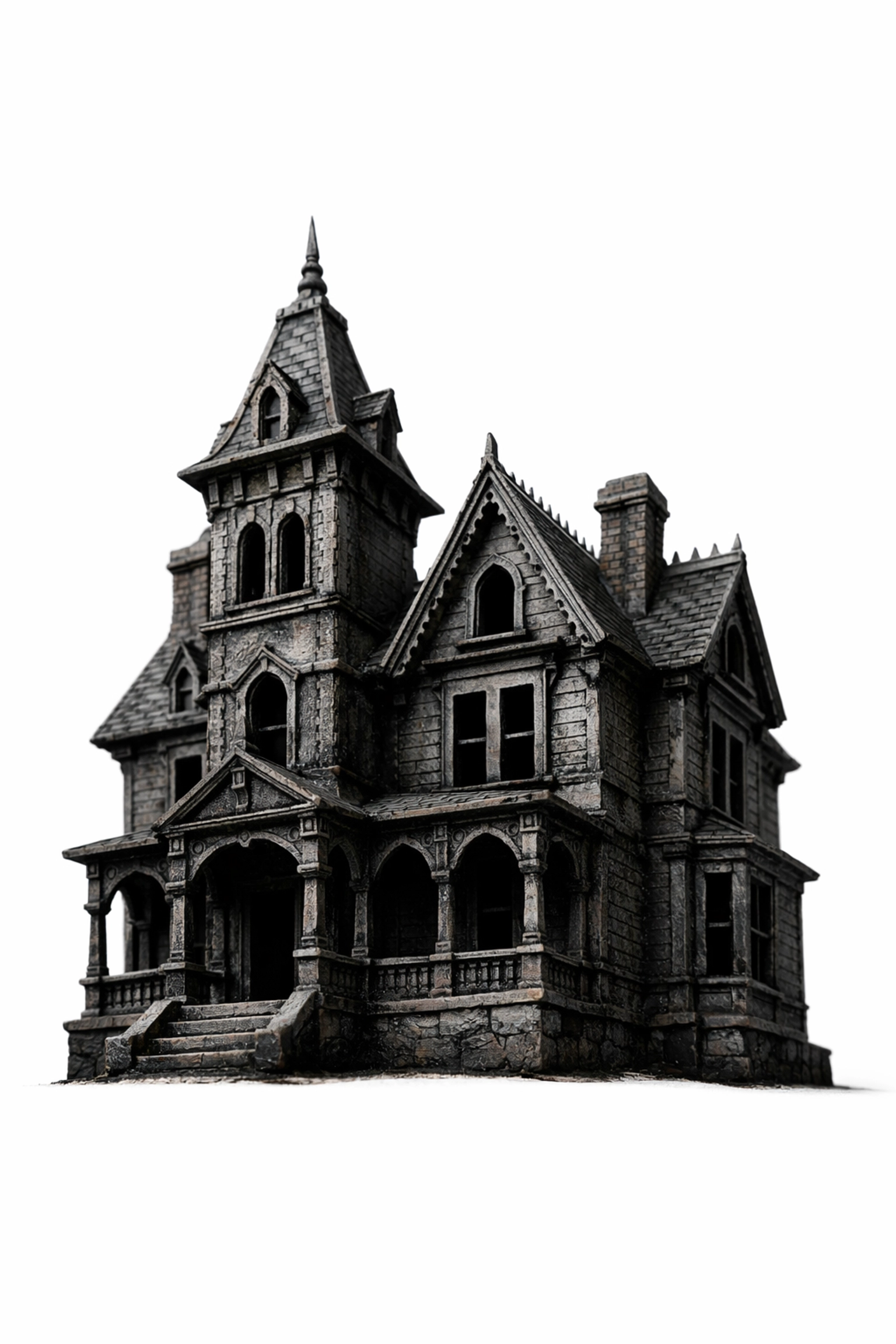
Ten strangers are lured to an isolated island under various pretexts. One by one, they begin to die. Christie builds the tension so efficiently that putting the book down requires a physical act of will. This is the most commercially successful mystery novel ever written, and that isn’t due to marketing | it is because the puzzle is constructed perfectly and the pages turn themselves. If you have tried literary fiction and bounced off it, try this instead. It is genre fiction at its most precise and lethal.
The Alchemist by Paulo Coelho | 163 pages [FABLE]
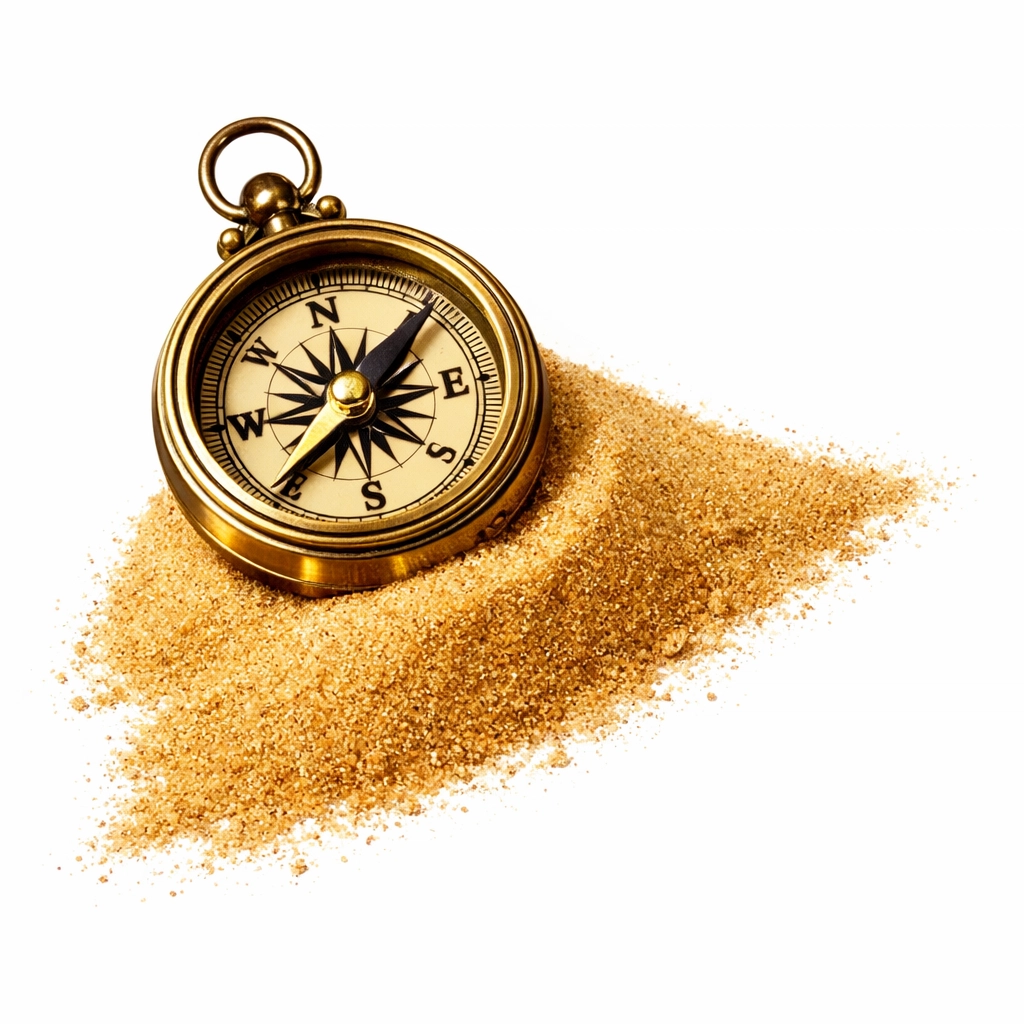
A young shepherd follows a dream across the Sahara Desert. Coelho strips out everything that usually makes fiction feel slow: there is no dense description, no slow-burn character study, and no scenes that don’t earn their place. The story moves with momentum from the very first page. With over 65 million copies in print, this book has worked for millions of people who previously thought they weren’t “readers.” You can finish it in a single afternoon.
Of Mice and Men by John Steinbeck | 112 pages [CLASSIC]
Two itinerant workers in Depression-era California | one sharp, one simple | share a dream of owning their own land. At just 112 pages, it is closer to a short read than a traditional novel. Steinbeck writes in plain, direct prose that never gets in its own way. This is the classic that most often converts people who think they hate the classics. The ending lands with a heavy emotional punch that you won’t forget.
Convenience Store Woman by Sayaka Murata | 163 pages [CONTEMPORARY FICTION]
Keiko Furukura has worked in the same convenience store for eighteen years. She loves the fluorescent lights, the repetitive sounds, and the manual of rules. The rest of the world thinks she’s a failure, but she doesn’t care. Murata’s prose is clean, deadpan, and incredibly easy to follow. There are no long passages to wade through and no dense metaphors. It is a very precise story told very efficiently.
The No. 1 Ladies’ Detective Agency by Alexander McCall Smith | 226 pages [COZY FICTION]
Precious Ramotswe sets up Botswana’s first female detective agency. The cases she takes on are rarely about violent crime: they are about people, relationships, and the community. McCall Smith writes with genuine warmth, and nothing bad happens that the book doesn’t eventually find a way through. This is the perfect choice for people who find most modern fiction too dark or too demanding. It asks very little of you and gives a lot back in return.
Murder at the Manor by CT Mitchell | ~200 pages [COZY MYSTERY]
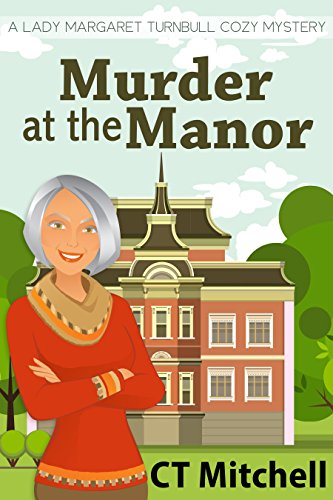
An English country house weekend, a murdered host, and a small group of guests who all have reasons to lie. Mitchell keeps the chapters short and the prose clean. It is the kind of book that makes the “just one more chapter” lie very easy to justify to yourself. It is a natural companion to Agatha Christie for readers who want something contained and satisfying to finish.
Man’s Search for Meaning by Viktor Frankl | 154 pages [MEMOIR / PHILOSOPHY]
Viktor Frankl was a psychiatrist who survived four different Nazi concentration camps. He wrote this book to explain what that experience revealed about the human condition and the internal strength that allows people to endure the unthinkable. The first half is a direct, unflinching memoir. The second half explains the philosophy he derived from it. If you find fiction hard to care about, this true story will deliver the weight you’re looking for.
We Should All Be Feminists by Chimamanda Ngozi Adichie | 64 pages [ESSAY]
At only 64 pages, this is more of a manifesto than a book. Adichie offers a clear, modern definition of feminism and explains why the word has been distorted. It is written with the clarity of someone who has spent years making this argument in rooms that didn’t want to hear it. You can read it in under an hour, making it one of the most accessible pieces of non-fiction published in the last twenty years.
If you are still not sure where to start, answering these three questions will usually narrow the field:
The real surprise? Most people who consider themselves “non-readers” are simply following too many invisible rules. To find your way back to books, you need to break a few of them.
The 50-page rule
If a book hasn’t earned your attention by page 50, put it down. Do not feel guilty. Life is too short to spend on prose that isn’t working for you. Abandoning a book that isn’t a good fit is not a failure: it is good editorial judgment. You wouldn’t finish a movie you hated or a meal that tasted like cardboard, so don’t do it with a book.
Audiobooks are real books
If sitting still and looking at text feels like work, try an audiobook. Every title on this list has an audio edition. Listening to a story while you commute, cook, or exercise is still reading. Your brain processes the narrative and the information the same way. Anyone who tells you audiobooks don’t “count” is wrong.
Start shorter than you think you need to
You might think you should be reading the latest 800-page bestseller everyone is talking about, but that is a trap. Start with a novella or a short read. Finishing a 100-page book provides a sense of accomplishment that a half-finished 400-page book never will. That feeling of completion is what actually builds a habit.
If you found something on this page that worked for you, these are the best places to continue your journey:
The right book exists for everyone. The only question is finding the one that speaks your language. That is exactly what we do here at The Short Reads. Choose one, start tonight, and see if your “hate” for reading was really just a misunderstanding.