Here’s a surprising fact: crime fiction accounts for roughly one-third of all fiction sales worldwide, yet most new readers feel completely overwhelmed when they walk into a bookshop’s mystery section. Sound familiar?
You’ve heard people throw around terms like “cozy mysteries,” “noir,” and “psychological thrillers” like everyone should just know what they mean. Meanwhile, you’re staring at an entire wall of crime fiction wondering where on earth to start.
Good news: understanding the mystery genre is actually easier than solving an Agatha Christie plot. This guide breaks it all down so you can confidently find YOUR perfect mystery match: no detective skills required.
Let’s start simple. The mystery genre definition centres on one core concept: stories focused on solving a crime or puzzle.
That’s it. Everything else builds from there.
Every mystery, regardless of subgenre, typically contains these essential elements:
The real magic? You’re solving alongside the characters. Your brain is actively hunting for clues, questioning suspects, and piecing together the puzzle. That’s why mysteries are so addictive: our brains are literally wired to love puzzles and the satisfaction of closure.
The genre took shape in the mid-19th century, with Edgar Allan Poe credited as a pioneer through “The Murders in the Rue Morgue.” Since then, iconic authors like Agatha Christie and Sir Arthur Conan Doyle have shaped crime fiction into the beloved genre it is today.
Here’s where beginners often get lost. Crime fiction isn’t one thing: it’s a whole family of reading experiences. Understanding these subgenres is your shortcut to finding books you’ll actually love.
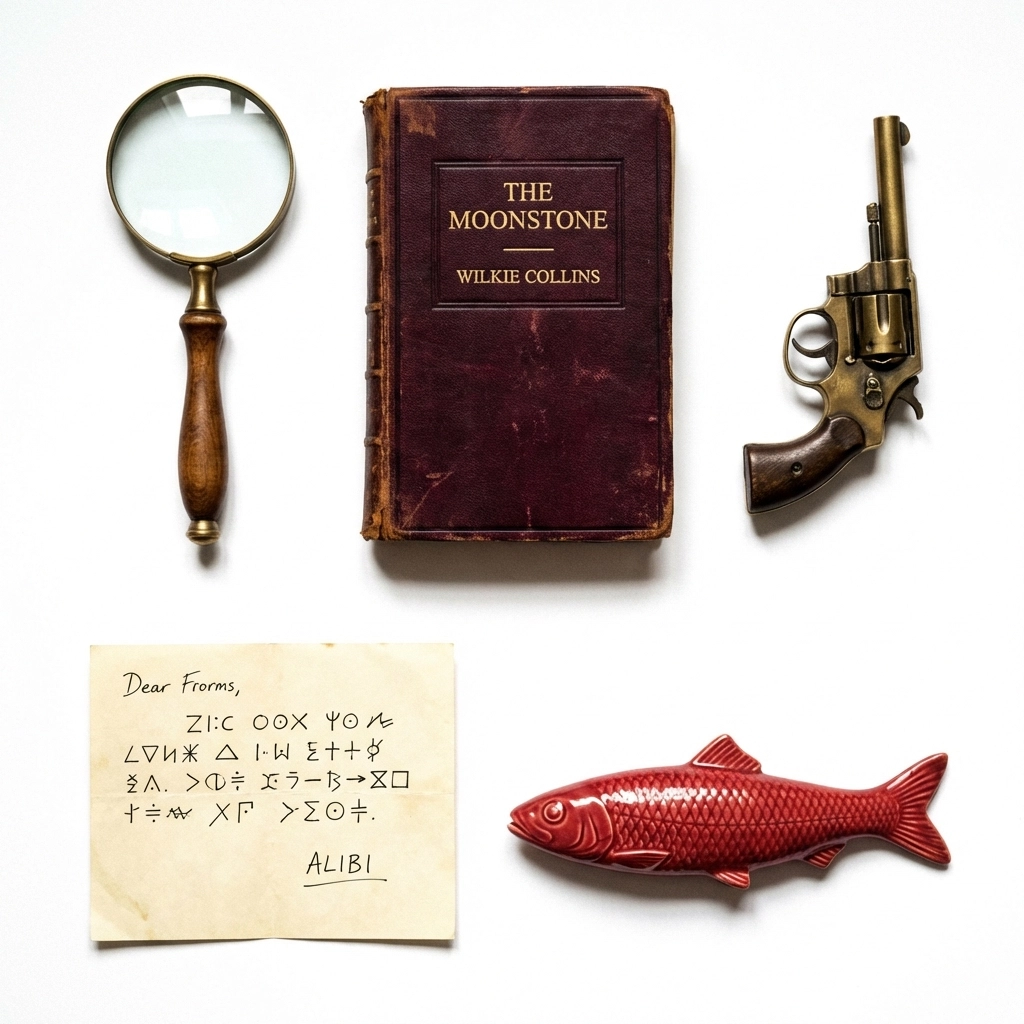
What they are: Light-hearted, low-violence mysteries featuring amateur sleuths solving crimes through intellect rather than action.
The vibe: Think small towns, bookshops, bakeries, and tea rooms. Violence happens off-page. The focus is on puzzle-solving and charming characters.
Famous examples: Agatha Christie’s Miss Marple series
Perfect for: Beginners who want comfort and puzzle-solving without gore. If you enjoy gentle reads but love a good mystery, start here.
Try this: C.T. Mitchell’s Lady Margaret Turnbull series offers quick cozy mysteries you can finish in one sitting.
What they are: Traditional puzzle mysteries laser-focused on the central question: “Who did it?”
The vibe: Often set in closed environments: country houses, trains, remote islands. Intellectual, methodical, and fair play (all clues are given to you).
Famous examples: Agatha Christie’s Hercule Poirot novels
Perfect for: Logic lovers and puzzle enthusiasts who want to outsmart the detective.
What they are: Realistic crime fiction following law enforcement through authentic investigation methods.
The vibe: Urban, gritty, fast-paced. Focus on teamwork, forensics, and the procedural process of catching criminals.
Famous examples: Michael Connelly, Ian Rankin
Perfect for: Fans of Law & Order who appreciate gritty realism and action.
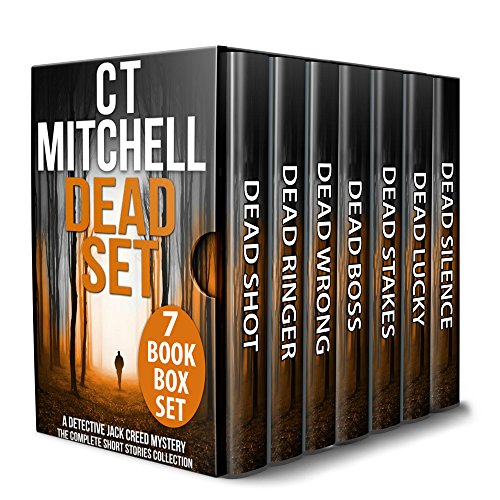
Try this: C.T. Mitchell’s Detective Jack Creed series delivers Australian crime procedurals in under 150 pages: perfect for testing if this subgenre clicks for you.
What they are: Character-driven mysteries focusing on minds, motivations, and unreliable narrators.
The vibe: Atmospheric, tense, twist-heavy. Often set in domestic or everyday settings that become unsettling.
Famous examples: Gone Girl, The Girl on the Train
Perfect for: Readers who crave shocking twists and psychological depth. For more on this subgenre, explore our guide to psychological thriller themes.
Try this: C.T. Mitchell’s Selena Sharma series offers psychological suspense in accessible, fast-paced novellas.
What they are: Mysteries set in past eras, usually pre-1960s, where historical context shapes the investigation.
The vibe: Atmospheric, elegant, often educational. Period-accurate settings add richness to the mystery.
Famous examples: Ellis Peters’ Cadfael series, Anne Perry
Perfect for: History buffs and Downton Abbey fans who love immersive period settings.
What they are: Dark, cynical detective stories featuring morally grey heroes navigating shadowy underworlds.
The vibe: Urban, seedy, nighttime. Pessimistic worldview, flawed detectives, moral ambiguity.
Famous examples: Raymond Chandler, Dashiell Hammett
Perfect for: Readers who appreciate dark, complex antiheroes and atmospheric tension.
Once you understand these common elements, you’ll spot them everywhere: and that’s half the fun:
| Trope | What It Means |
|---|---|
| Locked Room Mystery | Crime occurs where escape seems impossible |
| Red Herrings | False clues designed to mislead you |
| Unreliable Narrator | The storyteller might be lying or confused |
| The Least Likely Suspect | Often the culprit hides in plain sight |
| Chekhov’s Gun | Every detail mentioned will matter later |
Understanding these tropes doesn’t spoil mysteries: it makes reading them more fun. You’ll start noticing the author’s craft while still enjoying the ride. For deeper exploration, check out our mystery fiction terminology guide.
Still unsure where to start? Answer these quick questions:
Do you want violence on-page or off-page?
Prefer cozy comfort or gritty realism?
Love puzzles or character psychology?
Historical settings or modern day?

Pro tip: Start with SHORT mysteries under 150 pages. You’ll quickly discover what you love without committing to 600-page epics.
You might think jumping into crime fiction is straightforward. The real surprise? Most beginners sabotage their own enjoyment:
The fix: Start short, try different subgenres, and focus on finishing. Completion builds confidence and helps you identify what actually resonates.
Here’s the strategic advantage most new readers miss: novellas let you sample the entire mystery genre quickly.
Under 150 pages means:
This is exactly why The Short Reads approach works so brilliantly for genre exploration.
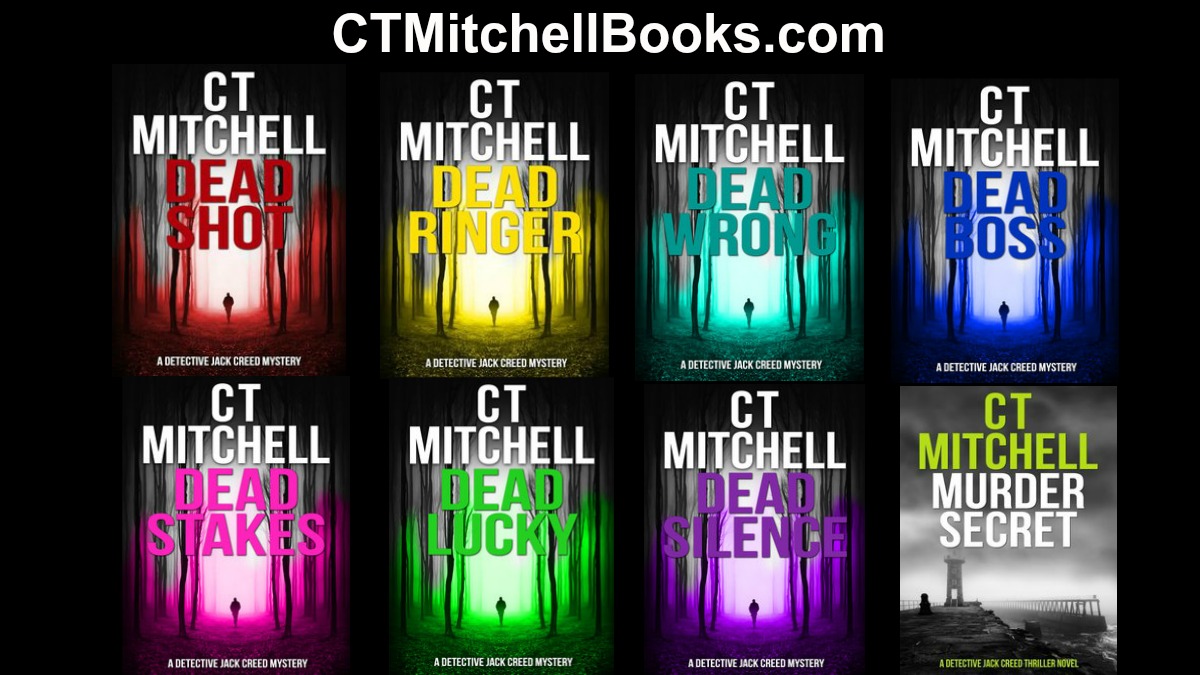
C.T. Mitchell’s three series offer the perfect beginner’s toolkit:
Ready to master crime fiction? Here’s your four-week experiment:
Week 1: Try a cozy mystery (low stakes, high comfort)
Week 2: Read a crime thriller (test your tolerance for grit)
Week 3: Explore psychological mystery (discover if you love twists)
Week 4: Pick your favourite subgenre and read two more
By month two, you’ll know exactly what you love. The Short Reads catalogue makes this experiment easy: every novella is under 150 pages, so you can move quickly through subgenres without getting stuck.
The mystery genre isn’t intimidating once you understand the map. There’s genuinely a subgenre for everyone: whether you crave cozy comfort, gritty realism, or mind-bending psychological twists.
Starting short isn’t a shortcut: it’s the smart strategy for mastering crime fiction. You don’t need to read 500-page thrillers to be a “real” mystery fan.
Pick a subgenre that sounds appealing, download a Short Read, and start your mystery journey tonight. Your next favourite genre is waiting.
Share



Over 60 percent of busy readers say they are drawn to stories that keep them hooked without eating up their entire weekend. Mystery fiction stands out because it offers suspenseful escapes in every format, from quick novellas to intricate detective sagas. Whether you want a fast-paced adventure or an immersive puzzle to solve, there is a perfect mystery waiting for you. Discover practical ways to enjoy gripping mysteries that fit your lifestyle and reading taste.
| Takeaway | Explanation |
|---|---|
| 1. Choose Short Mysteries for Quick Reads | Short novellas under 300 pages can be read in one weekend, offering thrilling entertainment in less time. |
| 2. Explore Different Mystery Subgenres | Discover variations like cozy, action, and detective stories to match your reading preferences and interests. |
| 3. Use Online Resources for Easy Access | Platforms like OverDrive and Project Gutenberg allow borrowing or accessing a wide variety of mystery novels digitally. |
| 4. Join Book Clubs for Enhanced Experiences | Participate in book clubs to share insights and discover new authors, enriching your mystery reading journey. |
| 5. Seek Personalized Recommendations | Engage with fellow readers online or in person for tailored mystery book suggestions based on specific interests. |
Want to dive into mystery fiction without committing weeks to a massive novel? Short mystery novellas are your perfect solution. These compact stories pack intense narratives and gripping plots into manageable page counts, making them ideal for busy readers seeking thrilling entertainment.
According to Bustle, there are excellent mystery novels under 300 pages that can be devoured in a single weekend. Books like “The Other Side of Everything” by Lauren Doyle Owens and “The Chalk Man” by C.J. Tudor demonstrate how short novels can deliver complex storytelling without demanding excessive time.
Why choose short mystery novellas? They offer several compelling advantages:
To get started, look for novellas around 200 to 300 pages with strong narrative hooks. Check online recommendation lists, bookstore mystery sections, or top picks from TheShortReads.com for curated suggestions that match your interests.
Pro tip: Start with award-winning or critically acclaimed shorter mystery novels to ensure high quality storytelling. Your weekend reading just got a lot more exciting.
Mystery fiction is not a one-size-fits-all genre. Different subgenres offer unique reading experiences tailored to your specific interests and preferences. From high-octane action stories to charming small-town mysteries, understanding these categories can help you find exactly the reading adventure you crave.
According to Wikipedia, detective fiction encompasses a rich landscape of narrative styles and storytelling approaches. This genre offers readers multiple entry points into mysterious worlds with varying levels of complexity and excitement.
Subgenres to Explore:
To find your perfect mystery subgenre, experiment with different styles. Visit local bookstores, browse mystery fiction types for learners, and read sample chapters. Pay attention to the narrative style, pacing, and character dynamics that most appeal to you.
Pro tip: Start with shorter novels in each subgenre to quickly determine your preferred mystery style without investing too much time. Your perfect mystery adventure awaits.
Modern technology has transformed how we discover and consume mystery fiction. Online platforms provide unprecedented access to thousands of mystery novels without leaving your home, making reading more convenient than ever before.
OverDrive offers an incredible solution for readers by partnering with libraries worldwide. This digital platform allows you to borrow ebooks and audiobooks through your local library membership, giving you instant access to a vast selection of mystery novels right from your digital device.
Digital Reading Resources:
Project Gutenberg provides an exceptional resource for readers interested in classic mystery fiction. Their collection includes complete works by legendary authors like Arthur Conan Doyle, offering free digital downloads of entire Sherlock Holmes series and other timeless mystery novels.
To get started, download these apps on your smartphone or tablet. Create accounts with your local library credentials or explore free platforms. Pro tip: Many libraries offer digital memberships that provide free access to extensive mystery fiction collections.
If you are looking to dive into mystery fiction that resonates with male readers, focusing on books with compelling male protagonists can transform your reading experience. Strong male leads offer unique perspectives and engaging narratives that capture complex character dynamics.
Take the Nameless Detective series by Bill Pronzini, which Wikipedia highlights as a prime example of a gripping male investigative narrative. Set in San Francisco, this long running series showcases a private investigator navigating intricate mystery landscapes with depth and authenticity.
What Makes a Strong Male Lead:
Contemporary mysteries like Richard Osman’s “The Man Who Died Twice”) demonstrate how modern male protagonists can be multidimensional. The novel features a former MI6 agent entangled in an intricate case involving stolen diamonds and international criminal networks, showcasing intelligence and strategic thinking.
To find your ideal mystery novel, explore book reviews, ask for recommendations at local bookstores, and sample different series. Focus on protagonists that intrigue you beyond surface level action.
Book clubs offer more than just reading recommendations. They provide a dynamic social environment where mystery fiction enthusiasts can dive deep into complex narratives, share insights, and expand their literary horizons.
Benefits of Mystery Fiction Book Clubs:
Whether online or in person, book clubs create opportunities to explore mystery fiction from multiple perspectives. You will encounter diverse interpretations of storylines, character motivations, and narrative techniques that enhance your reading experience.
To get started, explore local library book clubs, online reading platforms like Goodreads, or community centers that host genre specific groups. Check out our shop for potential mystery fiction recommendations you can suggest to your book club.
Pro tip: Look for book clubs specifically focused on mystery or thriller genres to ensure more targeted and engaging discussions. Your next great reading adventure might just begin with a group conversation.
Not all mystery readers want complex literary puzzles. For those seeking quick entertainment, fast-paced plots with straightforward narratives can provide an exciting reading experience without demanding excessive mental energy.
Wikipedia highlights Rex Stout’s ‘Trouble in Triplicate’ as a prime example of concise storytelling. This collection of Nero Wolfe novellas demonstrates how compelling mysteries can unfold rapidly, keeping readers engaged through streamlined narratives.
Characteristics of Fast-Paced Mystery Novels:
Modern readers appreciate stories that respect their time. Short reads from our recommended list offer perfect alternatives for busy individuals wanting engaging mysteries without lengthy commitments.
Pro tip: Look for novellas or short mystery collections that promise direct storytelling. Authors like Rex Stout excel at creating intricate yet accessible stories that unfold quickly and maintain high entertainment value.
Some of the best mystery fiction discoveries happen through conversations with passionate readers who live and breathe the genre. Fellow enthusiasts can offer personalized recommendations that algorithms and generic lists simply cannot match.
LibraryThing hosts incredible online communities like the Mystery Lovers group where dedicated fans share their most compelling reads. These platforms provide interactive spaces where you can dive deep into nuanced book discussions and uncover hidden literary gems.
Ways to Connect with Mystery Fiction Enthusiasts:
For more curated suggestions, explore mystery fiction short stories that can quickly introduce you to new authors and styles. Many mystery lovers are eager to share their favorite reads and can help you navigate the vast world of detective and thriller narratives.
Pro tip: Always ask specific questions about plot styles, pacing, and character development when seeking recommendations. The more details you provide about your reading preferences, the more targeted the suggestions will be.
This table summarizes key strategies and benefits of engaging with mystery fiction through various formats and methods discussed in the article.
| Topic | Description | Benefits |
|---|---|---|
| Short Mystery Novellas | Compact stories with intense narratives; examples include “The Other Side of Everything” and “The Chalk Man”. | Quick reads, efficient storytelling, ideal for busy readers. |
| Explore Genres | Includes cozy, action, and detective stories; each offers unique reading experiences. | Tailored reading adventures, exposure to various storytelling styles. |
| Online Platforms | Access thousands of mystery novels via digital resources like OverDrive, Project Gutenberg, and Kindle Unlimited. | Convenient access, vast selection, borrow books digitally. |
| Strong Male Leads | Focus on books with compelling male protagonists, such as the “Nameless Detective” series. | Engaging narratives, complex characters, unique perspectives. |
| Book Clubs | Join groups for shared reading experiences and discussions. | Discover new authors, gain deeper understanding, social connection. |
| Fast-Paced Plots | Choose books with straightforward narratives; examples like Rex Stout’s “Trouble in Triplicate”. | Quick entertainment, minimal mental energy required. |
| Recommendations | Connect with mystery fiction enthusiasts for personalized suggestions. | Discover hidden gems, targeted reading based on preferences. |
If you are looking to overcome the challenge of finding engaging mystery fiction tailored just for men you are not alone. Many readers struggle with picking the right subgenre or finding books with strong male leads that fit their busy lifestyles. This article highlighted key goals like choosing short mystery novellas for quick reads exploring cozy or action-packed styles and engaging with communities for personalized recommendations. At TheShortReads.com we understand how important it is to connect you with fast paced mysteries or thoughtful detective stories that fit your unique taste and time constraints.
Explore our collection of mystery fiction short reads where you will find handpicked cozy mysteries and action thriller novellas designed to deliver suspense and satisfaction in a minimum amount of time. Whether you want to dive into psychological thrillers or gripping murder mystery novellas find exactly what you need to jumpstart your next reading adventure. Join fellow fans who get the perfect blend of storytelling and pacing without the wait.
Ready to uncover your next favorite mystery? Start browsing now and take advantage of expertly curated short reads that respect your time and excite your imagination.

Unlock thrilling mysteries crafted for busy readers. Visit TheShortReads.com and choose your next captivating read today.
Short mystery novellas are great for busy readers looking for quick, engaging stories. Look for novellas around 200 to 300 pages, especially from award-winning authors, and consider checking online recommendations or curated lists for tailored options.
To explore mystery fiction subgenres, read sample chapters from action mysteries, cozy mysteries, and detective stories. Experiment with different styles to see which ones resonate with you, and start with shorter novels to gauge your interest without a long-term commitment.
Joining a mystery fiction book club allows you to deepen your understanding of stories and characters while connecting with fellow enthusiasts. To get started, seek out local meets or online groups focused on mystery genres to enhance your reading experience and discover new titles.
Connect with other mystery fiction enthusiasts through online reading communities, social media groups, or local library events. Engage in discussions and ask specific questions about mystery novels to receive tailored recommendations that match your interests.
When selecting mystery books with strong male leads, focus on characters with complex psychological depth and relatable moral dilemmas. Look for novels that showcase character development and situational challenges, which will enhance your reading experience.
To find fast-paced mystery novels, look for books that feature concise storytelling and linear plots. Seek out novellas or collections that promise quick reads, ensuring you can enjoy engaging narratives without lengthy commitments.