Every great american short read starts with a magnetic idea and a clear sense of who will care most. The difference between a story that readers remember and one they skip often comes down to this first choice. Over 60 percent of successful short stories share a strong connection between their core hook and the intended audience. Knowing how to identify your story’s driving force and the people most likely to connect with it will help your writing stand out in a crowded market.
| Main Takeaway | Explanation |
|---|---|
| 1. Identify your story’s core hook | Determine the unique elements that captivate readers, ensuring a strong narrative foundation. |
| 2. Create a fast-paced plot structure | Outline key events to maintain reader engagement throughout the story without unnecessary detours. |
| 3. Develop authentic characters and motivations | Craft complex characters with distinct traits and internal contradictions for deeper reader immersion. |
| 4. Refine language for clarity and impact | Use concise and vivid language that enhances emotional resonance, eliminating unnecessary words. |
| 5. Test story flow with real readers | Gather feedback from your target audience to identify strengths and weaknesses, refining your narrative before release. |
Successfully creating compelling short reads begins with understanding your story’s magnetic core and the readers who will be most drawn to it. This crucial first step determines whether your narrative will capture attention or fade into the background.
To identify your story’s core hook, start by examining the central premise that makes your narrative unique. Ask yourself what unexpected twist, emotional tension, or intriguing character dynamic will make readers lean in and want more. A powerful hook isn’t just about plot twists it’s about creating an immediate connection that feels both surprising and inevitable.
Your target audience emerges from this hook understand who would be most fascinated by your narrative world. Crafting relatable characters and context early helps establish this connection. Are your potential readers mystery enthusiasts craving psychological depth? Action lovers seeking rapid plot progression? Romance readers wanting intense emotional landscapes? Pinpoint the specific reader demographic that will resonate most with your storytelling approach.
One pro tip write a single sentence that captures your story’s essence from your target audience’s perspective. This exercise helps crystallize your narrative’s most compelling elements and ensures you stay focused on delivering precisely what your ideal readers want.
Transforming your short read into a page-turner requires strategic plot development that keeps readers riveted from the first sentence to the last. Your goal is to create a narrative that moves quickly while maintaining depth and emotional resonance.
Creating a brief outline of events helps structure your story effectively. Map out key character interactions and critical moments that drive the narrative forward. Choose a point of view that maximizes tension and reader engagement. Some writers prefer a linear approach that builds momentum steadily while others experiment with nonlinear narratives that challenge reader expectations.
Utilizing techniques like echoing an emblem can dramatically enhance your story’s impact. This means introducing a powerful image or statement early and then repeating it with subtle variations throughout the narrative. Such techniques create a sense of cohesion and build psychological depth. Additionally weaving in a subtle subplot can add complexity without overwhelming the main storyline helping you maintain reader interest across a compact narrative space.
One critical tip select only the most essential plot points. In short reads every sentence must earn its place. Eliminate any scene or dialogue that does not directly propel character development or advance the central conflict. Your readers should feel like they are experiencing an intense, concentrated narrative journey with zero unnecessary detours.
Crafting memorable characters is the heartbeat of any compelling short read. Your goal is to create protagonists and supporting characters who feel so authentic that readers forget they are reading fiction and become fully immersed in their world.
Endowing the protagonist with a specific personality is essential for writing an engaging story. Think beyond generic character descriptions and dive deep into their unique psychological landscape. What drives them? What hidden fears or unspoken desires motivate their actions? Every character should have internal contradictions that make them feel human complicated and unpredictable.

Dynamic plot state tracking helps maintain character consistency while allowing for meaningful character evolution. This means ensuring that your characters responses and decisions flow naturally from their established personality traits and backstory. A timid character suddenly becoming fearlessly heroic without proper setup will feel jarring to readers. Instead create incremental character growth that feels organic and believable.
One critical tip imagine your characters having conversations when you are not writing them. What would they discuss? How would they interact in moments unseen by readers? This mental exercise helps you understand their inner world beyond the immediate narrative and creates depth that readers can sense even in brief interactions.
Mastering the art of language refinement transforms your short read from ordinary to extraordinary. Your words are the paintbrush that will create vivid mental landscapes and emotional experiences for your readers.
Employing clear and concise language dramatically enhances the readability of your story. Every word must earn its place on the page. Eliminate unnecessary adverbs bloated descriptions and redundant phrases that dilute your narrative power. Think of your prose like a precise surgical instrument cutting directly to the emotional core of your story.
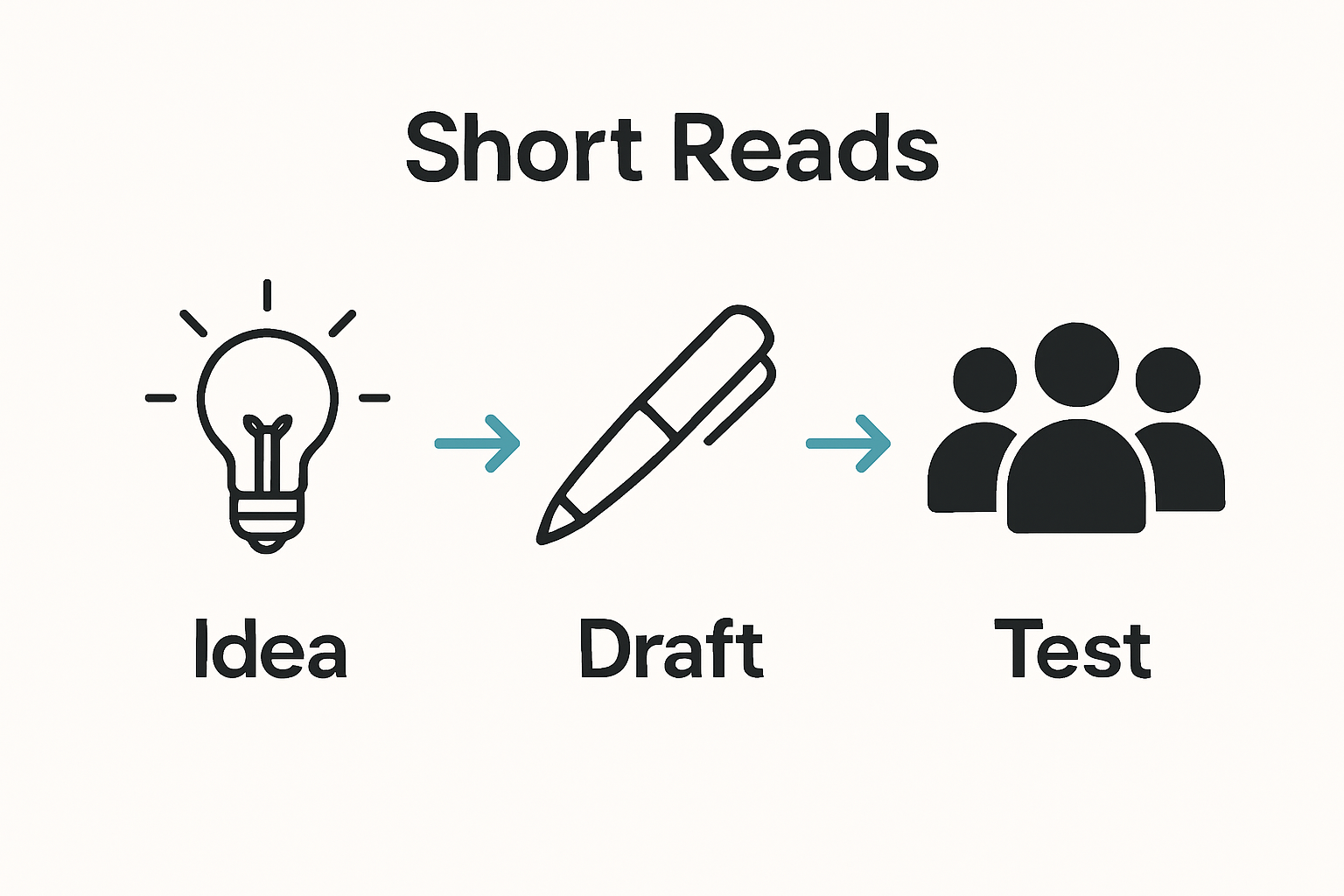
Capturing essential story events through structured language helps maintain a consistent logical flow. This means constructing sentences that are not just grammatically correct but strategically designed to propel your narrative forward. Each sentence should reveal character motivate action or illuminate some deeper truth about your fictional world. Imagine your words as building blocks that construct a complex emotional architecture readers can inhabit.
One critical tip read your work aloud. Your ears will catch awkward phrasings repetitive structures and moments where the language feels forced or unnatural. This technique helps you hear the rhythm of your prose and identify areas that need surgical precision in editing.
Validating your short read requires more than personal confidence. You need honest external perspectives that can reveal hidden narrative strengths and potential weaknesses before your story reaches a broader audience.
Detailed planning and control in story generation can be effectively evaluated through targeted human preference assessments. Seek out readers who represent your intended audience demographic. Choose individuals who will provide candid feedback rather than simply offer polite encouragement. Create a small focus group of 3 to 5 readers who can offer nuanced insights into your narrative structure character development and overall engagement.
Leveraging human preference evaluations helps produce more coherent and immersive narratives. Prepare specific questions that guide their feedback. Ask about moments where they felt most engaged or disconnected. Request they mark sections where the pacing feels uneven or where character motivations seem unclear. Pay attention not just to what they say but to their emotional reactions their reading pace and the points where they seem most absorbed or distracted.
One critical tip create a feedback form with both structured questions and open ended responses. This approach captures quantitative data about your story while leaving room for unexpected insights. The most valuable feedback often comes from comments you never anticipated.
Struggling to craft short stories that truly captivate readers Understand how identifying your story’s core hook and developing fast-paced plots can transform your narrative experience. If creating distinctive characters and refining language feels overwhelming discover stories where these elements come alive effortlessly. Our collection of mystery fiction short reads and cozy mystery short reads is designed to deliver immersive storytelling that grips your attention from the first sentence.

Ready to dive into short reads that embody clarity, emotional depth, and engaging plots Explore The Weekend Mystery Bundle now and experience how expertly crafted novellas can inspire your own writing journey. Don’t wait to transform your storytelling skills by reading works that truly resonate with readers like you. Start reading today and master the art of creating compelling short reads!
To identify the core hook of your story, focus on the unique premise that makes it stand out. Analyze the unexpected twists, emotional tensions, or intriguing character dynamics that would captivate your target audience. Write a sentence that encapsulates your story’s essence to clarify its most compelling elements.
An effective structure for a fast-paced short read involves outlining key events and character interactions that drive the narrative. Map out the main plot points, choose a suitable point of view, and utilize techniques like echoing to enhance coherence. Ensure that every sentence advances the plot or develops characters to maintain reader engagement.
To create distinctive characters, delve into their personalities and internal conflicts, making them relatable and complex. Consider their fears, desires, and contradictions to give depth. Engage in mental exercises by imagining conversations between your characters when you’re not writing to better understand their inner worlds.
Refining language for clarity involves using clear and concise wording while eliminating unnecessary descriptions and filler words. Each sentence should serve a purpose, revealing character, motivating action, or exploring deeper truths. Read your work aloud to catch awkward phrases and maintain a natural rhythm in your prose.
To test your short read, gather a small focus group of readers who represent your target audience. Provide them with specific questions about their engagement and any moments of disconnection. Collect feedback through a structured form with both quantitative and open-ended questions to gain insights into your narrative strengths and weaknesses.