
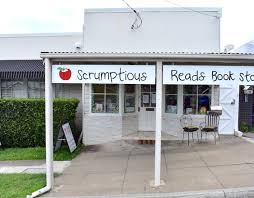
Let me tell you why your favorite independent bookstore closure just happened and others like Mary Ryans, Scrumptious Reads, Books at Stones and more could face a dim future if they don’t get their marketing chops together. (mentioned bookstores are to highlight their independent status not their financial viablity)
It wasn’t Amazon. It wasn’t e-books. It wasn’t Netflix or TikTok or the “death of reading.”
It was because the owner spent their last dollar on a display of books nobody asked for, from publishers who didn’t care, for readers who never showed up. And they stocked ‘dumb shit’ titles to appease minority groups of the left that never buy!
Meanwhile, there are 60 authors within 20 miles of that shuttered bookstore—professional, hungry, with engaged audiences—who would’ve moved heaven and earth to fill those empty chairs at readings nobody attended.
But the bookstore never called them. Because they weren’t “real” authors. Because they didn’t have a Random House logo on their spine. Because the bookstore owner was too busy cosplaying as a cultural gatekeeper to actually run a profitable business.
And now they’re gone.
Here’s what makes this tragedy so infuriating: it was completely preventable. The solution isn’t complicated. It doesn’t require venture capital or a complete business pivot or divine intervention.
It just requires bookstore owners to pull their heads out of the 20th century and recognize that the most valuable marketing asset in publishing isn’t sitting in Manhattan boardrooms—it’s sitting in the email inboxes of indie authors they’ve been ignoring.

Professional indie authors—and I’m talking about the ones who’ve built actual businesses, not hobbyists with Canva covers—are the hardest-working people in publishing.
They have to be.
No marketing department is handling their social media. No publicist is booking their events. No sales team is pitching their books to bookstores. Every reader they reach, every book they sell, every review they earn—they hustled for it themselves.
This creates a specific type of author: entrepreneurial, marketing-savvy, and absolutely ravenous for opportunities traditional authors take for granted.
A traditionally published author shows up to a bookstore event because their publisher told them to. Whether five people attend or fifty, it doesn’t really impact their paycheck. The publisher got the placement. The author did their contractual obligation. Everyone goes home.
An indie author? Every single person who shows up is a potential lifelong fan. Every book sold is direct income. Every social media tag is marketing gold they can’t buy at any price.
The motivation gap isn’t subtle—it’s a chasm.
When a bookstore stocks an indie author’s work, they’re not just another retail account. They’re often the first physical retailer that believed in them. They’re the legitimacy boost that opens other doors. They’re the community connection the author has been desperately seeking.
That gratitude translates into work ethic that would make traditionally published authors look lazy by comparison.
Here’s where most bookstores screw up events: they’re designed for people who don’t exist anymore.
Thursday night, 7 PM, a 45-minute reading followed by Q&A and signing. Perfect if your target demographic is retirees and the chronically unemployed. Terrible if you want working professionals with disposable income.
Nobody has time for that.
But you know what people do have time for? A 20-30 minute event during their lunch break or right after work.
Picture this: Monday through Friday, 12:15-12:45 PM. A different indie author each day does a quick reading, answers a few questions, signs books. Office workers grab lunch, swing by for 30 minutes of entertainment, buy a book, back to work by 1 PM.
Or run them at 5:15 PM—catch the after-work crowd before they head home. Quick, punchy, respectful of people’s time. Nobody’s committing their entire evening. Nobody’s arranging childcare. Nobody’s skipping dinner.
The logistics are dead simple. The time investment is minimal. The barrier to attendance basically disappears.
And indie authors? They’ll jump at these slots. They’ll rearrange their schedules. They’ll promote the hell out of it. They’ll make it work because they understand that every opportunity to connect with readers face-to-face is precious.
Try getting a traditionally published author to show up for a Tuesday lunch reading. Good luck.
Here’s the nuclear weapon in the indie author arsenal that bookstores completely ignore: mailing lists.
Every professional indie author has one. It’s their most valuable asset—a direct line to hundreds or thousands of readers who’ve literally raised their hands and said “I want to hear from you.”
These aren’t passive Instagram followers who scroll past posts. These are engaged readers who open emails, click links, and buy books.
Now watch what happens when you do the math.
Partner with 60 indie authors over a year. Just one or two short events per week. Each author has a modest mailing list of 1,000 subscribers. Even if only 5% of those readers show up to the event, that’s 50 people per reading.
Fifty targeted, book-buying customers who might never have discovered your store otherwise.
Fifty people who aren’t just browsing—they came with intent. They’re fans of the author, which means they’re readers. Real readers. The kind who buy multiple books per visit. The kind who bring friends. The kind who become regulars.
Do this 60 times over 12 months and you’ve driven 3,000 new potential customers through your doors.
Three thousand people you didn’t pay to reach. Three thousand readers who arrived because an author they trust personally invited them. Three thousand opportunities to convert one-time visitors into lifetime customers.
Compare this to any traditional marketing channel and try not to laugh. A local newspaper ad costs $500+ and reaches mostly non-readers. Facebook ads might generate clicks but good luck targeting “people who actually buy physical books in your specific geographic area.” Radio spots? You’re subsidizing someone’s commute while they ignore you.
But an author emailing their list saying “I’m reading at [Your Bookstore] Tuesday at lunch—come say hi and I’ll sign your book”? That’s targeted. That’s conversion-ready. That’s people who are already convinced they want to be there.
And it costs you absolutely nothing.
Most bookstores treat social media like a chore. Post a stack of new arrivals once a week. Share someone else’s book review. Wonder why engagement is nonexistent.
Meanwhile, indie authors are running sophisticated multi-platform campaigns that would make marketing agencies jealous.
They’re creating countdown content. Behind-the-scenes videos. Teaser quotes from their reading. Local landmarks and why this community matters. Instagram Stories showing them preparing for the event. TikToks that make a 30-minute lunch reading feel like the social event of the week.
When an indie author promotes their bookstore event, they’re not just posting “Come see me read on Tuesday.” They’re creating an experience, building anticipation, making their followers feel like they’d be missing out if they don’t attend.
And every single piece of that content? It tags your bookstore. Uses your hashtags. Drives their followers to your social media profiles. Expands your reach to audiences you could never access alone.
Suddenly you’re not just a bookstore with 800 followers who are mostly other bookstores and your mom. You’re gaining real readers. You’re building community. You’re creating content that actually gets shared.
One author event becomes a week-long marketing campaign across multiple platforms. Sixty authors over a year? That’s essentially 60 professional marketing campaigns promoting your business for free.
Try getting that ROI from traditional advertising.
Here’s what happens when you commit to this model:
Year one, you partner with 60 indie authors. Each brings their mailing list, their social media audience, their enthusiasm. You get 3,000 new people through your doors, many of whom had never stepped inside before.
But here’s where it gets interesting: those 3,000 people don’t just disappear. Some of them become regulars. Some sign up for your newsletter. Some start following you on social media. Some tell their book-loving friends about this cool bookstore doing lunch readings.
Year two, you run the same program. But now you’re starting with a larger base. The authors you worked with last year are promoting you organically because you treated them well. The readers who discovered you last year are bringing friends to new events. Your social media following has tripled because 60 authors tagged you hundreds of times.
The compounding effect is real. Every author partnership creates ripples that extend far beyond that single 30-minute event.
Meanwhile, that bookstore down the street is still waiting for the publisher’s sales rep to bring them the next big thing. Still hosting evening events for books nobody’s heard of. Still wondering why the store’s always empty.
This isn’t theoretical. This isn’t wishful thinking. This is basic business strategy that any bookstore could implement tomorrow.
Find 60 professional indie authors in your area. Offer them 30-minute slots during lunch or after work. Ask them to promote the event to their mailing lists and social media followers. Stock their books. Split the profits. Repeat.
That’s it. That’s the entire playbook.
The authors get legitimacy, shelf space, and face-to-face reader connections they can’t get anywhere else. You get free marketing, foot traffic, and a steady stream of motivated partners who’ll hustle harder for your success than any traditional publisher ever would.
The only question is whether bookstore owners can set aside their publishing snobbery long enough to recognize opportunity when it’s literally begging for shelf space.
Because here’s the brutal truth: indie authors don’t need bookstores to survive. They’ve built businesses without you. They’ve found readers without you. They’ve succeeded despite being ignored by you.
But bookstores? You need them. You need their hustle, their audiences, their mailing lists, their social media savvy, and their entrepreneurial energy.
The smart bookstores will figure this out before it’s too late. The rest will keep waiting for Random House to save them.
Good luck with that.
Share