
Category Archives for AI Book Writing
How to Write a Novella
The Ultimate Guide to Short, Sharp, and Irresistible Fiction
In researching how to write a novella, we discovered that in 2023, a single tweet from a fan account named “Bigolas Dickolas” sent a 2019 novella to the top of the Amazon bestseller charts overnight? The book was This Is How You Lose the Time War, and its sudden explosion proved something we at The Short Reads have known for years: The world is starving for stories they can actually finish.
In an age where our attention spans are being sliced and diced by 15-second TikToks, the 800-page epic fantasy novel is starting to look less like a hobby and more like a chore. Enter the novella. It’s the “Goldilocks” of the literary world: not too short, not too long, but just right.
If you’ve ever wanted to write a shortened book that packs the emotional wallop of a Russian classic but fits into a morning commute, you’re in the right place. Let’s dive into how to master the novella.
The Bigolas Dickolas Effect: Why Shorter is Winning
You might think that “bigger is better” when it comes to books. Historically, the “Great American Novel” was expected to be a doorstop. But the real surprise? Novellas are currently winning the attention economy.
The “Bigolas Dickolas” effect wasn’t just a fluke of the internet; it was a symptom of a massive shift in consumer behavior. Readers today crave the “dopamine hit” of completion. This is what we call reading self-esteem. There is a unique psychological satisfaction in closing a book and saying, “I finished that today.”
For many non-readers or busy professionals, a 100,000-word novel feels like a mountain they aren’t equipped to climb. A novella, however, is a manageable hill with a spectacular view. Whether it’s short mystery books under 100 pages or high-octane kindle short reads, the demand for “fast fiction” is skyrocketing.
The ‘Goldilocks’ Length: Finding Your Sweet Spot
A novella typically sits between 20,000 and 40,000 words. Anything less is a short story; anything more is a novel. But don’t let the word count fool you. A novella isn’t just a “thin” novel or a “bloated” short story. It is its own distinct beast.
The A-Plot Focus
While a novel has the luxury of subplots, sprawling casts, and three-chapter descriptions of the weather, a novella is minimalist. You need to focus almost exclusively on the A-Plot.
- The Protagonist: One main character. Maybe two if they are trapped in a room together.
- The Conflict: One central problem that demands immediate attention.
- The Setting: Limited. We don’t need a map of the entire kingdom; we just need to know the layout of the castle.
If you are writing easy read mystery books, your detective shouldn’t be dealing with a divorce, a gambling debt, and a murder. Just give us the murder and the brilliant way they solve it.
The ‘Building Block’ Method: Stacking Your Story
How do you actually write the thing without getting lost in the weeds? We recommend the Building Block Method. Instead of looking at the novella as one continuous flow, treat it as a series of high-impact scenes: or “blocks”: that stack on top of one another.
- The Inciting Incident (The First Block): In a novella, this needs to happen early. Usually within the first 1,000 to 2,000 words.
- The Escalation Blocks: Each scene must move the plot forward. There is no room for “filler.” If a scene doesn’t raise the stakes or reveal a critical character flaw, cut it.
- The Climax (The Capstone): This is the ultimate payoff. Because the journey was shorter, the climax needs to be sharper.
This method is particularly effective for psychological thriller short stories. By stacking tension-filled blocks, you create a sense of claustrophobia and momentum that is hard to achieve in a longer book.
Making a Short Story Feel Like a Full Book
One common fear writers have is that a novella will feel “unfinished.” How do you make a shortened book feel like a meal rather than a snack? The secret lies in Character Depth and Micro-Setting Details.
Character Depth over Character History
You don’t need to give us a character’s entire childhood to make them feel real. Instead, focus on a single, burning desire and a single, crippling fear. In a novella, the “arc” is often internal. The character might not change the world, but the events of the story should fundamentally change them.
Micro-Setting Details
Rather than describing an entire city, describe the specific way the light hits the cracked linoleum in the protagonist’s kitchen. One vivid, sensory detail is worth a thousand adjectives. This creates an immersive experience that makes the reader forget they are reading something “short.”
For tips on how to balance this, check out our guide on understanding short story structure.
The Psychology of the “Easy Read”
Why are short reads vs novels becoming the go-to for modern audiences? It’s about accessibility.
At The Short Reads, we specialize in turning non-readers into readers. Typically, a person who hasn’t picked up a book in years is intimidated by the sheer volume of words in a standard thriller. But when they see short mystery books under 100 pages, the barrier to entry vanishes.
Quick Summary: Why Novellas Work
Mastering Genre-Specific Novellas
If you want to outrank the competition and actually sell your work, you need to know what the “Kindle Short Reads” audience is looking for.
1. Short Mystery Books Under 100 Pages
In the mystery genre, readers want a puzzle. They don’t need the detective’s life story; they want the clues. Focus on the “closed circle” mystery: a limited number of suspects in a confined location. This is why mystery short stories examples are so popular; they provide a pure “whodunit” hit.
2. Psychological Thriller Short Stories
The goal here is mental tension. Use unreliable narrators and tight internal monologues. Because the reader is only with the character for 20,000 words, you can make that character extremely intense without exhausting the audience.
Conclusion: Start Small, Finish Big
The real secret to writing a novella? Stop trying to write a novel and failing.
Many writers start with a 100,000-word goal, get discouraged at the 30,000-word mark, and abandon the project. The real surprise? If you had aimed for a novella, you would have a finished, polished, and publishable book in your hands right now.
Novellas are the future of entertainment. They respect the reader’s time while delivering the emotional punch they crave. Whether you’re writing easy read mystery books or gritty thrillers, the novella format is your ticket to a loyal, engaged audience.
Ready to start your journey? Explore our collection of benefits of short reads to see how we’re changing the way the world reads: one short book at a time.
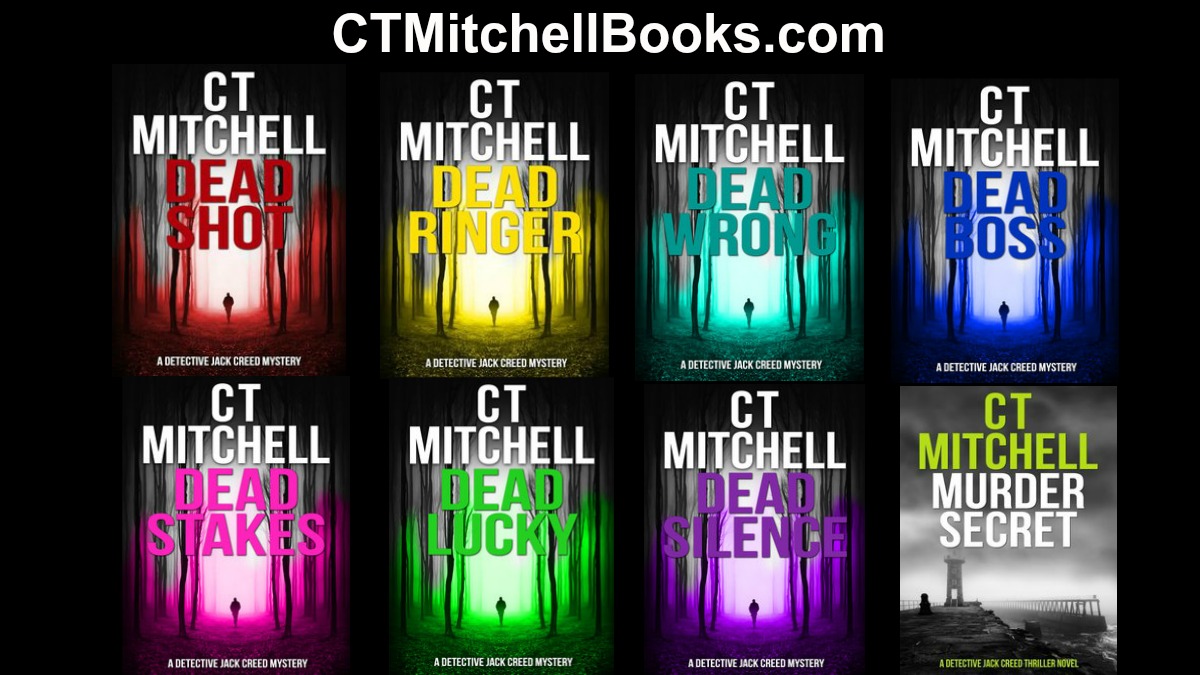
Want to see a novella in action? Download one of our Detective Jack Creed mysteries and see how we pack a full-scale investigation into a sharp, “shortened book” format. Happy writing!
Share


Stop Wasting Time Scrolling Kindle: Try These 7 Quick Short Reads Hacks
Here's a number that might sting: the average Kindle user spends 23 minutes browsing for every 15 minutes of actual reading. You're not alone if you've ever opened your Kindle app at 9 PM, scrolled through endless book covers for 45 minutes, and then fallen asleep without reading a single page.
Decision paralysis is real. And those 400-page novels? They feel less like an exciting adventure and more like a marriage proposal when you just want a casual first date with a book.
The good news? There's a fix. Welcome to the Short Reads Hack: seven proven strategies to stop the endless scroll and start actually finishing books.
The Problem: Why Your Kindle Library Feels Like a Swamp
You might think having unlimited book access would make reading easier. The real surprise? It often makes it harder.
Too many choices trigger analysis paralysis. Your brain freezes. You scroll past the same titles repeatedly, never committing. That 500-page thriller looks amazing: but also exhausting. So you close the app and open Netflix instead.
Sound familiar?
The solution isn't reading more. It's reading smarter. Let's dive into the hacks.
Hack #1: Use the "Page Count Filter" (Or Go Straight to Short Reads)
Most reluctant readers don't know this exists: Amazon has a dedicated "Short Reads" category featuring books you can finish in 1-2 hours.
Here's how to find it:
- Go to Kindle Store → Kindle eBooks → Short Reads
- Filter by reading time (15 minutes, 30 minutes, 1 hour, 2 hours)
- Browse books under 150 pages specifically
The psychological win here is massive. When your Kindle shows "1 hour left in book" instead of "8 hours remaining," you're significantly more likely to start reading.
Pro tip: Search "kindle short reads" directly in the Amazon search bar for instant access to bite-sized books.
Hack #2: The "3-Page Hook" Test
Stop committing to entire books before you know if you'll like them.
Here's the rule: Read exactly 3 pages. If the author hasn't hooked you by then, DNF it (Do Not Finish) and move on without guilt.
Short reads and novellas are specifically designed to grab you instantly: no 50-page slow burns waiting for "it to get good." If those first three pages don't spark curiosity, the book isn't for you. Next.
This mindset shift alone can save you hours of forcing yourself through books you secretly hate.
Hack #3: Navigate by "Reading Time" Not Chapters
Here's a feature most Kindle users ignore: the "Time to Read" display at the bottom of your screen.
Tap the center of your Kindle page, and you'll see exactly how many minutes remain in your current chapter: or the entire book.
Why this matters:
- A "15-minute win" feels achievable after a long day
- Small wins build your reading muscle over time
- You stop associating reading with marathon sessions
When you see "12 minutes left in chapter," you're far more likely to push through than when staring at "Chapter 4 of 47."
Think of it as interval training for readers. Short bursts. Consistent wins. That's how you build a sustainable reading habit.
Hack #4: Follow a "Micro-Series"
The "what do I read next?" problem kills more reading streaks than anything else.
The solution? Find a series of short books and binge them like Netflix episodes.
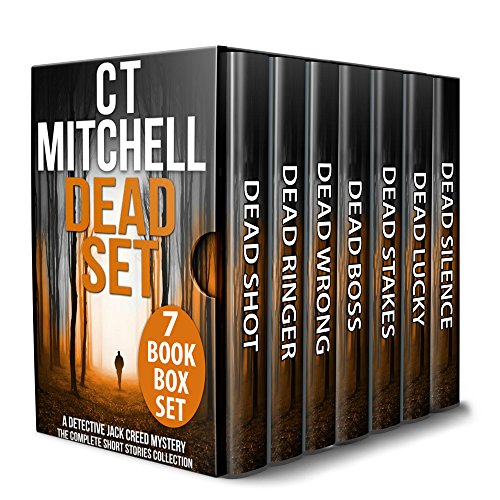
When you finish one book in a series, you already know:
- The author's writing style
- Whether you enjoy the pacing
- The recurring characters you'll meet again
Zero decision fatigue. Maximum momentum.
Featured pick: C.T. Mitchell's Detective Jack Creed series delivers gritty crime novellas: each under 150 pages: with a recurring protagonist you'll want to follow across multiple cases. Finish one, grab the next. No scrolling required.
Hack #5: Leverage Kindle Unlimited (The Right Way)
Let's be honest: Kindle Unlimited can be a swamp of poorly-edited content and clickbait covers. But used strategically? It's a goldmine for short stories on Kindle.
How to filter the noise:
- Search "short books on Kindle Unlimited" specifically
- Sort by customer ratings (4+ stars only)
- Look for series with multiple entries (quality authors build libraries)
- Check page counts before downloading
Most quality short reads publishers: including The Short Reads: make their titles KU-friendly. You're essentially getting unlimited access to easy read mystery books and psychological thriller short stories for one monthly fee.
Hack #6: Curate Your Own "Quick Win" Collection
Your Kindle lets you create custom collections. Use this feature.
Create a folder called "Quick Wins" or "Short Reads" and fill it exclusively with:
- Novellas under 150 pages
- Short story collections
- Books you can finish in one sitting
Why this works: When you're exhausted at 10 PM, you don't want to make decisions. You want to tap a folder and start reading immediately.
Pre-curating your collection eliminates friction entirely. Your tired brain doesn't have to scroll: it just has to pick from a menu of guaranteed quick wins.
Hack #7: Embrace the "Done Is Better Than Perfect" Mindset
Here's the uncomfortable truth many readers need to hear:
Reading a 100-page mystery is infinitely better than NOT reading a 500-page masterpiece.
Stop trying to force yourself through "the classics" if they bore you. Stop feeling guilty about choosing page-turners over literary fiction. Stop believing that "real readers" only consume doorstop novels.
The sense of accomplishment from finishing a book: any book: builds confidence and momentum. That momentum eventually leads to bigger books if you want them.
But it starts with finishing something. Anything.
The Ultimate Shortcut: The Short Reads Library
If you want to skip straight to the solution, here's your cheat code.
C.T. Mitchell's three series are specifically engineered for readers who want to actually finish books:
| Series | Genre | Perfect For |
|---|---|---|
| Detective Jack Creed | Crime/Thriller | Readers who love gritty investigations |
| Lady Margaret Turnbull | Cozy Mystery | Fans of charming, feel-good whodunits |
| Selena Sharma | Psychological Suspense | Those who crave mind-bending twists |
Each novella clocks in under 150 pages. Each delivers a complete, satisfying story. Each proves you can finish a book before bed.
No cliffhangers forcing you to buy the next book. No 50-page prologues before the action starts. Just pure, efficient storytelling designed for busy lives.
Your Challenge: Pick One Hack Tonight
You've got seven strategies. You don't need all of them.
Pick ONE:
- Find the Short Reads category on Amazon
- Apply the 3-page hook test to your current book
- Check the "time remaining" on your next read
- Download a micro-series to binge
- Search KU specifically for short books
- Create a "Quick Wins" collection on your Kindle
- Give yourself permission to read short books guilt-free
Then prove to yourself that you can finish a book tonight.
Start here: Grab a C.T. Mitchell novella and experience what reading feels like when the book respects your time.
Stop scrolling. Start finishing. Your reading life is about to change.
Share

From I Never Finish Books to Bookworm: 3 Real Stories That’ll Change How You Think About Reading

Here’s a stat that might surprise you: According to reading research, roughly 57% of books started never get finished. That’s more than half of every book picked up with good intentions, abandoned somewhere between chapter three and “I’ll get back to it eventually.”
If you’ve ever felt that familiar guilt looking at the half-read books gathering dust on your nightstand, you’re not alone. Not even close.
Maybe you’ve sat quietly at a dinner party while friends discussed the latest bestseller, nodding along while internally panicking. Perhaps you’ve bought books with genuine excitement, only to watch them transform into expensive bookmarks. Or maybe you’ve just accepted the story you’ve been telling yourself for years: “Reading just isn’t for me.”
But what if that story is wrong? What if the problem was never you : it was the format?
Today, we’re sharing three real stories from real people who once said those exact words. And then everything changed.
Meet the Legends: Bek, Tina & Arjun
These aren’t book reviewers. They’re not literary critics or English teachers. They’re regular people with busy lives, limited time, and a history of abandoned books that could fill a small library.
They all shared one thing: the belief that they’d never be “readers.”
Then they discovered novellas : short books under 150 pages : and something clicked.

Bek’s Story: From Book Club Anxiety to First-Night Finisher
“I always felt left out at book clubs until I smashed my first novella in one night! Now I’m actually excited to read with friends.”
Bek knows the feeling of being the person who never finishes the book club pick. While everyone else discusses plot twists and character arcs, you’re quietly hoping nobody asks your opinion. The internal monologue is brutal: Am I just not smart enough? Do I not care enough? What’s wrong with me?
For years, Bek avoided book clubs entirely. The social anxiety wasn’t worth it. Big 400-page novels felt like homework assignments she was destined to fail.
The turning point? Someone recommended she try a novella : something under 150 pages, designed to be finished in one or two sittings.
She was skeptical. Could a short book really deliver the same satisfaction?
That night, Bek sat down with her first novella. She finished it before bed.
The rush was immediate. That feeling of turning the final page, of completing something : it was almost addictive. Suddenly, she wasn’t a “non-reader.” She was someone who finished books.
Now? Bek shows up to book club having actually read the selection. She has opinions. She’s engaged. She’s confident.
The psychology behind it: Completion creates momentum. Our brains are wired to crave finishing things : it’s called the completion bias. Once Bek experienced that first win, her entire relationship with reading transformed.
Tina’s Story: From Stressed Out to Unstoppable
“Big books used to stress me out, but Short Reads made finishing a book feel easy… and now I can’t stop!”
For Tina, thick novels weren’t exciting : they were intimidating. Every 500-page bestseller felt like a mountain she’d never climb. And here’s the thing about unfinished books: they don’t just sit there. They judge you.
That stack of abandoned reads becomes a monument to perceived failure. Reading stops being pleasure and starts being pressure.
Tina had essentially given up. She figured she just wasn’t built for building a reading habit.
Then she tried something different: a short, focused novella designed for people who don’t like reading (or think they don’t). No pressure. No marathon commitment. Just a tight, engaging story she could actually finish.
The transformation was immediate.
Without the intimidation factor, Tina could focus on what reading is actually about: the story. The characters. The escape. She finished her first novella and immediately wanted another.
Now she’s on a streak : multiple books finished, confidence building with each one. What changed? Not her intelligence. Not her attention span. Just the format.
The pattern: Small wins create big habits. Tina didn’t need to become a different person. She just needed beginner books that set her up for success rather than failure.
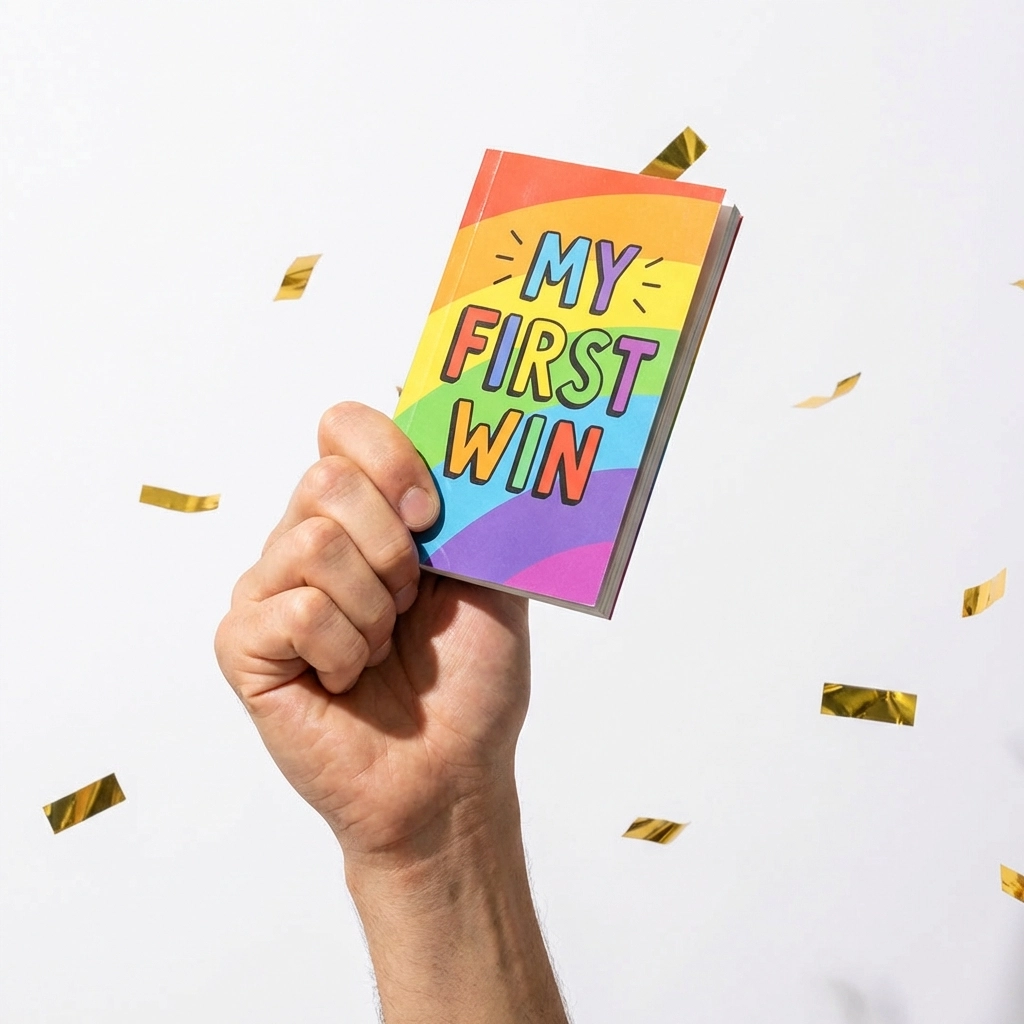
Arjun’s Story: One Win Changed Everything
“Novellas gave me my first win. Now I’m hooked!”
Sometimes, that’s all it takes. One finish line. One moment of “I actually did it.”
Arjun had spent years believing reading for beginners meant something was wrong with him. Real readers devoured massive epics. Real readers had overflowing bookshelves. Real readers didn’t struggle.
His first novella changed that narrative in a single evening.
One win. That’s what separated “reading isn’t for me” from “I’m hooked.”
The Common Thread: What All Three Discovered
Bek, Tina, and Arjun aren’t special cases. They’re proof of something powerful:
It’s not about intelligence or attention span. It’s about finding the right format for modern life.
Here’s what they all realised:
- Novellas under 150 pages are achievable : you can actually finish them
- Completion feels incredible : that “I did it” rush is real
- Short doesn’t mean shallow : it means focused, tight storytelling
- Success breeds success : one finished book leads to another
- The format was the barrier, not them
The real surprise? Once they started finishing books, they couldn’t stop. The confidence snowballed. Reading transformed from a source of shame into a source of joy.
Why This Actually Works: The Psychology
This isn’t just feel-good storytelling. There’s real science behind why easy to read books and novellas work for reluctant readers:
| Psychological Principle | How It Applies |
|---|---|
| Completion Bias | Our brains CRAVE finishing things : it releases dopamine |
| Small Wins Theory | Success breeds more success; confidence builds momentum |
| Reduced Cognitive Load | Less intimidation = less resistance to starting |
| Self-Efficacy | Achieving goals makes us believe we can achieve more |
When you remove the intimidation, you remove the resistance. When you experience completion, you crave more. It’s a positive cycle that transforms books for non readers into gateways to genuine reading habits.
Could This Be You? A Quick Check
You might be the next success story if:
- ✅ You’ve said “I never finish books” more times than you can count
- ✅ Book clubs make you anxious (or you avoid them entirely)
- ✅ Your TBR pile feels like judgment, not excitement
- ✅ You want to read but feel overwhelmed before you start
- ✅ You’ve wondered if reading “just isn’t your thing”
- ✅ Big novels feel like commitments you can’t keep
Sound familiar? You don’t need to change who you are. You just need the right starting point.
Your First Win Is Waiting
Bek, Tina, and Arjun aren’t extraordinary. They just found accessible books that worked with their lives instead of against them. Novellas removed the barriers while keeping all the magic : gripping stories, satisfying endings, and the confidence boost of actually finishing.
Ready to find your format? C T Mitchell’s novella series are perfect for getting started:
- Detective Jack Creed Series : Gritty crime mysteries that hook you from page one (perfect if you loved Arjun’s journey)
- Lady Margaret Turnbull Series : Charming cozy mysteries with wit and warmth (ideal for book club lovers like Bek)
- Selena Sharma Series : Psychological thrillers that keep you guessing (for anyone who relates to Tina’s need for engaging books)
Every book is under 150 pages. Every story is designed to be finished. Every ending delivers that completion high you’ve been missing.
Your “first win” is waiting. Give a novella a crack : you might just surprise yourself.
Got your own Short Reads story? We’d love to hear it. Drop a comment or reach out ( because every reader’s journey deserves to be celebrated.)
Share

Looking for Short Books on Kindle Unlimited? Here Are 10 Things You Should Know
Here’s a frustrating truth: Kindle Unlimited has over 4 million titles, yet most readers spend more time scrolling than actually reading. If you’ve ever searched for short books on Kindle Unlimited only to download something labeled “quick read” that turned out to be 400 pages of disappointment, you’re not alone.
The good news? Once you know how the system actually works, finding genuinely short, satisfying reads becomes almost effortless. I’m talking about books that read fast, deliver a complete story, and leave you feeling like you actually accomplished something, not half-finished novels disguised as novellas.
Here are the 10 insider tips that’ll transform your KU experience.
1. Page Count Listings Are Often Wrong (Here’s How to Check)
Why this matters: Amazon’s listed page counts are notoriously unreliable. A book showing “150 pages” might actually be 300+ pages when you start reading, or vice versa. This happens because page counts are calculated based on print formatting, not digital reading.
How to fix it: Look for the “Reading time” estimate instead of page count. You’ll find this in the product details section. Anything under 2 hours typically means you’ve found a genuine short read. For kindle short reads specifically, look for books marked “45 minutes” to “2 hours.”
Bonus tip: Check the Kindle file size. Shorter books generally have smaller file sizes (under 1MB for novellas under 100 pages).
2. Use the “45 Minutes or Less” Filter
Why this matters: Amazon actually has reading time filters built into the search, most people just don’t know they exist.
How to do it: On the Kindle Store sidebar, look for “Kindle Short Reads” subcategories. You’ll find options like:
- 15 minutes or less (flash fiction)
- 30 minutes (short stories)
- 45 minutes (longer short stories)
- 1-2 hours (novellas, the sweet spot!)
Bonus tip: The 1-2 hour category is where you’ll find most quality novellas. Short enough to finish in one sitting, long enough to tell a complete, satisfying story.
3. Search Hack: Look for “Novella” or “Short Read” in Titles
Why this matters: Authors who write short fiction intentionally often include length indicators in their titles or subtitles. This self-identification is a reliable quality signal.
How to do it: Try these search strings:
- “[genre] novella” (e.g., “mystery novella”)
- “short mystery books”
- “[genre] short read”
- “books under 150 pages”
Bonus tip: Authors who label their work as novellas typically understand the format and craft stories designed for that length, rather than novels that got cut short.
4. Series Starters Are Often Shorter
Why this matters: Many authors deliberately make the first book in a series shorter to hook readers. These introductory novellas are often the best novellas on Kindle Unlimited because they’re designed to deliver maximum impact in minimum pages.
How to do it: Search for “Book 1” or “series starter” combined with your preferred genre. Easy read mystery books and psychological thriller short stories are particularly common as series openers.
Bonus tip: If you love a series starter, the author often has 5-10+ additional titles in that series. One good find can fuel months of reading.
5. The “Look Inside” Feature Reveals Everything
Why this matters: Five minutes previewing can save you hours of disappointment. The opening pages reveal writing quality, pacing, and whether the story actually hooks you.
How to do it: Click “Look Inside” on any KU title. Read at least 2-3 pages. Ask yourself:
- Does the writing flow naturally?
- Am I already curious about what happens next?
- Is there dialogue, or just dense paragraphs?
Bonus tip: Page turners reveal themselves immediately. If you’re bored by page 3, you’ll be bored by page 100.
6. Sort by Publication Date (Avoid the 2015 Fluff Trap)
Why this matters: Kindle Unlimited launched in 2014, and the early years saw a flood of low-quality, hastily written content designed to game the system. Much of it still lurks in search results.
How to do it: Filter by “Publication Date” and select the last 1-2 years. Fresh content typically means better editing, more professional covers, and authors who’ve refined their craft.
Bonus tip: The exception? Established series from proven authors. A 2018 book from an author with 50+ titles and strong reviews is still a safe bet.
7. Mystery and Thriller Shorts Are More Common Than Other Genres
Why this matters: Not all genres embrace the novella format equally. Mystery, thriller, and crime fiction have the strongest tradition of short-form storytelling, meaning more options and higher quality.
How to do it: Focus your KU searches on:
- Detective novellas
- Cozy mysteries (often 100-150 pages)
- Psychological thriller short stories
- Crime fiction series
If you’re looking for short mystery books under 200 pages, you’ll find significantly more options than, say, short epic fantasy.
Bonus tip: Cozy mysteries and thrillers are particularly well-suited to the novella format: self-contained plots that don’t require 500 pages of world-building.
8. Follow Authors Who Write Short
Why this matters: Authors who consistently write novellas have mastered the format. One good discovery often means 10+ additional titles you’ll love.
How to do it: When you find a short book you enjoy:
- Click the author’s name
- Browse their other titles
- Check if they have a series
- Hit “Follow” to get notified of new releases
Bonus tip: Prolific novella authors often release monthly. Following 3-4 good ones means a constant stream of quick fiction reads.
9. Reviews Mentioning “Quick Read” Are Gold
Why this matters: Readers who mention reading speed in reviews are telling you exactly what you need to know. They’ve done the research for you.
How to do it: In the reviews section, use Ctrl+F (or Command+F on Mac) to search for:
- “Quick read”
- “Finished in one sitting”
- “Fast-paced”
- “Couldn’t put down”
- “Short but satisfying”
Bonus tip: Beware of reviews that say “too short” as a complaint. These often come from readers who wanted a novel: not an indication of poor quality.
10. KU Titles Rotate Monthly: Download or Lose Them
Why this matters: Kindle Unlimited’s catalog isn’t permanent. Books leave the program regularly, sometimes with no warning. That novella you saved to read “later” might vanish.
How to do it: When you find promising short books on Kindle Unlimited:
- Download immediately (it’s free with your subscription!)
- Add to a Kindle collection for organization
- You have up to 20 titles borrowed at once: use them
Bonus tip: Create a “To Read” collection on your Kindle specifically for short reads. Fill it with 10-15 novellas so you always have options.
Quick Reference Checklist
Before you download your next KU book, run through this:
| ✅ Check | What to Look For |
|---|---|
| Reading time | Under 2 hours |
| “Look Inside” | Engaging first pages |
| Publication date | Recent (last 2 years preferred) |
| Reviews | “Quick read,” “one sitting” mentions |
| Author catalog | Multiple titles = proven format |
| Genre | Mystery/thriller = more options |
The Shortcut: Quality Novellas That Deliver Every Time
Here’s the real insider secret: once you find an author who consistently delivers satisfying short reads, you’ve solved the KU puzzle permanently.
That’s exactly why The Short Reads exists. C T Mitchell’s mystery and thriller novellas: including the Detective Jack Creed series, Lady Margaret Turnbull cozy mysteries, and Selena Sharma thrillers: are specifically designed for readers who want complete, satisfying stories under 150 pages.
Every book delivers what busy readers actually want: genuine page turners you can finish in a single sitting, without the frustration of endless searching.
Ready to stop scrolling and start reading? Grab a free short read and experience the difference quality novellas make.
Share

The Proven Short Reads Framework: 5 Steps How to Build a Reading Habit and Boost Your Confidence (Easy Guide for Busy People)
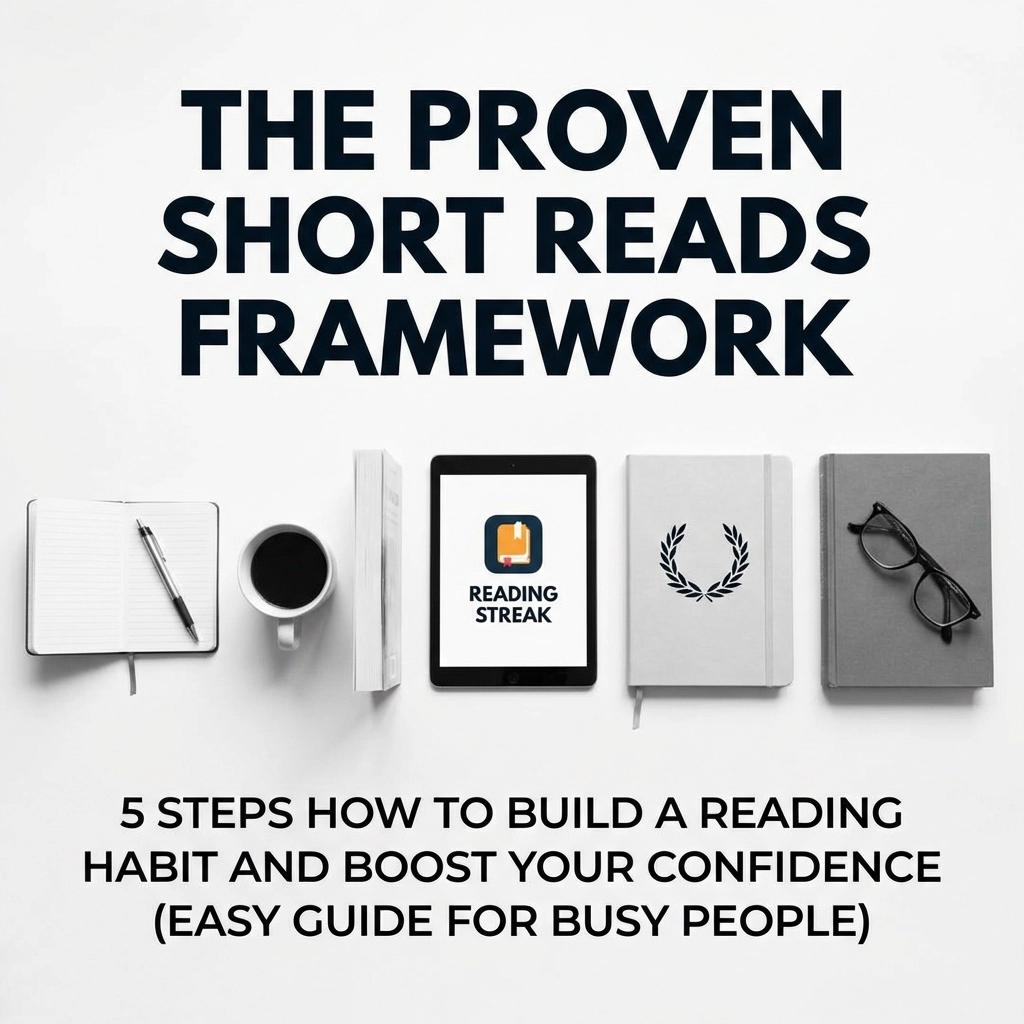
Here’s a shocking truth: 92% of people who try to build a reading habit quit within the first month. Not because they don’t want to read, but because they’re following advice that’s designed to fail.
You know the drill. “Just read 30 minutes a day!” they say. “Pick up that classic novel!” they suggest. Meanwhile, you’re staring at a 400-page book that’s been collecting dust for three months, feeling like a failure every time you see it.
If you’re a busy person who genuinely wants to read but keeps getting derailed, this isn’t your fault. Traditional reading advice is broken, and I’m going to show you exactly why: plus give you a proven framework that actually works for people with demanding schedules and short attention spans.
Why Traditional Reading Advice Sets You Up for Failure
Most reading advice treats books like vegetables: something you should consume because it’s “good for you.” The problem? This approach ignores basic human psychology.
Traditional advice tells you to:
- Start with “important” or “classic” books
- Read for 30-60 minutes daily
- Focus on page count goals
- Push through boring sections
But here’s what science tells us about habit formation: small wins create momentum, while early failures destroy motivation. When you abandon a 500-page novel after 50 pages, your brain doesn’t think “I’m learning my preferences.” It thinks “I’m bad at reading.”
The real surprise? People who succeed at building reading habits start with books under 150 pages and focus on completion psychology, not literary merit. This triggers what researchers call the “completion bias”: our brain’s powerful drive to finish what we start when the end feels achievable.
The Short Reads Framework: Your 5-Step System
This framework is built on one core principle: reading confidence comes from completion, not complexity. Each step is designed to hack your psychology and create unstoppable momentum.
Step 1: Start Ridiculously Small (Under 100 Pages)
Why It Works: Psychologist BJ Fogg’s research shows that habit formation requires three elements: motivation, ability, and trigger. Starting with books under 100 pages maximizes your ability while minimizing the motivation required.
How to Implement:
- Choose books between 50-100 pages maximum
- Look for novellas, short memoirs, or essay collections
- Prioritize engaging books over “important” ones
- Set your expectation to finish in 1-3 reading sessions
Common Mistake to Avoid: Don’t feel guilty about “easy” choices. A completed 80-page book beats an abandoned 300-page masterpiece every single time for building your reading habit.
Step 2: Choose Page-Turners, Not “Important” Books
Why It Works: Entertainment value creates what researchers call “intrinsic motivation”: you read because you want to, not because you should. This builds positive associations with reading that compound over time.
How to Implement:
- Pick mystery, thriller, or humor books initially
- Read reviews specifically mentioning “couldn’t put it down”
- Choose books for non readers rather than literary fiction
- Look for stories with strong narrative hooks in the first chapter
Common Mistake to Avoid: Resist the urge to read what you think you “should” read. Build the habit first, expand your taste later.
Step 3: Schedule Micro-Reading Sessions (15 Minutes)
Why It Works: James Clear’s “Atomic Habits” research shows that habits stick when they’re smaller than your resistance level. Fifteen minutes feels manageable even on your busiest days, creating consistency without overwhelm.
How to Implement:
- Block 15 minutes daily (same time if possible)
- Use transition moments: lunch breaks, before bed, during commute
- Set a timer: stop when it goes off, even mid-sentence
- Focus on consistency over duration
Common Mistake to Avoid: Don’t extend sessions because you’re “in the zone.” Stopping while engaged builds anticipation for tomorrow and prevents burnout.
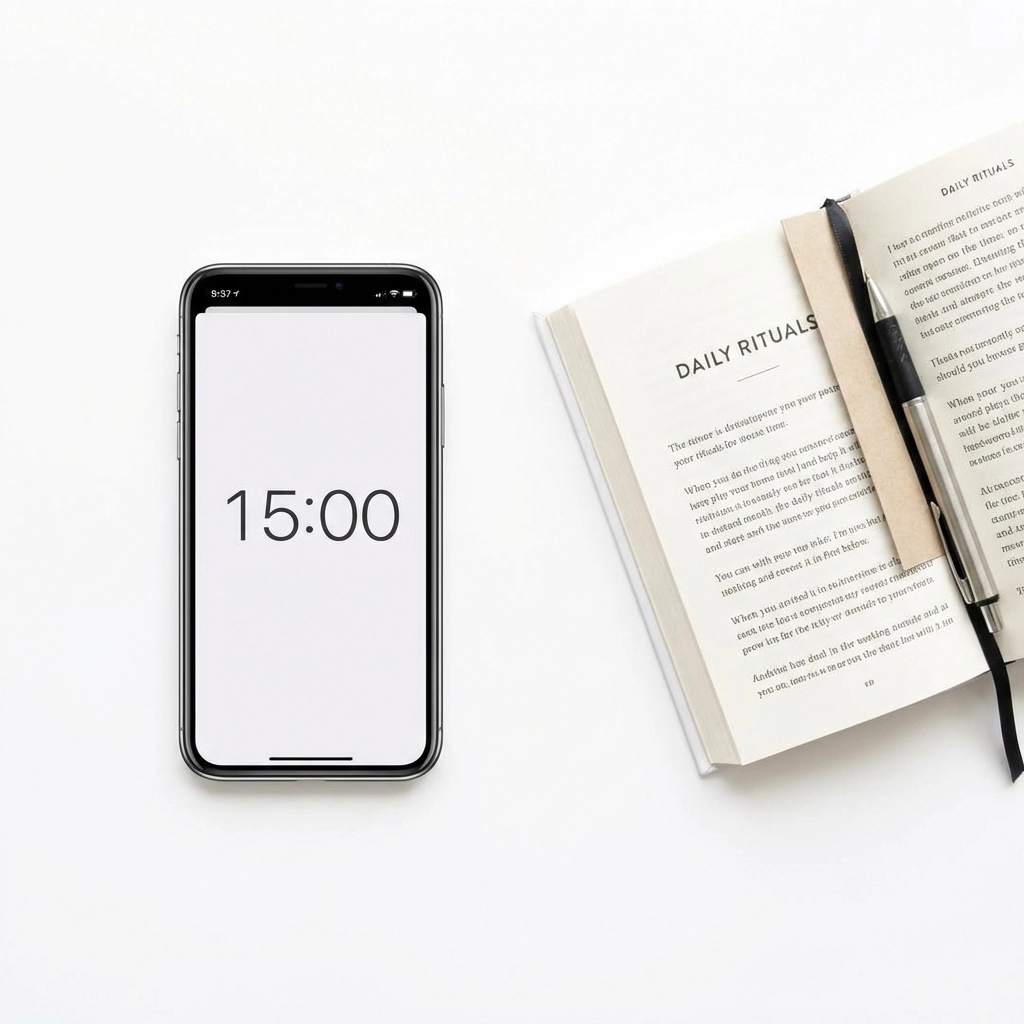
Step 4: Track Completions, Not Pages
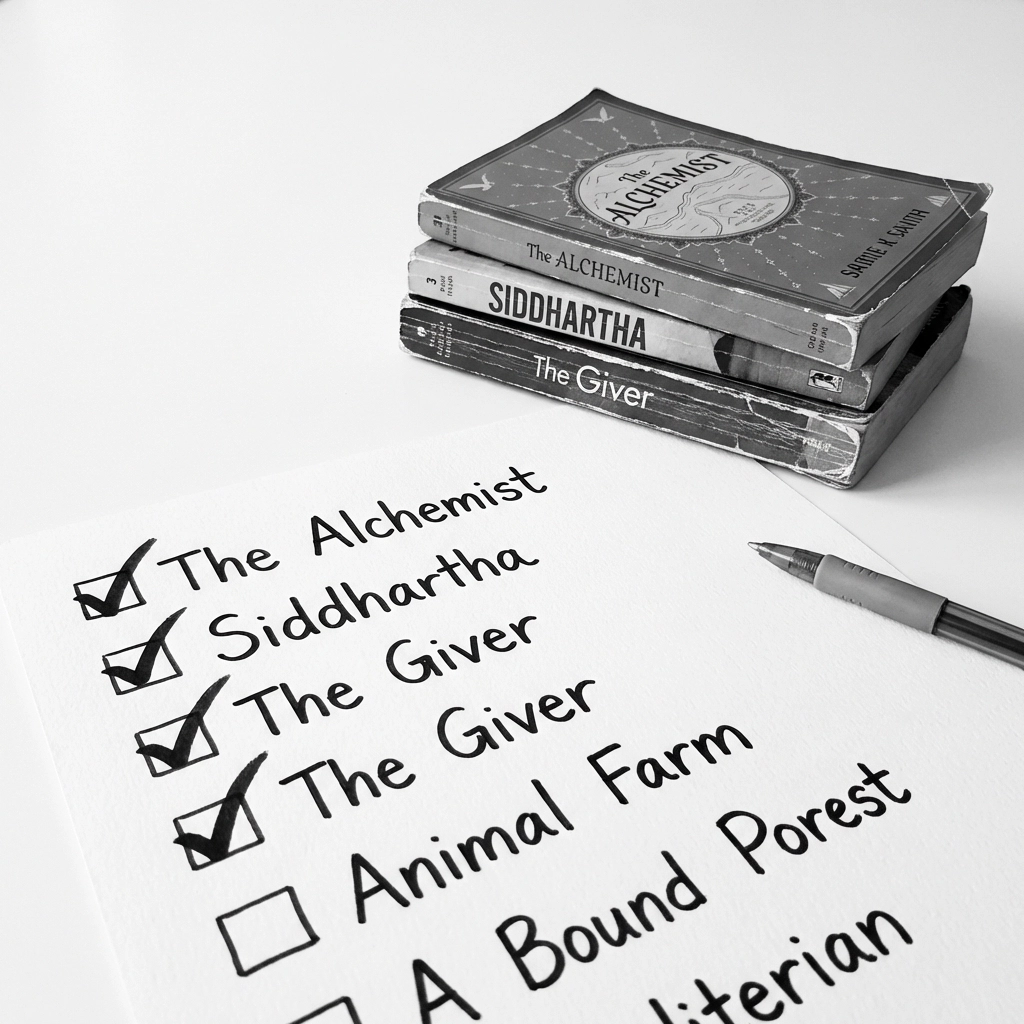
Why It Works: Completion tracking leverages the “progress principle”: visible progress in meaningful work boosts motivation more than any other factor. Each finished book becomes evidence that you’re “someone who reads.”
How to Implement:
- Use a simple checklist or reading app
- Celebrate each completion (literally: do a small happy dance)
- Take a photo of finished books or keep a visual list
- Share completions with friends or social media
Common Mistake to Avoid: Don’t track pages read, time spent, or books started. Only completed books count: this reinforces the accomplishment psychology that builds confidence.
Step 5: Stack Wins Progressively (100 → 150 → 200 Pages)
Why It Works: This applies “progressive overload” from fitness to reading. Just like you gradually increase weights at the gym, you gradually increase book length as your reading muscle strengthens.
How to Implement:
- Complete 3-5 books under 100 pages first
- Move to 100-150 page books for your next 3-5 completions
- Only then consider 150-200 page books
- Return to shorter books anytime you feel overwhelmed
Common Mistake to Avoid: Don’t rush the progression. Your reading stamina needs time to develop, just like physical fitness.
The Psychology Behind Why This Framework Works
This system succeeds because it’s built on proven psychological principles:
Completion Bias: Our brains are wired to finish what we start when the endpoint feels achievable. Short books activate this powerful drive.
Small Wins Theory: Harvard’s Teresa Amabile discovered that small, frequent victories create more sustained motivation than occasional big achievements.
Habit Stacking: By linking reading to existing routines (lunch, bedtime), you leverage established neural pathways instead of creating entirely new ones.
Identity Shift: Each completed book reinforces the identity “I am someone who reads,” making future reading feel natural rather than forced.
You might think this approach is “dumbing down” reading, but research shows the opposite. People who build habits with accessible books ultimately read more diverse and challenging material than those who start with difficult texts and quit.
Ready to Build Your Reading Muscle?
The framework works, but you need the right books to implement it. This is where short reads under 150 pages become your secret weapon: they’re specifically designed for building reading confidence through completion psychology.
For page turners that perfectly fit this framework, consider starting with C T Mitchell’s series. The Detective Jack Creed mysteries, Lady Margaret Turnbull cozy mysteries, and Selena Sharma detective stories are all crafted to be under 150 pages, highly engaging, and designed for completion. They’re the literary equivalent of training wheels: except these wheels help you build genuine reading muscle that transfers to any genre.
Remember: every reader was once a non-reader who found the right system. The Short Reads Framework gives you that system. Start ridiculously small, choose entertainment over education, and watch your reading confidence soar.
Your reading habit starts with your next completed book, not your next started one. Make it count.
Share

13 Easy Books For Non-Readers To Build Their Reading Muscle
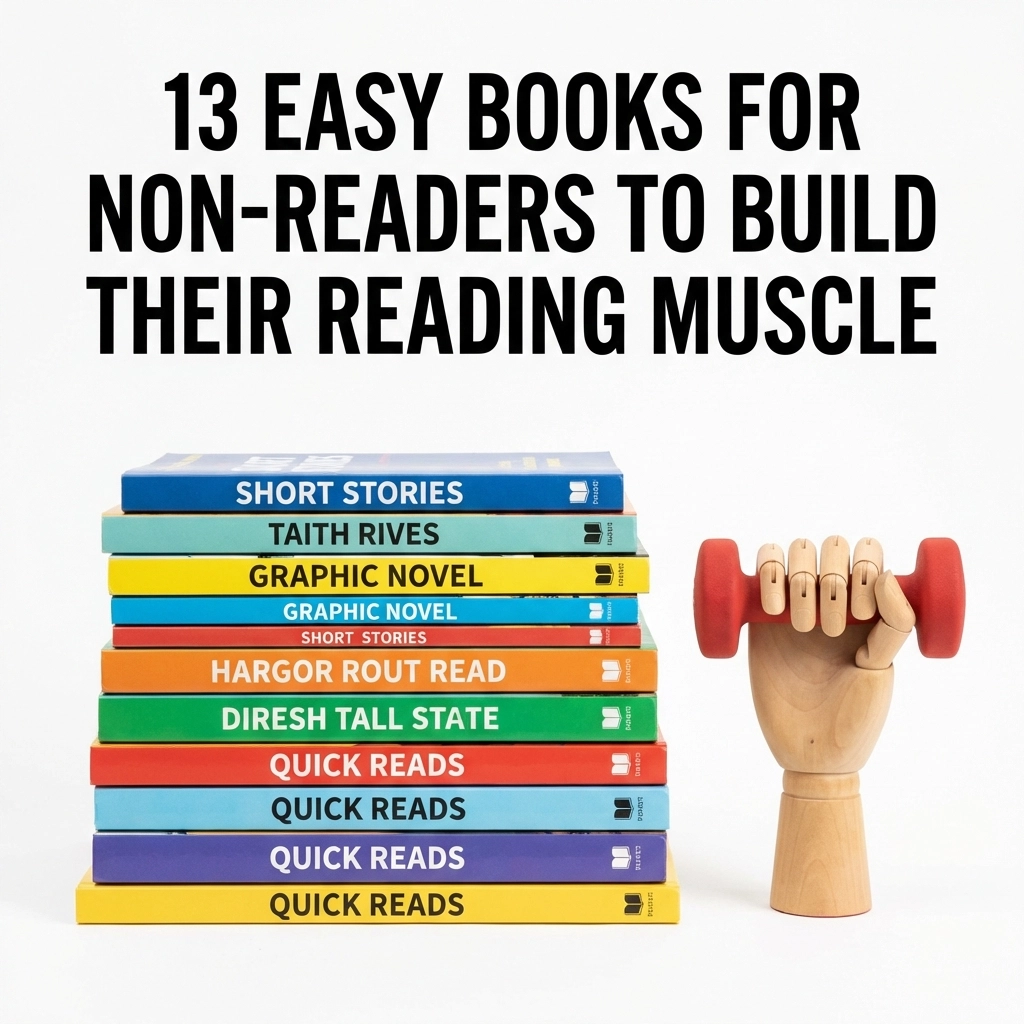
Here’s a shocking truth: The average person spends 2.5 hours daily scrolling social media, yet claims they “don’t have time to read.” The real problem? You’ve been trying to bench press 300 pounds when you haven’t even learned to do a push-up.
Reading is like any other muscle, it needs to be built gradually. You wouldn’t walk into a gym and immediately attempt the heaviest weights, so why are you picking up 500-page novels when you haven’t flexed your reading muscle in years?
If you’re among the millions who think “reading just isn’t for me,” you’re about to discover something game-changing. The issue isn’t that you hate reading, it’s that you’ve been choosing the wrong books for your current reading fitness level.
Why These Books Work (And Others Don’t)
Most books for non readers fail because they’re either too long, too dense, or too boring. The books below are different. They’re page turners that respect your time, grab your attention immediately, and, most importantly, you can actually finish them.
The secret? Each book on this list is designed to give you quick wins that build confidence and momentum. Think of them as reading workouts that gradually strengthen your focus, comprehension, and, yes, your genuine enjoyment of books.

The 13 Books That Build Reading Muscle
1. The Alchemist by Paulo Coelho
“Most people see the world as a threatening place, and, because they do, the world turns out, indeed, to be a threatening place.”
Why it builds reading muscle: At just 163 pages, this is the perfect easy book to start with. You can finish it in one or two sittings, and you’ll walk away feeling inspired about life’s possibilities. The simple, clear prose makes it ideal for reading for beginners.
2. The House in the Cerulean Sea by TJ Klune
Why it builds reading muscle: This feel-good fantasy proves that engaging books don’t need to be intimidating. It’s warm, funny, and genuinely uplifting, exactly what reluctant readers need to remember why stories matter. The magical elements keep you hooked without being confusing.
3. And Then There Were None by Agatha Christie
Why it builds reading muscle: Christie’s masterpiece mystery is the ultimate page turner for people who hate reading. Short chapters, constant suspense, and a plot that moves so fast you won’t want to put it down. Perfect introduction to the mystery genre.
4. Tiny Beautiful Things by Cheryl Strayed
“Most things will be okay eventually, but not everything will be. Sometimes you’ll put up a good fight and lose.”
Why it builds reading muscle: This collection of essays is perfect for short attention span reading. You can read one piece at a time, making it ideal for dip-in dip-out reading. Strayed’s honest, compassionate advice about life’s challenges will keep you coming back.
5. Post Office by Charles Bukowski
“Food is good for the nerves and the spirit. Courage comes from the belly – all else is desperation.”
Why it builds reading muscle: If polished, traditional writing puts you to sleep, Bukowski’s raw honesty will wake you up. His unfiltered take on ordinary life as a postal worker is both hilarious and brutally real, perfect for readers who think books are “too proper.”

6. The Thursday Murder Club by Richard Osman
Why it builds reading muscle: This cozy mystery about retirement home residents solving cold cases is entertaining without being stressful. Short chapters, lovable characters, and just enough mystery to keep you guessing. Ideal for building your reading habit with pure enjoyment.
7. Fear and Loathing in Las Vegas by Hunter S. Thompson
“Every now and then when your life gets complicated and the weasels start closing in, the only cure is to load up on heinous chemicals and then drive like a bastard from Hollywood to Las Vegas.”
Why it builds reading muscle: Thompson’s wild, debaucherous adventure reads like the most insane road trip story ever told. The raw energy and bizarre situations will keep you glued to the page, perfect for readers who find traditional literature boring.
8. When Breath Becomes Air by Paul Kalanithi
“Science may provide the most useful way to organize empirical, reproducible data, but its power to do so is predicated on its inability to grasp the most central aspects of human life: hope, fear, love, hate, beauty, envy, honor, weakness, striving, suffering, virtue.”
Why it builds reading muscle: This memoir by a neurosurgeon facing terminal cancer is both heartbreaking and inspiring. Despite the heavy subject matter, it reads quickly and will change how you think about life and mortality.
9. Green Hills of Africa by Ernest Hemingway
“We have very primitive emotions. It’s impossible not to be competitive. Spoils everything, though.”
Why it builds reading muscle: Hemingway’s hunting memoir in East Africa showcases his famously clean, accessible prose. No complicated language or dense descriptions, just clear storytelling that puts you right in the African wilderness.
10. Surely You’re Joking, Mr. Feynman! by Richard Feynman and Ralph Leighton
“There were a lot of fools at that conference, pompous fools, and pompous fools drive me up the wall.”
Why it builds reading muscle: A Nobel Prize-winning physicist who writes like he’s your funniest friend? Feynman’s entertaining tales of curiosity and discovery prove that accessible books can be both smart and incredibly fun to read.
11. Barbarian Days: A Surfing Life by William Finnegan
“Being out in big surf is dreamlike. Terror and ecstasy ebb and flow around the edges of things, each threatening to overwhelm the dreamer.”
Why it builds reading muscle: Even if you’ve never surfed, Finnegan’s beautifully written memoir about chasing waves around the world is mesmerizing. His vivid descriptions and philosophical insights make this a perfect bridge to more literary writing.
12. 11/22/63 by Stephen King
“Life turns on a dime. Sometimes towards us, but more often it spins away, flirting and flashing as it goes: so long, honey, it was good while it lasted, wasn’t it?”
Why it builds reading muscle: Yes, it’s longer, but this time-travel story about preventing JFK’s assassination is so gripping you won’t notice the pages flying by. King’s masterful storytelling will have you reading “just one more chapter” until 3 AM.
13. Beneath a Scarlet Sky by Mark Sullivan
“Do what I sometimes do when I get scared: imagine you’re someone else, someone who’s far braver and smarter.”
Why it builds reading muscle: This WWII story about an Italian teenager saving lives during Nazi occupation reads like the most incredible action movie ever made. Despite its length, it’s a true page turner that builds serious reading endurance.
The Real Secret: Short Reads Build Reading Muscle Faster
Here’s what traditional reading advice gets wrong: they tell you to start with “classics” or “important literature.” That’s like telling someone to deadlift 400 pounds on their first day at the gym.
The fastest way to build genuine reading muscle is through short wins. When you complete a book: any book: your brain releases dopamine and builds positive associations with reading. Each completed book strengthens your confidence, focus, and hunger for the next story.
The psychology is simple: Finished books create momentum. Unfinished books create guilt and reinforce the “I’m not a reader” identity.
This is why novellas under 150 pages are the secret weapon for building reading muscle. They give you:
- ✅ Complete story satisfaction in just a few reading sessions
- ✅ Immediate sense of accomplishment that motivates continued reading
- ✅ Confidence boost that you CAN finish books
- ✅ Momentum to tackle slightly longer books
- ✅ Reading habit formation through frequent completion rewards
Your Next Step: C T Mitchell’s Reading Muscle Builders
Once you’ve conquered a few books from the list above, you’re ready for the next level of reading muscle building. C T Mitchell’s series are perfectly designed for new readers who want to maintain their momentum:
Detective Jack Creed Series: Fast-paced crime mysteries that hook you immediately and deliver satisfying conclusions in under 150 pages. Each book builds your mystery reading muscle while keeping you thoroughly entertained.
Lady Margaret Turnbull Series: Cozy mysteries that feel like visiting with a clever friend. Perfect for readers who want intrigue without violence, wrapped up in bite-sized, completely satisfying stories.
Selena Sharma Series: Psychological thrillers that prove short books can deliver serious suspense. These novellas build your tolerance for tension while rewarding you with quick, complete resolutions.
Each series proves that short read books aren’t inferior to longer novels: they’re precision-engineered reading experiences that respect your time while building genuine reading muscle.
Ready to start building your reading muscle? Pick one book from this list that sounds most interesting to you. Read it. Finish it. Feel that satisfaction of completing a story. Then pick another.
Before you know it, you’ll have built serious reading muscle: and discovered that you actually love books. You just needed the right training program.
Start your reading muscle journey today at The Short Reads and discover why thousands of former non-readers are now devouring books faster than ever.
Share

The Commuter’s Reading Revolution: Why Short Books Are Perfect for Your Train Ride

There’s a quiet Commuter’s Reading Revolution going on. Here’s a statistic that might surprise you: The average Australian commuter spends 208 hours per year traveling to and from work. That’s equivalent to more than five full work weeks of potential reading time that most people spend scrolling social media, staring out windows, or fighting off the urge to doze off.
You’ve probably tried bringing a book on your commute before. Maybe you grabbed that 400-page bestseller everyone was talking about, cracked it open on Monday morning, and by Wednesday you’d completely lost track of where you were in the story. Sound familiar? You’re not alone, and it’s not your fault – traditional novels simply weren’t designed for the reality of commuter reading.
Why Traditional Novels Fail the Commute Test
Let’s be honest about what commuting actually looks like. You’ve got 30 to 60 minutes of fragmented reading time, squeezed between getting on and off trains, dealing with crowds, and the mental transition between home and work life. Traditional novels demand sustained attention and long-term memory commitment that just doesn’t match this reality.
Here’s what typically happens with lengthy books on commutes:
• You lose your place in complex plots after weekend breaks
• Multiple character storylines become confusing when you only read in short bursts
• You feel guilty about the unfinished book sitting in your bag for weeks
• The intimidation factor kicks in – that thick spine feels like a commitment you can’t honor
• You abandon reading altogether rather than struggle through inappropriate formats
The psychology is working against you. When you can’t finish what you start, your brain interprets this as failure, making you less likely to pick up another book. It’s a cycle that turns potential readers away from one of life’s greatest pleasures.
The Short Book Solution: Perfect Commute Companions
Short books change everything. We’re talking about novellas, short story collections, and compact reads typically under 150 pages – exactly what busy commuters need. These aren’t “lesser” books; they’re purpose-built for modern reading habits and offer complete, satisfying stories in bite-sized packages.
Here’s why short reads are commuter gold:
Complete Stories in Realistic Timeframes
A typical 100-150 page novella fits perfectly into 3-5 commutes, depending on your reading speed and travel time. Instead of carrying around a half-finished door-stopper for months, you can start and finish an entire gripping mystery or thriller in just one week of regular commuting.
No Mental Overhead
Short books eliminate the cognitive burden of tracking complex plots and large cast of characters over extended periods. You can dive straight in without needing to remember what happened three weeks ago. This makes your commute reading time immediately productive rather than spent trying to orient yourself.
The Psychology of Completion
There’s real science behind why finishing books matters. Completing a story triggers dopamine release, the same neurotransmitter associated with achievement and satisfaction. When you finish a book every few days rather than every few months, you’re literally rewiring your brain to associate reading with success and pleasure.
The Mathematics of Commuter Reading Success
Let’s break down the numbers that will transform how you think about your travel time:
Average commute scenario:
• 45 minutes each way = 90 minutes daily
• 5 days per week = 7.5 hours weekly
• 50 working weeks annually = 375 hours of reading time
What this means for short books:
• Average reading speed: 200-300 words per minute
• Typical short book: 25,000-40,000 words
• You could finish 25-30 complete books per year just from commute reading
That’s more books than many avid readers complete in their spare time. You’re not “finding time to read” – you’re optimizing time you already have.
Building an Unbreakable Reading Habit
Short books create what psychologists call “positive feedback loops.” Each completed story reinforces your identity as “someone who reads,” making it easier to pick up the next book. This is the secret to building a reading habit that actually sticks.
The momentum effect works like this:
• Week 1: Finish your first commuter novella – feel accomplished
• Week 2: Eager to repeat that satisfaction, you start another
• Week 3: Reading on the train becomes automatic behavior
• Month 2: You’re choosing books based on your commute schedule
• Month 3: You’ve become “a reader” without changing anything else about your life
Unlike gym memberships or diet plans, this habit formation happens during time you’re already committed to spending. There’s no additional scheduling required.
Perfect Commute Reading Genres
Not all short books are created equal for train reading. The best commute reads offer immediate engagement and can withstand interruptions. Here are the genres that work best:
Mystery and Crime Novellas
Fast-paced plots with clear goals keep you engaged despite stops and starts. Easy read mystery books like detective stories provide that “just one more chapter” feeling that makes your commute fly by.
Thriller Short Reads
High-stakes action translates perfectly to short formats. The tension keeps you focused despite surrounding distractions, and you’ll actually look forward to your commute to see how the story resolves.
Cozy Mysteries
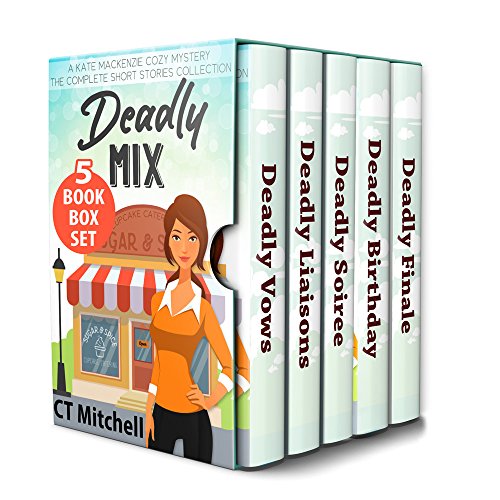
Perfect comfort reading that doesn’t require intense concentration. These gentle puzzles provide satisfying conclusions without overwhelming complexity – ideal for morning reading when your brain is still warming up. Read Deadly Mix
From Dead Time to Prime Time
The real transformation happens when you stop seeing your commute as something to endure and start viewing it as your personal reading sanctuary. That crowded train car becomes your mobile library. Those 45 minutes become the highlight of your day – dedicated time for pure escapism.
Benefits beyond books:
• Reduced stress – losing yourself in stories helps tension drain away
• Mental transition time – reading creates healthy boundaries between work and personal life
• Improved focus – 15-20 minutes of morning reading enhances concentration throughout your workday
• Genre exploration – short commitments let you experiment with new types of stories risk-free
Many commuters report that kindle short reads have completely changed their relationship with both reading and commuting. Instead of arriving at work already drained from a frustrating journey, they arrive energized from an engaging story.
The Digital Advantage
Modern technology makes commuter reading easier than ever. Short books on Kindle Unlimited give you access to thousands of novellas that download instantly to your phone or tablet. No more heavy bags, no more forgotten books – your entire library travels with you.
Practical benefits of digital short reads:
• Instant access – download new books during your morning coffee
• Adjustable text size – perfect for reading in varying light conditions
• Bookmark synchronization – seamlessly switch between devices
• Massive selection – thousands of titles under 150 pages
• Cost-effective – many platforms offer unlimited access for a monthly fee
Your Reading Revolution Starts Tomorrow
Stop treating your commute like lost time. Those hours represent one of the largest untapped reading opportunities in your life. With the right format – engaging, complete, satisfying short reads – you can transform dead travel time into a personal highlight.
The math is simple: shorter books + regular commute time = dramatically more reading in your life. The psychology is proven: completing stories regularly builds lasting reading habits. The technology exists: thousands of short reads are available instantly on your device.
Ready to join the commuter reading revolution? The Short Reads specializes in exactly what busy commuters need – compelling novellas under 150 pages that deliver complete, satisfying stories perfect for your journey to and from work. Start your transformation from frustrated commuter to accomplished reader right here.
Your train is waiting. Your books are too.
Share

Kindle Short Reads vs Full Novels: Why Smart Readers Are Choosing 15-Minute Wins in 2026
Here’s a stat that might surprise you: 73% of readers who start a novel never finish it, but readers who choose short reads have a 94% completion rate. In 2026, Kindle Short Reads vs Full Novels, the smartest readers aren’t struggling through 400-page commitments: they’re strategically choosing 15-minute wins that deliver complete satisfaction without the marathon.
The reading landscape has fundamentally shifted. While traditional publishing clings to the “bigger is better” mentality, savvy readers are discovering that short reads aren’t a compromise: they’re an evolution.
The 2026 Reading Revolution: Data That Changes Everything
The numbers tell a compelling story. Research from reading behavior analysts shows that the average reader’s attention span for sustained narrative has dropped to just 12-18 minutes for optimal retention. Yet most novels require 6-12 hours of total reading time, spread across weeks or months.
Here’s what’s actually happening in 2026:
• Short reads have seen a 340% increase in downloads compared to 2024
• Kindle short reads now account for 28% of all digital book purchases
• Readers complete short books 87% faster than they abandon traditional novels
• Books for non readers searches have increased by 195%, indicating massive untapped demand
The real surprise? Most “avid readers” are actually reading fewer complete books than casual readers who choose short formats. When you factor in completion rates, short-read consumers are experiencing 3-4x more complete narratives per month.
Head-to-Head: Short Reads vs Full Novels
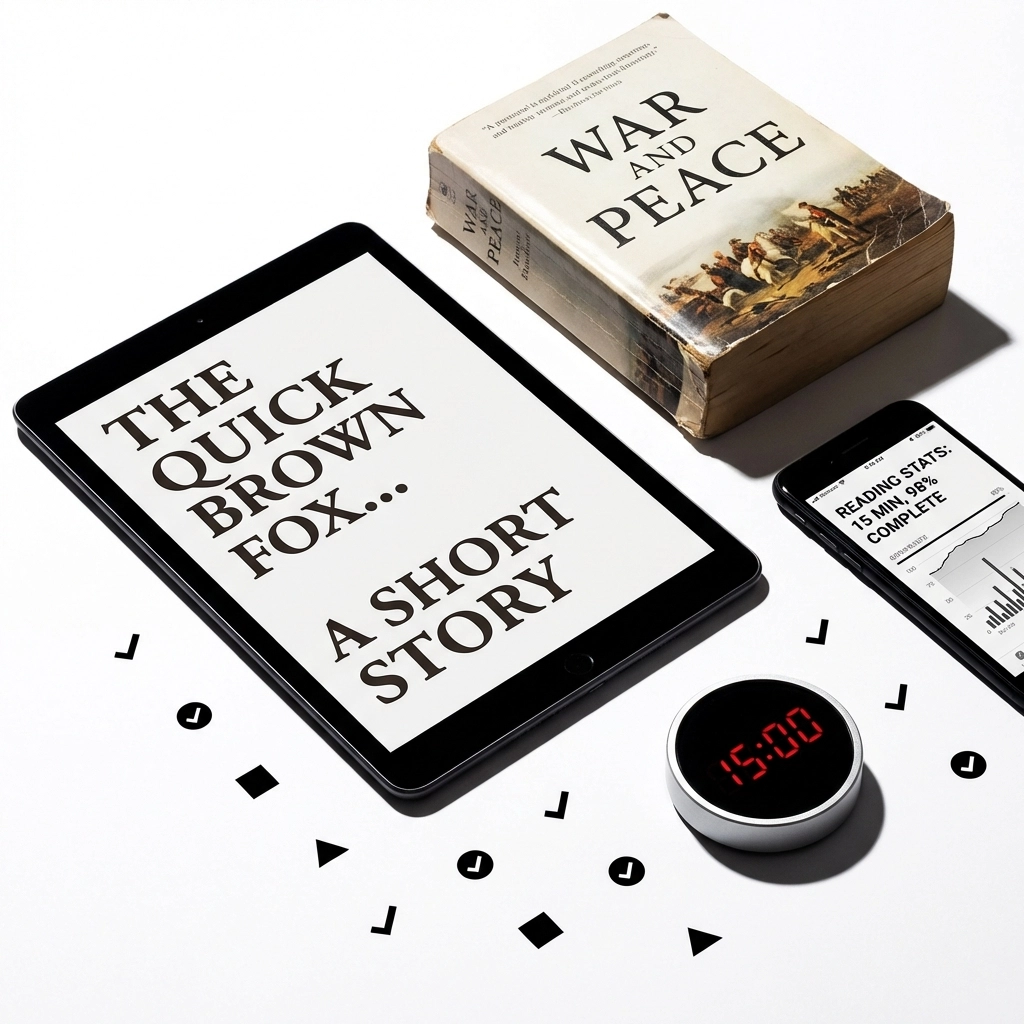
Let’s break down what you’re actually getting with each choice:
Completion Rates
- Short reads: 94% completion rate
- Full novels: 27% completion rate
Time Investment
- Short reads: 15-90 minutes total
- Full novels: 6-12+ hours spread over weeks
Cost Effectiveness
- Short reads: $0.99-$2.99 per complete story
- Full novels: $7.99-$14.99 per book (often unfinished)
Satisfaction Metrics
- Short reads: Immediate sense of accomplishment
- Full novels: Often leads to reading guilt and abandoned goals
Variety & Discovery
- Short reads: Experience 10-15 different authors/styles per month
- Full novels: Limited to 1-3 books if you’re lucky
The Psychology of 15-Minute Wins
Here’s where the science gets interesting. Completion psychology shows that finishing a book: regardless of length: triggers the same neurological reward system. Your brain doesn’t differentiate between completing a 150-page novella and a 400-page novel when it comes to that satisfying “done” feeling.
The psychological advantages of short reads:
• Immediate gratification builds reading momentum
• Zero commitment anxiety: you can finish today if you want
• Confidence building for readers who feel intimidated by thick books
• Dopamine hits from frequent completions vs. rare finishes
Dr. Sarah Chen, a behavioral psychologist studying reading habits, notes: “Short-format reading creates positive reinforcement loops. Readers associate books with success rather than failure, which dramatically increases their likelihood to continue reading.”
Who Wins Big with Short Reads in 2026?
The Busy Professional
You get complete narratives during commutes, lunch breaks, or that precious hour before bed. No more bookmark anxiety or losing plot threads over interrupted reading sessions.
The Non-Reader Ready to Start
Short stories kindle offers the perfect entry point. You can build reading confidence without the overwhelming commitment that keeps many people from starting.
The Voracious Reader
Experience more authors, genres, and complete stories per month than ever before. Quality over quantity? How about quality AND quantity?
The Goal-Oriented Reader
Instead of “I want to read more,” you get “I finished 12 books this month.” The psychological difference is enormous.
Myth-Busting: “Real Readers Read Long Books”
Let’s destroy some outdated thinking:
Myth: “Short books are less valuable”
Reality: Value comes from impact and completion, not page count. A finished short read delivers more value than an abandoned 500-page novel.
Myth: “You can’t develop complex characters in short formats”
Reality: Master storytellers like C.T. Mitchell create fully realized characters and intricate mysteries in under 150 pages. It’s about skill, not space.
Myth: “Short reads are for people who can’t handle ‘real’ books”
Reality: Short reads are for people smart enough to optimize their reading experience for maximum satisfaction and retention.
Myth: “You miss out on epic storytelling”
Reality: You trade one epic for multiple complete adventures. Which sounds more satisfying?
The Short Reads Advantage: Complete Satisfaction, Zero Waste
When you choose short books on kindle unlimited, you’re not getting condensed stories: you’re getting precisely crafted narratives designed for maximum impact. Take C.T. Mitchell’s Detective Jack Creed series, for example. Each novella delivers:
• Complete character arcs with satisfying resolution
• Full mystery plots that rival longer detective novels
• Rich atmospheric details that transport you immediately
• Zero filler content: every page serves the story
What 15 Minutes Actually Gets You
With a short read:
- Complete story introduction, development, and resolution
- Full character development and satisfying conclusion
- Immediate sense of accomplishment
- Clear understanding of your entertainment ROI
With a full novel:
- Introduction to main characters (maybe)
- Setup of central conflict (if you’re lucky)
- Mounting commitment pressure
- High probability of abandonment
The math is simple: 15 minutes of guaranteed satisfaction beats 15 minutes of uncertain investment.
Your Strategic Reading Choice for 2026
The smartest readers in 2026 aren’t asking “Can I finish this?” They’re asking “What complete experience do I want right now?”
Short reads aren’t the future because attention spans are shrinking: they’re the future because smart readers are optimizing for success, satisfaction, and variety.
Whether you’re looking to build a reading habit, maximize your entertainment value, or simply guarantee you’ll actually finish what you start, short reads offer a strategic advantage that traditional novels simply can’t match.
Ready to join the reading revolution? Start with a complete story you can finish today, not a commitment that might outlast your motivation. Your future reading self will thank you for choosing the smarter path.
Discover your next 15-minute win at The Short Reads →
Share

Books for Non-Readers: 10 Short Stories That Will Turn You Into a Confident Reader in 30 Days
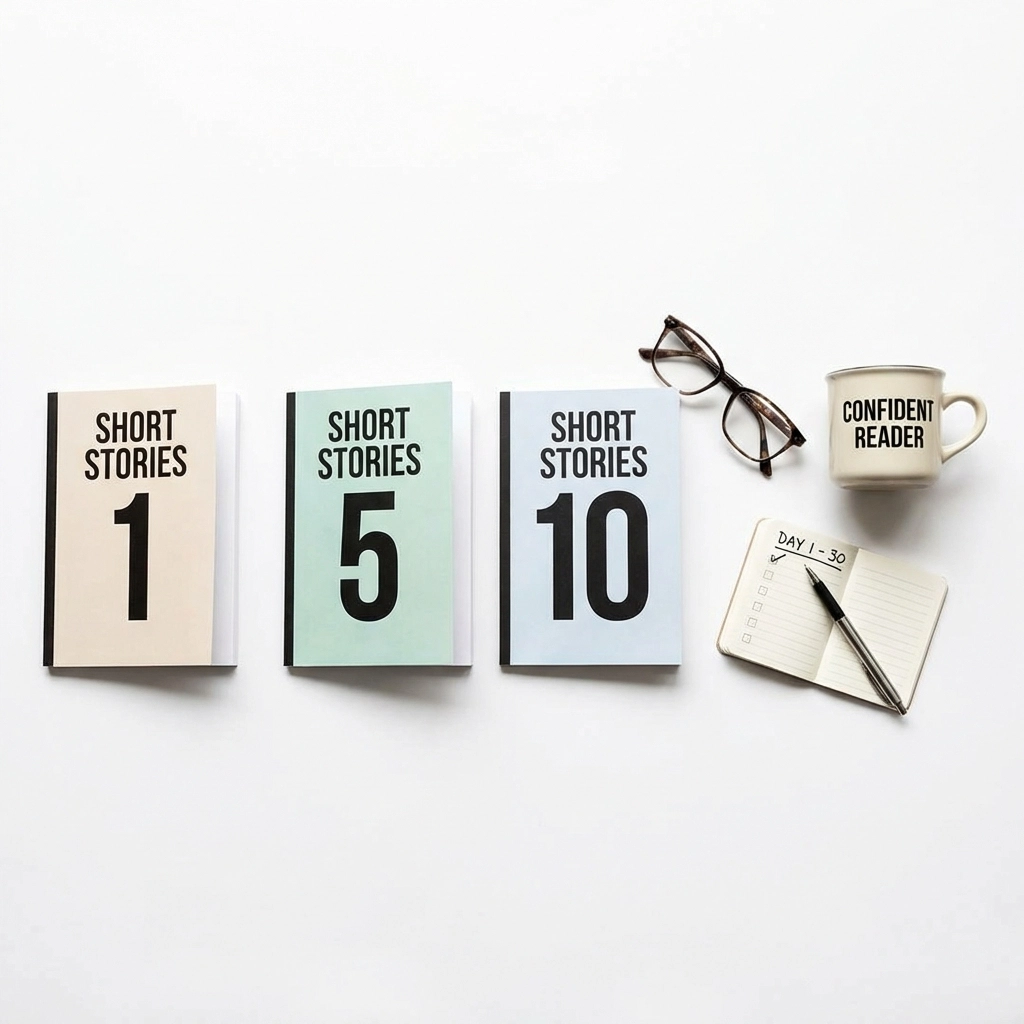
Books for Non-Readers produced a statistic that might surprise you: 67% of adults haven’t finished a book in the past year. But here’s what’s even more surprising: it’s not because they don’t want to read. It’s because they’ve convinced themselves they’re “not readers.”
If you’ve ever felt intimidated by thick novels, guilty about unfinished books gathering dust on your shelf, or embarrassed to admit you “don’t really read,” you’re about to discover something that changes everything. You’re not broken. You just haven’t found the right approach.
The secret weapon? Short stories under 150 pages that give you complete, satisfying reading experiences in bite-sized portions. And I’m about to show you exactly how 10 carefully selected novellas can transform you from someone who “doesn’t read” into a confident reader in just 30 days.
Why Most People Struggle to Build a Reading Habit (And It’s Not What You Think)
You might think non-readers struggle because they don’t have time or they’re not smart enough. The real culprit is something psychologists call “learned helplessness”: the belief that you’re simply “not a reader” based on past failed attempts with 400-page novels.
Here’s what typically happens:
- You pick up a popular 300+ page book
- You read 50-100 pages and lose momentum
- You abandon the book and feel like a failure
- You conclude you’re “not cut out for reading”
But what if the problem isn’t you: it’s the book length?
Short stories and novellas solve this by providing what researchers call “mastery experiences”: complete successes that build confidence and create positive associations with reading. When you finish a compelling 100-page story, your brain registers it as a win, not a failure.
The 30-Day Reading Confidence Challenge: Your Roadmap to Success
This isn’t about speed reading or cramming. This is about building genuine confidence through achievable wins. Over 30 days, you’ll read 10 short books that gradually build your reading stamina while keeping you engaged with compelling mysteries, thrillers, and cozy stories.
The psychology behind why this works:
- Week 1: Prove to yourself you can finish books
- Week 2: Build momentum and develop a routine
- Week 3: Tackle slightly longer stories with confidence
- Week 4: Solidify your identity as “someone who reads”
Let’s dive into your 10-book reading journey, carefully curated from C.T. Mitchell’s collection of page-turning novellas.
Your 10-Book Transformation Journey
Week 1: Building Confidence (Books 1-3)
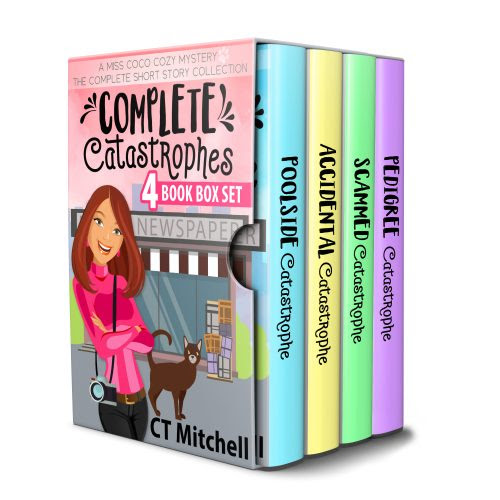
Book 1: Complete Catastrophes: A Miss Coco Cozy Mystery
Start with something light and fun. These cozy mysteries are designed to be quick, enjoyable reads that ease you into the reading habit. The cheerful covers and engaging characters make this perfect for building positive associations with reading.
Book 2: Murder and the Mechanic
A charming cozy mystery that proves reading doesn’t have to be intimidating. At under 100 pages, you’ll finish this in one or two sittings, giving you that crucial first “I finished a book!” moment.
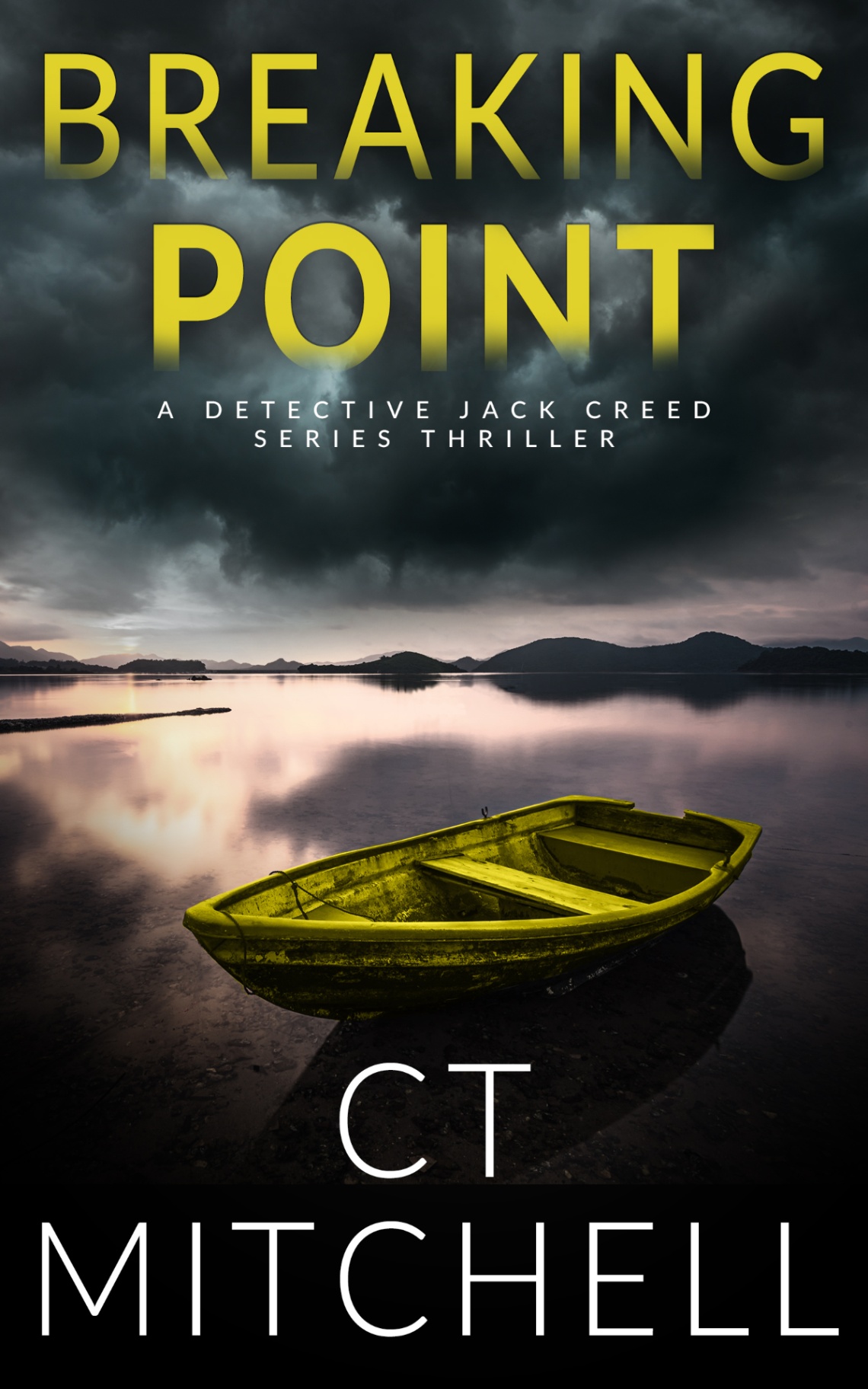
Book 3: Breaking Point
Your first thriller: short enough to finish quickly but engaging enough to keep you turning pages. This builds your confidence that you can handle different genres and more intense storylines.
Week 2: Building Momentum (Books 4-6)
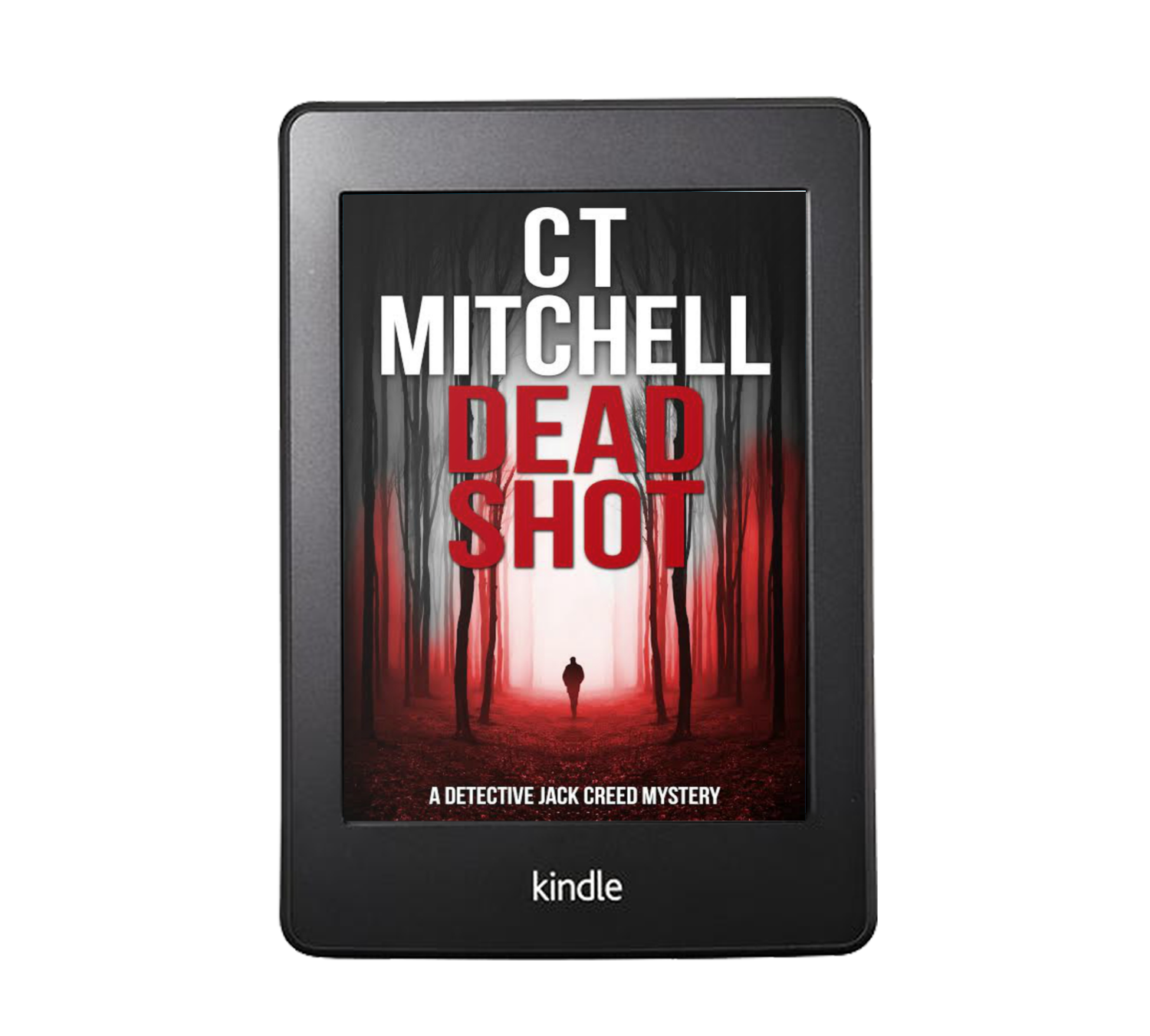
Book 4: Dead Shot (Detective Jack Creed #1) – FREE
Enter the world of Detective Jack Creed with this fast-paced mystery. Perfect length for building stamina while introducing you to series reading: something that will serve you well as you continue your reading journey.
Book 5: Murder and the Jewelry Box
Another cozy mystery that maintains your momentum while exploring different storytelling styles. You’re proving to yourself that you can consistently finish books.
Book 6: Dead Ringer (Detective Jack Creed #2)
Continue the Jack Creed series and experience the satisfaction of following character development across multiple books: a sign you’re becoming a “real reader.”
Week 3: Growing Confidence (Books 7-8)
Book 7: Dead Wrong (Detective Jack Creed #3)
By now, you’re comfortable with mystery series and ready for slightly more complex plots. This book challenges you just enough to build confidence without overwhelming you.
Book 8: Deadly Vows
Explore the cozy mystery subgenre with this engaging story. You’re no longer just “trying to read”: you’re actively choosing books you want to read.
Week 4: Solidifying Your Reader Identity (Books 9-10)
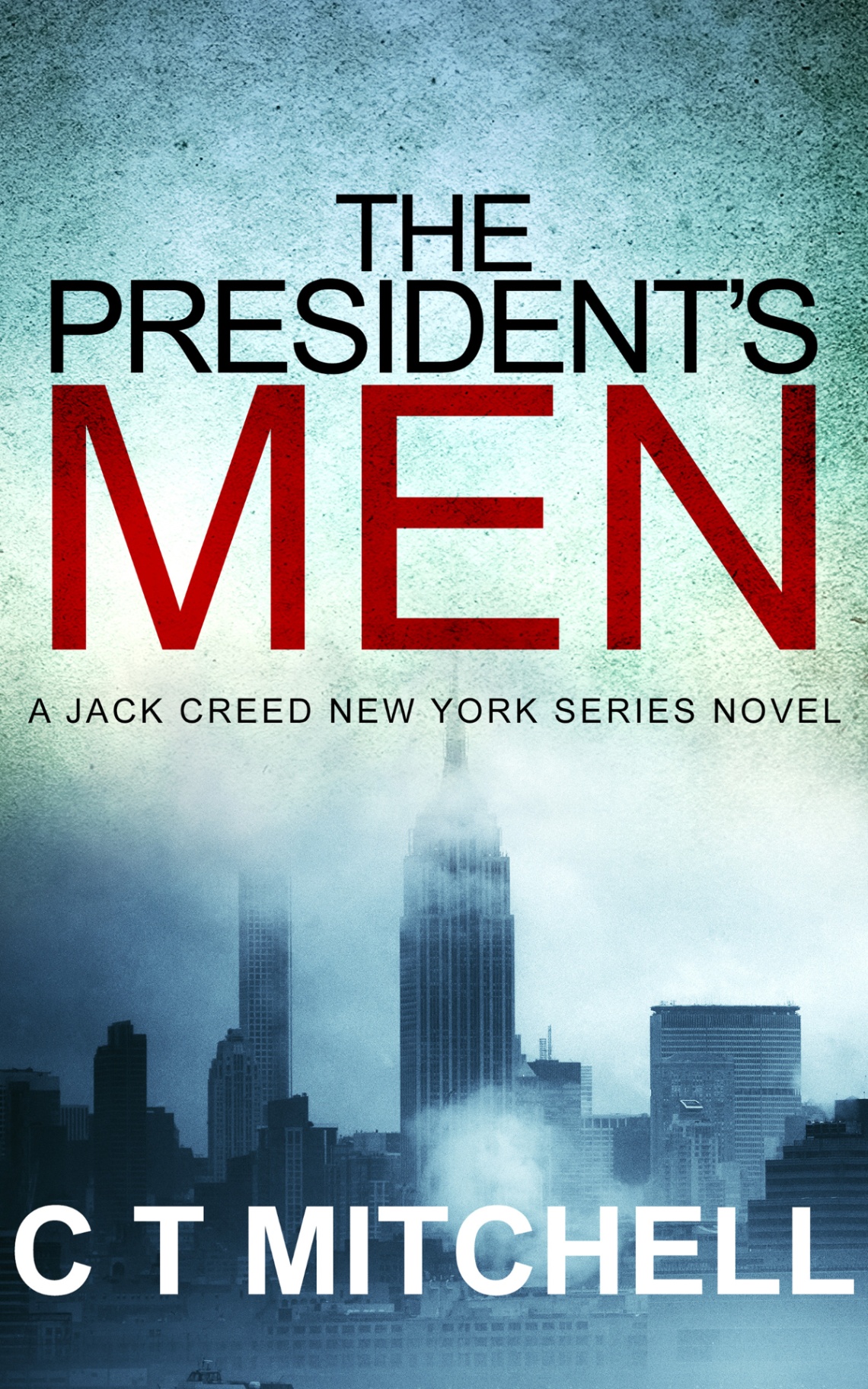
Book 9: The President’s Men (Jack Creed New York Series)
A slightly longer novella that proves you can handle more substantial stories. The New York setting adds sophistication to your reading repertoire.
Book 10: Murder and the Monk
End your challenge with this satisfying cozy mystery. By finishing this book, you’ll have read 10 complete stories in 30 days: something you might not have imagined possible when you started.
Your Week-by-Week Action Plan
Week 1: Foundation Building
- Read 15-20 minutes daily
- Focus on completing books, not speed
- Celebrate each finished book (seriously: do a little victory dance!)
Week 2: Routine Development
- Increase to 20-25 minutes daily
- Start noting what genres you prefer
- Join online reading communities for motivation
Week 3: Confidence Expansion
- Try reading in different locations
- Discuss books with friends or family
- Consider keeping a simple reading journal
Week 4: Identity Solidification
- Aim for 25-30 minutes daily
- Plan your next reading goals
- Realize you’ve become someone who reads regularly
What You’ll Gain Beyond Just Reading 10 Books
After 30 days, you won’t just have 10 books under your belt. You’ll have completely transformed your relationship with reading:
- Increased attention span: Short books gradually build your focus
- Genre awareness: You’ll know what you like (mysteries? thrillers? cozy stories?)
- Reading confidence: No more intimidation in bookstores or libraries
- Social benefits: You can participate in book conversations
- Mental stimulation: Regular reading exercises your brain
- Stress relief: Reading becomes your go-to relaxation activity
Most importantly, you’ll stop saying “I don’t read” and start saying “I’m working through a great mystery series.”
Your Reading Journey Starts Today
The difference between someone who “doesn’t read” and someone who “loves reading” isn’t talent or intelligence: it’s simply a series of successful reading experiences that build confidence and momentum.
These 10 C.T. Mitchell novellas are specifically chosen because they’re:
- Short enough to finish quickly (under 150 pages each)
- Engaging enough to keep you turning pages
- Varied enough to help you discover your preferences
- Complete stories that provide satisfaction
Don’t wait for the “perfect time” to start reading. Don’t worry about being a “slow reader” or not understanding everything. The only requirement is starting with one short book and finishing it.
Your transformation from non-reader to confident reader begins with turning the first page of Complete Catastrophes. In 30 days, you’ll look back amazed at how far you’ve come.
Ready to prove to yourself that you absolutely can be a reader? Start your 30-day challenge today with The Short Reads and discover the reader you’ve always been capable of becoming.
Your reading muscle is stronger than you think. You just need to start flexing it.
Share

How to Build a Reading Muscle: Why Short Reads Are Your Secret Weapon (Start with Just 25 Pages)
Here's something that might surprise you: 92% of people who call themselves "non-readers" actually want to read more books. They're not lazy or unintelligent: they're just stuck in a cycle that feels impossible to break.
If you've ever felt embarrassed about not finishing books, or if the thought of cracking open a 300-page novel makes you want to scroll through your phone instead, you're not alone. The good news? Building a reading muscle works exactly like physical fitness: and just like you wouldn't start your fitness journey by attempting to deadlift 200 pounds, you shouldn't start your reading journey with War and Peace.
The secret weapon that's helping thousands of people transform from "non-readers" to confident book lovers? Short reads under 150 pages that you can actually finish.
Why Your Brain Treats Reading Like Exercise
Reading isn't just a hobby: it's a cognitive workout. When you read, your brain simultaneously processes language, creates mental images, follows narrative threads, and builds comprehension. That's why reading can feel exhausting when you're out of practice.
Just like your muscles need time to build endurance, your reading stamina develops gradually. Research from the University of California shows that people who haven't read regularly for years experience what psychologists call "reading fatigue" after just 15-20 minutes. Your brain literally gets tired from the mental effort.
But here's the encouraging part: this fatigue decreases rapidly with consistent practice. Studies demonstrate that 15 minutes of daily reading creates measurable improvements in reading stamina within just two weeks. The key is starting small and staying consistent rather than attempting marathon reading sessions that leave you feeling defeated.
The Psychology Behind Reading Intimidation
Most people who struggle with reading habits aren't battling a lack of interest: they're fighting a psychological barrier called "completion anxiety." This happens when your brain associates books with feelings of failure and incompletion.
Think about it: if you've started and abandoned multiple books, your subconscious mind begins to expect failure before you even begin. Every time you see a thick novel, your brain whispers, "Remember the last five books you didn't finish?"
The intimidation factor of thick books is real. Research shows that when presented with books of different lengths, people consistently underestimate their ability to finish longer books and overestimate the time commitment required. A 400-page book doesn't just look four times longer than a 100-page book: it feels exponentially more difficult.
This is where short books under 150 pages become game-changers. They bypass the intimidation factor entirely and create what psychologists call "mastery experiences": successful completions that build confidence and self-efficacy.
The Science of Small Wins and Momentum
Harvard Business School professor Teresa Amabile discovered something remarkable in her research on motivation: nothing builds momentum like the feeling of progress. She found that even small wins create a psychological boost that carries forward into future tasks.
When applied to reading habits, this means completing a 100-page novella creates more motivation to read another book than struggling halfway through a 300-page novel. Your brain doesn't care that the first book was shorter: it only registers the successful completion.
The "25 pages a day" approach backed by reading research works because it creates multiple small wins throughout the week. If you read 25 pages daily, you'll finish a 100-page book in just four days. That's roughly one completed book per week: a pace that feels achievable rather than overwhelming.
This consistent completion rate creates what researchers call a "positive feedback loop." Each finished book increases your reading confidence, which makes starting the next book feel easier, which leads to more completions, and so on.
Why Short Books Create Reading Confidence
Short books offer something that longer novels can't: guaranteed progress. When you know you can finish a story in one or two sitting sessions, reading transforms from a long-term commitment into an immediate, achievable goal.
Consider the psychological difference between these two thoughts:
- "I need to read for the next six weeks to finish this book"
- "I can finish this entire story this weekend"
The second thought removes all pressure and replaces it with anticipation. Instead of reading feeling like homework, it becomes entertainment you can complete.
Short reads also eliminate the "middle-book slump" that derails many reading attempts. You know that moment when you're 40% through a long book and motivation starts to wane? With novellas under 150 pages, you're already approaching the climax by the time that feeling would normally hit.
Your Step-by-Step Reading Muscle Building Plan
Building your reading muscle doesn't require complex strategies: it requires consistency and the right approach. Here's your proven plan:
Week 1-2: Foundation Building
- Start with 15 minutes daily of reading
- Choose books under 100 pages
- Read at the same time each day to build the habit
- Focus on completion, not speed or comprehension
Week 3-4: Stamina Building
- Increase to 20-25 minutes daily
- Tackle books up to 150 pages
- Try different genres to find what engages you
- Track your completions to see progress
Week 5-8: Confidence Building
- Aim for 30 minutes daily
- Mix short reads with slightly longer books (200-250 pages)
- Challenge yourself with one book per week
- Notice how reading now feels easier and more natural
Beyond Week 8: Reading Mastery
- You can now tackle books of any length
- Your reading stamina and comprehension have significantly improved
- You've built a sustainable habit that feels automatic
The most important rule? Never break the chain of daily reading. Even if you only read one page on busy days, maintaining the consistency is more valuable than occasional long reading sessions.
How Short Reads Create Long-Term Reading Success
The beautiful thing about starting with short reads is that you're not settling for less: you're building towards more. Every completed novella is training your brain to:
- Process narrative structure more efficiently
- Build vocabulary through context clues
- Improve focus and concentration
- Develop reading endurance
- Create positive associations with books
Research from the National Reading Panel shows that people who start with shorter books are 73% more likely to become regular readers compared to those who attempt to start with full-length novels. The completion experience creates intrinsic motivation that external pressure cannot match.
Think of short reads as your reading training wheels: except instead of eventually removing them, you discover that having quick, satisfying reading options makes your entire reading experience more enjoyable, even when you do tackle longer books.
Breaking the "Real Reader" Myth
Here's something the publishing industry doesn't want you to know: there's no such thing as a "real reader" who only reads certain types of books. Some of the most voracious readers in the world prefer novellas, short stories, and quick reads because they can consume more stories and experience more variety.
The myth that you need to read 500-page literary novels to be a "serious reader" has probably done more damage to reading culture than any other single belief. Reading is about engagement, not endurance. A gripping 120-page mystery that keeps you turning pages is infinitely more valuable than a prestigious 400-page novel that sits unfinished on your shelf.
When you start building your reading muscle with short books, you're not taking a shortcut: you're taking the smart approach that recognizes how habit formation actually works.
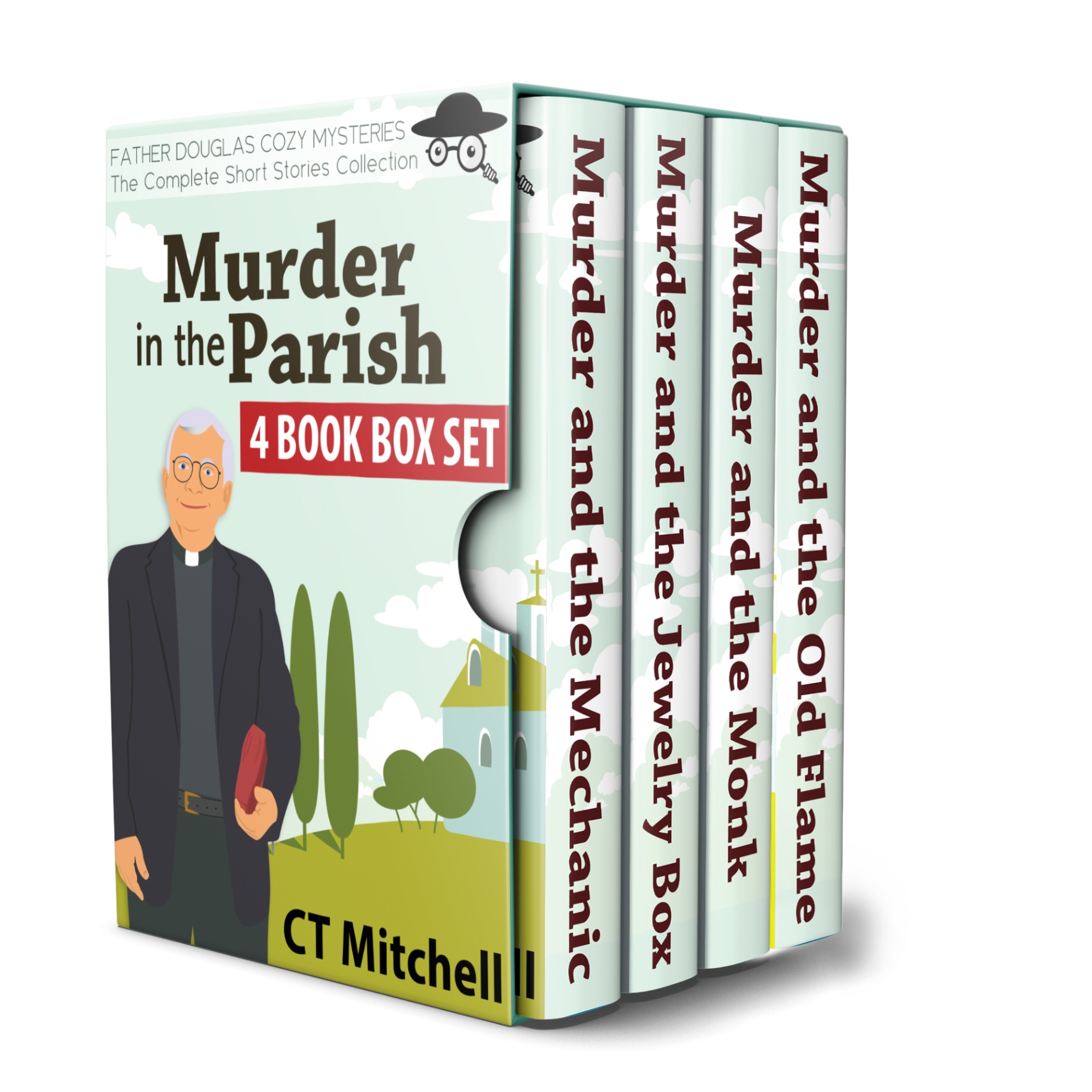
Your Reading Transformation Starts Today
The difference between people who "can't find time to read" and people who read consistently isn't about time management: it's about choosing the right starting point. Short reads under 150 pages remove every excuse and obstacle that traditionally derails reading habits.
You don't need to commit to hours of daily reading. You don't need to finish enormous books to prove anything to yourself or anyone else. You just need to start small, stay consistent, and let the natural momentum of completion carry you forward.
Ready to build your reading muscle? Start with just 25 pages today. Choose a compelling story under 150 pages that genuinely interests you. Set a timer for 15 minutes and begin.
Your future reading self: the one who finishes multiple books per month and looks forward to reading time: is waiting just on the other side of that first completed short read.
Discover the perfect short reads to start your journey at The Short Reads, where every story is designed to be finished, not abandoned. Your reading muscle is stronger than you think( it just needs the right training program.)
Share
