
Tag Archives for " short reads "
Books For Easter Weekend 2026
Five Perfect Books for Easter Weekend 2026
![[HERO] Five Perfect Books for Easter Weekend 2026](https://cdn.marblism.com/Tn770vBmkuJ.webp)
Did you know that over 52 percent of readers who start a book on a long weekend never actually finish it? The real surprise: it is usually not because the book was bad, but because it was simply too long. Most of us go into a four-day break with grand ambitions of finishing a 600-page epic, only to find that family lunches, unexpected naps, and the general haze of a chocolate-heavy Sunday eat into our reading time.
The secret to a successful reading holiday is matching the book to the window of time you actually have. Easter weekend is four days. You have permission to do very little. The chocolate is already in the house, the weather is unpredictable, and somewhere between the long Friday and the quiet Sunday there are a handful of hours that belong entirely to reading.
These five books were chosen specifically for the Easter weekend window | short enough to finish before Tuesday, good enough to make you glad you did. One for Friday evening when you want something immediately gripping. One for the long Saturday stretch. One for the quieter Sunday. All of them are under 300 pages, proving that impact does not require word count.
1. Murder and the Easter Egg by CT Mitchell
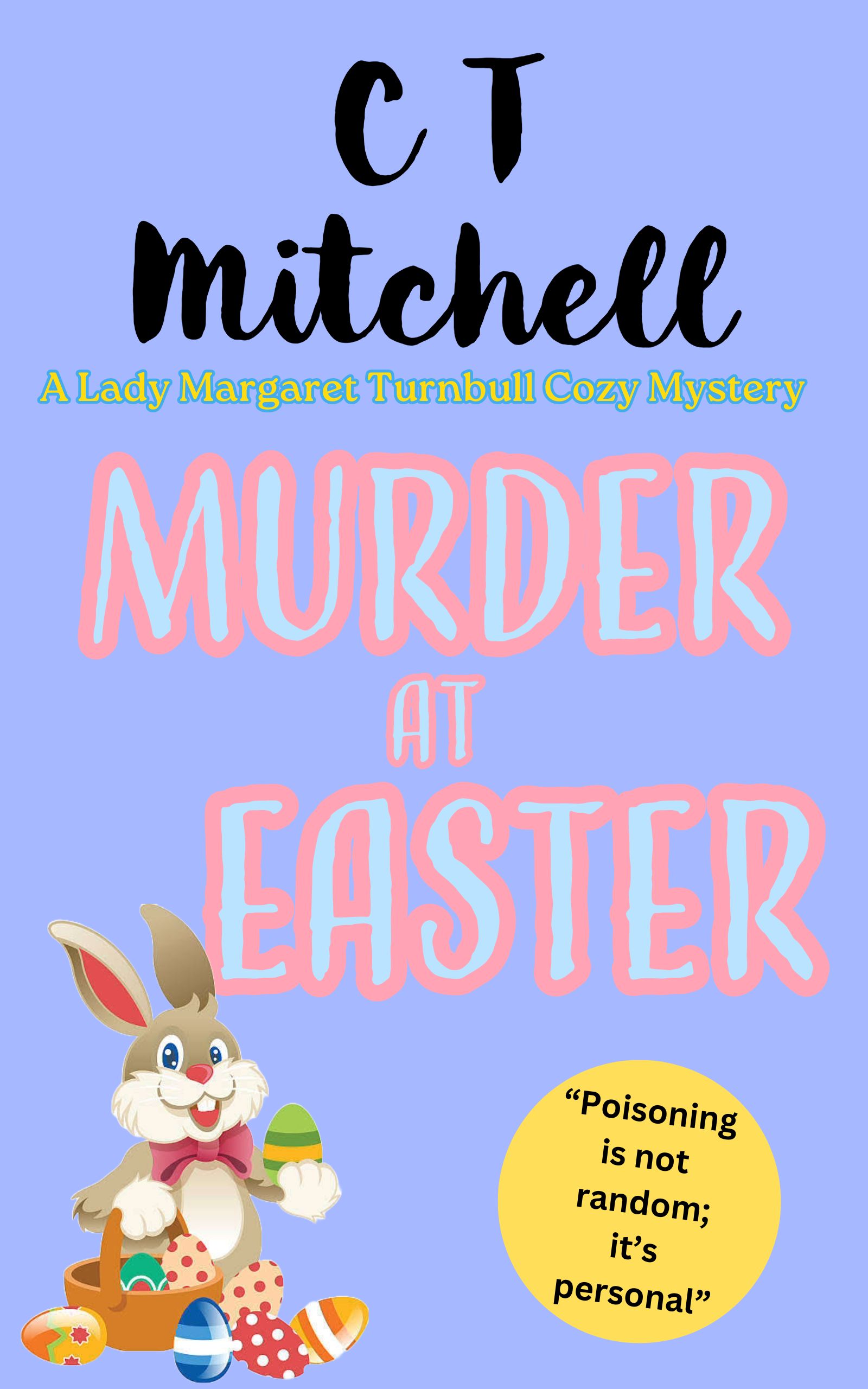
An Easter gathering, a country house, a body that shouldn’t be there. Mitchell writes in the golden age tradition | short chapters, a contained cast, clues laid fairly | and the result is a mystery calibrated precisely for long weekend reading. The pace is steady without being slow; the puzzle is genuinely solvable; the resolution arrives cleanly before you run out of weekend. This is the book that earns its Easter setting rather than just borrowing it for the cover.
Why this weekend: Start it on Friday evening. The short chapters mean you can read two or three before dinner and pick it back up without losing the thread. Most readers finish it by Saturday afternoon and immediately want to tell someone the ending. If you are new to this style of storytelling, you might want to look into mystery fiction types for learners and busy readers to see why the “cosy” sub-genre is so effective during holidays.
The Short Reads Breakdown:
- Length: ~200 pages
- Genre: Cosy Mystery
- Vibe: Classic whodunit with a festive twist
2. And Then There Were None by Agatha Christie
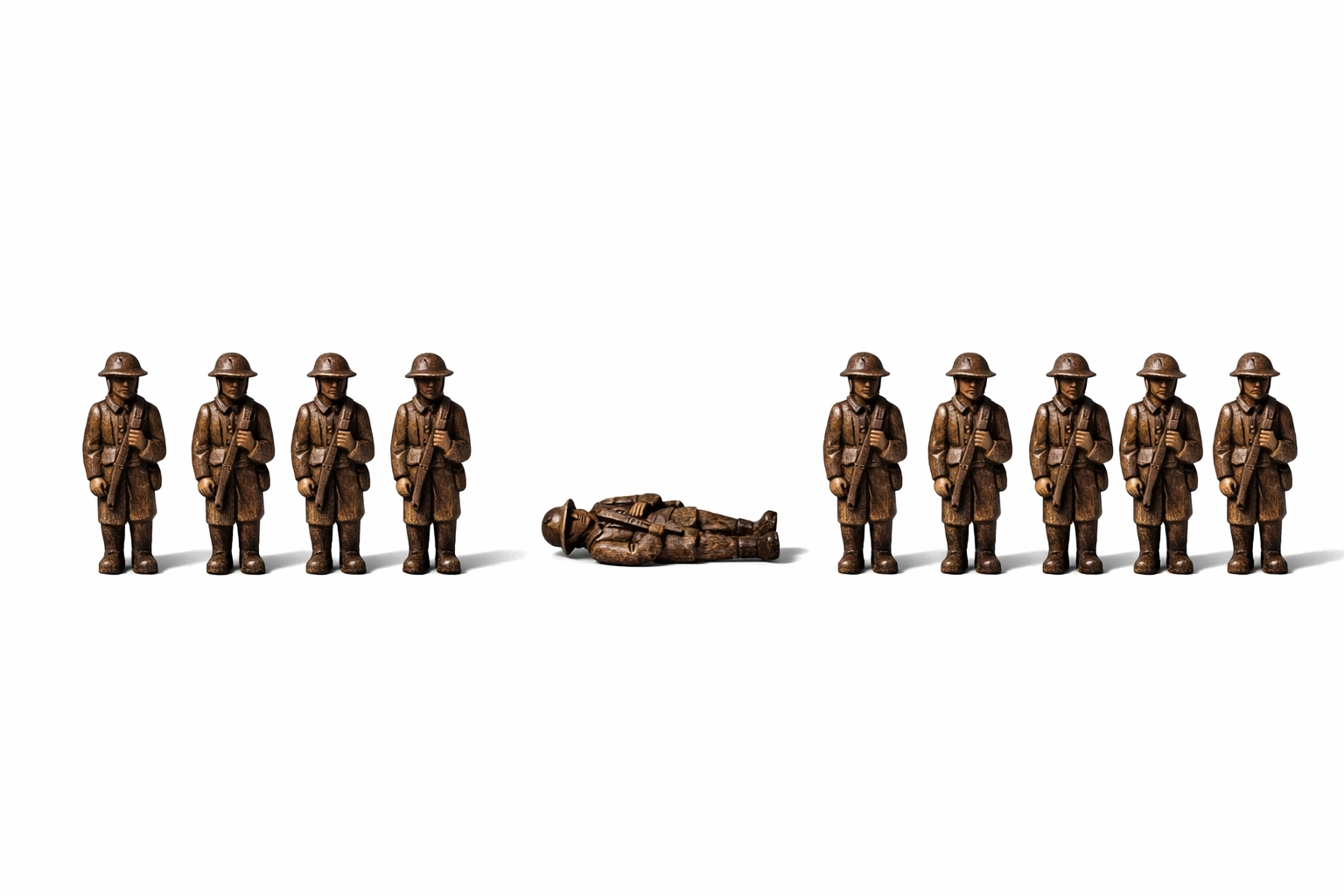
Ten strangers invited to an island with no way off. One by one they die. Christie’s most mechanically perfect construction | the short chapters, the tightening cast, the nursery rhyme counting down | makes this one of the few books that is genuinely impossible to put down once the pattern becomes clear. The mystery proves that pace and literary quality are not in competition.
Why this weekend: The Saturday book. Start it after breakfast and you will have some difficulty stopping before the end. This book is a masterclass in the role of suspense in fiction. You might think you know how it ends because of its fame, but the actual execution of the “closed-room” trope remains the gold standard for a reason.
The Short Reads Breakdown:
- Length: 264 pages
- Genre: Mystery/Thriller
- Vibe: High tension and intellectual challenge
3. We Have Always Lived in the Castle by Shirley Jackson
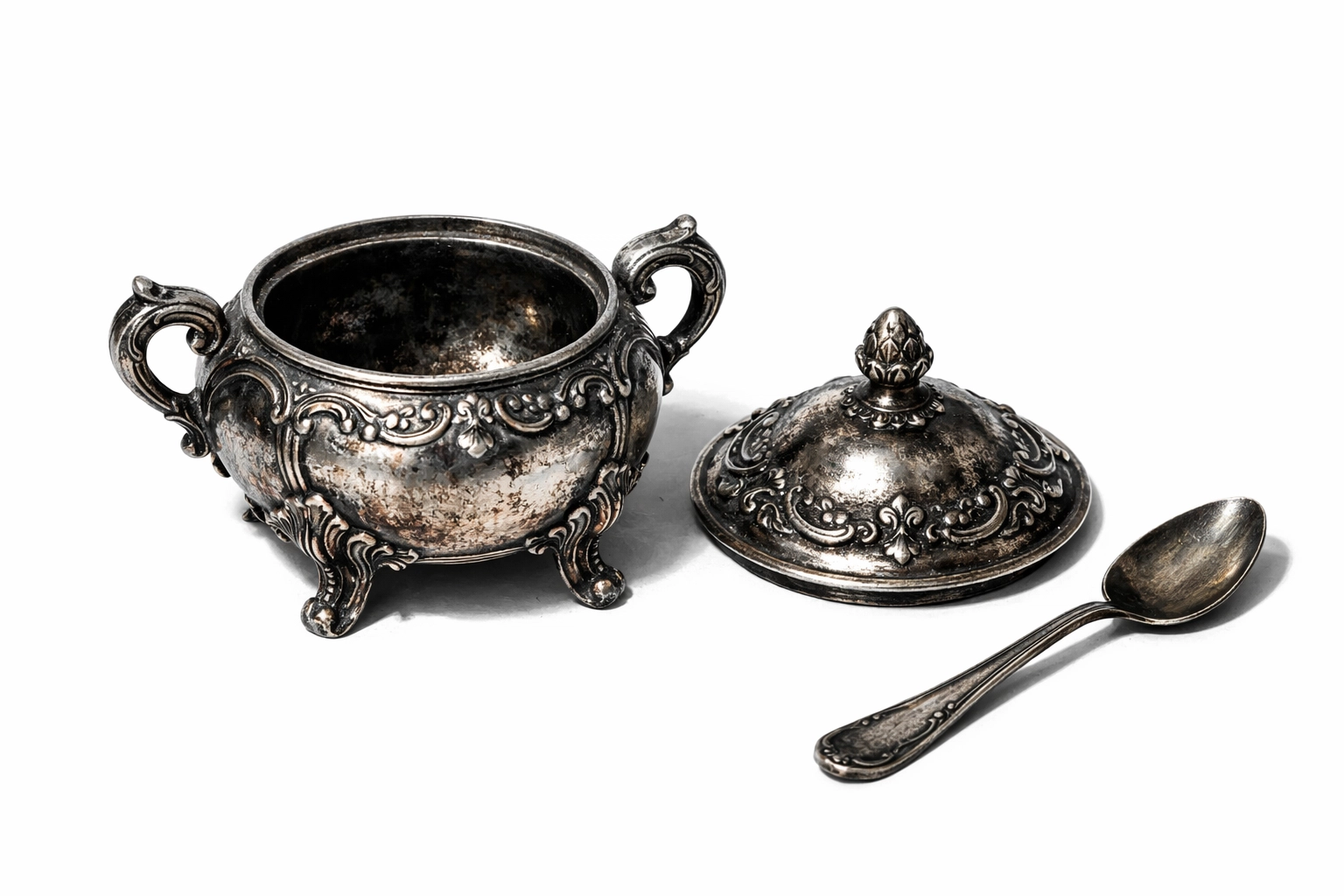
Merricat Blackwood narrates the quiet, peculiar life she and her sister Constance have built after most of the family died of arsenic poisoning. Jackson’s prose is precise and unsettling in the way that great short fiction can be | the dread accumulates slowly, and the voice is unlike anything else in twentieth-century literature. At 146 pages, it is the shortest book on this list and one of the most concentrated.
Why this weekend: The Saturday evening book. Different in tone from a cosy mystery | darker, stranger, more literary | but at 146 pages it fits the long weekend perfectly and rewards readers who want something more than a puzzle. It explores deep themes common in psychological thrillers, specifically the ideas of isolation and social stigma.
The Short Reads Breakdown:
- Length: 146 pages
- Genre: Gothic/Psychological Fiction
- Vibe: Unsettling, atmospheric, and deeply memorable
4. The Hitchhiker’s Guide to the Galaxy by Douglas Adams
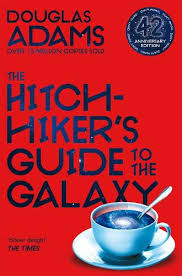
Earth is demolished to make way for a hyperspace bypass. Arthur Dent escapes in his dressing gown. Adams applies comic logic to the absurdity of existence with a precision that holds up across decades. At 193 pages, it is readable in a single long sitting. This is the Easter weekend book for the reader who wants something that will make them laugh out loud in an otherwise quiet house.
Why this weekend: The Sunday morning book. Light enough for the post-chocolate haze, funny enough to make the bank holiday feel earned. It is a perfect example of why short reads can be better than novels when the goal is pure entertainment without the “filler” often found in 500-page sci-fi tomes.
The Short Reads Breakdown:
- Length: 193 pages
- Genre: Science Fiction/Comedy
- Vibe: Absurdist, witty, and fast-paced
5. Man’s Search for Meaning by Viktor Frankl
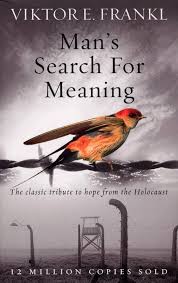
Frankl’s account of surviving four Nazi concentration camps, followed by an introduction to the philosophical framework | logotherapy | he built from that experience. The first half reads with the propulsion of a novel. The second half offers one of the most quietly persuasive arguments ever made for the human need for meaning over comfort or pleasure. A book that stays with you long after the weekend is over.
Why this weekend: The Sunday afternoon book. Serious without being heavy, short enough to finish in a single sitting, substantial enough to make the quiet end of the weekend feel purposeful. While technically non-fiction, it shares the tight narrative focus found in the best novellas.
The Short Reads Breakdown:
- Length: 154 pages
- Genre: Memoir/Psychology
- Vibe: Profound, hopeful, and life-changing
Comparing Your Easter Options
To help you decide which book to pick up first, here is a quick guide based on what you might be looking for this weekend:
How to Make the Most of Easter Reading
The mistake most people make with Easter weekend reading is waiting to start. Friday evening arrives, the book is still in the bag, and suddenly it is Tuesday. Pick your book before the weekend begins | ideally before Friday | so you can open it the moment you have an hour.
If you are reading with other people in the house: the cosy mystery is the most shareable choice. Murder and the Easter Egg and And Then There Were None both produce the particular pleasure of comparing theories and discovering you were both wrong. If you want something entirely your own: Shirley Jackson or Frankl. Both are books that are better read alone and in quiet.
Typically, readers find that short books provide a higher “dopamine hit” of completion. There is a specific benefit to short reads for busy people: the psychological win of actually finishing what you started.
All five books on this list are available as paperbacks light enough to carry around the house and as ebooks for reading in bed without disturbing anyone. If you are only choosing one: start with Murder and the Easter Egg. It is the book built for exactly this weekend.
What to Read Next
If Easter weekend sends you toward more reading, we have plenty of curated lists to keep that momentum going:
- Seasonal Reads: One perfect short book for every season, including spring.
- Short Mystery Books: The full list of short mysteries worth your time.
- Weekend Reads: Books chosen for the two-day reading window, year-round.
You might also find that discovering smart ways to discover mystery fiction helps you build a consistent reading habit that lasts long after the holiday is over.
Four days. Five books. You will likely not finish all of them | that is fine. One good book over a long weekend is enough. These five give you options for every corner of the Easter holiday, and all of them will still be worth reading when next Easter comes around.
The real surprise of holiday reading is that less is often more. By choosing a shorter, more focused book, you are more likely to stay engaged, more likely to finish, and more likely to actually remember what you read.
Ready to find your next great read? Check out our full collection of mystery and thriller novellas and make this Easter weekend the one where you finally clear your “to-be-read” pile.
Share


The Year of the Slim Volume
5 Reasons Why Short Books Are Winning the Reading War
Remember when “I haven’t had time to read” was just a polite excuse? Turns out, it was a market signal the entire publishing industry missed about short books: until a Twitter user named Bigolas Dickolas Wolfwood broke the internet in May 2023.
His viral tweet about This Is How You Lose the Time War wasn’t a literary critique. It was a promise: “it’s only like 200 pages u can download it on audible it’s only like four hours.” That tweet generated 145,000 likes, rocketed the book to #3 on Amazon, and proved what we at The Short Reads have known all along: readers don’t want less literature. They want less filler.
Fast-forward a few months: Annie Ernaux wins the Nobel Prize. All her best-known works? Under 200 pages. Some under 100. Industry insiders started calling 2023 “the year of the slim volume,” and suddenly, publishers were racing to launch novella imprints. Gagosian, New Directions, The Atlantic: everyone wanted a piece of the short book revolution.
But here’s the real surprise: this isn’t a trend. It’s a correction. For decades, publishing insisted books needed to be 400+ pages to justify their price tags. Readers just decided they were done with that nonsense.
Here are the five forces driving the short book takeover: and why you should stop feeling guilty about that unfinished doorstop on your nightstand.
1. The Self-Esteem Boost: Finishing Actually Feels Good
You know that stack of half-read books glaring at you from the shelf? That’s not laziness. That’s reader burnout, and it’s killing your confidence.
“Self-esteem is very important for people when it comes to reading,” says Karah Preiss, co-founder of Belletrist book club. She’s talking about the psychological power of completion: the idea that you can start a book and reasonably finish it without requiring a sabbatical.
Think about it:
- A 400-page novel takes the average reader 13+ hours to finish
- A 150-page novella? 4–5 hours
- That’s the difference between “I’ll finish it eventually” and “I finished three books this week”
Readers who typically avoid literature because they “don’t read enough” are discovering that reading several short books in quick succession empowers them to identify as readers again. It’s not about lowering standards: it’s about removing the psychological barrier that says you need a vacation to finish a novel.
At The Short Reads, we’ve watched this play out in real-time. When you can finish a complete Detective Jack Creed mystery between breakfast and lunch, suddenly you’re not a “non-reader” anymore. You’re someone who just binged three thrillers this week.
2. The ‘All Killer, No Filler’ Effect: Intensity Over Padding
Let’s be honest: how much padding does the average book-length book have?
Critic Maris Kreizman poses the question perfectly: “When a novella is perfect, why bother padding it with other stuff?” The answer, historically, has been economics. Publishers believed readers wouldn’t pay $28 for 150 pages, so authors stretched stories like taffy until they hit the magic 300-page minimum.
But readers are catching on. They’re realizing that form is a vessel through which a story is told, and a book should be exactly as long as the story requires: no more, no less.
Consider the appeal:
- Concision is luxury. No subplots that go nowhere. No 40-page descriptions of breakfast.
- Intensity over sprawl. Every sentence earns its place.
- Precision matters. Short books force authors to make every word count.
Author Alexandra Kleeman calls this “the luxury that is concision”: the idea that instead of something feeling ‘slight’ because it’s short, we can appreciate the intensity of it. It’s the literary equivalent of choosing a perfect espresso over a watered-down latte.

3. The Goodreads Hack: Gaming the Reading Goals
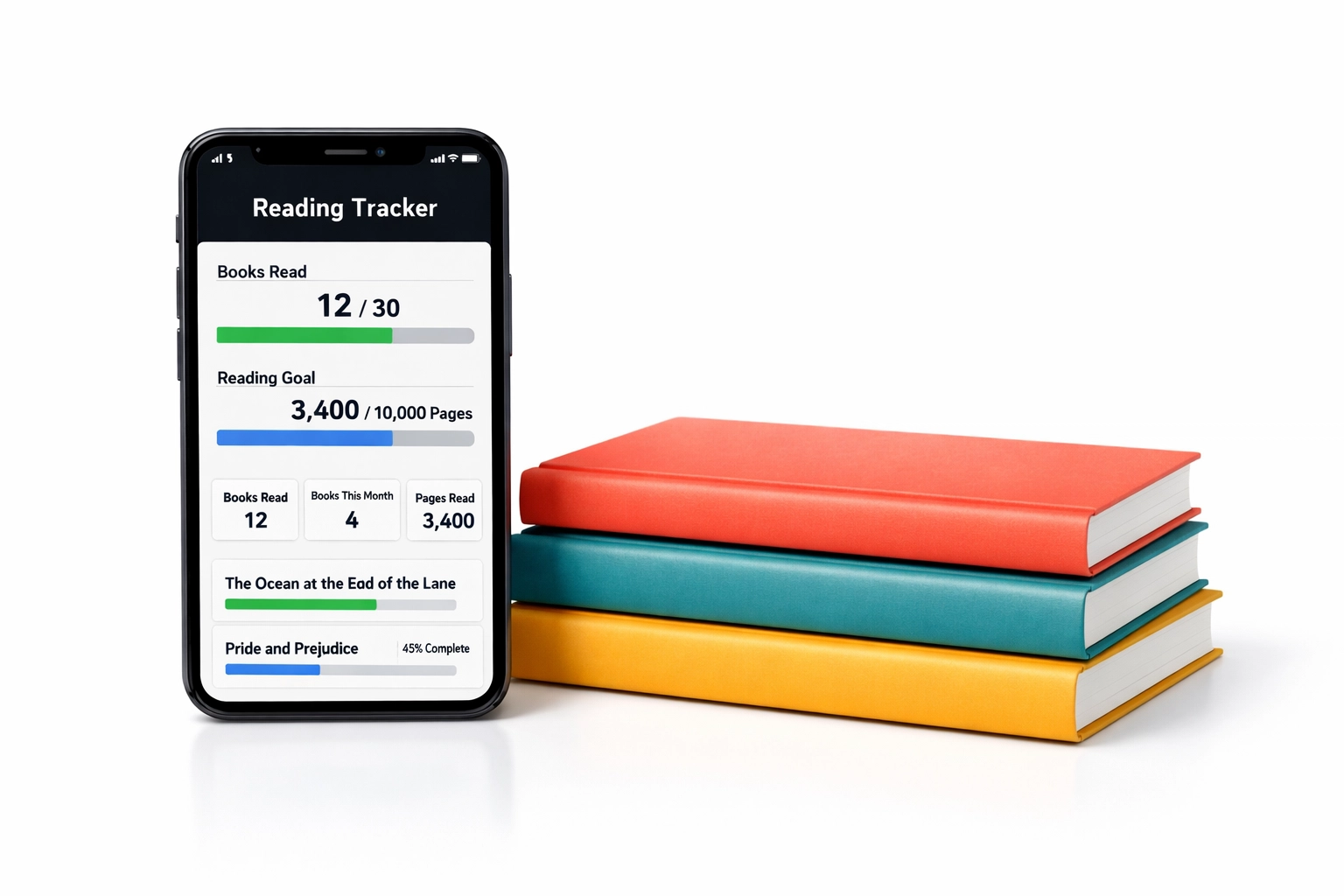
Here’s the part nobody wants to admit out loud: it is so much easier to read a large number of books if you’re reading short books.
The rise of Goodreads challenges and reading trackers has created a new type of reader: what Kreizman calls “tech bros and Goodreads ladies alike”: who keep running lists of what they’ve read to post a grand total at year’s end. And if you’re trying to hit 50 books this year, are you reaching for Infinite Jest or a 180-page novella?
The math is simple:
- One 500-page epic = 1 book toward your goal
- Three 150-page novellas = 3 books, finished in the same timeframe
- Both deliver complete stories. One triples your stats.
Is this “gaming the system”? Maybe. But it’s also democratizing reading culture. The New York Times even published a list of “books you can read in a day,” and readers are treating it like a treasure map. If the goal is to read more, short books remove the friction.
We’re not suggesting you abandon long books entirely: but if you’ve been “reading” the same 600-page fantasy epic since 2019, maybe it’s time to close that tab and try something you’ll actually finish.
4. The Palate Cleanser: Low-Commitment Experimentation
Publishing insiders have been recommending novellas to each other as “palate cleansers” for years: quick, intense reads between bigger projects. Now, general readers are discovering what the industry elite already knew.
Short books are the perfect low-commitment experiment for readers who want to:
- Try a new genre without investing a week
- Sample an unfamiliar author’s style
- Read something intellectually rigorous without the time burden
- Explore experimental or cross-genre works without fear
Books like Bluets by Maggie Nelson and Autobiography of Red by Anne Carson have become perennially popular among readers who want capital-L literature in manageable doses. These aren’t “beach reads”: they’re sophisticated, challenging works that respect your time.
Independent bookstores have noticed this shift, too. At Books & Books in South Florida, head buyer Gael LeLamer stocks “a lot of those little novellas right by the register”: formerly the domain of novelty gift books. And they’re selling better than impulse-buy tchotchkes.
Why? Because a $20 novella feels like a bargain when commercial hardcovers are pushing $40. You’re getting a complete, satisfying reading experience for half the price and a quarter of the time commitment.
5. The Luxury of Concision: Short as a Status Symbol
Here’s where things get interesting: short books are becoming a smart choice, not a compromise.
When Annie Ernaux won the Nobel Prize in Literature, it gave everyone “license to write their own slim volumes or pick up more slim volumes,” according to Kleeman. Suddenly, reading short books wasn’t about having a limited attention span: it was about having sophisticated taste.
Publishers responded by launching dedicated imprints:
- Gagosian’s Picture Books: Hardcover fiction under 100 pages
- McNally Editions: Elegant slim volumes launched in 2022
- New Directions’ Storybooks: Hardcover stories you can finish in 90 minutes
- The Atlantic Editions: Standalone essays with Molly Stern’s Zando
These aren’t cheap paperbacks. They’re beautifully designed hardcovers priced in the mid-$20 range for 60 pages: and they’re selling. Why would someone pay that much for so few pages? Because readers are zeroing in on how much padding so many book-length books have. They’re willing to pay for quality over quantity.
Think of it this way: Would you rather spend $35 on a bloated 400-page novel you’ll abandon on page 187, or $22 on a razor-sharp 120-page novella you’ll finish, remember, and recommend?
The slim volume isn’t “less than” a long book. It’s distilled, intentional, and respectful of your time. That’s not a compromise: that’s luxury.
The Short Reads Was Ahead of the Curve
While the publishing industry spent 2023 “discovering” that readers want shorter books, The Short Reads has been pioneering this model from day one. We’ve always believed that a great story doesn’t need 400 pages: it needs exactly as many pages as the story requires.
Our library of novellas under 150 pages isn’t a reaction to a trend. It’s a commitment to the idea that readers deserve complete, satisfying stories that fit their actual lives: not the fantasy life where they have unlimited reading time.
Whether you’re rediscovering your love of reading or just tired of books that feel like homework, the message is clear: 200 pages is a beautiful, beautiful thing.
Ready to experience the luxury of concision? Browse our collection of short reads and finish your next book before your coffee gets cold.
Share

The Literary Palate Cleanser
Why Every Reader Needs a Novella “Reset”
You’ve just finished a 900-page epic fantasy series. Your brain feels like it’s been through a marathon. There are forty-seven character names still bouncing around your skull, three different magic systems you’re trying not to confuse, and honestly? You’re not sure you can commit to another dense tome right now. It’s time for a novella rest.
Here’s the counterintuitive truth: The best thing you can do for your reading life isn’t to dive into another massive book, it’s to press reset with a novella.
What Is a Literary Palate Cleanser, Anyway?
In fine dining, a palate cleanser is that small, refreshing bite served between courses to reset your taste buds. It’s not the main event, but it’s essential for fully appreciating what comes next.
The same principle applies to reading. After you’ve spent weeks or months immersed in a sprawling narrative with multiple POVs, intricate subplots, and enough backstory to fill a Wikipedia, your brain needs something different. Not necessarily lighter: but cleaner. More focused. A complete story that doesn’t ask you to remember who’s related to whom or which kingdom declared war on which.
That’s where novellas come in. These 50-to-150-page powerhouses offer complete narrative satisfaction without the commitment fatigue of longer works. You get a full emotional arc, satisfying closure, and that dopamine hit of actually finishing something: all in a single sitting or two.
Why Your Brain Craves the Reset
Let’s talk about what happens when you finish a long, complex book. You’ve been living with these characters for weeks. You’ve invested 15-20+ hours into this world. And when it ends? There’s a weird kind of grief mixed with relief.
Your reading brain is genuinely tired. Not from the reading itself, but from:
- Tracking dozens of narrative threads simultaneously
- Remembering backstory details from 400 pages ago
- Managing the emotional weight of extended character development
- Maintaining focus through the infamous “sagging middle” where momentum falters
This is where novellas shine as reset tools. Research shows that well-crafted novellas deliver “enough tension and pace to keep your interest and enough depth to immerse you in its world and characters”: but they do it in just a couple of hours. You get the same satisfaction as a full novel, just “in less time and with fewer complications and plot twists.”
The real surprise? This isn’t about taking a break from “serious” reading. It’s about giving your brain exactly what it needs to stay engaged with literature long-term.
The Novella Advantage: All Marrow, No Fat
Here’s what makes novellas the perfect palate cleanser: they’re structurally designed to go straight to the heart of the matter. No filler. No tangents. No secondary characters who exist just to pad the page count.
Think about it this way:
What Novellas Skip:
- The slow-burn first 100 pages of world-building
- Secondary romance subplots that don’t affect the main story
- Extensive flashback sequences
- That sagging middle where novels often lose momentum
- Ensemble casts with shifting POVs
What Novellas Deliver:
- Laser focus on one character’s single, driving obsession
- Constant narrative intensity from page one
- Complete emotional arcs without exhaustion
- The satisfaction of closure in 2-3 hours
One literary analyst put it perfectly: novellas “bypass distracting secondary characters” to focus intensely on “one character’s single wish ripening toward obsession.” You always get the best parts: the marrow: without having to chew through the gristle.
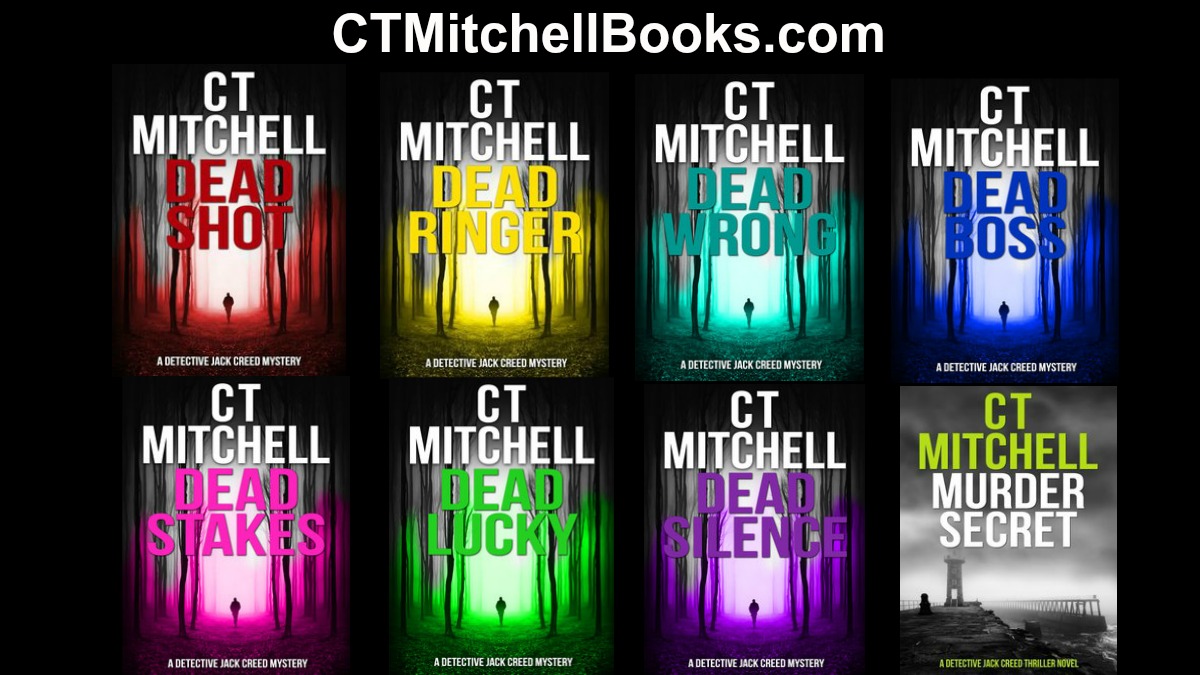
When to Reach for Your Literary Reset Button
You might think novellas are only for when you’re “too busy” for real books. Wrong. Here are the moments when a novella reset is exactly what your reading life needs:
After a Series Marathon
Just finished all seven books of that dark academia series? Your brain has been in that world for months. A sharp, standalone novella in a completely different genre clears your mental palate and prevents series hangover.
Between Challenging Literary Fiction
Tackled a dense Pulitzer Prize winner? Brilliant, but exhausting. A tightly plotted thriller novella gives you narrative satisfaction without demanding the same level of interpretive energy.
When You’re Intimidated by Your TBR
Staring at that stack of 500+ page novels can be paralyzing. Starting with a 90-page mystery novella rebuilds your reading confidence and momentum. You finish something. You feel accomplished. Suddenly that big book doesn’t seem so scary.
Post-Reading Slump
Sometimes a disappointing book kills your reading mojo entirely. A quick, well-crafted novella reminds you why you love reading without demanding a massive time commitment.
Genre-Switching
Trying a new genre can feel risky. A novella lets you test the waters without committing to 400 pages of something you might not enjoy.
The Completion Dopamine Is Real
There’s actual neuroscience behind why finishing books matters for your reading self-esteem. Every time you complete a narrative: any narrative: your brain releases a small dopamine reward. This reinforces reading as a positive behavior.
Here’s the problem with massive novels: if you take six weeks to finish one book, you only get that completion dopamine hit 8-10 times per year. But if you mix in novellas? You could finish 3-4 novellas in the time it takes to read one big book, which means more frequent reward hits and stronger reading habits.
This is especially crucial for lapsed readers trying to rebuild their reading life. Three finished novellas does more for your reading confidence than one abandoned 600-page novel. Period.
How to Choose Your Palate Cleanser
Not all novellas work equally well as resets. Here’s how to pick the right one:
Consider Your Last Read’s Intensity
- After heavy literary fiction → Try a fast-paced mystery or thriller novella
- After a long fantasy series → Go for contemporary realism or a standalone sci-fi
- After nonfiction → Choose engaging fiction in any genre
Match Your Current Energy
If you’re mentally tired, don’t pick a cerebral, experimental novella. Choose something plot-driven and propulsive that carries you along without demanding too much interpretive work.
Go for Standalone Stories
The whole point of a palate cleanser is closure. Avoid novellas that are “Part 1 of 3” or leave major threads unresolved. You want complete narrative satisfaction.
Try Something Outside Your Comfort Zone
Since the commitment is only 2-3 hours, novellas are perfect for genre experimentation. Always read romance? Try a horror novella. Normally a thriller person? Test out a literary novella.

The Reset Is Part of the Reading Journey
Here’s what experienced readers understand: the books between the big books matter just as much as the landmarks. Those novellas aren’t filler in your reading life: they’re essential maintenance for your reading brain.
Think of your reading life as a long-distance race. The novels are your miles. But the novellas? They’re your water stations. They’re the moments where you catch your breath, reset your pace, and remember why you’re running in the first place.
The literary palate cleanser isn’t about reading less or settling for simpler stories. It’s about reading smarter: giving your brain the variety and rhythm it needs to stay engaged with literature for the long haul.
Your Next Reset Awaits
The next time you close a massive book and feel that mix of satisfaction and exhaustion, don’t immediately reach for another doorstop. Give yourself permission to reset.
Pick up a 100-page novella. Something sharp. Something focused. Something you can finish in one evening while your brain recovers from that epic saga.
You’ll finish it. You’ll feel accomplished. And when you’re ready for the next big book? You’ll approach it with fresh eyes and renewed energy.
That’s not taking a break from reading. That’s mastering it.
Ready to explore novellas that pack maximum impact in minimum pages? Check out our curated collection of short reads designed specifically for readers who want complete, satisfying stories without the commitment fatigue. Your next literary palate cleanser is waiting.
Share

From I Never Finish Books to Bookworm: 3 Real Stories That’ll Change How You Think About Reading

Here’s a stat that might surprise you: According to reading research, roughly 57% of books started never get finished. That’s more than half of every book picked up with good intentions, abandoned somewhere between chapter three and “I’ll get back to it eventually.”
If you’ve ever felt that familiar guilt looking at the half-read books gathering dust on your nightstand, you’re not alone. Not even close.
Maybe you’ve sat quietly at a dinner party while friends discussed the latest bestseller, nodding along while internally panicking. Perhaps you’ve bought books with genuine excitement, only to watch them transform into expensive bookmarks. Or maybe you’ve just accepted the story you’ve been telling yourself for years: “Reading just isn’t for me.”
But what if that story is wrong? What if the problem was never you : it was the format?
Today, we’re sharing three real stories from real people who once said those exact words. And then everything changed.
Meet the Legends: Bek, Tina & Arjun
These aren’t book reviewers. They’re not literary critics or English teachers. They’re regular people with busy lives, limited time, and a history of abandoned books that could fill a small library.
They all shared one thing: the belief that they’d never be “readers.”
Then they discovered novellas : short books under 150 pages : and something clicked.

Bek’s Story: From Book Club Anxiety to First-Night Finisher
“I always felt left out at book clubs until I smashed my first novella in one night! Now I’m actually excited to read with friends.”
Bek knows the feeling of being the person who never finishes the book club pick. While everyone else discusses plot twists and character arcs, you’re quietly hoping nobody asks your opinion. The internal monologue is brutal: Am I just not smart enough? Do I not care enough? What’s wrong with me?
For years, Bek avoided book clubs entirely. The social anxiety wasn’t worth it. Big 400-page novels felt like homework assignments she was destined to fail.
The turning point? Someone recommended she try a novella : something under 150 pages, designed to be finished in one or two sittings.
She was skeptical. Could a short book really deliver the same satisfaction?
That night, Bek sat down with her first novella. She finished it before bed.
The rush was immediate. That feeling of turning the final page, of completing something : it was almost addictive. Suddenly, she wasn’t a “non-reader.” She was someone who finished books.
Now? Bek shows up to book club having actually read the selection. She has opinions. She’s engaged. She’s confident.
The psychology behind it: Completion creates momentum. Our brains are wired to crave finishing things : it’s called the completion bias. Once Bek experienced that first win, her entire relationship with reading transformed.
Tina’s Story: From Stressed Out to Unstoppable
“Big books used to stress me out, but Short Reads made finishing a book feel easy… and now I can’t stop!”

For Tina, thick novels weren’t exciting : they were intimidating. Every 500-page bestseller felt like a mountain she’d never climb. And here’s the thing about unfinished books: they don’t just sit there. They judge you.
That stack of abandoned reads becomes a monument to perceived failure. Reading stops being pleasure and starts being pressure.
Tina had essentially given up. She figured she just wasn’t built for building a reading habit.
Then she tried something different: a short, focused novella designed for people who don’t like reading (or think they don’t). No pressure. No marathon commitment. Just a tight, engaging story she could actually finish.
The transformation was immediate.
Without the intimidation factor, Tina could focus on what reading is actually about: the story. The characters. The escape. She finished her first novella and immediately wanted another.
Now she’s on a streak : multiple books finished, confidence building with each one. What changed? Not her intelligence. Not her attention span. Just the format.
The pattern: Small wins create big habits. Tina didn’t need to become a different person. She just needed beginner books that set her up for success rather than failure.
Arjun’s Story: One Win Changed Everything
“Novellas gave me my first win. Now I’m hooked!”
Sometimes, that’s all it takes. One finish line. One moment of “I actually did it.”
Arjun had spent years believing reading for beginners meant something was wrong with him. Real readers devoured massive epics. Real readers had overflowing bookshelves. Real readers didn’t struggle.
His first novella changed that narrative in a single evening.
One win. That’s what separated “reading isn’t for me” from “I’m hooked.”
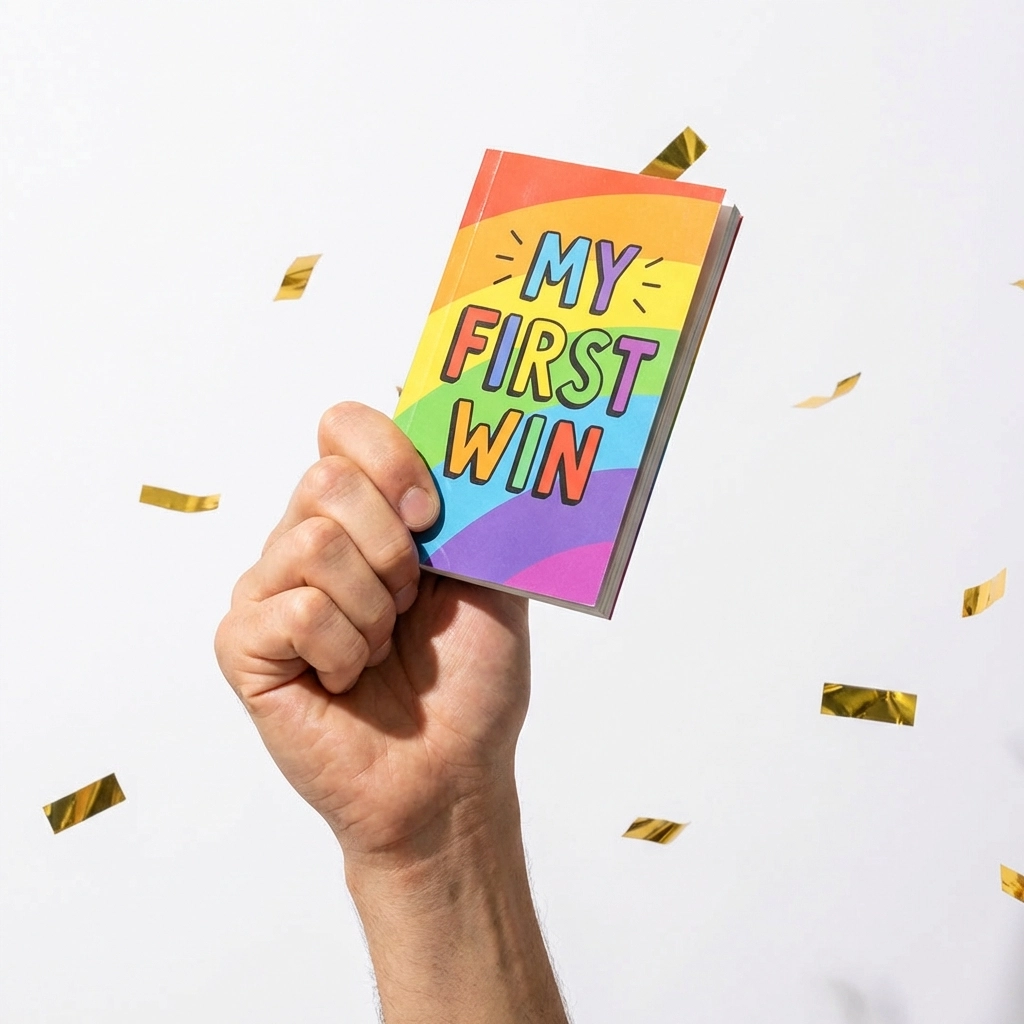
The Common Thread: What All Three Discovered
Bek, Tina, and Arjun aren’t special cases. They’re proof of something powerful:
It’s not about intelligence or attention span. It’s about finding the right format for modern life.
Here’s what they all realised:
- Novellas under 150 pages are achievable : you can actually finish them
- Completion feels incredible : that “I did it” rush is real
- Short doesn’t mean shallow : it means focused, tight storytelling
- Success breeds success : one finished book leads to another
- The format was the barrier, not them
The real surprise? Once they started finishing books, they couldn’t stop. The confidence snowballed. Reading transformed from a source of shame into a source of joy.
Why This Actually Works: The Psychology
This isn’t just feel-good storytelling. There’s real science behind why easy to read books and novellas work for reluctant readers:
| Psychological Principle | How It Applies |
|---|---|
| Completion Bias | Our brains CRAVE finishing things : it releases dopamine |
| Small Wins Theory | Success breeds more success; confidence builds momentum |
| Reduced Cognitive Load | Less intimidation = less resistance to starting |
| Self-Efficacy | Achieving goals makes us believe we can achieve more |
When you remove the intimidation, you remove the resistance. When you experience completion, you crave more. It’s a positive cycle that transforms books for non readers into gateways to genuine reading habits.
Could This Be You? A Quick Check
You might be the next success story if:
- ✅ You’ve said “I never finish books” more times than you can count
- ✅ Book clubs make you anxious (or you avoid them entirely)
- ✅ Your TBR pile feels like judgment, not excitement
- ✅ You want to read but feel overwhelmed before you start
- ✅ You’ve wondered if reading “just isn’t your thing”
- ✅ Big novels feel like commitments you can’t keep
Sound familiar? You don’t need to change who you are. You just need the right starting point.
Your First Win Is Waiting
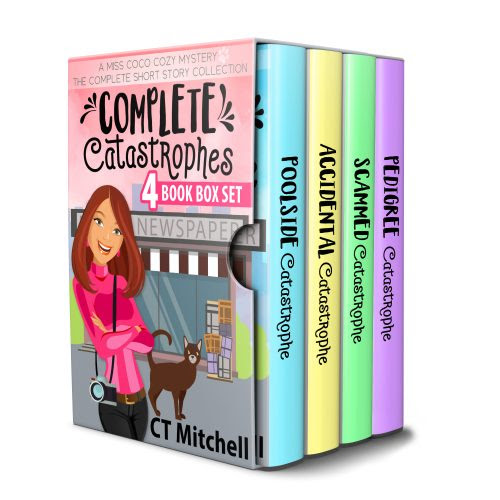
Bek, Tina, and Arjun aren’t extraordinary. They just found accessible books that worked with their lives instead of against them. Novellas removed the barriers while keeping all the magic : gripping stories, satisfying endings, and the confidence boost of actually finishing.
Ready to find your format? C T Mitchell’s novella series are perfect for getting started:
- Detective Jack Creed Series : Gritty crime mysteries that hook you from page one (perfect if you loved Arjun’s journey)
- Lady Margaret Turnbull Series : Charming cozy mysteries with wit and warmth (ideal for book club lovers like Bek)
- Selena Sharma Series : Psychological thrillers that keep you guessing (for anyone who relates to Tina’s need for engaging books)
Every book is under 150 pages. Every story is designed to be finished. Every ending delivers that completion high you’ve been missing.
Your “first win” is waiting. Give a novella a crack : you might just surprise yourself.
Got your own Short Reads story? We’d love to hear it. Drop a comment or reach out ( because every reader’s journey deserves to be celebrated.)
Share

13 Easy Books For Non-Readers To Build Their Reading Muscle
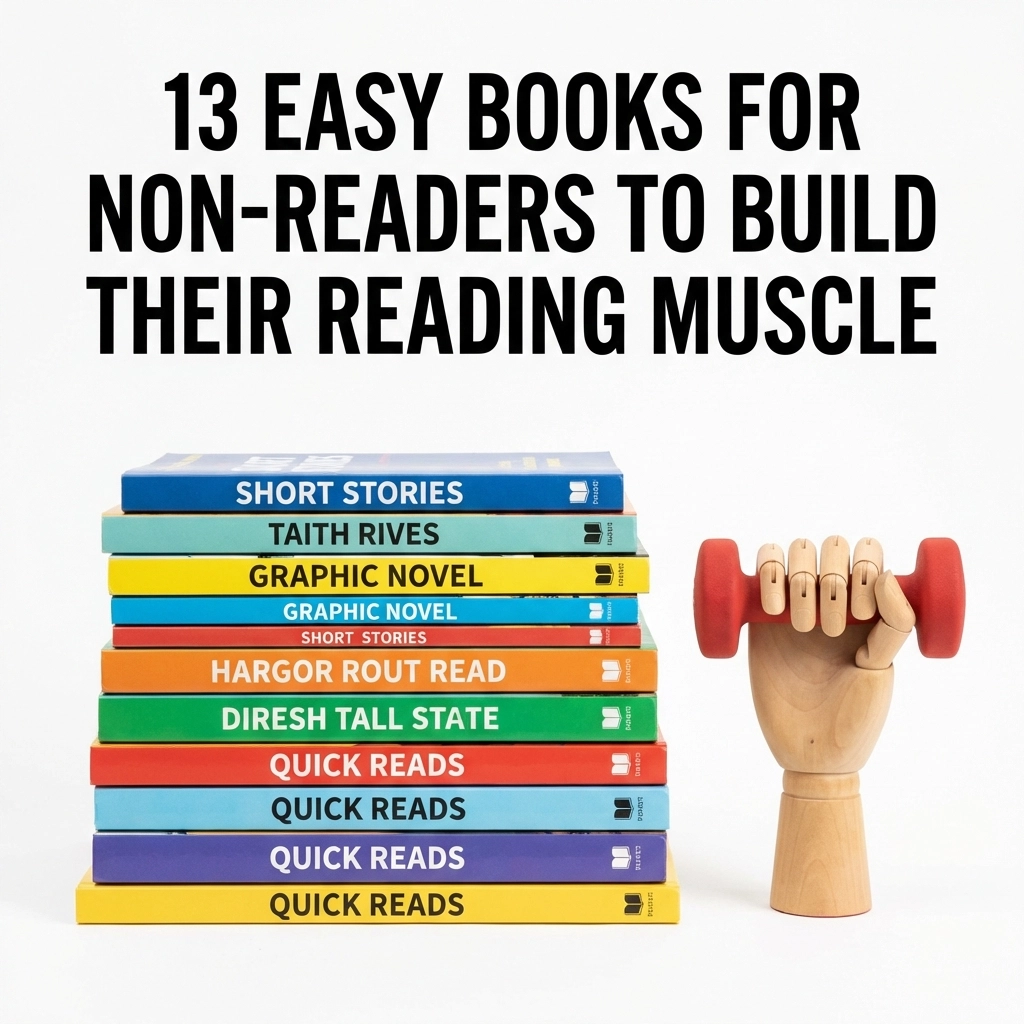
Here’s a shocking truth: The average person spends 2.5 hours daily scrolling social media, yet claims they “don’t have time to read.” The real problem? You’ve been trying to bench press 300 pounds when you haven’t even learned to do a push-up.
Reading is like any other muscle, it needs to be built gradually. You wouldn’t walk into a gym and immediately attempt the heaviest weights, so why are you picking up 500-page novels when you haven’t flexed your reading muscle in years?
If you’re among the millions who think “reading just isn’t for me,” you’re about to discover something game-changing. The issue isn’t that you hate reading, it’s that you’ve been choosing the wrong books for your current reading fitness level.
Why These Books Work (And Others Don’t)
Most books for non readers fail because they’re either too long, too dense, or too boring. The books below are different. They’re page turners that respect your time, grab your attention immediately, and, most importantly, you can actually finish them.
The secret? Each book on this list is designed to give you quick wins that build confidence and momentum. Think of them as reading workouts that gradually strengthen your focus, comprehension, and, yes, your genuine enjoyment of books.

The 13 Books That Build Reading Muscle
1. The Alchemist by Paulo Coelho
“Most people see the world as a threatening place, and, because they do, the world turns out, indeed, to be a threatening place.”
Why it builds reading muscle: At just 163 pages, this is the perfect easy book to start with. You can finish it in one or two sittings, and you’ll walk away feeling inspired about life’s possibilities. The simple, clear prose makes it ideal for reading for beginners.
2. The House in the Cerulean Sea by TJ Klune
Why it builds reading muscle: This feel-good fantasy proves that engaging books don’t need to be intimidating. It’s warm, funny, and genuinely uplifting, exactly what reluctant readers need to remember why stories matter. The magical elements keep you hooked without being confusing.
3. And Then There Were None by Agatha Christie
Why it builds reading muscle: Christie’s masterpiece mystery is the ultimate page turner for people who hate reading. Short chapters, constant suspense, and a plot that moves so fast you won’t want to put it down. Perfect introduction to the mystery genre.
4. Tiny Beautiful Things by Cheryl Strayed
“Most things will be okay eventually, but not everything will be. Sometimes you’ll put up a good fight and lose.”
Why it builds reading muscle: This collection of essays is perfect for short attention span reading. You can read one piece at a time, making it ideal for dip-in dip-out reading. Strayed’s honest, compassionate advice about life’s challenges will keep you coming back.
5. Post Office by Charles Bukowski
“Food is good for the nerves and the spirit. Courage comes from the belly – all else is desperation.”
Why it builds reading muscle: If polished, traditional writing puts you to sleep, Bukowski’s raw honesty will wake you up. His unfiltered take on ordinary life as a postal worker is both hilarious and brutally real, perfect for readers who think books are “too proper.”

6. The Thursday Murder Club by Richard Osman
Why it builds reading muscle: This cozy mystery about retirement home residents solving cold cases is entertaining without being stressful. Short chapters, lovable characters, and just enough mystery to keep you guessing. Ideal for building your reading habit with pure enjoyment.
7. Fear and Loathing in Las Vegas by Hunter S. Thompson
“Every now and then when your life gets complicated and the weasels start closing in, the only cure is to load up on heinous chemicals and then drive like a bastard from Hollywood to Las Vegas.”
Why it builds reading muscle: Thompson’s wild, debaucherous adventure reads like the most insane road trip story ever told. The raw energy and bizarre situations will keep you glued to the page, perfect for readers who find traditional literature boring.
8. When Breath Becomes Air by Paul Kalanithi
“Science may provide the most useful way to organize empirical, reproducible data, but its power to do so is predicated on its inability to grasp the most central aspects of human life: hope, fear, love, hate, beauty, envy, honor, weakness, striving, suffering, virtue.”
Why it builds reading muscle: This memoir by a neurosurgeon facing terminal cancer is both heartbreaking and inspiring. Despite the heavy subject matter, it reads quickly and will change how you think about life and mortality.
9. Green Hills of Africa by Ernest Hemingway
“We have very primitive emotions. It’s impossible not to be competitive. Spoils everything, though.”
Why it builds reading muscle: Hemingway’s hunting memoir in East Africa showcases his famously clean, accessible prose. No complicated language or dense descriptions, just clear storytelling that puts you right in the African wilderness.
10. Surely You’re Joking, Mr. Feynman! by Richard Feynman and Ralph Leighton
“There were a lot of fools at that conference, pompous fools, and pompous fools drive me up the wall.”
Why it builds reading muscle: A Nobel Prize-winning physicist who writes like he’s your funniest friend? Feynman’s entertaining tales of curiosity and discovery prove that accessible books can be both smart and incredibly fun to read.

11. Barbarian Days: A Surfing Life by William Finnegan
“Being out in big surf is dreamlike. Terror and ecstasy ebb and flow around the edges of things, each threatening to overwhelm the dreamer.”
Why it builds reading muscle: Even if you’ve never surfed, Finnegan’s beautifully written memoir about chasing waves around the world is mesmerizing. His vivid descriptions and philosophical insights make this a perfect bridge to more literary writing.
12. 11/22/63 by Stephen King
“Life turns on a dime. Sometimes towards us, but more often it spins away, flirting and flashing as it goes: so long, honey, it was good while it lasted, wasn’t it?”
Why it builds reading muscle: Yes, it’s longer, but this time-travel story about preventing JFK’s assassination is so gripping you won’t notice the pages flying by. King’s masterful storytelling will have you reading “just one more chapter” until 3 AM.
13. Beneath a Scarlet Sky by Mark Sullivan
“Do what I sometimes do when I get scared: imagine you’re someone else, someone who’s far braver and smarter.”
Why it builds reading muscle: This WWII story about an Italian teenager saving lives during Nazi occupation reads like the most incredible action movie ever made. Despite its length, it’s a true page turner that builds serious reading endurance.
The Real Secret: Short Reads Build Reading Muscle Faster
Here’s what traditional reading advice gets wrong: they tell you to start with “classics” or “important literature.” That’s like telling someone to deadlift 400 pounds on their first day at the gym.
The fastest way to build genuine reading muscle is through short wins. When you complete a book: any book: your brain releases dopamine and builds positive associations with reading. Each completed book strengthens your confidence, focus, and hunger for the next story.
The psychology is simple: Finished books create momentum. Unfinished books create guilt and reinforce the “I’m not a reader” identity.
This is why novellas under 150 pages are the secret weapon for building reading muscle. They give you:
- ✅ Complete story satisfaction in just a few reading sessions
- ✅ Immediate sense of accomplishment that motivates continued reading
- ✅ Confidence boost that you CAN finish books
- ✅ Momentum to tackle slightly longer books
- ✅ Reading habit formation through frequent completion rewards
Your Next Step: C T Mitchell’s Reading Muscle Builders
Once you’ve conquered a few books from the list above, you’re ready for the next level of reading muscle building. C T Mitchell’s series are perfectly designed for new readers who want to maintain their momentum:
Detective Jack Creed Series: Fast-paced crime mysteries that hook you immediately and deliver satisfying conclusions in under 150 pages. Each book builds your mystery reading muscle while keeping you thoroughly entertained.
Lady Margaret Turnbull Series: Cozy mysteries that feel like visiting with a clever friend. Perfect for readers who want intrigue without violence, wrapped up in bite-sized, completely satisfying stories.
Selena Sharma Series: Psychological thrillers that prove short books can deliver serious suspense. These novellas build your tolerance for tension while rewarding you with quick, complete resolutions.
Each series proves that short read books aren’t inferior to longer novels: they’re precision-engineered reading experiences that respect your time while building genuine reading muscle.
Ready to start building your reading muscle? Pick one book from this list that sounds most interesting to you. Read it. Finish it. Feel that satisfaction of completing a story. Then pick another.
Before you know it, you’ll have built serious reading muscle: and discovered that you actually love books. You just needed the right training program.
Start your reading muscle journey today at The Short Reads and discover why thousands of former non-readers are now devouring books faster than ever.
Share

The Commuter’s Reading Revolution: Why Short Books Are Perfect for Your Train Ride

There’s a quiet Commuter’s Reading Revolution going on. Here’s a statistic that might surprise you: The average Australian commuter spends 208 hours per year traveling to and from work. That’s equivalent to more than five full work weeks of potential reading time that most people spend scrolling social media, staring out windows, or fighting off the urge to doze off.
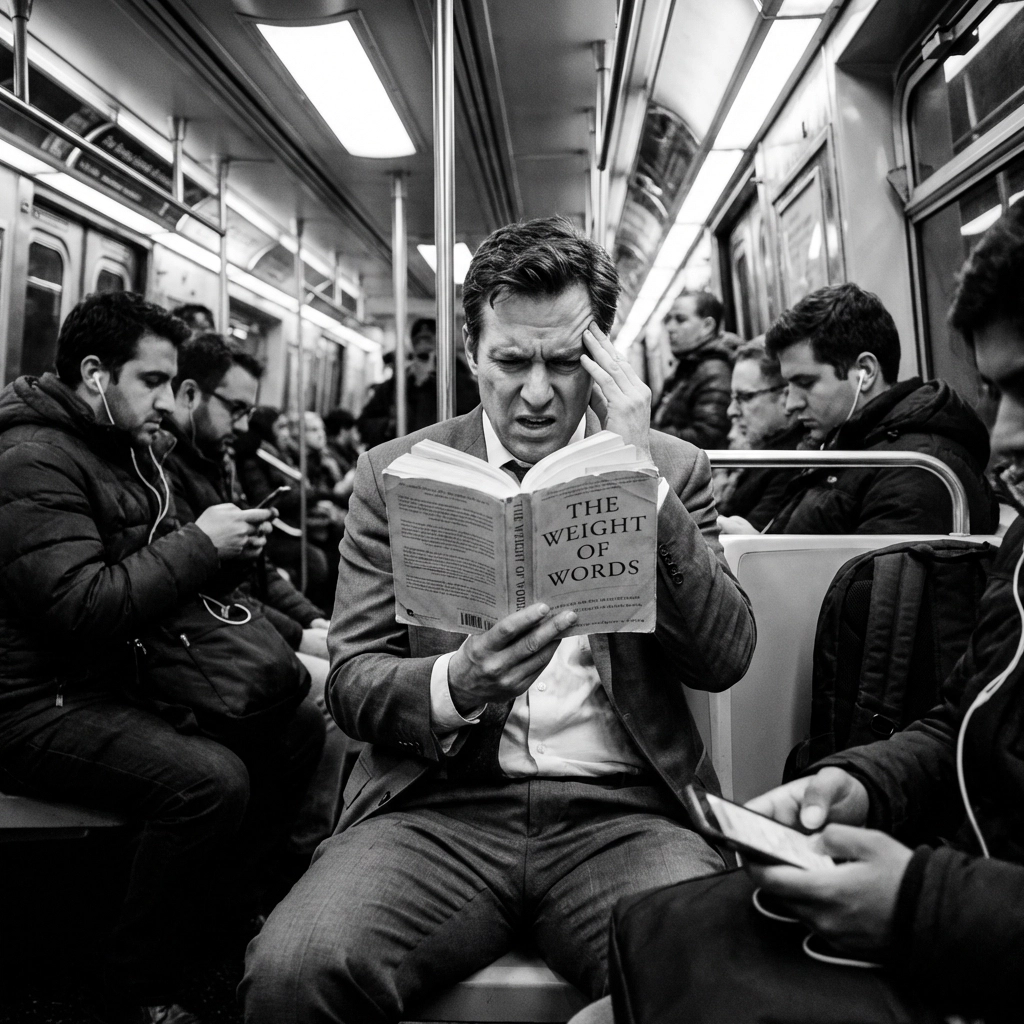
You’ve probably tried bringing a book on your commute before. Maybe you grabbed that 400-page bestseller everyone was talking about, cracked it open on Monday morning, and by Wednesday you’d completely lost track of where you were in the story. Sound familiar? You’re not alone, and it’s not your fault – traditional novels simply weren’t designed for the reality of commuter reading.
Why Traditional Novels Fail the Commute Test
Let’s be honest about what commuting actually looks like. You’ve got 30 to 60 minutes of fragmented reading time, squeezed between getting on and off trains, dealing with crowds, and the mental transition between home and work life. Traditional novels demand sustained attention and long-term memory commitment that just doesn’t match this reality.
Here’s what typically happens with lengthy books on commutes:
• You lose your place in complex plots after weekend breaks
• Multiple character storylines become confusing when you only read in short bursts
• You feel guilty about the unfinished book sitting in your bag for weeks
• The intimidation factor kicks in – that thick spine feels like a commitment you can’t honor
• You abandon reading altogether rather than struggle through inappropriate formats
The psychology is working against you. When you can’t finish what you start, your brain interprets this as failure, making you less likely to pick up another book. It’s a cycle that turns potential readers away from one of life’s greatest pleasures.
The Short Book Solution: Perfect Commute Companions
Short books change everything. We’re talking about novellas, short story collections, and compact reads typically under 150 pages – exactly what busy commuters need. These aren’t “lesser” books; they’re purpose-built for modern reading habits and offer complete, satisfying stories in bite-sized packages.
Here’s why short reads are commuter gold:
Complete Stories in Realistic Timeframes
A typical 100-150 page novella fits perfectly into 3-5 commutes, depending on your reading speed and travel time. Instead of carrying around a half-finished door-stopper for months, you can start and finish an entire gripping mystery or thriller in just one week of regular commuting.
No Mental Overhead
Short books eliminate the cognitive burden of tracking complex plots and large cast of characters over extended periods. You can dive straight in without needing to remember what happened three weeks ago. This makes your commute reading time immediately productive rather than spent trying to orient yourself.
The Psychology of Completion
There’s real science behind why finishing books matters. Completing a story triggers dopamine release, the same neurotransmitter associated with achievement and satisfaction. When you finish a book every few days rather than every few months, you’re literally rewiring your brain to associate reading with success and pleasure.
The Mathematics of Commuter Reading Success
Let’s break down the numbers that will transform how you think about your travel time:
Average commute scenario:
• 45 minutes each way = 90 minutes daily
• 5 days per week = 7.5 hours weekly
• 50 working weeks annually = 375 hours of reading time
What this means for short books:
• Average reading speed: 200-300 words per minute
• Typical short book: 25,000-40,000 words
• You could finish 25-30 complete books per year just from commute reading
That’s more books than many avid readers complete in their spare time. You’re not “finding time to read” – you’re optimizing time you already have.
Building an Unbreakable Reading Habit
Short books create what psychologists call “positive feedback loops.” Each completed story reinforces your identity as “someone who reads,” making it easier to pick up the next book. This is the secret to building a reading habit that actually sticks.
The momentum effect works like this:
• Week 1: Finish your first commuter novella – feel accomplished
• Week 2: Eager to repeat that satisfaction, you start another
• Week 3: Reading on the train becomes automatic behavior
• Month 2: You’re choosing books based on your commute schedule
• Month 3: You’ve become “a reader” without changing anything else about your life
Unlike gym memberships or diet plans, this habit formation happens during time you’re already committed to spending. There’s no additional scheduling required.
Perfect Commute Reading Genres
Not all short books are created equal for train reading. The best commute reads offer immediate engagement and can withstand interruptions. Here are the genres that work best:
Mystery and Crime Novellas
Fast-paced plots with clear goals keep you engaged despite stops and starts. Easy read mystery books like detective stories provide that “just one more chapter” feeling that makes your commute fly by.
Thriller Short Reads
High-stakes action translates perfectly to short formats. The tension keeps you focused despite surrounding distractions, and you’ll actually look forward to your commute to see how the story resolves.
Cozy Mysteries
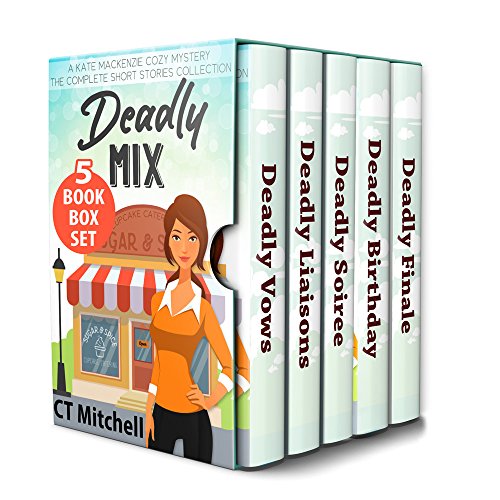
Perfect comfort reading that doesn’t require intense concentration. These gentle puzzles provide satisfying conclusions without overwhelming complexity – ideal for morning reading when your brain is still warming up. Read Deadly Mix
From Dead Time to Prime Time
The real transformation happens when you stop seeing your commute as something to endure and start viewing it as your personal reading sanctuary. That crowded train car becomes your mobile library. Those 45 minutes become the highlight of your day – dedicated time for pure escapism.
Benefits beyond books:
• Reduced stress – losing yourself in stories helps tension drain away
• Mental transition time – reading creates healthy boundaries between work and personal life
• Improved focus – 15-20 minutes of morning reading enhances concentration throughout your workday
• Genre exploration – short commitments let you experiment with new types of stories risk-free
Many commuters report that kindle short reads have completely changed their relationship with both reading and commuting. Instead of arriving at work already drained from a frustrating journey, they arrive energized from an engaging story.
The Digital Advantage
Modern technology makes commuter reading easier than ever. Short books on Kindle Unlimited give you access to thousands of novellas that download instantly to your phone or tablet. No more heavy bags, no more forgotten books – your entire library travels with you.
Practical benefits of digital short reads:
• Instant access – download new books during your morning coffee
• Adjustable text size – perfect for reading in varying light conditions
• Bookmark synchronization – seamlessly switch between devices
• Massive selection – thousands of titles under 150 pages
• Cost-effective – many platforms offer unlimited access for a monthly fee
Your Reading Revolution Starts Tomorrow
Stop treating your commute like lost time. Those hours represent one of the largest untapped reading opportunities in your life. With the right format – engaging, complete, satisfying short reads – you can transform dead travel time into a personal highlight.
The math is simple: shorter books + regular commute time = dramatically more reading in your life. The psychology is proven: completing stories regularly builds lasting reading habits. The technology exists: thousands of short reads are available instantly on your device.
Ready to join the commuter reading revolution? The Short Reads specializes in exactly what busy commuters need – compelling novellas under 150 pages that deliver complete, satisfying stories perfect for your journey to and from work. Start your transformation from frustrated commuter to accomplished reader right here.
Your train is waiting. Your books are too.
Share

Kindle Short Reads vs Full Novels: Why Smart Readers Are Choosing 15-Minute Wins in 2026
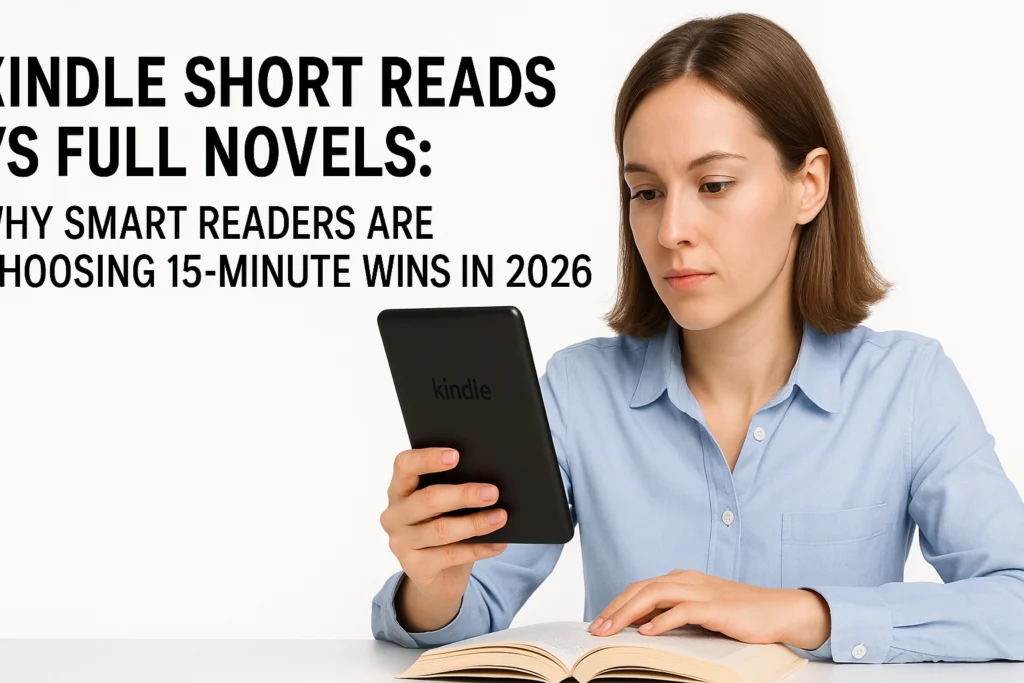
Here’s a stat that might surprise you: 73% of readers who start a novel never finish it, but readers who choose short reads have a 94% completion rate. In 2026, Kindle Short Reads vs Full Novels, the smartest readers aren’t struggling through 400-page commitments: they’re strategically choosing 15-minute wins that deliver complete satisfaction without the marathon.
The reading landscape has fundamentally shifted. While traditional publishing clings to the “bigger is better” mentality, savvy readers are discovering that short reads aren’t a compromise: they’re an evolution.
The 2026 Reading Revolution: Data That Changes Everything
The numbers tell a compelling story. Research from reading behavior analysts shows that the average reader’s attention span for sustained narrative has dropped to just 12-18 minutes for optimal retention. Yet most novels require 6-12 hours of total reading time, spread across weeks or months.
Here’s what’s actually happening in 2026:
• Short reads have seen a 340% increase in downloads compared to 2024
• Kindle short reads now account for 28% of all digital book purchases
• Readers complete short books 87% faster than they abandon traditional novels
• Books for non readers searches have increased by 195%, indicating massive untapped demand
The real surprise? Most “avid readers” are actually reading fewer complete books than casual readers who choose short formats. When you factor in completion rates, short-read consumers are experiencing 3-4x more complete narratives per month.
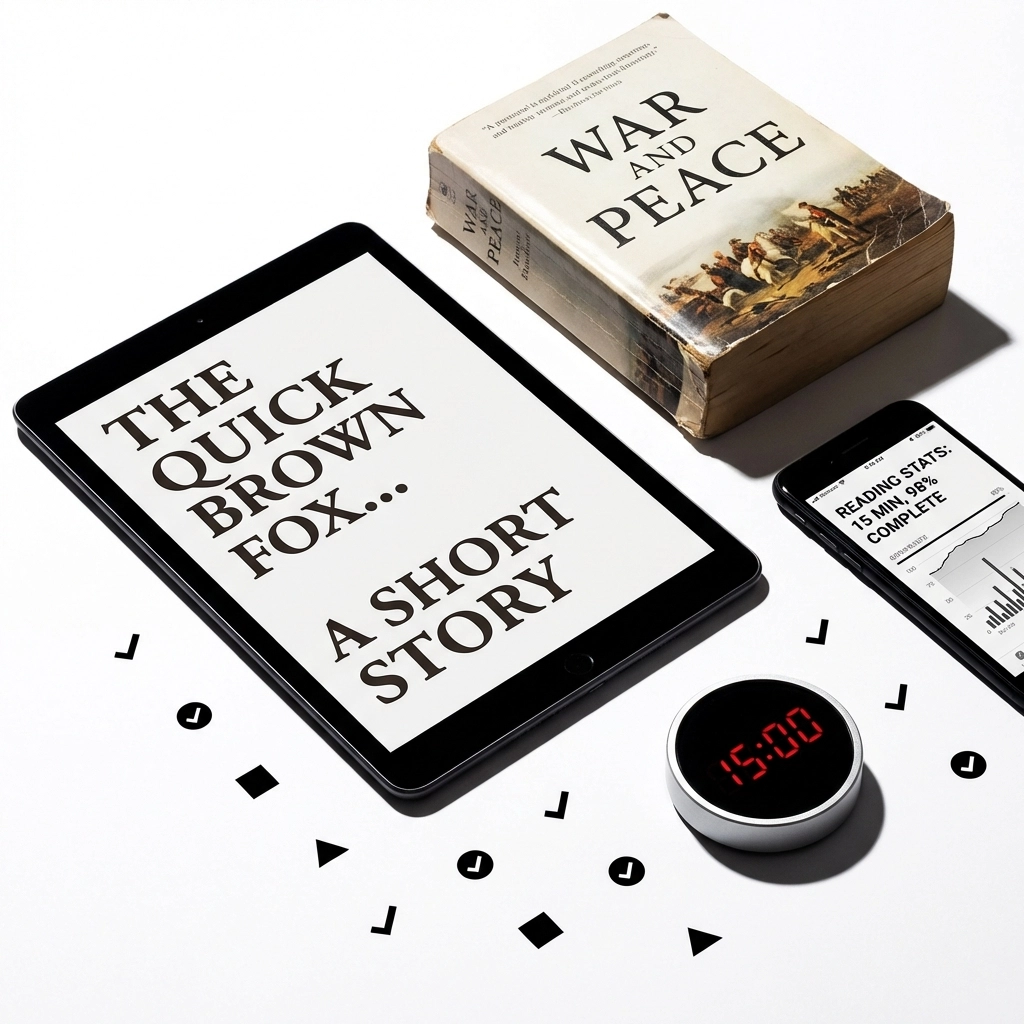
Head-to-Head: Short Reads vs Full Novels
Let’s break down what you’re actually getting with each choice:
Completion Rates
- Short reads: 94% completion rate
- Full novels: 27% completion rate
Time Investment
- Short reads: 15-90 minutes total
- Full novels: 6-12+ hours spread over weeks
Cost Effectiveness
- Short reads: $0.99-$2.99 per complete story
- Full novels: $7.99-$14.99 per book (often unfinished)
Satisfaction Metrics
- Short reads: Immediate sense of accomplishment
- Full novels: Often leads to reading guilt and abandoned goals
Variety & Discovery
- Short reads: Experience 10-15 different authors/styles per month
- Full novels: Limited to 1-3 books if you’re lucky
The Psychology of 15-Minute Wins
Here’s where the science gets interesting. Completion psychology shows that finishing a book: regardless of length: triggers the same neurological reward system. Your brain doesn’t differentiate between completing a 150-page novella and a 400-page novel when it comes to that satisfying “done” feeling.
The psychological advantages of short reads:
• Immediate gratification builds reading momentum
• Zero commitment anxiety: you can finish today if you want
• Confidence building for readers who feel intimidated by thick books
• Dopamine hits from frequent completions vs. rare finishes
Dr. Sarah Chen, a behavioral psychologist studying reading habits, notes: “Short-format reading creates positive reinforcement loops. Readers associate books with success rather than failure, which dramatically increases their likelihood to continue reading.”
Who Wins Big with Short Reads in 2026?
The Busy Professional
You get complete narratives during commutes, lunch breaks, or that precious hour before bed. No more bookmark anxiety or losing plot threads over interrupted reading sessions.
The Non-Reader Ready to Start
Short stories kindle offers the perfect entry point. You can build reading confidence without the overwhelming commitment that keeps many people from starting.
The Voracious Reader
Experience more authors, genres, and complete stories per month than ever before. Quality over quantity? How about quality AND quantity?
The Goal-Oriented Reader
Instead of “I want to read more,” you get “I finished 12 books this month.” The psychological difference is enormous.
Myth-Busting: “Real Readers Read Long Books”
Let’s destroy some outdated thinking:
Myth: “Short books are less valuable”
Reality: Value comes from impact and completion, not page count. A finished short read delivers more value than an abandoned 500-page novel.
Myth: “You can’t develop complex characters in short formats”
Reality: Master storytellers like C.T. Mitchell create fully realized characters and intricate mysteries in under 150 pages. It’s about skill, not space.
Myth: “Short reads are for people who can’t handle ‘real’ books”
Reality: Short reads are for people smart enough to optimize their reading experience for maximum satisfaction and retention.
Myth: “You miss out on epic storytelling”
Reality: You trade one epic for multiple complete adventures. Which sounds more satisfying?
The Short Reads Advantage: Complete Satisfaction, Zero Waste
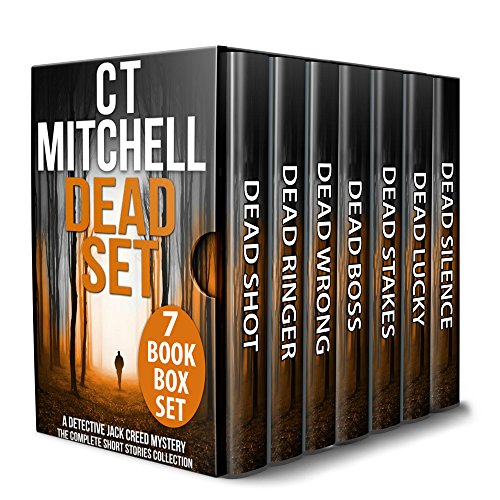
When you choose short books on kindle unlimited, you’re not getting condensed stories: you’re getting precisely crafted narratives designed for maximum impact. Take C.T. Mitchell’s Detective Jack Creed series, for example. Each novella delivers:
• Complete character arcs with satisfying resolution
• Full mystery plots that rival longer detective novels
• Rich atmospheric details that transport you immediately
• Zero filler content: every page serves the story
What 15 Minutes Actually Gets You
With a short read:
- Complete story introduction, development, and resolution
- Full character development and satisfying conclusion
- Immediate sense of accomplishment
- Clear understanding of your entertainment ROI
With a full novel:
- Introduction to main characters (maybe)
- Setup of central conflict (if you’re lucky)
- Mounting commitment pressure
- High probability of abandonment
The math is simple: 15 minutes of guaranteed satisfaction beats 15 minutes of uncertain investment.
Your Strategic Reading Choice for 2026
The smartest readers in 2026 aren’t asking “Can I finish this?” They’re asking “What complete experience do I want right now?”
Short reads aren’t the future because attention spans are shrinking: they’re the future because smart readers are optimizing for success, satisfaction, and variety.
Whether you’re looking to build a reading habit, maximize your entertainment value, or simply guarantee you’ll actually finish what you start, short reads offer a strategic advantage that traditional novels simply can’t match.
Ready to join the reading revolution? Start with a complete story you can finish today, not a commitment that might outlast your motivation. Your future reading self will thank you for choosing the smarter path.
Discover your next 15-minute win at The Short Reads →
Share

Kindle Short Reads vs. Full Novels: Why Smart Readers Are Making the Switch in 2025

Here’s a statistic that might surprise you: short reads earn 3.6 times more per page than traditional novels on Amazon. Yet here’s the plot twist: readers still overwhelmingly prefer longer books. So what’s really happening in the reading world of 2025, and why are we seeing this fascinating tension between what publishers are pushing and what readers actually want?
Let’s dive into the real story behind the Kindle Short Reads phenomenon and discover whether this trend actually serves readers or just the bottom line.
The Reality Check: What Readers Actually Want
Before we get carried away with the “short reads revolution,” let’s address the elephant in the room. Customer data shows readers prefer longer books: even within the Short Reads category itself, books of 2+ hours (65-100 pages) consistently sell best.
This preference makes perfect sense when you think about it. Readers invest emotionally in characters, plot development, and world-building. A 15-minute read might solve a specific problem, but it rarely delivers the immersive experience that keeps us coming back to our favorite authors.
However, the rise of short reads isn’t entirely publisher-driven hype. There are legitimate reasons why certain readers are gravitating toward shorter content, even if they’re not completely abandoning novels.
The Busy Reader’s Dilemma: When Time Becomes Currency
Let’s be honest about modern life in 2025. Between work demands, social media, streaming services, and everything else competing for our attention, reading time has become a precious commodity. This is where short reads find their sweet spot.
Consider these scenarios where short reads actually make sense:
• Commuter reading: Perfect for subway rides or waiting appointments
• Lunch break entertainment: Exactly the right length for a midday mental break
• Bedtime stories for adults: Complete a story without staying up until 2 AM
• Genre sampling: Test new authors or subjects without major time investment
• Research and learning: Quick deep-dives into specific topics
The appeal isn’t about dumbing down literature: it’s about matching content length to available attention spans in specific moments.
Quality vs. Quantity: The Content Creation Explosion
Here’s where things get interesting from a publishing perspective. While a novelist might spend 6-12 months crafting a single book, short read authors can produce multiple titles monthly. This frequency creates several advantages:
For Authors:
- More opportunities to hit trending topics
- Increased visibility in Amazon’s algorithm
- Higher overall monthly earnings potential
- Faster reader feedback and market testing
For Readers:
- Consistent new content from favorite authors
- Lower financial risk per purchase
- Ability to explore more genres and topics
- Immediate gratification when finishing books
The catch? Quality can suffer when quantity becomes the primary focus. Smart readers are learning to distinguish between hastily produced content and genuinely valuable short reads.
Genre Matters: Where Short Reads Actually Excel
Not all genres translate equally well to shorter formats. Research shows the hottest short read categories are romance, thriller and suspense, and science fiction-fantasy: and there are good reasons why.
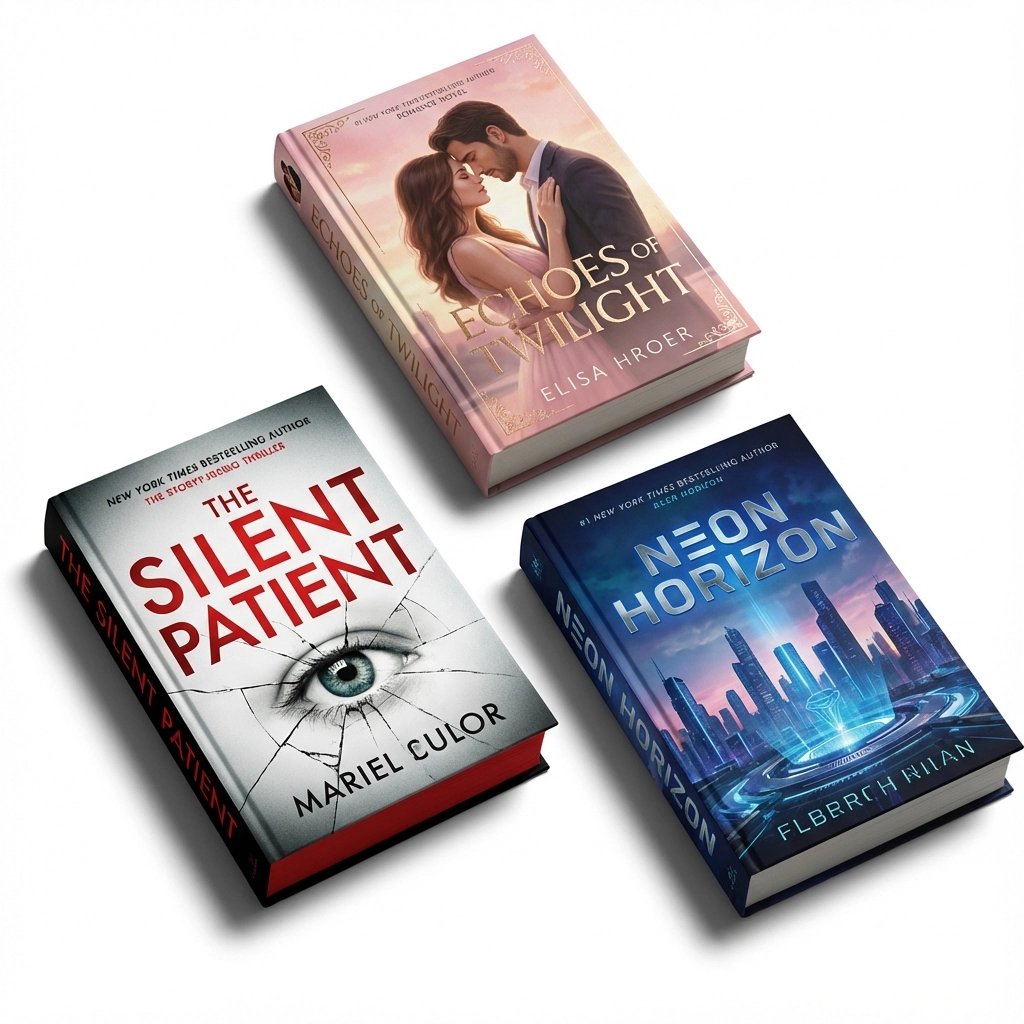
Romance particularly thrives in short format because:
- Emotional payoff can happen quickly
- Readers often want multiple relationship stories
- Series potential allows character development across books
- Perfect for exploring specific tropes or scenarios
Mystery and thriller work well because:
- Tension can build rapidly
- Single-sitting reading maintains suspense
- Puzzle-solving satisfaction feels complete
- Readers can sample different sub-genres easily
Science fiction and fantasy benefit from:
- Focused world-building around one concept
- Exploration of “what if” scenarios
- Series potential for universe expansion
- Lower barrier to entry for new readers
The Economics Behind the Movement
Let’s talk numbers, because they reveal why publishers are pushing short reads so aggressively. That 3.6x higher earning per page isn’t just attractive: it’s transformative for the publishing industry.
Here’s the breakdown:
- Traditional novel: $350 earnings for 300+ pages = ~$1.17 per page
- Short read: $210 earnings for 37 pages = ~$5.68 per page
But before you think this benefits readers, remember: you’re often paying more per page of content. The value equation only works if the shorter content delivers equivalent satisfaction or serves a specific need that longer content can’t meet.

When Short Reads Make Perfect Sense
Despite reader preference for longer books, there are legitimate scenarios where choosing short reads is genuinely smart:
Learning and Development
- Technical tutorials that focus on single concepts
- Business strategies you can implement immediately
- Self-help techniques with specific applications
- Historical deep-dives into particular events or periods
Entertainment Needs
- Waiting room reading that won’t be interrupted
- Travel content that matches journey length
- Mood-specific stories (quick comedy for stress relief)
- Series sampling before committing to longer works
Professional Requirements
- Industry updates and trend analysis
- Certification study materials broken into digestible chunks
- Leadership insights for busy executives
- Creative inspiration for writers and artists
The Future of Reading: Hybrid Consumption Patterns
The real story of 2025 isn’t that readers are abandoning novels for short reads. Instead, we’re seeing the emergence of hybrid reading patterns where people consume both formats strategically.
Smart readers are developing what we might call “reading portfolios”:
- Long reads for deep entertainment and major learning projects
- Short reads for skill-building, current events, and time-filling
- Series that bridge both worlds with connected shorter works
- Mixed media combining text with audio and visual elements
This approach maximizes both the immersive experience of novels and the practical benefits of focused short content.
Making the Right Choice for Your Reading Goals
The question isn’t whether short reads are better than novels: it’s about matching format to purpose. Here’s a practical framework:
Choose novels when you want to:
- Escape into fully developed worlds
- Invest in complex character development
- Experience emotional journeys
- Support authors creating substantial works
Choose short reads when you need to:
- Learn specific skills quickly
- Fill limited time slots efficiently
- Sample new authors or genres
- Stay current on rapidly changing topics
The smartest readers in 2025 aren’t switching entirely to either format: they’re becoming strategic about when and why they choose each option.
Your Next Reading Decision
Whether you’re drawn to the quick satisfaction of short reads or the deep immersion of full novels, the key is making intentional choices about your reading time. Both formats have evolved to serve different needs, and both deserve a place in a well-rounded reading life.
Ready to explore how short reads might fit into your reading routine? Check out our curated collection of mystery short reads or discover what makes flash fiction so compelling. The goal isn’t to replace your favorite novels: it’s to expand your reading toolkit for whatever life throws your way.
Share

Mystery Fiction Writing Guide: Step-by-Step to Success

Most american readers crave stories that keep them guessing until the very last page. Crafting a mystery that stands out is no easy task, especially when more than 80 percent of manuscripts never make it past the first draft. Whether you are new to writing or fine-tuning your craft, understanding how to define a unique concept, shape intriguing characters, and layer suspenseful twists can transform your mystery into an unforgettable experience.
Table of Contents
- Step 1: Define Your Unique Mystery Concept
- Step 2: Develop Intriguing Characters And Motives
- Step 3: Structure Your Plot For Suspense And Pacing
- Step 4: Incorporate Clues, Twists, And Red Herrings
- Step 5: Polish And Review Your Finished Manuscript
Quick Summary
| Essential Insight | Clear Explanation |
|---|---|
| 1. Define a Unique Mystery Concept | Establish a fresh central question or crime that sets your story apart from typical narratives. |
| 2. Develop Intriguing Characters | Create multidimensional characters with complex motivations and personal stakes that drive the mystery forward. |
| 3. Structure for Suspense and Pacing | Build a plot with strategic pacing and plot points that maintain tension and engagement throughout the story. |
| 4. Incorporate Clues and Twists | Plant clues and red herrings that challenge readers while keeping them guessing about the true outcome. |
| 5. Polish and Review Your Manuscript | Conduct a thorough evaluation and seek feedback to ensure a polished, seamless narrative before finalizing your mystery. |
Step 1: Define your unique mystery concept
Creating a compelling mystery starts with developing a concept that sets your story apart from countless other narratives. According to ReadWriteThink, the foundation of an engaging mystery lies in carefully defining the central problem or puzzle that will drive your narrative.
To craft a unique mystery concept, begin by brainstorming an intriguing central question or crime that feels fresh and unexpected. Consider what makes your story different: perhaps an unusual setting, an unconventional protagonist, or a twist on traditional detective narratives. As ProgrammingLibrarian suggests, the key is developing an original storyline with compelling character motives that will keep readers guessing.
Your concept should include three critical elements: a central mystery that demands resolution, characters with complex motivations, and enough initial intrigue to hook your readers from the first page. Think about the unique perspective or angle you can bring to the mystery genre that will make readers lean in and say “I’ve never seen a story quite like this before.”
One practical tip: write down your core concept in a single sentence. If you can’t explain the essence of your mystery concisely, you might need to refine your idea further. This exercise will help you clarify the unique heart of your story and ensure your concept has the potential to sustain a full narrative.
Step 2: Develop intriguing characters and motives
Crafting compelling characters is the heartbeat of any memorable mystery narrative. Novlr suggests a powerful approach to character development by defining three critical elements: goal, motivation, and conflict. These components transform characters from mere placeholders into living breathing personalities that drive your story forward.
Start by creating multidimensional characters with complex internal landscapes. Your protagonist should have clear objectives that go beyond solving the mystery their personal desires and vulnerabilities must intersect with the central narrative. Consider crafting characters with hidden depths hidden agendas or conflicting motivations that make readers question their true intentions. What secrets might they be hiding? What personal stakes are embedded in their quest?
To build truly intriguing characters explore their backstories psychological triggers and emotional vulnerabilities. Each character should possess unique traits that make them unpredictable yet believable. Create characters with the potential for surprise who can unexpectedly shift the narrative trajectory. Think beyond stereotypical detective or victim archetypes and imagine characters whose motivations are nuanced and morally ambiguous.
One practical strategy is to write detailed character profiles that extend beyond surface level descriptions. Dive deep into their fears dreams and unresolved conflicts. Ask yourself what transformative experiences have shaped their worldview and how these experiences might influence their actions in your mystery. The most memorable characters are those who feel authentic complex and capable of surprising both the reader and themselves.

Step 3: Structure your plot for suspense and pacing
ReadWriteThink highlights the critical structure of a mystery story as a carefully orchestrated journey through problem introduction investigation and resolution. Crafting a compelling plot requires strategic pacing that keeps readers on the edge of their seats while revealing information at precisely the right moments.
To build suspense effectively begin by establishing a strong narrative framework with deliberate plot points that gradually unveil critical information. Your story should create a sense of constant tension where each chapter introduces new questions or unexpected twists. Understand the intricate role of suspense as more than just a storytelling technique it is the psychological thread that pulls readers deeper into your narrative.
According to Toledo Library creating a powerful hook is essential to maintaining reader engagement. This means your opening should immediately introduce a compelling mystery or conflict that demands resolution. Consider alternating between moments of high intensity and quieter reflective scenes to create a rhythmic narrative pulse that prevents reader fatigue.
One practical strategy is to map out your plot points like a series of carefully placed dominoes. Each revelation should trigger the next creating a cascade of suspense that propels the story forward. Pay attention to your story’s tempo some chapters might move quickly with rapid revelations while others build slow burning tension that allows psychological depth to emerge. The most memorable mysteries are those that balance external action with internal character transformation.
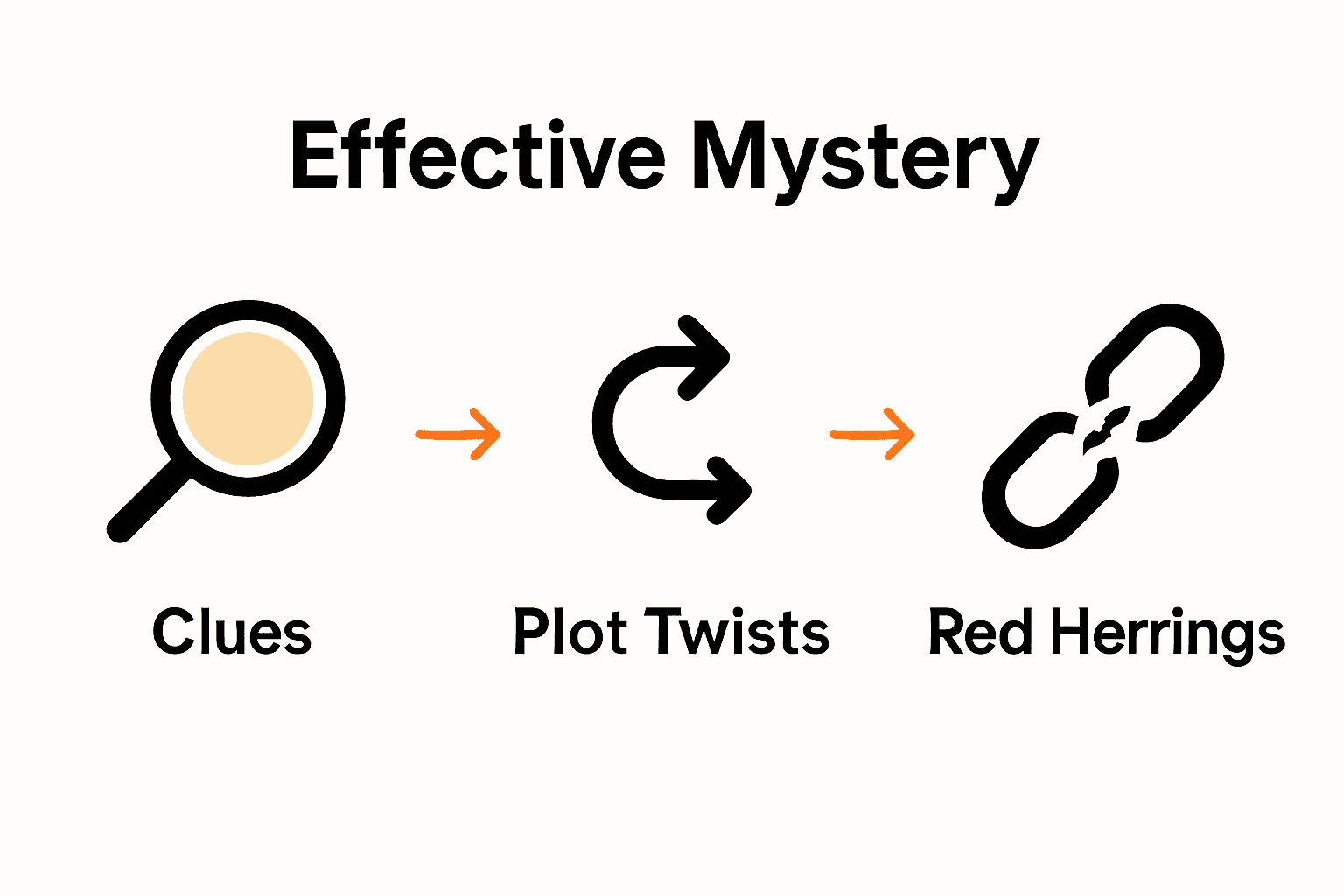
Step 4: Incorporate clues, twists, and red herrings
ReadWriteThink reveals that masterful mystery writing hinges on strategically planting clues and misdirections that challenge readers critical thinking skills. The art of creating an engaging mystery lies in carefully balancing information revelation with strategic deception.
Start by developing a complex web of potential suspects and motivations. Each clue should serve a dual purpose revealing something about the characters while simultaneously creating additional questions. Explore the nuanced world of psychological red herrings to understand how subtle narrative misdirections can keep readers guessing. Your goal is to create an intricate puzzle where every piece seems potentially significant yet ultimately misleading.
According to WritersLife, maintaining narrative urgency is crucial. This means your twists should feel both surprising and inevitable when revealed. Consider introducing clues that appear insignificant initially but become critically important later. The most compelling mysteries make readers feel simultaneously misled and enlightened when the truth emerges.
One practical strategy is to create a detailed timeline of your plot twists. Map out exactly when and how each clue will be introduced ensuring they build toward a satisfying yet unexpected resolution. Remember that great red herrings are not random distractions but carefully constructed narrative elements that reveal deeper psychological complexities within your characters and story.
Step 5: Polish and review your finished manuscript
ReadWriteThink provides a comprehensive Mystery Writing Rubric that serves as an essential roadmap for final manuscript evaluation. The process of polishing your mystery manuscript goes beyond simple proofreading it requires a strategic and methodical approach to ensuring every element of your story meets professional standards.
Begin with a comprehensive structural review. Evaluate your manuscript using a detailed checklist that examines plot consistency character development and narrative flow. Pay special attention to the resolution of your mystery plot. Does each clue connect logically? Are character motivations consistent? Are there any unresolved plot threads or unexplained narrative gaps that might confuse readers?
Consider engaging multiple perspectives during your review process. Seek feedback from beta readers who are familiar with the mystery genre and can provide objective insights. Some writers find it helpful to read the manuscript aloud or use text to speech software to catch awkward phrasing or dialogue that does not sound natural. Your goal is to create a manuscript that feels seamless polished and compelling from the first page to the final reveal.
One practical strategy is to create a separate editing document where you track potential revisions. This allows you to make notes without immediately altering your original manuscript. Remember that great mysteries are often refined through multiple rounds of careful editing. The difference between a good mystery and an exceptional one frequently lies in the meticulous attention to detail during the final polishing stages.
Elevate Your Mystery Writing with Real Examples and Inspiration
Struggling to build suspense or craft intricate plots that keep readers guessing The “Mystery Fiction Writing Guide Step-by-Step to Success” reveals how important it is to define unique concepts develop rich characters and master pacing. If you want to see these techniques in action explore our collections of mystery fiction short reads. Each story expertly weaves clues twists and psychological depth to inspire your own writing journey.
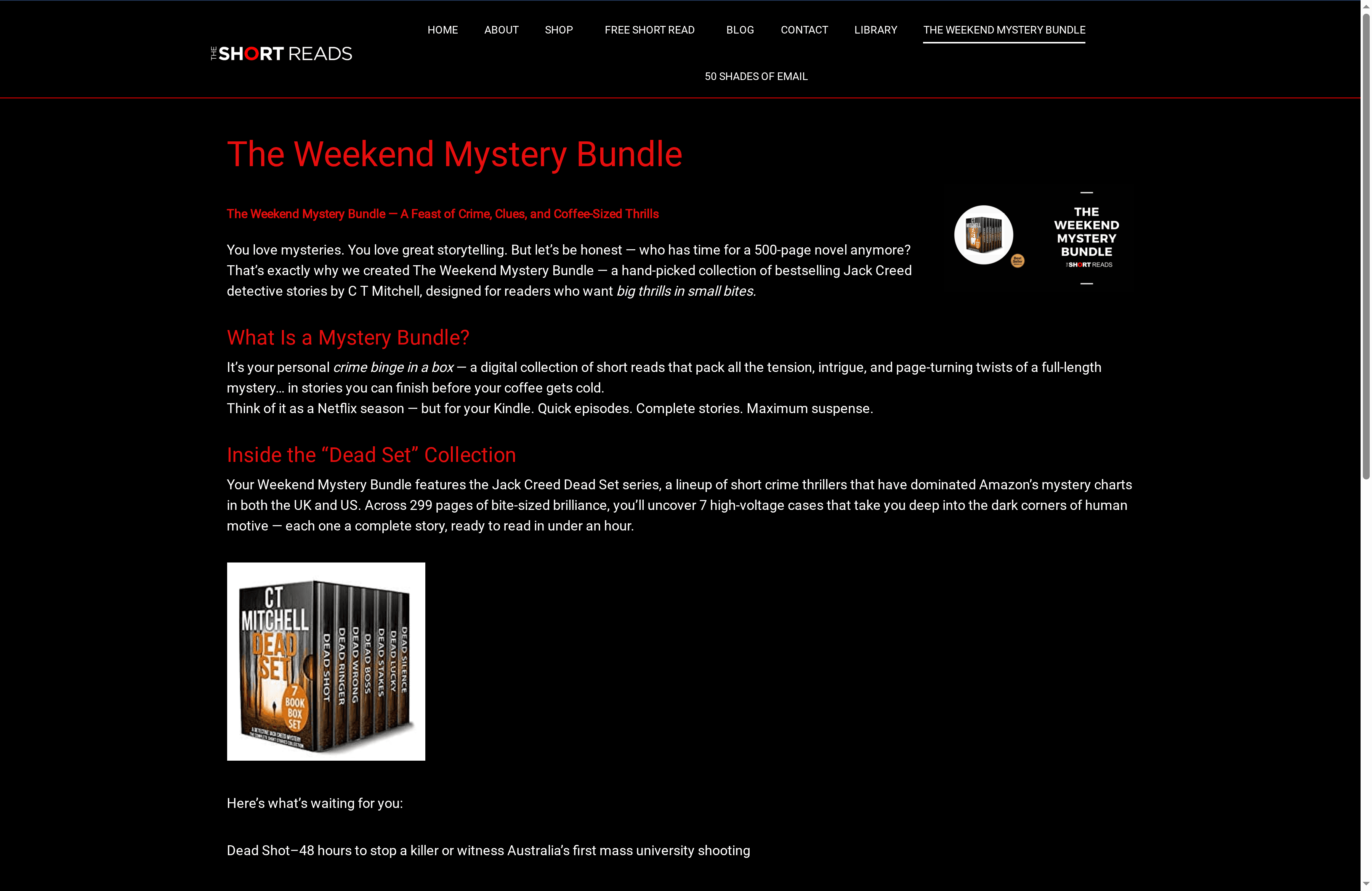
Unlock the power of immersive storytelling now and transform your ideas into captivating mysteries. Browse our The Weekend Mystery Bundle to get access to a variety of genres including cozy mysteries and detective short reads to spark creativity. Dive deep into professional-level suspense and character complexity by reading some of the best short reads available. Take the next step toward writing success today by visiting The Weekend Mystery Bundle and experience stories that set the standard for mystery fiction.
Frequently Asked Questions
How do I define a unique mystery concept for my story?
To define a unique mystery concept, brainstorm an intriguing central question or crime that feels fresh. Write your core concept in a single sentence to clarify and refine the essence of your story.
What should I include when developing my characters?
When developing characters, focus on their goals, motivations, and conflicts. Create detailed character profiles that explore their backstories and emotional vulnerabilities to make them multidimensional and compelling.
How can I structure my plot to maintain suspense?
Structure your plot by establishing a strong narrative framework with deliberate plot points that reveal critical information gradually. Map out your plot points like dominoes, ensuring each revelation triggers the next to keep readers engaged.
What strategies should I use for incorporating clues and red herrings?
Incorporate clues and red herrings by creating a complex web of potential suspects and motivations. Ensure each clue reveals something about the characters while also creating additional questions to challenge the reader.
How do I polish and review my finished manuscript?
To polish your manuscript, conduct a comprehensive structural review, focusing on plot consistency and character development. Use a detailed checklist and seek feedback from beta readers to capture any awkward phrasing or unresolved plot threads, refining your work until it feels seamless and compelling.
Recommended
- Short Mystery Writing Tips for Captivating Tales – TheShortReads.com
- Mystery Fiction Terminology: Complete Guide for Readers – TheShortReads.com
- Mystery Fiction – TheShortReads.com
- Understanding Mystery Fiction Terminology Explained – TheShortReads.com


Mystery Fiction Terminology: Complete Guide for Readers

Over 80 percent of american readers find themselves puzzled by the unique language that fills mystery fiction stories. Understanding this specialized terminology matters because it shapes every twist, clue, and character you encounter in a detective novel. Whether you are a long-time fan or just starting to explore this genre, knowing these key terms brings every plot and clue into sharper focus. This guide unlocks the secrets behind the most important words in mystery fiction so every story becomes richer and more rewarding.
Table of Contents
- Mystery Fiction Terminology Defined Clearly
- Major Subgenres and Related Terminology
- Key Plot Devices and Character Archetypes
- Iconic Clues, Red Herrings, and Tropes
- Common Mistakes and Misused Terms
Key Takeaways
| Point | Details |
|---|---|
| Understanding Terminology | Mystery fiction has specific terminology such as detective, red herring, and MacGuffin that helps readers appreciate its complexity. |
| Subgenre Diversity | Major subgenres include detective fiction, cozy mystery, and true crime, each offering unique narrative styles and themes. |
| Character Archetypes | Common character types like the brilliant detective and the unreliable narrator enrich mystery storytelling by providing varied perspectives. |
| Common Misconceptions | Terminology in mystery fiction is often misused, making it essential for readers and scholars to understand the distinctions between subgenres. |
Mystery Fiction Terminology Defined Clearly
Mystery fiction is a captivating literary genre that transforms complex criminal puzzles into compelling narratives. According to Wikipedia, mystery fiction is characterized by an event, typically a crime, that remains enigmatic until the story’s conclusion, often involving a detective who unravels the mystery through logical reasoning.
Mystery fiction encompasses several distinctive terminology elements that help readers navigate and understand the intricate world of detective and crime narratives. These specialized terms provide insight into the genre’s narrative structures, character archetypes, and storytelling techniques.
Key terminology in mystery fiction includes several important categories:
- Detective: The primary investigator who systematically solves the central crime or puzzle
- Red Herring: A misleading clue intentionally designed to distract readers from the actual solution
- MacGuffin: An object or goal that drives the plot forward but may not have intrinsic significance
- Unreliable Narrator: A storyteller whose credibility is compromised, adding complexity to the narrative
For readers eager to explore more about the nuanced world of mystery storytelling, check out our guide on understanding mystery fiction terminology.
Major Subgenres and Related Terminology
Mystery fiction is a diverse literary landscape with multiple compelling subgenres. According to Wikipedia, major subgenres include detective fiction, true crime, cozy mystery, and locked-room mystery, each presenting unique narrative approaches and specialized terminology.
Detective Fiction represents the classic investigative narrative where a protagonist systematically uncovers criminal mysteries. This subgenre typically features a central investigator who uses logic, deduction, and keen observation to solve complex cases. Characters in detective fiction often follow specific archetypes: the brilliant lone detective, the methodical police investigator, or the amateur sleuth with extraordinary perception.
Other significant mystery subgenres include:
- Cozy Mystery: Gentle narratives set in small communities, featuring amateur detectives and minimal graphic violence
- Locked-Room Mystery: Intricate puzzles where a crime occurs in an apparently impossible scenario
- True Crime: Narratives based on actual criminal events, blending journalistic reporting with storytelling techniques
- Police Procedural: Stories focusing on systematic law enforcement investigation methods
As noted by LibGuides, mystery fiction subgenres are distinguished by unique themes and narrative styles, offering readers diverse approaches to exploring criminal intrigue.
IMAGE:descriptive_key_1] For readers interested in diving deeper into mystery storytelling, our [guide on understanding mystery fiction terminology provides comprehensive insights.
Key Plot Devices and Character Archetypes
Mystery fiction relies on intricate plot devices and memorable character archetypes to engage readers and create compelling narratives. According to Wikipedia, classic mystery novels like those by Ellery Queen exemplify the ‘fair play’ mystery approach, where readers receive all critical clues alongside the detective, transforming the reading experience into an intellectual challenge.
Character archetypes form the backbone of mystery storytelling, each bringing unique perspectives and investigative approaches. The primary investigative characters typically include:
- The Brilliant Lone Detective: Highly intelligent, often eccentric, who solves cases through exceptional deductive reasoning
- The Methodical Police Investigator: Systematic, procedural, following strict investigative protocols
- The Amateur Sleuth: Typically an outsider with keen observational skills who stumbles into solving mysteries
- The Flawed Protagonist: A complex character with personal challenges that both hinder and enhance their investigative abilities
In an innovative narrative twist, Wikipedia highlights the inverted detective story or ‘howcatchem’ approach, where the perpetrator is revealed at the story’s beginning. This technique shifts focus from ‘whodunit’ to ‘how will they be caught,’ creating a unique psychological exploration of crime and detection.
For readers intrigued by the psychological underpinnings of mystery narratives, our guide on character psychology offers deeper insights into the complex world of fictional investigators and their motivations.
Iconic Clues, Red Herrings, and Tropes
Mystery fiction thrives on the intricate dance of clues, misdirections, and narrative conventions that keep readers guessing. According to Wikipedia, the genre skillfully employs red herrings and complex clues to mislead readers, creating suspense and engaging them in the detective’s challenging journey to uncover the truth.
Red herrings represent one of the most compelling narrative devices in mystery storytelling. These deliberately misleading clues are strategically placed to:
- Distract readers from the actual solution
- Create additional narrative tension
- Challenge the protagonist’s investigative process
- Maintain reader engagement through uncertainty
Traditional mystery tropes have evolved dramatically over time. Wikipedia highlights an innovative approach with inverted detective stories, which subvert conventional narrative expectations by presenting the crime and perpetrator upfront. This technique transforms the narrative from a ‘whodunit’ to a fascinating exploration of investigative methodology and psychological motivation.
Readers fascinated by the nuanced world of narrative misdirection can explore more about these intricate storytelling techniques in our guide on red herrings, which delves deeper into the art of crafting compelling mystery narratives.
Common Mistakes and Misused Terms
Mystery fiction terminology is a nuanced landscape where precise definitions matter significantly. According to ALA Journals, certain subgenres like cozy mysteries are frequently undervalued or misclassified, creating challenges in literary scholarship and reader understanding.
Some of the most common terminology mistakes in mystery fiction include:
- Hardboiled vs. Detective Fiction: Often incorrectly used interchangeably
- Cozy Mystery vs. Traditional Mystery: Frequently confused despite distinct characteristics
- Thriller vs. Mystery: Misunderstood as synonymous genres
- Police Procedural vs. Detective Fiction: Subtle but important distinctions often overlooked
Bodhi Journals highlights the critical need for precise definitions, especially in academic and literary contexts. The conflation of hardboiled and detective fiction represents a prime example of how imprecise terminology can muddy our understanding of literary genres. Readers and scholars alike must pay careful attention to the nuanced differences between seemingly similar mystery subgenres.
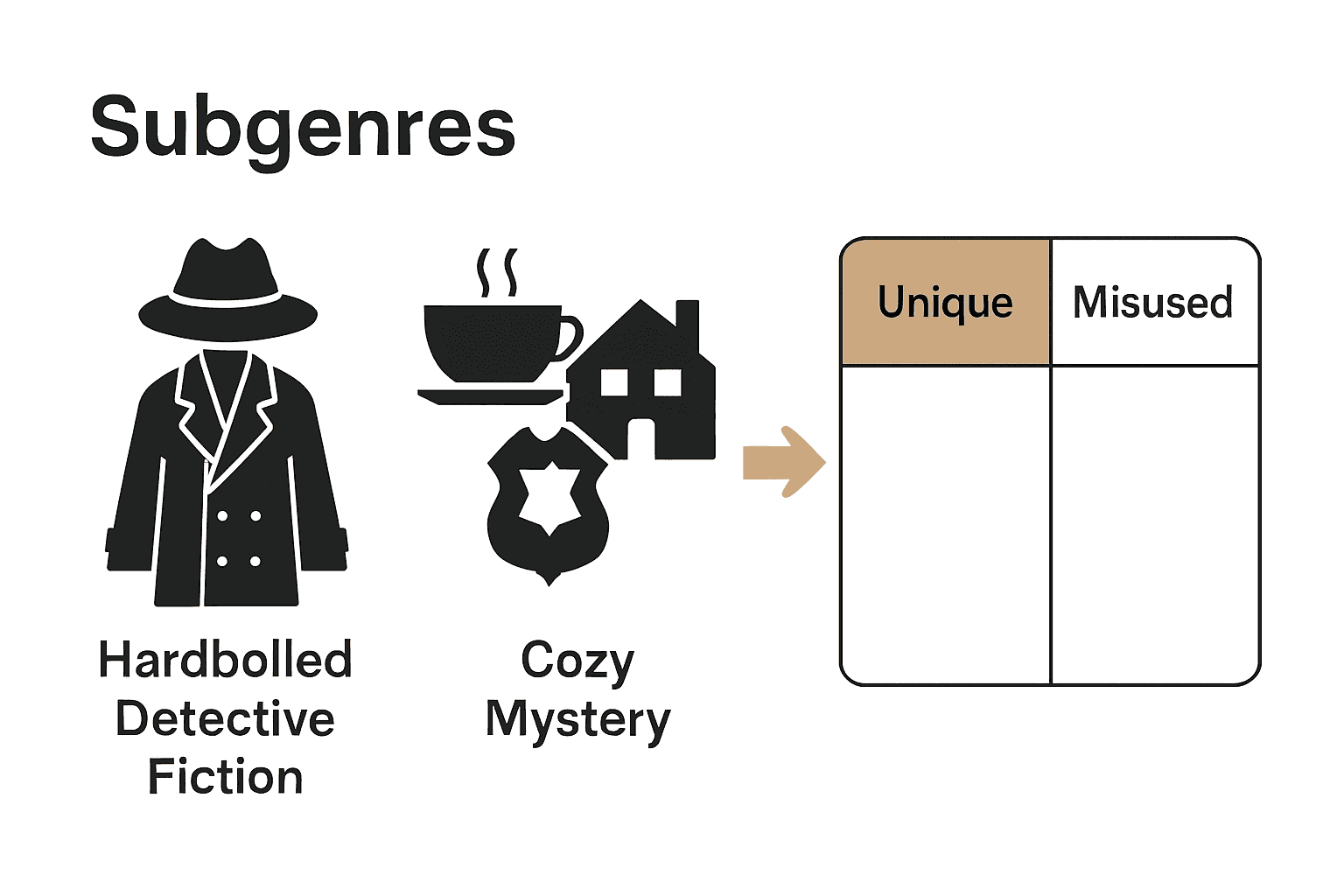
For readers seeking to deepen their understanding of these complex distinctions, our guide on subtle literary classifications offers comprehensive insights into the intricate world of mystery fiction terminology.
Unlock the Mystery with Engaging Short Reads Tailored for You
Struggling to keep track of mystery fiction terminology like red herrings, cozy mysteries, and inverted detective stories can make enjoying the genre frustrating. If you love diving into complex puzzles or crave captivating stories featuring amateur sleuths and brilliant detectives but find traditional novels too time-consuming, our collection of mystery fiction short reads is designed just for you. Experience thrilling narratives that respect your busy schedule while immersing you in the exact subgenres and archetypes you enjoy.
Discover the perfect blend of intrigue and clarity with our Weekend Mystery Bundle. Featuring a carefully curated selection of cozy mystery short reads, murder mystery novellas, and detective short reads, you will embrace your passion for mystery fiction without getting lost in confusing terms or overwhelming plots. Don’t wait to transform your reading experience. Explore our collection now at theShortReads.com and decode mysteries effortlessly.
Frequently Asked Questions
What is mystery fiction?
Mystery fiction is a literary genre that revolves around an enigmatic event, typically a crime, that remains unsolved until the story’s conclusion. It often features a detective who uses logical reasoning to unravel the mystery.
What are common terminology used in mystery fiction?
Key terms in mystery fiction include ‘detective’ (the investigator), ‘red herring’ (misleading clues), ‘MacGuffin’ (a plot-driving object), and ‘unreliable narrator’ (a storyteller with questionable credibility).
What are the major subgenres of mystery fiction?
Major subgenres of mystery fiction include detective fiction, cozy mystery, locked-room mystery, true crime, and police procedural, each offering unique storytelling styles and themes.
How do red herrings function in mystery storytelling?
Red herrings are deliberately misleading clues designed to distract readers from the actual solution. They create tension and engage readers by maintaining uncertainty about the outcome.
Recommended
- Understanding Mystery Fiction Terminology Explained – TheShortReads.com
- Mystery Fiction – TheShortReads.com
- Short Mystery Writing Tips for Captivating Tales – TheShortReads.com
- 7 Smart Ways to Discover Mystery Fiction for Men – TheShortReads.com

