
Mystery Genre Definition 101: A Beginner’s Guide to Mastering Crime Fiction

Here’s a surprising fact: crime fiction accounts for roughly one-third of all fiction sales worldwide, yet most new readers feel completely overwhelmed when they walk into a bookshop’s mystery section. Sound familiar?
You’ve heard people throw around terms like “cozy mysteries,” “noir,” and “psychological thrillers” like everyone should just know what they mean. Meanwhile, you’re staring at an entire wall of crime fiction wondering where on earth to start.
Good news: understanding the mystery genre is actually easier than solving an Agatha Christie plot. This guide breaks it all down so you can confidently find YOUR perfect mystery match: no detective skills required.
What Is the Mystery Genre? The Core Definition
Let’s start simple. The mystery genre definition centres on one core concept: stories focused on solving a crime or puzzle.
That’s it. Everything else builds from there.
Every mystery, regardless of subgenre, typically contains these essential elements:
- A crime or mysterious event (usually murder, but not always)
- A protagonist trying to solve it (detective, amateur sleuth, or even the victim)
- Clues planted throughout for readers to follow
- A revelation or solution at the end
The real magic? You’re solving alongside the characters. Your brain is actively hunting for clues, questioning suspects, and piecing together the puzzle. That’s why mysteries are so addictive: our brains are literally wired to love puzzles and the satisfaction of closure.
The genre took shape in the mid-19th century, with Edgar Allan Poe credited as a pioneer through “The Murders in the Rue Morgue.” Since then, iconic authors like Agatha Christie and Sir Arthur Conan Doyle have shaped crime fiction into the beloved genre it is today.
The Mystery Family Tree: Main Subgenres Explained
Here’s where beginners often get lost. Crime fiction isn’t one thing: it’s a whole family of reading experiences. Understanding these subgenres is your shortcut to finding books you’ll actually love.
Cozy Mysteries
What they are: Light-hearted, low-violence mysteries featuring amateur sleuths solving crimes through intellect rather than action.
The vibe: Think small towns, bookshops, bakeries, and tea rooms. Violence happens off-page. The focus is on puzzle-solving and charming characters.
Famous examples: Agatha Christie’s Miss Marple series
Perfect for: Beginners who want comfort and puzzle-solving without gore. If you enjoy gentle reads but love a good mystery, start here.
Try this: C.T. Mitchell’s Lady Margaret Turnbull series offers quick cozy mysteries you can finish in one sitting.
Classic Whodunits
What they are: Traditional puzzle mysteries laser-focused on the central question: “Who did it?”
The vibe: Often set in closed environments: country houses, trains, remote islands. Intellectual, methodical, and fair play (all clues are given to you).
Famous examples: Agatha Christie’s Hercule Poirot novels
Perfect for: Logic lovers and puzzle enthusiasts who want to outsmart the detective.
Police Procedurals & Crime Thrillers
What they are: Realistic crime fiction following law enforcement through authentic investigation methods.
The vibe: Urban, gritty, fast-paced. Focus on teamwork, forensics, and the procedural process of catching criminals.
Famous examples: Michael Connelly, Ian Rankin
Perfect for: Fans of Law & Order who appreciate gritty realism and action.
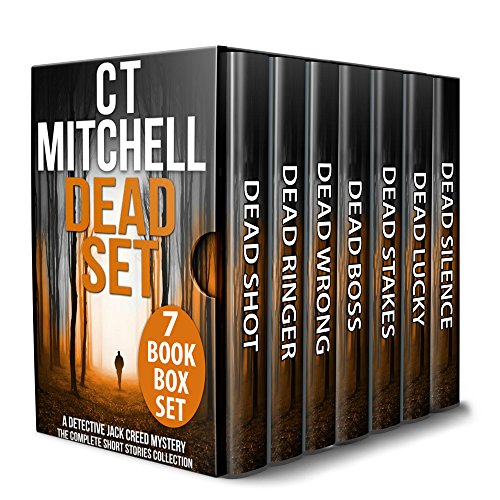
Try this: C.T. Mitchell’s Detective Jack Creed series delivers Australian crime procedurals in under 150 pages: perfect for testing if this subgenre clicks for you.
Psychological Mysteries & Thrillers
What they are: Character-driven mysteries focusing on minds, motivations, and unreliable narrators.
The vibe: Atmospheric, tense, twist-heavy. Often set in domestic or everyday settings that become unsettling.
Famous examples: Gone Girl, The Girl on the Train
Perfect for: Readers who crave shocking twists and psychological depth. For more on this subgenre, explore our guide to psychological thriller themes.
Try this: C.T. Mitchell’s Selena Sharma series offers psychological suspense in accessible, fast-paced novellas.
Historical Mysteries
What they are: Mysteries set in past eras, usually pre-1960s, where historical context shapes the investigation.
The vibe: Atmospheric, elegant, often educational. Period-accurate settings add richness to the mystery.
Famous examples: Ellis Peters’ Cadfael series, Anne Perry
Perfect for: History buffs and Downton Abbey fans who love immersive period settings.
Noir & Hard-Boiled
What they are: Dark, cynical detective stories featuring morally grey heroes navigating shadowy underworlds.
The vibe: Urban, seedy, nighttime. Pessimistic worldview, flawed detectives, moral ambiguity.
Famous examples: Raymond Chandler, Dashiell Hammett
Perfect for: Readers who appreciate dark, complex antiheroes and atmospheric tension.
Key Mystery Tropes You’ll Encounter
Once you understand these common elements, you’ll spot them everywhere: and that’s half the fun:
| Trope | What It Means |
|---|---|
| Locked Room Mystery | Crime occurs where escape seems impossible |
| Red Herrings | False clues designed to mislead you |
| Unreliable Narrator | The storyteller might be lying or confused |
| The Least Likely Suspect | Often the culprit hides in plain sight |
| Chekhov’s Gun | Every detail mentioned will matter later |
Understanding these tropes doesn’t spoil mysteries: it makes reading them more fun. You’ll start noticing the author’s craft while still enjoying the ride. For deeper exploration, check out our mystery fiction terminology guide.
How to Choose Your First Mystery
Still unsure where to start? Answer these quick questions:
Do you want violence on-page or off-page?
- Off-page → Cozy mysteries
- On-page → Crime thrillers, noir
Prefer cozy comfort or gritty realism?
- Comfort → Cozy mysteries, classic whodunits
- Realism → Police procedurals, noir
Love puzzles or character psychology?
- Puzzles → Classic whodunits, locked room mysteries
- Psychology → Psychological thrillers
Historical settings or modern day?
- Historical → Historical mysteries
- Modern → Most crime thrillers and procedurals
Pro tip: Start with SHORT mysteries under 150 pages. You’ll quickly discover what you love without committing to 600-page epics.
Common Mistakes Beginners Make
You might think jumping into crime fiction is straightforward. The real surprise? Most beginners sabotage their own enjoyment:
- Starting with 600-page epics (overwhelm kills the joy before you find your rhythm)
- Picking the wrong subgenre for their taste
- Expecting all mysteries to be the same
- Trying to outsmart the author instead of enjoying the ride
- Abandoning series after book one (often world-building heavy)
The fix: Start short, try different subgenres, and focus on finishing. Completion builds confidence and helps you identify what actually resonates.
Why Short Mysteries Are Perfect for Beginners
Here’s the strategic advantage most new readers miss: novellas let you sample the entire mystery genre quickly.
Under 150 pages means:
- You can try multiple subgenres in a single month
- Tight plotting delivers pure mystery with zero filler
- Every finished book builds your reading confidence
- Less commitment, more discovery
This is exactly why The Short Reads approach works so brilliantly for genre exploration.
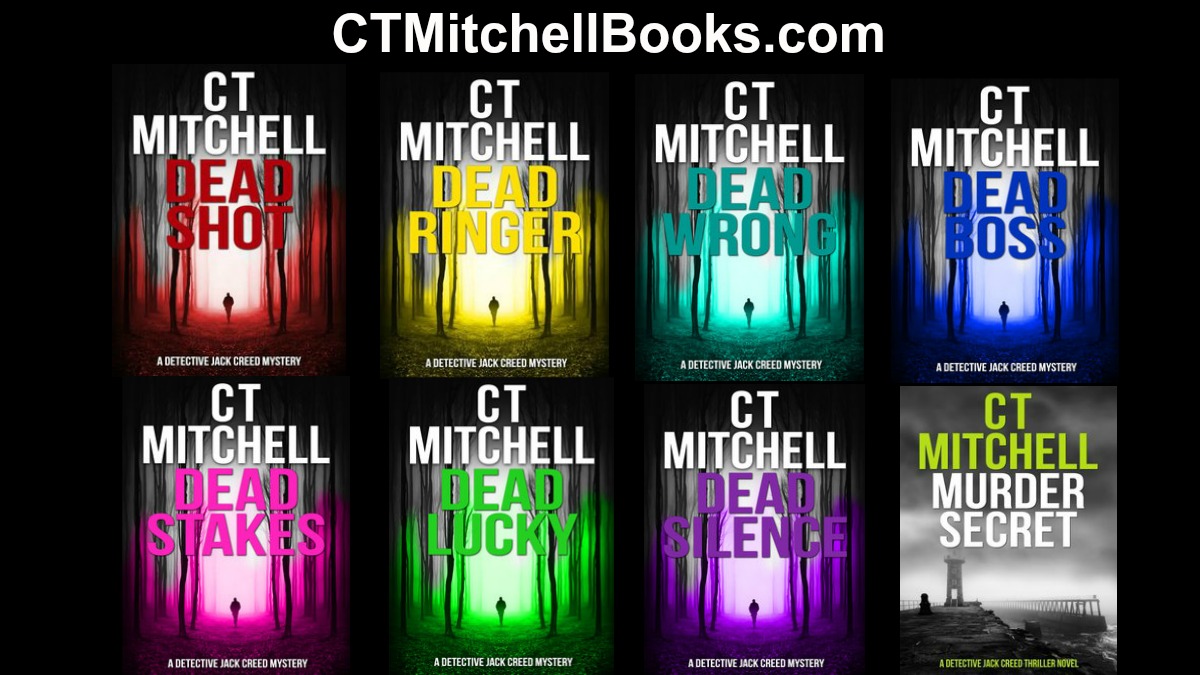
C.T. Mitchell’s three series offer the perfect beginner’s toolkit:
- Detective Jack Creed: Test crime procedurals (Australian setting, under 150 pages)
- Lady Margaret Turnbull: Try cozy historical mysteries (quick, satisfying reads)
- Selena Sharma: Explore psychological suspense (fast-paced, twist-driven)
Your Mystery Reading Roadmap
Ready to master crime fiction? Here’s your four-week experiment:
Week 1: Try a cozy mystery (low stakes, high comfort)
Week 2: Read a crime thriller (test your tolerance for grit)
Week 3: Explore psychological mystery (discover if you love twists)
Week 4: Pick your favourite subgenre and read two more
By month two, you’ll know exactly what you love. The Short Reads catalogue makes this experiment easy: every novella is under 150 pages, so you can move quickly through subgenres without getting stuck.
Your Mystery Journey Starts Now
The mystery genre isn’t intimidating once you understand the map. There’s genuinely a subgenre for everyone: whether you crave cozy comfort, gritty realism, or mind-bending psychological twists.
Starting short isn’t a shortcut: it’s the smart strategy for mastering crime fiction. You don’t need to read 500-page thrillers to be a “real” mystery fan.
Pick a subgenre that sounds appealing, download a Short Read, and start your mystery journey tonight. Your next favourite genre is waiting.
Share


