Here's something that might surprise you: 92% of people who call themselves "non-readers" actually want to read more books. They're not lazy or unintelligent: they're just stuck in a cycle that feels impossible to break.
If you've ever felt embarrassed about not finishing books, or if the thought of cracking open a 300-page novel makes you want to scroll through your phone instead, you're not alone. The good news? Building a reading muscle works exactly like physical fitness: and just like you wouldn't start your fitness journey by attempting to deadlift 200 pounds, you shouldn't start your reading journey with War and Peace.
The secret weapon that's helping thousands of people transform from "non-readers" to confident book lovers? Short reads under 150 pages that you can actually finish.
Reading isn't just a hobby: it's a cognitive workout. When you read, your brain simultaneously processes language, creates mental images, follows narrative threads, and builds comprehension. That's why reading can feel exhausting when you're out of practice.
Just like your muscles need time to build endurance, your reading stamina develops gradually. Research from the University of California shows that people who haven't read regularly for years experience what psychologists call "reading fatigue" after just 15-20 minutes. Your brain literally gets tired from the mental effort.
But here's the encouraging part: this fatigue decreases rapidly with consistent practice. Studies demonstrate that 15 minutes of daily reading creates measurable improvements in reading stamina within just two weeks. The key is starting small and staying consistent rather than attempting marathon reading sessions that leave you feeling defeated.
Most people who struggle with reading habits aren't battling a lack of interest: they're fighting a psychological barrier called "completion anxiety." This happens when your brain associates books with feelings of failure and incompletion.
Think about it: if you've started and abandoned multiple books, your subconscious mind begins to expect failure before you even begin. Every time you see a thick novel, your brain whispers, "Remember the last five books you didn't finish?"
The intimidation factor of thick books is real. Research shows that when presented with books of different lengths, people consistently underestimate their ability to finish longer books and overestimate the time commitment required. A 400-page book doesn't just look four times longer than a 100-page book: it feels exponentially more difficult.
This is where short books under 150 pages become game-changers. They bypass the intimidation factor entirely and create what psychologists call "mastery experiences": successful completions that build confidence and self-efficacy.
Harvard Business School professor Teresa Amabile discovered something remarkable in her research on motivation: nothing builds momentum like the feeling of progress. She found that even small wins create a psychological boost that carries forward into future tasks.
When applied to reading habits, this means completing a 100-page novella creates more motivation to read another book than struggling halfway through a 300-page novel. Your brain doesn't care that the first book was shorter: it only registers the successful completion.
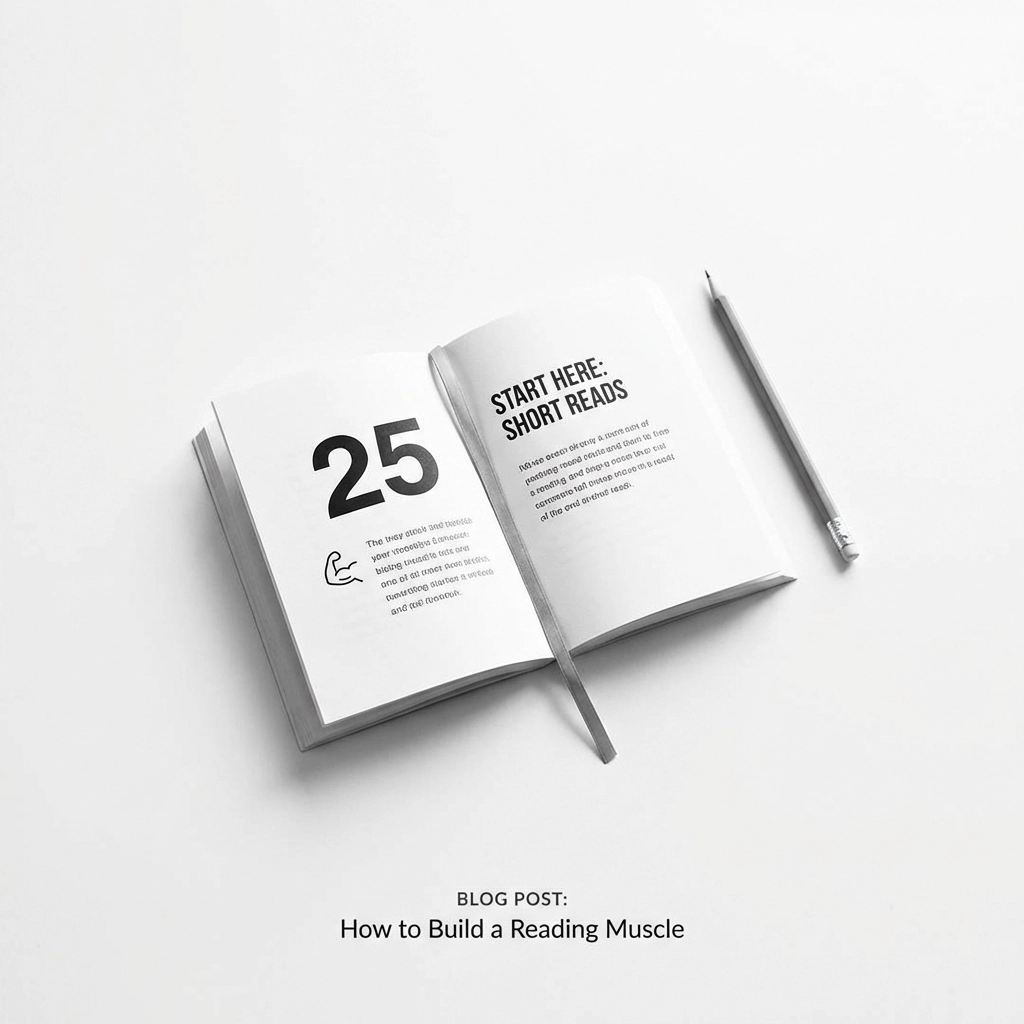
The "25 pages a day" approach backed by reading research works because it creates multiple small wins throughout the week. If you read 25 pages daily, you'll finish a 100-page book in just four days. That's roughly one completed book per week: a pace that feels achievable rather than overwhelming.
This consistent completion rate creates what researchers call a "positive feedback loop." Each finished book increases your reading confidence, which makes starting the next book feel easier, which leads to more completions, and so on.
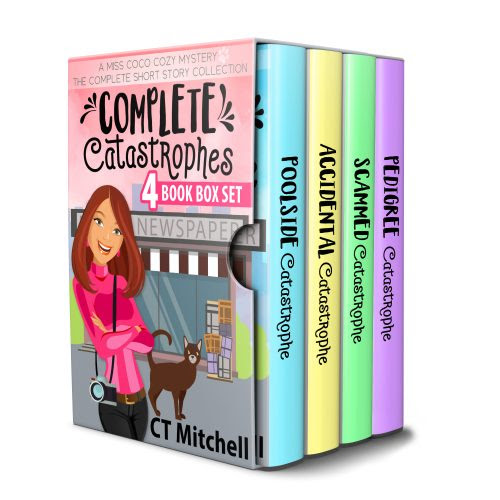
Short books offer something that longer novels can't: guaranteed progress. When you know you can finish a story in one or two sitting sessions, reading transforms from a long-term commitment into an immediate, achievable goal.
Consider the psychological difference between these two thoughts:
The second thought removes all pressure and replaces it with anticipation. Instead of reading feeling like homework, it becomes entertainment you can complete.
Short reads also eliminate the "middle-book slump" that derails many reading attempts. You know that moment when you're 40% through a long book and motivation starts to wane? With novellas under 150 pages, you're already approaching the climax by the time that feeling would normally hit.
Building your reading muscle doesn't require complex strategies: it requires consistency and the right approach. Here's your proven plan:
Week 1-2: Foundation Building
Week 3-4: Stamina Building
Week 5-8: Confidence Building
Beyond Week 8: Reading Mastery
The most important rule? Never break the chain of daily reading. Even if you only read one page on busy days, maintaining the consistency is more valuable than occasional long reading sessions.
The beautiful thing about starting with short reads is that you're not settling for less: you're building towards more. Every completed novella is training your brain to:
Research from the National Reading Panel shows that people who start with shorter books are 73% more likely to become regular readers compared to those who attempt to start with full-length novels. The completion experience creates intrinsic motivation that external pressure cannot match.
Think of short reads as your reading training wheels: except instead of eventually removing them, you discover that having quick, satisfying reading options makes your entire reading experience more enjoyable, even when you do tackle longer books.
Here's something the publishing industry doesn't want you to know: there's no such thing as a "real reader" who only reads certain types of books. Some of the most voracious readers in the world prefer novellas, short stories, and quick reads because they can consume more stories and experience more variety.
The myth that you need to read 500-page literary novels to be a "serious reader" has probably done more damage to reading culture than any other single belief. Reading is about engagement, not endurance. A gripping 120-page mystery that keeps you turning pages is infinitely more valuable than a prestigious 400-page novel that sits unfinished on your shelf.
When you start building your reading muscle with short books, you're not taking a shortcut: you're taking the smart approach that recognizes how habit formation actually works.
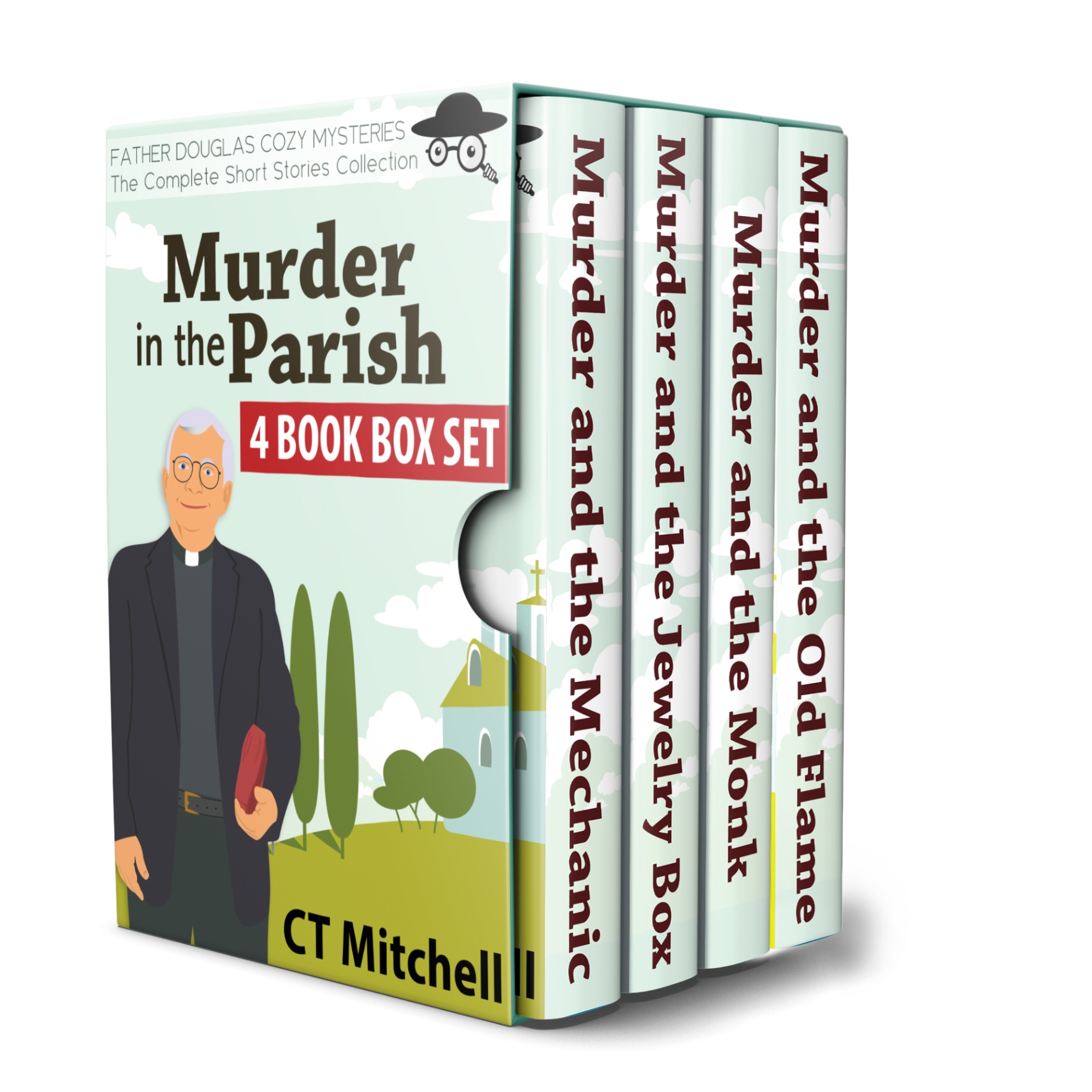
The difference between people who "can't find time to read" and people who read consistently isn't about time management: it's about choosing the right starting point. Short reads under 150 pages remove every excuse and obstacle that traditionally derails reading habits.
You don't need to commit to hours of daily reading. You don't need to finish enormous books to prove anything to yourself or anyone else. You just need to start small, stay consistent, and let the natural momentum of completion carry you forward.
Ready to build your reading muscle? Start with just 25 pages today. Choose a compelling story under 150 pages that genuinely interests you. Set a timer for 15 minutes and begin.
Your future reading self: the one who finishes multiple books per month and looks forward to reading time: is waiting just on the other side of that first completed short read.
Discover the perfect short reads to start your journey at The Short Reads, where every story is designed to be finished, not abandoned. Your reading muscle is stronger than you think( it just needs the right training program.)
Share