
Kindle Short Reads vs. Full Novels: Why Smart Readers Are Making the Switch in 2025

Here’s a statistic that might surprise you: short reads earn 3.6 times more per page than traditional novels on Amazon. Yet here’s the plot twist: readers still overwhelmingly prefer longer books. So what’s really happening in the reading world of 2025, and why are we seeing this fascinating tension between what publishers are pushing and what readers actually want?
Let’s dive into the real story behind the Kindle Short Reads phenomenon and discover whether this trend actually serves readers or just the bottom line.
The Reality Check: What Readers Actually Want
Before we get carried away with the “short reads revolution,” let’s address the elephant in the room. Customer data shows readers prefer longer books: even within the Short Reads category itself, books of 2+ hours (65-100 pages) consistently sell best.
This preference makes perfect sense when you think about it. Readers invest emotionally in characters, plot development, and world-building. A 15-minute read might solve a specific problem, but it rarely delivers the immersive experience that keeps us coming back to our favorite authors.
However, the rise of short reads isn’t entirely publisher-driven hype. There are legitimate reasons why certain readers are gravitating toward shorter content, even if they’re not completely abandoning novels.
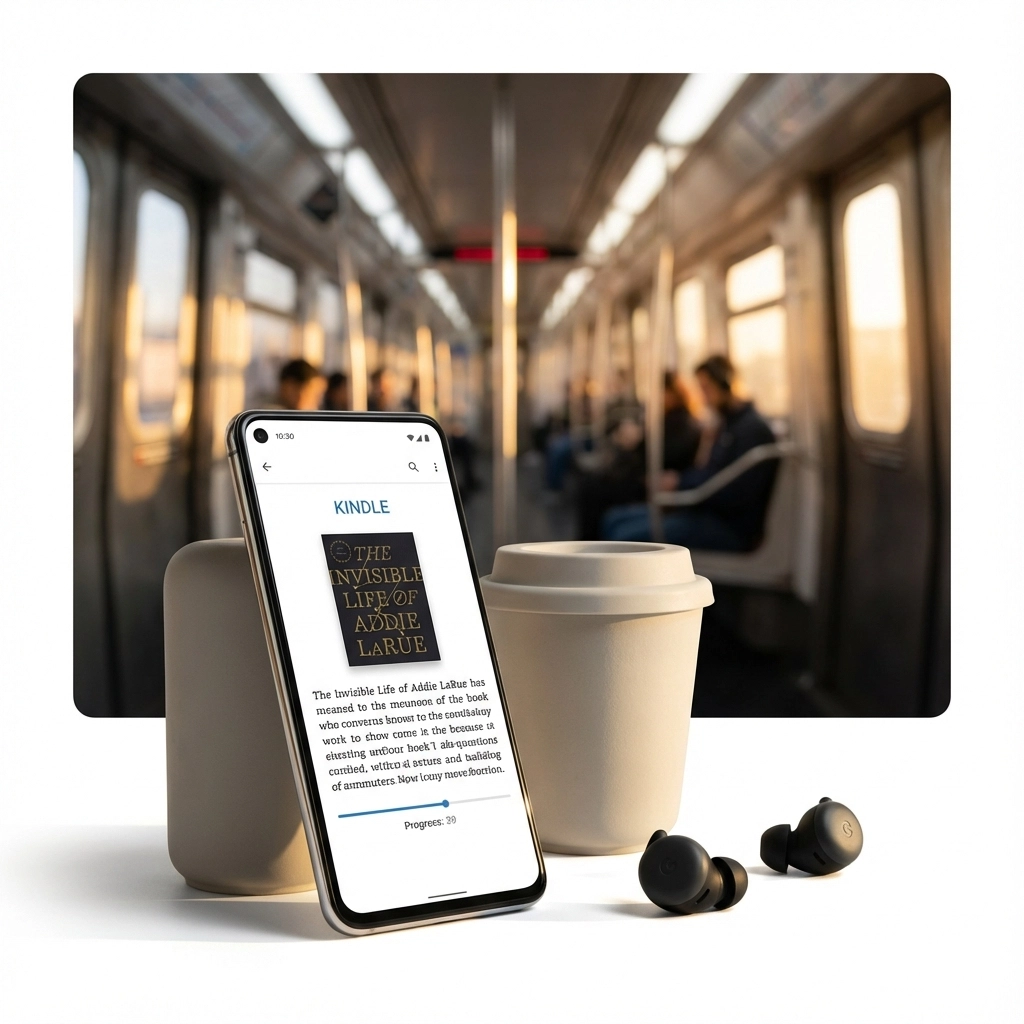
The Busy Reader’s Dilemma: When Time Becomes Currency
Let’s be honest about modern life in 2025. Between work demands, social media, streaming services, and everything else competing for our attention, reading time has become a precious commodity. This is where short reads find their sweet spot.
Consider these scenarios where short reads actually make sense:
• Commuter reading: Perfect for subway rides or waiting appointments
• Lunch break entertainment: Exactly the right length for a midday mental break
• Bedtime stories for adults: Complete a story without staying up until 2 AM
• Genre sampling: Test new authors or subjects without major time investment
• Research and learning: Quick deep-dives into specific topics
The appeal isn’t about dumbing down literature: it’s about matching content length to available attention spans in specific moments.
Quality vs. Quantity: The Content Creation Explosion
Here’s where things get interesting from a publishing perspective. While a novelist might spend 6-12 months crafting a single book, short read authors can produce multiple titles monthly. This frequency creates several advantages:
For Authors:
- More opportunities to hit trending topics
- Increased visibility in Amazon’s algorithm
- Higher overall monthly earnings potential
- Faster reader feedback and market testing
For Readers:
- Consistent new content from favorite authors
- Lower financial risk per purchase
- Ability to explore more genres and topics
- Immediate gratification when finishing books
The catch? Quality can suffer when quantity becomes the primary focus. Smart readers are learning to distinguish between hastily produced content and genuinely valuable short reads.
Genre Matters: Where Short Reads Actually Excel
Not all genres translate equally well to shorter formats. Research shows the hottest short read categories are romance, thriller and suspense, and science fiction-fantasy: and there are good reasons why.
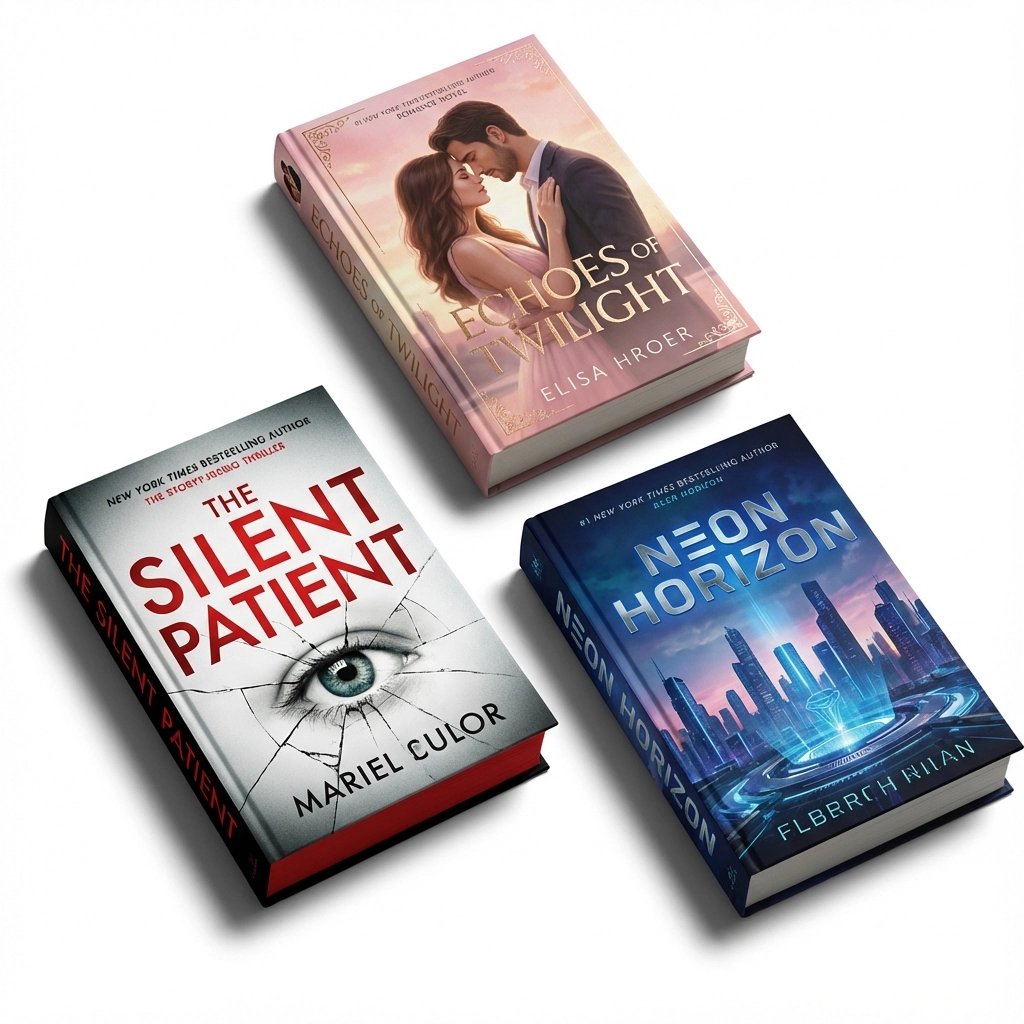
Romance particularly thrives in short format because:
- Emotional payoff can happen quickly
- Readers often want multiple relationship stories
- Series potential allows character development across books
- Perfect for exploring specific tropes or scenarios
Mystery and thriller work well because:
- Tension can build rapidly
- Single-sitting reading maintains suspense
- Puzzle-solving satisfaction feels complete
- Readers can sample different sub-genres easily
Science fiction and fantasy benefit from:
- Focused world-building around one concept
- Exploration of “what if” scenarios
- Series potential for universe expansion
- Lower barrier to entry for new readers
The Economics Behind the Movement
Let’s talk numbers, because they reveal why publishers are pushing short reads so aggressively. That 3.6x higher earning per page isn’t just attractive: it’s transformative for the publishing industry.
Here’s the breakdown:
- Traditional novel: $350 earnings for 300+ pages = ~$1.17 per page
- Short read: $210 earnings for 37 pages = ~$5.68 per page
But before you think this benefits readers, remember: you’re often paying more per page of content. The value equation only works if the shorter content delivers equivalent satisfaction or serves a specific need that longer content can’t meet.

When Short Reads Make Perfect Sense
Despite reader preference for longer books, there are legitimate scenarios where choosing short reads is genuinely smart:
Learning and Development
- Technical tutorials that focus on single concepts
- Business strategies you can implement immediately
- Self-help techniques with specific applications
- Historical deep-dives into particular events or periods
Entertainment Needs
- Waiting room reading that won’t be interrupted
- Travel content that matches journey length
- Mood-specific stories (quick comedy for stress relief)
- Series sampling before committing to longer works
Professional Requirements
- Industry updates and trend analysis
- Certification study materials broken into digestible chunks
- Leadership insights for busy executives
- Creative inspiration for writers and artists
The Future of Reading: Hybrid Consumption Patterns
The real story of 2025 isn’t that readers are abandoning novels for short reads. Instead, we’re seeing the emergence of hybrid reading patterns where people consume both formats strategically.
Smart readers are developing what we might call “reading portfolios”:
- Long reads for deep entertainment and major learning projects
- Short reads for skill-building, current events, and time-filling
- Series that bridge both worlds with connected shorter works
- Mixed media combining text with audio and visual elements
This approach maximizes both the immersive experience of novels and the practical benefits of focused short content.
Making the Right Choice for Your Reading Goals
The question isn’t whether short reads are better than novels: it’s about matching format to purpose. Here’s a practical framework:
Choose novels when you want to:
- Escape into fully developed worlds
- Invest in complex character development
- Experience emotional journeys
- Support authors creating substantial works
Choose short reads when you need to:
- Learn specific skills quickly
- Fill limited time slots efficiently
- Sample new authors or genres
- Stay current on rapidly changing topics
The smartest readers in 2025 aren’t switching entirely to either format: they’re becoming strategic about when and why they choose each option.
Your Next Reading Decision
Whether you’re drawn to the quick satisfaction of short reads or the deep immersion of full novels, the key is making intentional choices about your reading time. Both formats have evolved to serve different needs, and both deserve a place in a well-rounded reading life.
Ready to explore how short reads might fit into your reading routine? Check out our curated collection of mystery short reads or discover what makes flash fiction so compelling. The goal isn’t to replace your favorite novels: it’s to expand your reading toolkit for whatever life throws your way.
Share


