
Thriller
Best Short Thriller Books to Read in One Sitting (2026)
![[HERO] Best Short Thriller Books to Read in One Sitting (2026)](https://cdn.marblism.com/TpMGNo9gscj.webp)
The thriller is the genre that most abuses length. You know the feeling: you pick up a 500-page “blockbuster” only to find that it is actually a 300-page thriller hiding behind 200 pages of subplots that neither advance the tension nor deepen the characters. The real surprise? Research into digital reading habits suggests that books over 400 pages have a 60% higher abandonment rate than those under 250 pages. The best thriller writing is tight | every scene raising the stakes, every chapter ending with a reason to turn the page, and absolutely nothing extraneous.
The books on this page are all under 250 pages. Most are under 200. They are not lesser versions of longer thrillers | they are the thriller format working at its best, with nothing left in that shouldn’t be there. We’ve organised them by subgenre because the mood matters. A domestic thriller about a marriage coming apart reads differently from a psychological suspense built around an unreliable narrator, which reads differently again from a sharp crime procedural. You might think you need a massive tome to get a “complete” story, but these short reads prove that impact is about precision, not page count.
What Makes a Short Thriller Work
Length and tension are in natural conflict. The longer a thriller runs, the harder it is to sustain the raised heartrate that defines the genre. Subplots accumulate. Characters multiply. The central threat gets diffused across too many pages. Short thrillers solve this structurally: one threat, one central question, and a contained cast with nowhere to hide.
The constraint forces the author to commit to every scene | there’s no padding because there’s no room for it. For the reader, this creates a state of uninterrupted momentum. When you can finish a book in two or three hours, the tension never has a chance to dissipate. You stay in the world of the story from the first page to the last. This is exactly why we focus on short books at The Short Reads: they respect your time while delivering maximum impact.
Domestic Thrillers: The Danger Within
Domestic thrillers locate the danger inside a home, a marriage, or a family. The threat is not a stranger | it is someone you should be able to trust. The claustrophobia is built in, which makes the format particularly well-suited to short-form fiction. You don’t need 400 pages to establish that a marriage is wrong. The wrongness announces itself early. What matters is what happens next.
The Push by Ashley Audrain | 294 pages [DOMESTIC THRILLER]
Blythe Connor has a difficult birth and an even more difficult first year of motherhood. She becomes convinced that something is wrong with her daughter | not physically, but fundamentally. Her husband thinks she is struggling with postpartum depression. Audrain builds the dread methodically, keeping the reader uncertain whether Blythe is right or unwell, until the answer arrives in a way that resolves nothing comfortably. A debut novel that provoked genuinely polarised reactions because it refused to offer reassurance. It is one of the most unsettling domestic thrillers of the past decade.
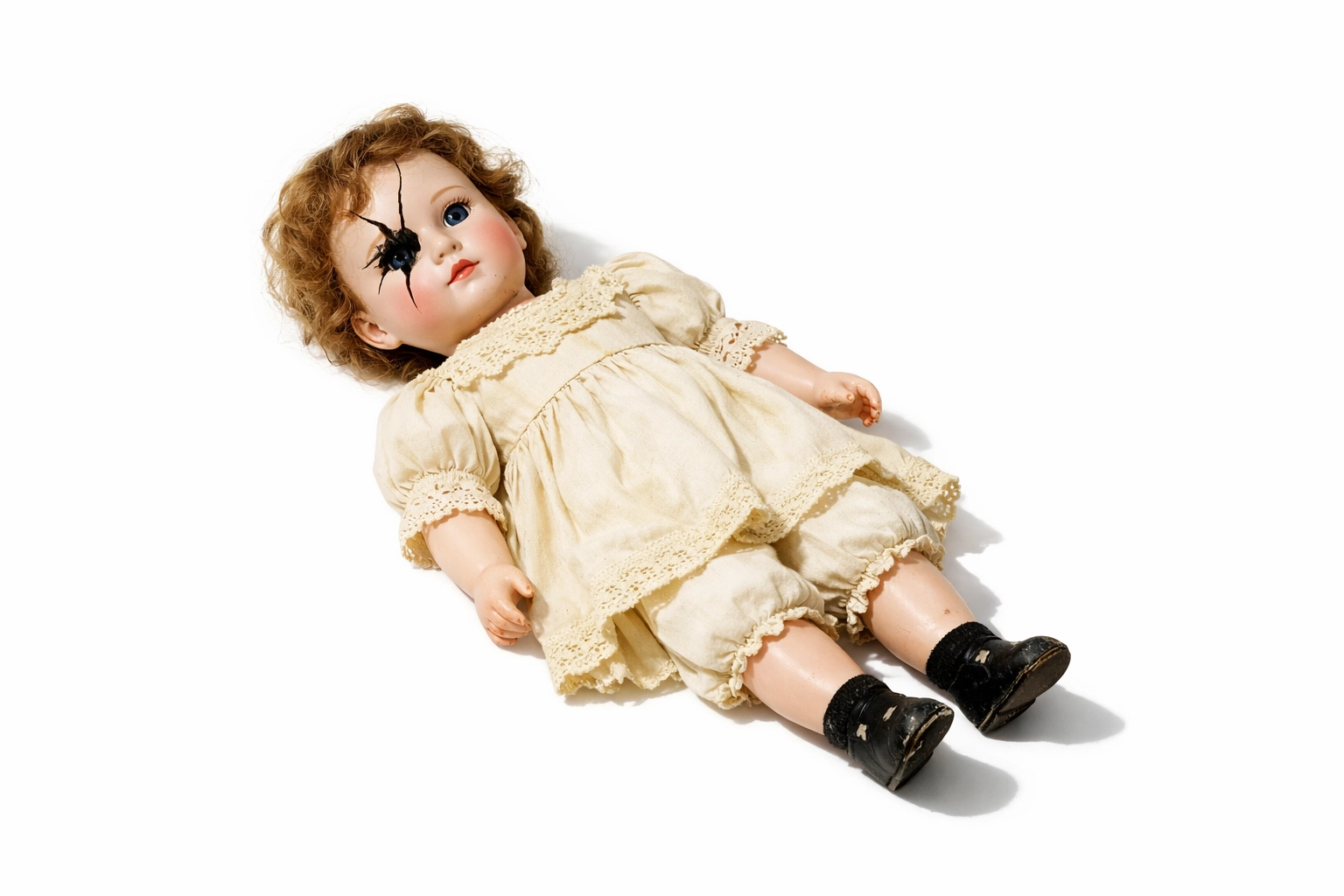
The Perfect Nanny by Leïla Slimani | 228 pages [DOMESTIC THRILLER]
The book opens with the crime: a nanny has killed the two children she was employed to care for. What follows is not a mystery | we know what happened | but an excavation of how. Slimani won the Prix Goncourt for this novel, which is less interested in plot mechanics than in the dynamics of class, dependency, and the invisible labour of childcare. The dread is sustained throughout because the ending is given to you at the start and arrives anyway.
Behind Closed Doors by B.A. Paris | 294 pages [DOMESTIC THRILLER]
Jack and Grace Angel appear to have a perfect marriage. The reality is something else entirely. Paris constructs a thriller around a relationship that is exactly as wrong as it appears from outside | the tension comes not from revelation but from escalation. It is a page-turning domestic thriller that doesn’t ask complex questions but executes its premise with real efficiency. The format | alternating “then” and “now” chapters | ratchets the suspense without ever releasing it before the ending.
Psychological Thrillers: Trust No One
Psychological thrillers shift the threat inward. The danger is not just external | it is epistemic. Can we trust what the narrator tells us? Can they trust themselves? The best psychological thrillers exploit the gap between what characters believe is happening and what is actually happening, and they sustain that gap until the reveal collapses it. Short psychological thrillers work because the unreliable narrator device works better in concentrated form. At 150:200 pages, the device lands cleanly before it becomes exhausting.
The Grownup by Gillian Flynn | 64 pages [PSYCHOLOGICAL THRILLER]
A woman who makes her living as a fake psychic is hired to investigate a supposedly haunted house. Flynn packs more psychological tension and narrative sleight of hand into 64 pages than most thriller writers manage in 300. Winner of the Edgar Award for Best Short Story, this proves Flynn is equally precise at much shorter length. The twist here is genuinely disorienting and the prose is as sharp as anything she’s written. Read it in a sitting and spend the next hour thinking about where the real misdirection was.
The Chalk Man by C.J. Tudor | 290 pages [PSYCHOLOGICAL THRILLER]
In 1986, a group of children in a small English town develop a chalk figure code for leaving each other messages. Then someone uses the same code to lead them to a dismembered body. In the present, one of those children receives a chalk figure in the post. Tudor constructs a dual-timeline thriller with two interlocking mysteries | what happened then, and what it means now. One of the most praised debut psychological thrillers of recent years.
Elevation by Stephen King | 146 pages [PSYCHOLOGICAL THRILLER]
A man in Castle Rock, Maine begins losing weight while looking exactly the same. The scale goes down: his appearance doesn’t change. King is not doing supernatural horror here | he’s doing something quieter: a study in how communities respond to the inexplicable. At 146 pages, this is King at his most restrained and arguably his most humane. It is the perfect King book for readers who find his longer novels overwhelming.
The Strange Case of Dr Jekyll and Mr Hyde by Robert Louis Stevenson | 141 pages [CLASSIC PSYCHOLOGICAL THRILLER]
The original psychological thriller | a respectable London doctor discovers a chemical that releases the worst of himself and finds he can no longer control which self appears. Stevenson published this in 1886 as a novella and it remains one of the most efficient explorations of duality and self-deception in the English language. Read it as the founding text of the genre rather than a story you already know from adaptations.
Crime Thrillers: The Race Against Time
Crime thrillers focus the tension outward | a crime has been committed, a threat is active, and someone must respond. The reader’s question is not “can we trust the narrator” but “will they get there in time?” The best short crime thrillers solve the pace problem that afflicts longer crime fiction: they don’t have space for the third act to sag.
And Then There Were None by Agatha Christie | 264 pages [CLASSIC CRIME THRILLER]
Ten strangers lured to an isolated island. No way off. One by one they die, following the pattern of a nursery rhyme. Christie’s most mechanically precise construction: the solution is hidden in plain sight and arrives with the force of inevitability. It is the most commercially successful mystery novel ever written. Included here because it is, in everything except name, a thriller | the tension is unrelenting and the pages turn themselves.
Sharp Objects by Gillian Flynn | 254 pages [CRIME THRILLER]
A journalist returns to her small Missouri hometown to cover the murders of two young girls and finds herself unravelling alongside the investigation. Flynn’s debut novel is darker and more Gothic than Gone Girl. The Midwest setting is rendered with genuine menace, and the central character’s relationship with her mother is the most unsettling element in a book full of unsettling elements.
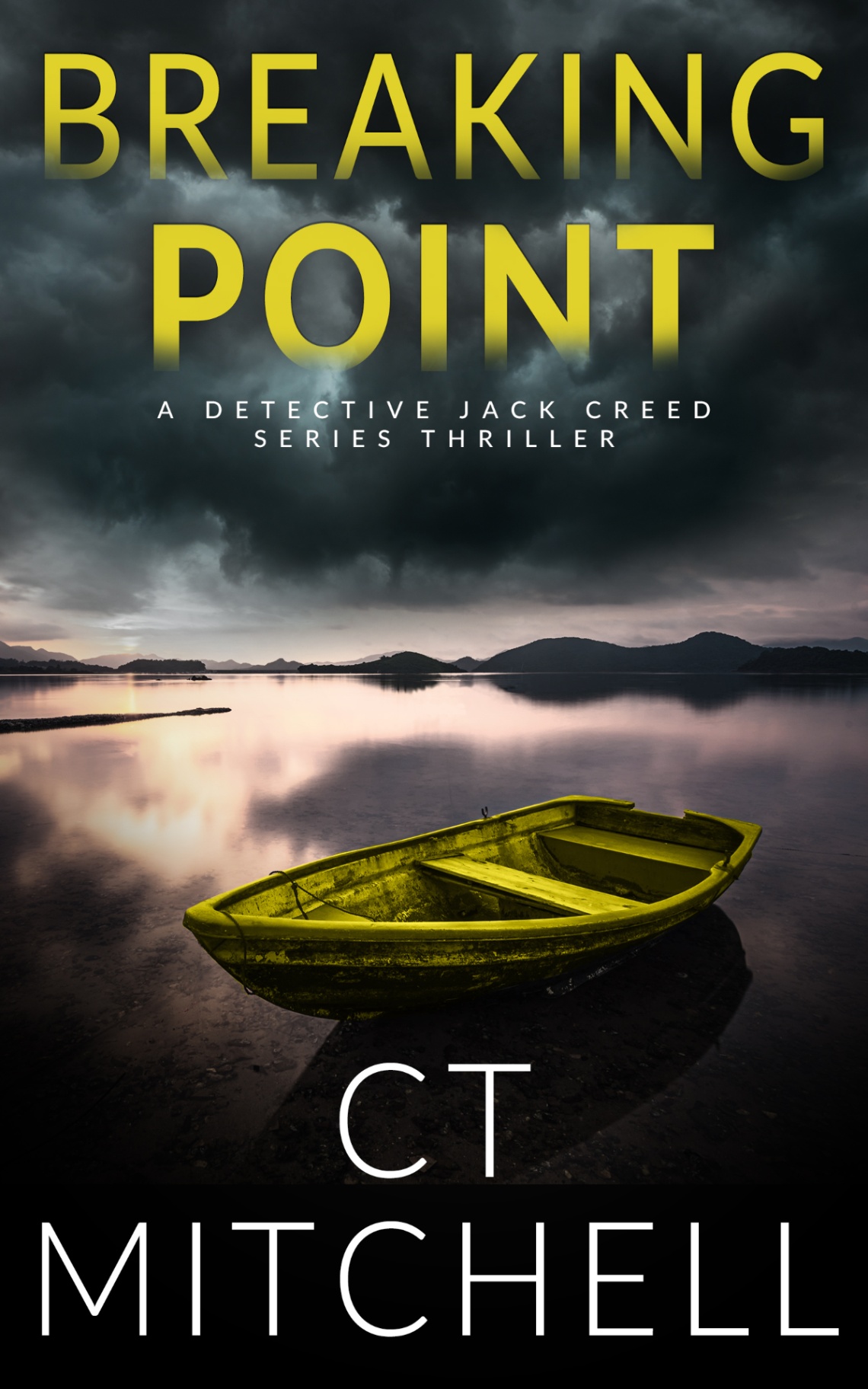
Breaking Point by CT Mitchell | ~200 pages [CRIME THRILLER]
A pressure-cooker setup where everything feels one bad decision away from disaster: the stakes escalate fast, the suspects tighten, and the danger stays active instead of sitting neatly in the past. Mitchell keeps it lean and punchy | short chapters, sharp turns, and a constant sense that time is running out. If you like crime thrillers that read like a countdown, this one hits that one-sitting sweet spot without wasting a page. You can find this and similar titles in our thriller section.
The Final Score: New for 2026
If you are looking for the absolute latest in short-form crime, look no further than Don Winslow’s “The Final Score”. Released in early 2026, this collection of six short novels offers the ideal material for reading in one sitting. Winslow has a deft and memorable touch with shorter forms, especially in stories like “The Lunch Break,” which proves you don’t need 600 pages to create a masterclass in suspense. It is a delight for anyone who values tight, punchy storytelling.
Thriller vs Mystery: What’s the Difference?
The distinction matters for finding the right book. The two genres overlap | many books are both | but they create different reading experiences.
- Mystery: The crime has already happened. The reader works backward with the detective toward the solution. The question is: who did it, and how? Tension comes from puzzle-solving and revelation.
- Thriller: The threat is ongoing. The reader moves forward alongside the protagonist toward a resolution that isn’t guaranteed. The question is: will they stop it, survive it, or uncover it in time? Tension comes from pace and jeopardy.
If you want to work backward toward a solution, start with our mystery category. If you want to move forward through building danger, check out the thriller section.
What to Read Next
If this page sent you in a specific direction, we have plenty of other curated lists to help you maintain your reading habit:
- Short Mystery Books | If the puzzle-solving element interests you more than the ongoing threat.
- Best Short Books to Read in One Sitting | The full hub, covering all genres and reader types.
- Best Novellas of All Time | If the psychological section sent you toward short literary fiction.
- Short Books to Break a Reading Slump | If you want something that grabs immediately and won’t let go.
- Books Under 100 Pages | The fastest reads on the site, including The Grownup and Jekyll and Hyde.
The best short thriller does one thing: it makes you physically unable to stop reading. Everything else | character, prose style, subgenre | is in service of that. Every book on this page achieves that “one sitting” goal. The length just means it does it faster. Ready to start your next obsession? Visit our shop to find your next favorite short read today.