
The Proven Short Reads Framework: 5 Steps How to Build a Reading Habit and Boost Your Confidence (Easy Guide for Busy People)
Here’s a shocking truth: 92% of people who try to build a reading habit quit within the first month. Not because they don’t want to read, but because they’re following advice that’s designed to fail.
You know the drill. “Just read 30 minutes a day!” they say. “Pick up that classic novel!” they suggest. Meanwhile, you’re staring at a 400-page book that’s been collecting dust for three months, feeling like a failure every time you see it.
If you’re a busy person who genuinely wants to read but keeps getting derailed, this isn’t your fault. Traditional reading advice is broken, and I’m going to show you exactly why: plus give you a proven framework that actually works for people with demanding schedules and short attention spans.
Why Traditional Reading Advice Sets You Up for Failure
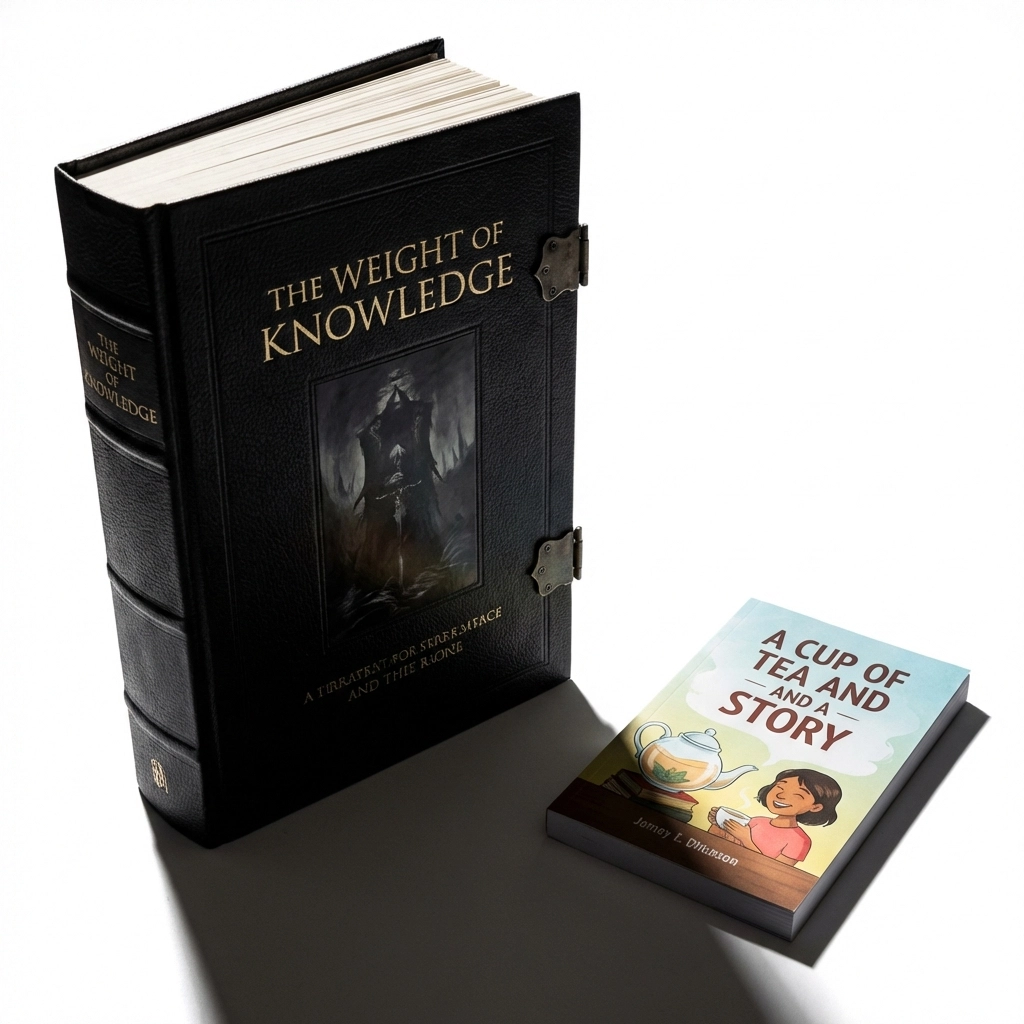
Most reading advice treats books like vegetables: something you should consume because it’s “good for you.” The problem? This approach ignores basic human psychology.
Traditional advice tells you to:
- Start with “important” or “classic” books
- Read for 30-60 minutes daily
- Focus on page count goals
- Push through boring sections
But here’s what science tells us about habit formation: small wins create momentum, while early failures destroy motivation. When you abandon a 500-page novel after 50 pages, your brain doesn’t think “I’m learning my preferences.” It thinks “I’m bad at reading.”
The real surprise? People who succeed at building reading habits start with books under 150 pages and focus on completion psychology, not literary merit. This triggers what researchers call the “completion bias”: our brain’s powerful drive to finish what we start when the end feels achievable.
The Short Reads Framework: Your 5-Step System
This framework is built on one core principle: reading confidence comes from completion, not complexity. Each step is designed to hack your psychology and create unstoppable momentum.
Step 1: Start Ridiculously Small (Under 100 Pages)
Why It Works: Psychologist BJ Fogg’s research shows that habit formation requires three elements: motivation, ability, and trigger. Starting with books under 100 pages maximizes your ability while minimizing the motivation required.
How to Implement:
- Choose books between 50-100 pages maximum
- Look for novellas, short memoirs, or essay collections
- Prioritize engaging books over “important” ones
- Set your expectation to finish in 1-3 reading sessions
Common Mistake to Avoid: Don’t feel guilty about “easy” choices. A completed 80-page book beats an abandoned 300-page masterpiece every single time for building your reading habit.

Step 2: Choose Page-Turners, Not “Important” Books
Why It Works: Entertainment value creates what researchers call “intrinsic motivation”: you read because you want to, not because you should. This builds positive associations with reading that compound over time.
How to Implement:
- Pick mystery, thriller, or humor books initially
- Read reviews specifically mentioning “couldn’t put it down”
- Choose books for non readers rather than literary fiction
- Look for stories with strong narrative hooks in the first chapter
Common Mistake to Avoid: Resist the urge to read what you think you “should” read. Build the habit first, expand your taste later.
Step 3: Schedule Micro-Reading Sessions (15 Minutes)
Why It Works: James Clear’s “Atomic Habits” research shows that habits stick when they’re smaller than your resistance level. Fifteen minutes feels manageable even on your busiest days, creating consistency without overwhelm.
How to Implement:
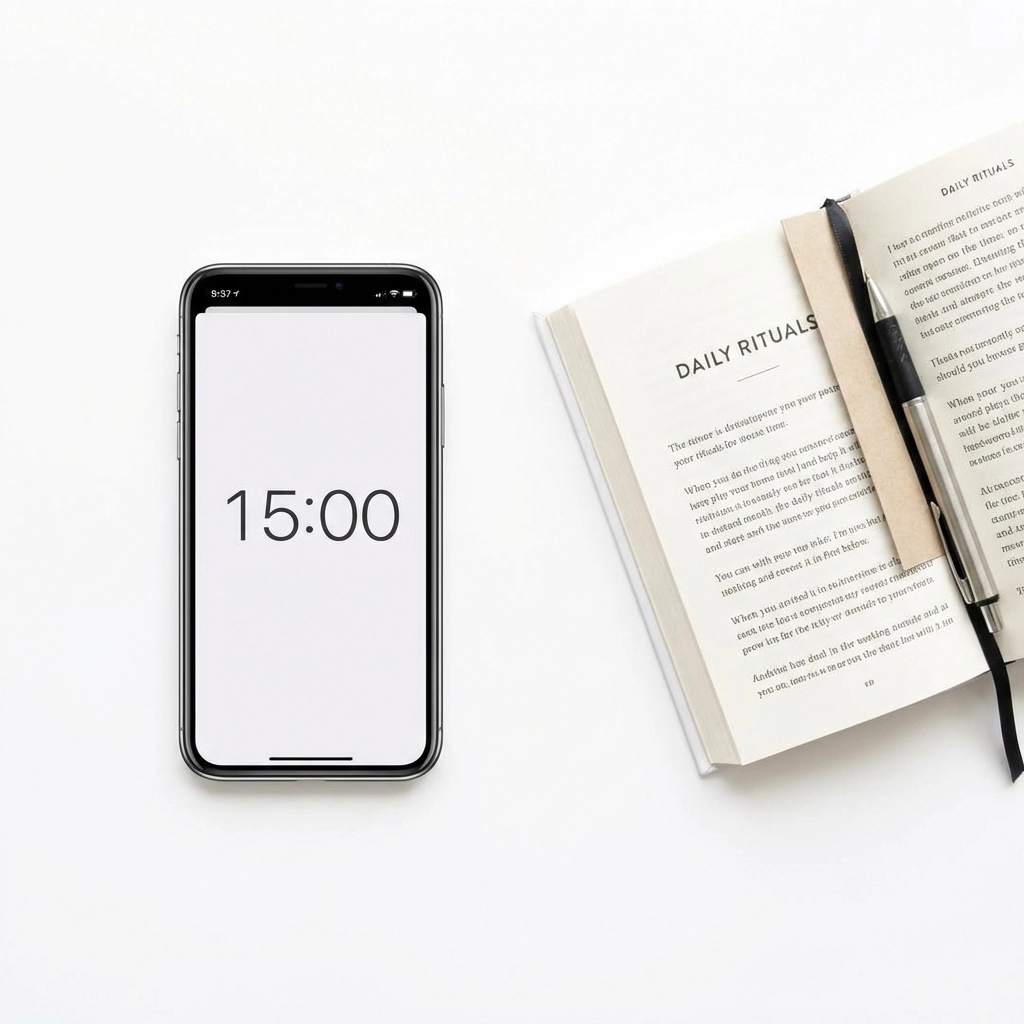
- Block 15 minutes daily (same time if possible)
- Use transition moments: lunch breaks, before bed, during commute
- Set a timer: stop when it goes off, even mid-sentence
- Focus on consistency over duration
Common Mistake to Avoid: Don’t extend sessions because you’re “in the zone.” Stopping while engaged builds anticipation for tomorrow and prevents burnout.
Step 4: Track Completions, Not Pages
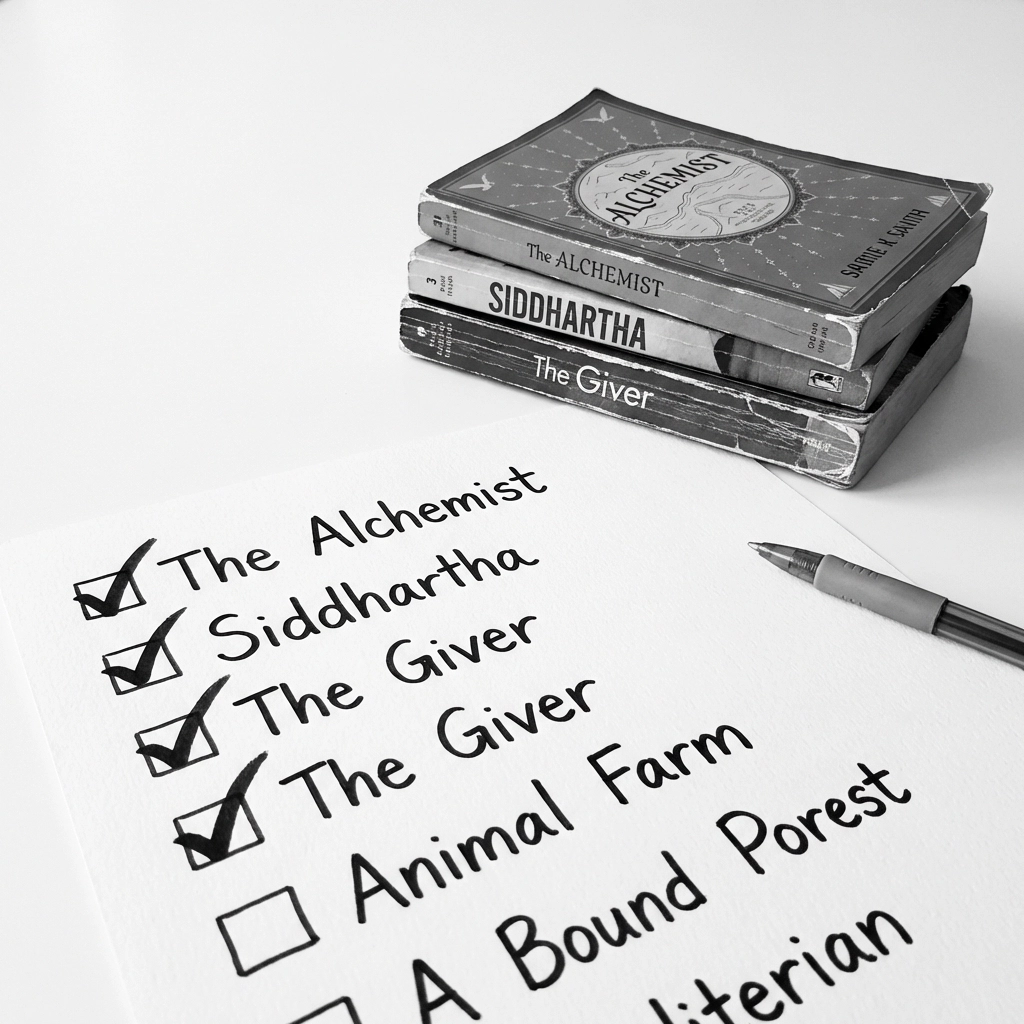
Why It Works: Completion tracking leverages the “progress principle”: visible progress in meaningful work boosts motivation more than any other factor. Each finished book becomes evidence that you’re “someone who reads.”
How to Implement:
- Use a simple checklist or reading app
- Celebrate each completion (literally: do a small happy dance)
- Take a photo of finished books or keep a visual list
- Share completions with friends or social media
Common Mistake to Avoid: Don’t track pages read, time spent, or books started. Only completed books count: this reinforces the accomplishment psychology that builds confidence.
Step 5: Stack Wins Progressively (100 → 150 → 200 Pages)
Why It Works: This applies “progressive overload” from fitness to reading. Just like you gradually increase weights at the gym, you gradually increase book length as your reading muscle strengthens.
How to Implement:
- Complete 3-5 books under 100 pages first
- Move to 100-150 page books for your next 3-5 completions
- Only then consider 150-200 page books
- Return to shorter books anytime you feel overwhelmed
Common Mistake to Avoid: Don’t rush the progression. Your reading stamina needs time to develop, just like physical fitness.
The Psychology Behind Why This Framework Works
This system succeeds because it’s built on proven psychological principles:
Completion Bias: Our brains are wired to finish what we start when the endpoint feels achievable. Short books activate this powerful drive.
Small Wins Theory: Harvard’s Teresa Amabile discovered that small, frequent victories create more sustained motivation than occasional big achievements.
Habit Stacking: By linking reading to existing routines (lunch, bedtime), you leverage established neural pathways instead of creating entirely new ones.
Identity Shift: Each completed book reinforces the identity “I am someone who reads,” making future reading feel natural rather than forced.
You might think this approach is “dumbing down” reading, but research shows the opposite. People who build habits with accessible books ultimately read more diverse and challenging material than those who start with difficult texts and quit.
Ready to Build Your Reading Muscle?
The framework works, but you need the right books to implement it. This is where short reads under 150 pages become your secret weapon: they’re specifically designed for building reading confidence through completion psychology.
For page turners that perfectly fit this framework, consider starting with C T Mitchell’s series. The Detective Jack Creed mysteries, Lady Margaret Turnbull cozy mysteries, and Selena Sharma detective stories are all crafted to be under 150 pages, highly engaging, and designed for completion. They’re the literary equivalent of training wheels: except these wheels help you build genuine reading muscle that transfers to any genre.
Remember: every reader was once a non-reader who found the right system. The Short Reads Framework gives you that system. Start ridiculously small, choose entertainment over education, and watch your reading confidence soar.
Your reading habit starts with your next completed book, not your next started one. Make it count.
Share


