Here’s a statistic that might surprise you: short reads earn 3.6 times more per page than traditional novels on Amazon. Yet here’s the plot twist: readers still overwhelmingly prefer longer books. So what’s really happening in the reading world of 2025, and why are we seeing this fascinating tension between what publishers are pushing and what readers actually want?
Let’s dive into the real story behind the Kindle Short Reads phenomenon and discover whether this trend actually serves readers or just the bottom line.
Before we get carried away with the “short reads revolution,” let’s address the elephant in the room. Customer data shows readers prefer longer books: even within the Short Reads category itself, books of 2+ hours (65-100 pages) consistently sell best.
This preference makes perfect sense when you think about it. Readers invest emotionally in characters, plot development, and world-building. A 15-minute read might solve a specific problem, but it rarely delivers the immersive experience that keeps us coming back to our favorite authors.
However, the rise of short reads isn’t entirely publisher-driven hype. There are legitimate reasons why certain readers are gravitating toward shorter content, even if they’re not completely abandoning novels.

Let’s be honest about modern life in 2025. Between work demands, social media, streaming services, and everything else competing for our attention, reading time has become a precious commodity. This is where short reads find their sweet spot.
Consider these scenarios where short reads actually make sense:
• Commuter reading: Perfect for subway rides or waiting appointments
• Lunch break entertainment: Exactly the right length for a midday mental break
• Bedtime stories for adults: Complete a story without staying up until 2 AM
• Genre sampling: Test new authors or subjects without major time investment
• Research and learning: Quick deep-dives into specific topics
The appeal isn’t about dumbing down literature: it’s about matching content length to available attention spans in specific moments.
Here’s where things get interesting from a publishing perspective. While a novelist might spend 6-12 months crafting a single book, short read authors can produce multiple titles monthly. This frequency creates several advantages:
For Authors:
For Readers:
The catch? Quality can suffer when quantity becomes the primary focus. Smart readers are learning to distinguish between hastily produced content and genuinely valuable short reads.
Not all genres translate equally well to shorter formats. Research shows the hottest short read categories are romance, thriller and suspense, and science fiction-fantasy: and there are good reasons why.
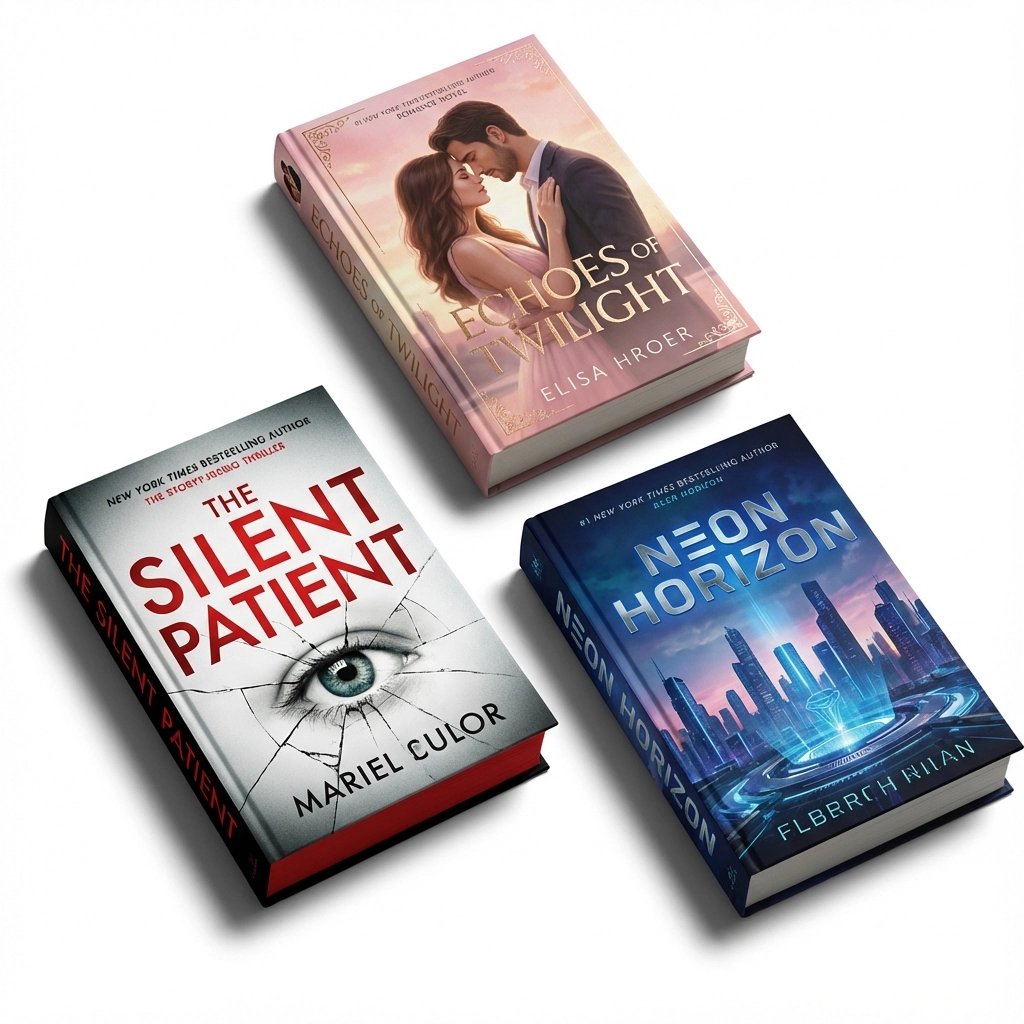
Romance particularly thrives in short format because:
Mystery and thriller work well because:
Science fiction and fantasy benefit from:
Let’s talk numbers, because they reveal why publishers are pushing short reads so aggressively. That 3.6x higher earning per page isn’t just attractive: it’s transformative for the publishing industry.
Here’s the breakdown:
But before you think this benefits readers, remember: you’re often paying more per page of content. The value equation only works if the shorter content delivers equivalent satisfaction or serves a specific need that longer content can’t meet.

Despite reader preference for longer books, there are legitimate scenarios where choosing short reads is genuinely smart:
Learning and Development
Entertainment Needs
Professional Requirements
The real story of 2025 isn’t that readers are abandoning novels for short reads. Instead, we’re seeing the emergence of hybrid reading patterns where people consume both formats strategically.
Smart readers are developing what we might call “reading portfolios”:
This approach maximizes both the immersive experience of novels and the practical benefits of focused short content.
The question isn’t whether short reads are better than novels: it’s about matching format to purpose. Here’s a practical framework:
Choose novels when you want to:
Choose short reads when you need to:
The smartest readers in 2025 aren’t switching entirely to either format: they’re becoming strategic about when and why they choose each option.
Whether you’re drawn to the quick satisfaction of short reads or the deep immersion of full novels, the key is making intentional choices about your reading time. Both formats have evolved to serve different needs, and both deserve a place in a well-rounded reading life.
Ready to explore how short reads might fit into your reading routine? Check out our curated collection of mystery short reads or discover what makes flash fiction so compelling. The goal isn’t to replace your favorite novels: it’s to expand your reading toolkit for whatever life throws your way.
Share



A novella offers a unique middle ground in fiction, packing a punch with its concise storytelling. For many readers and writers, knowing whether a story is best told as a novella or a novel can shape the entire reading experience. With novels typically exceeding 50,000 words and novellas ranging from 20,000 to 40,000 words, these two forms provide distinct ways to explore characters and worlds. Understanding their differences helps you choose the right path for your next literary adventure.
| Point | Details |
|---|---|
| Length and Complexity | Novellas range from 20,000 to 40,000 words, while novels start at 50,000 words, with the former focusing on a single theme and the latter allowing for intricate plots. |
| Genre Suitability | Novellas excel in concise genres like romance and mystery, whereas novels are suited for expansive explorations like epic fantasy and historical fiction. |
| Reading Experience | Novels deliver immersive storytelling appealing to deep character exploration, while novellas provide quick, impactful narratives ideal for busy readers. |
| Choosing Format | Select a novella for focused narratives and limited complexity, and a novel for multi-dimensional storytelling and extensive world-building. |
Understanding the fundamental differences between novellas and novels is crucial for readers and writers alike. According to research from naac.psou.ac.in, a novella is a prose fiction that sits uniquely between a short story and a novel, characterized by its focused narrative approach and limited scope.
Novella Characteristics
Novels, in contrast, provide a more expansive storytelling landscape. As detailed by uobabylon.edu.iq, novels are extensive narratives exceeding 40,000 words, enabling authors to craft intricate plots and develop complex character arcs. While novellas maintain a tightly focused narrative, novels allow writers to explore multiple storylines, introduce numerous characters, and delve deeper into thematic explorations.
Novel Characteristics
The primary distinguishing factor between novellas and novels lies in their narrative complexity and length. Short Reads vs Full Novels: Complete Guide offers additional insights into how these different formats serve unique storytelling purposes. Novellas provide a concentrated, intense reading experience, while novels offer a more immersive and expansive journey through fictional worlds.
The distinction between novellas and novels becomes most apparent when examining their length, structural complexity, and narrative scope. According to ballard-tighe.com, novels typically start at 50,000 words, offering substantial space for comprehensive storytelling, while novellas range from 20,000 to 40,000 words, providing a more concentrated narrative experience.
Word Count Breakdown
Research from spines.com highlights the fundamental difference in narrative approach. Novellas maintain a narrow focus, concentrating on a single central theme, character, or event, often avoiding the complexity of multiple subplots. Novels, conversely, offer expansive storytelling real estate, enabling writers to weave intricate narratives with multiple characters, rich settings, and interconnected storylines.
Structural Characteristics
For writers and readers seeking more insights into compact storytelling formats, Understanding Short Story Structure: A Deep Dive provides additional context about narrative design across different literary forms. The key takeaway is that while novels offer a panoramic view of a fictional world, novellas provide an intimate, concentrated exploration of a specific narrative moment or character experience.

Genre selection plays a critical role in determining whether a story is best suited as a novella or a full-length novel. According to aspiringwriteracademy.com, novellas excel in genres that benefit from concise, focused storytelling, such as romance, mystery, and suspense.
Ideal Genres for Novellas
Research from inca.ac.id reveals that novellas are particularly effective when concentrating on a singular, central theme or conflict. In contrast, novels provide expansive narrative landscapes that accommodate complex world-building and multiple interconnected storylines, making them perfect for genres requiring deeper exploration.
Ideal Genres for Novels
For readers interested in exploring compact storytelling formats, Short Reads vs Novels: Complete Guide for Readers offers additional insights into how different genres leverage various narrative lengths. The key distinction remains that novellas offer intense, concentrated storytelling, while novels provide room for intricate narrative development across multiple plot dimensions.
The reading experience fundamentally differs between novellas and novels, with each format offering unique engagement for different types of readers. According to differencess.com, novels provide immersive, multi-dimensional storytelling that appeals to readers who enjoy deep character exploration and complex narrative landscapes.
Reader Preferences
Research from askbib.com highlights that novellas deliver concise narratives focusing on a single theme or character arc, offering quick yet powerful reading experiences. These compact stories are perfect for busy readers or those seeking concentrated emotional and intellectual engagement without the time commitment of a full novel.
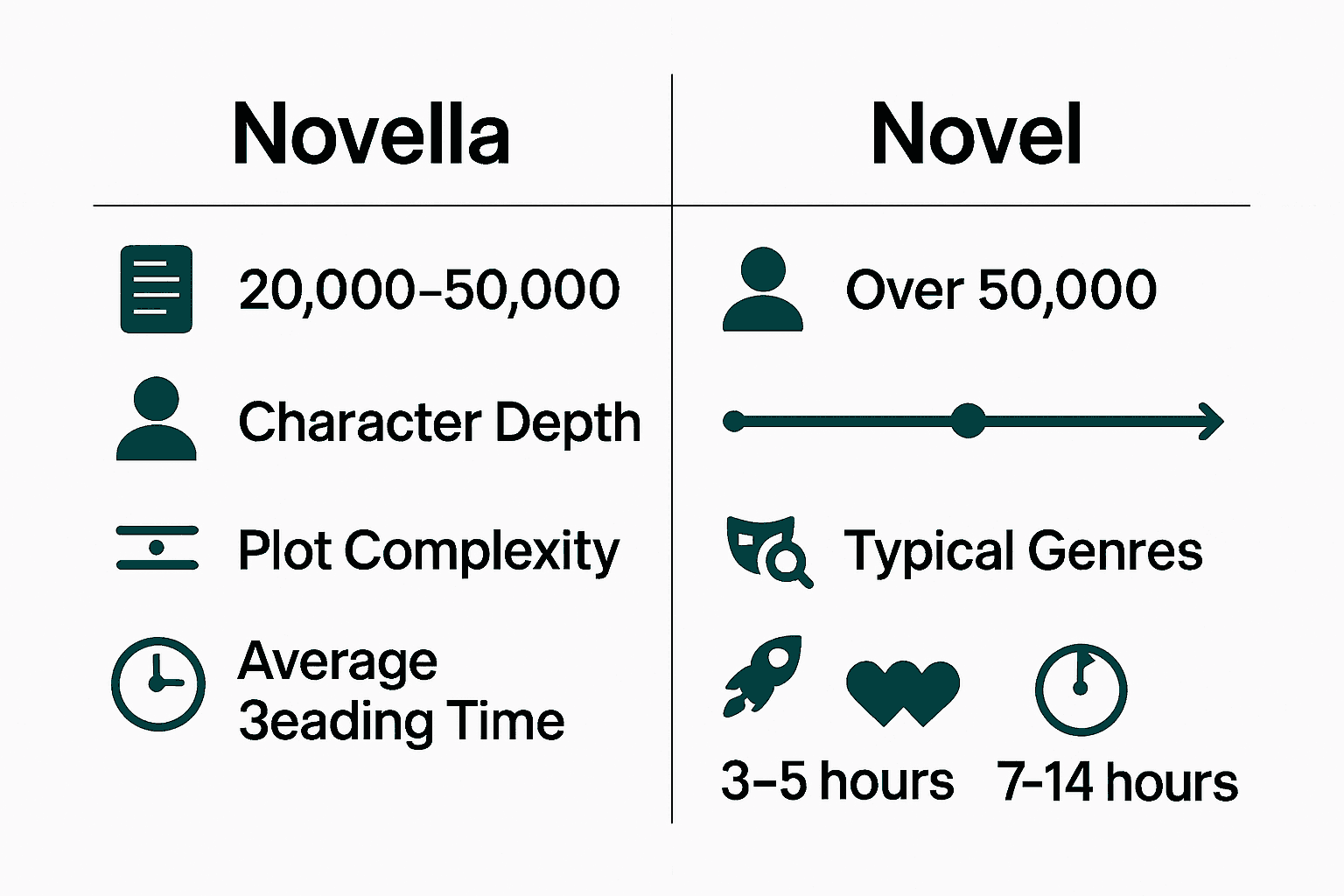
Reading Time Considerations
For readers interested in exploring different storytelling formats, Understanding the Benefits of Short Reads provides additional insights into why compact narratives can be just as compelling as their longer counterparts. The beauty of both formats lies in their ability to transport readers into distinct worlds, whether through a concentrated burst of storytelling or an expansive, immersive journey.
Deciding between writing a novella or a novel requires careful consideration of your story’s core elements and narrative ambitions. According to aspiringwriteracademy.com, critical factors include the complexity of plot, number of characters, and depth of character development.
Key Decision Factors
Research from spines.com suggests that novellas are ideal for focused narratives centered on a single theme or event, while novels provide expansive terrain for exploring multiple storylines and intricate character arcs. Think of a novella as a precise, targeted storytelling approach versus a novel’s panoramic narrative landscape.
Selection Criteria
For writers seeking additional guidance in selecting the right format, Best Short Books offers insights into crafting compelling narratives across different story lengths. The ultimate decision hinges on your story’s unique requirements and the emotional journey you want to create for your readers.
If you have ever felt torn between quick, immersive stories and expansive narratives then this guide on “Novellas vs. Novels” clearly highlights the challenge many readers face. The key hurdle is finding a story with the right balance of length and complexity to match your time and mood without sacrificing depth or engagement. Whether you want a focused thriller or a layered plot with multiple characters the right format makes all the difference.
Explore our curated collection of psychological thriller short reads, murder mystery novellas, and detective short reads crafted to deliver precisely that sharp narrative punch or the immersive experience you crave.
Dive into gripping stories that fit your lifestyle right now at The Short Reads. Take control of your reading journey with our handpicked selection and see why countless readers choose quality over quantity today! Don’t wait to experience storytelling that fits your pace and sparks your imagination. Start browsing now and find your next captivating read at online short reads.
The primary difference lies in length and narrative complexity: novellas are typically 20,000 to 40,000 words and focus on a single incident or theme, while novels exceed 50,000 words and support complex, multi-layered plots with multiple characters and subplots.
Novellas usually take 1-3 hours to read, whereas novels can require 6-12 hours, depending on their length and complexity.
Novellas excel in genres that benefit from concise storytelling, such as romance, mystery, suspense, and psychological thrillers, focusing on a singular theme or character arc.
Consider factors such as plot complexity, character count, narrative depth, and the emotional journey you want to create. If your story centers on a single event or has limited complexity, a novella may be ideal. For more intricate narratives with multiple perspectives, a novel is the better choice.



More than 60 percent of avid readers seek stories they can finish in just a few sittings, yet crave the depth often missing from short stories. Novellas answer this need by combining rich character development with a focused narrative that never drags. These compact works have carved out a special place in modern fiction, offering readers a satisfying blend of brevity and substance for those moments when time is short but substance still matters.
| Point | Details |
|---|---|
| Definition of Novella | A novella is a narrative form bridging short stories and novels, typically ranging between 20,000 to 50,000 words. |
| Literary Flexibility | Novellas span multiple genres, allowing for complex themes without the extensive commitment of full-length novels. |
| Unique Appeal | They deliver complete narratives with intense character development and focused conflicts, resonating deeply with readers. |
| Cultural Impact | Novellas democratize storytelling, providing accessible reading experiences and encouraging innovative narrative structures. |
In the vast landscape of literary forms, the novella emerges as a unique narrative creature, bridging the gap between short stories and full-length novels. According to New World Encyclopedia, a novella is a prose fiction work that typically explores a single event or character’s critical turning point, originating from the Italian word meaning ‘new’.
The contemporary understanding of novellas centers on their distinctive length and narrative complexity. Wikipedia highlights that novellas possess fewer conflicts than novels but more intricate plotlines than short stories. This nuanced positioning allows writers to craft deeply intimate narratives without the extensive world-building required in longer novels.
Key characteristics of novellas include:
For readers seeking compact yet profound reading experiences, short reads vs full novels guide offers additional insights into understanding these narrative forms. Novellas represent a compelling middle ground in fiction, offering depth without demanding the extensive time commitment of a traditional novel.
Novellas represent a dynamic literary form that spans multiple genres, offering writers a unique canvas for storytelling. Wikipedia reveals that these compact narratives can effectively encompass diverse genres including science fiction, fantasy, horror, romance, and psychological fiction, each presenting distinctive opportunities for narrative exploration.
The genre flexibility of novellas allows writers to dive deep into complex themes without the extensive commitment required by full-length novels. New World Encyclopedia emphasizes that novellas excel at exploring nuanced narratives that might feel rushed in short stories or underdeveloped in traditional novels. This adaptability makes them perfect for experimental and focused storytelling.
Genre-specific novella characteristics include:
For readers interested in exploring different narrative lengths, our short reads vs full novels guide provides additional context about how different fiction formats can deliver compelling storytelling experiences. Novellas ultimately represent a powerful, genre-spanning form that bridges the gap between brevity and depth.

Wikipedia reveals that novellas occupy a distinctive literary space, characterized by their carefully crafted narrative structure and precise length. These compact narratives typically range between 20,000 and 50,000 words, offering readers an immersive experience that balances depth and concision. Unlike short stories, novellas provide ample room for nuanced character development and complex thematic exploration.
The unique appeal of novellas lies in their ability to deliver a complete narrative arc with remarkable intensity. New World Encyclopedia emphasizes that these works excel at focusing on a single pivotal event or character transformation, creating an intimate storytelling experience that resonates deeply with readers. This concentrated narrative approach allows writers to explore intricate emotional landscapes without the extensive world-building required in full-length novels.
Key characteristics that define novellas include:
For readers seeking rich storytelling in a compact format, short reads vs full novels guide offers additional insights into the unique reading experience novellas provide. These literary gems represent a perfect middle ground between brevity and narrative complexity, offering readers an immersive journey that can be completed in a single, engaging sitting.
Wikipedia reveals that novellas have profoundly transformed literary culture by offering readers a unique storytelling experience that bridges the gap between short stories and full-length novels. These compact narratives provide an accessible entry point for readers who may feel intimidated by lengthy novels or find short stories too brief, creating a more inclusive reading landscape that caters to diverse literary preferences.
The cultural significance of novellas extends beyond reader accessibility. New World Encyclopedia emphasizes their crucial role in challenging traditional narrative structures and providing writers a flexible platform for exploring complex themes with remarkable depth and precision. By demanding concentrated storytelling, novellas have pushed literary boundaries, encouraging more experimental and focused narrative approaches.
Key impacts on literary culture include:
For readers seeking to explore the transformative power of compact narratives, our guide on understanding the benefits of short reads offers additional insights into how these literary forms are reshaping contemporary reading experiences. Novellas ultimately represent more than just a literary format—they are a dynamic cultural expression that continues to evolve and challenge our understanding of storytelling.
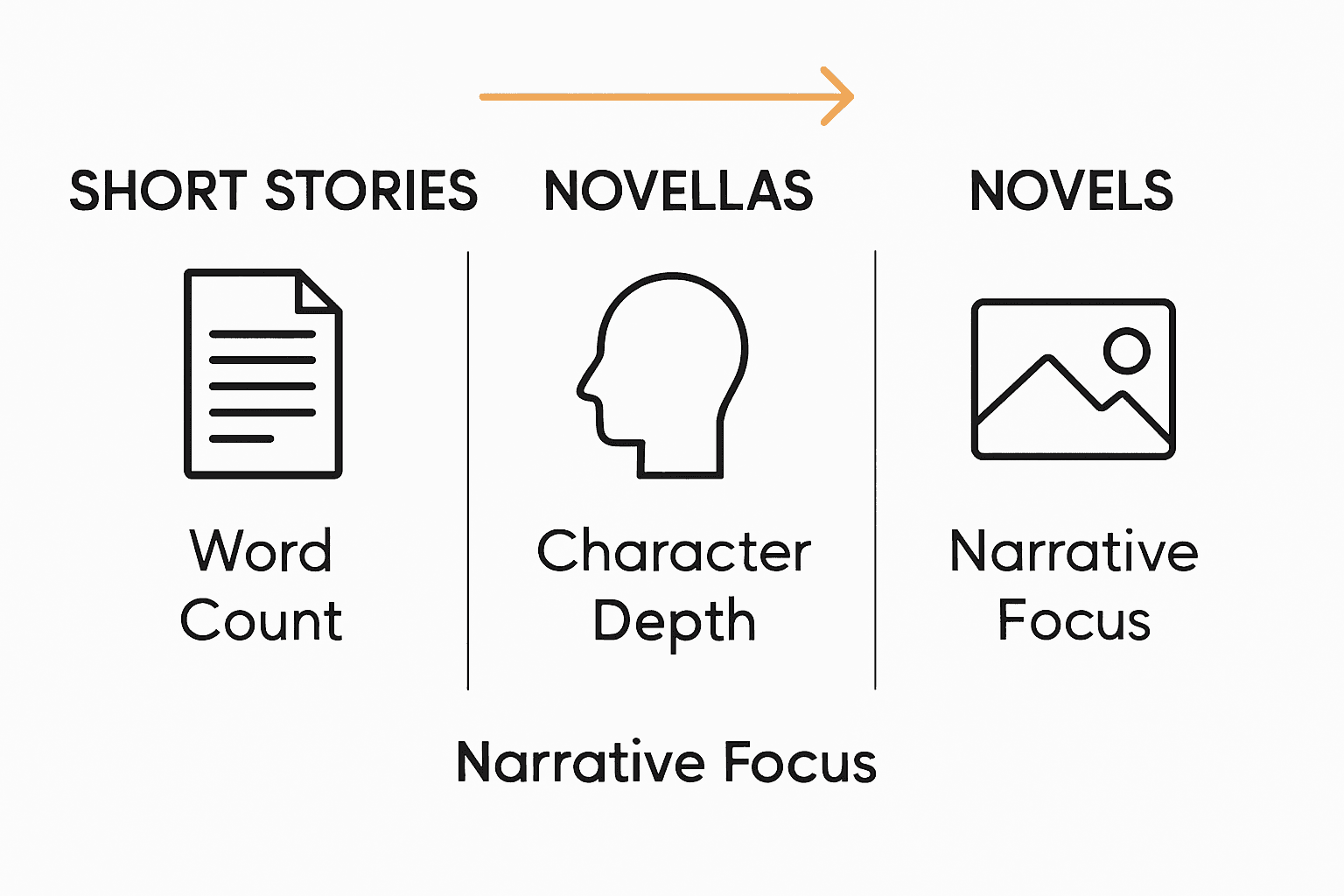
Wikipedia illuminates the unique literary positioning of novellas, which occupy a distinctive space between short stories and full-length novels. These narrative forms differ significantly in length, complexity, and storytelling approach. While short stories typically range from 1,000 to 7,500 words and novels start around 50,000 words, novellas comfortably inhabit the 20,000 to 50,000-word range, offering a nuanced storytelling experience that balances depth and concision.
New World Encyclopedia emphasizes that novellas distinguish themselves through their concentrated narrative focus. Unlike short stories, which often capture a single moment or impression, and novels, which can explore multiple subplots and extensive character arcs, novellas provide a more focused exploration of a primary narrative thread. This allows for deeper character development and thematic complexity without the expansive world-building required in longer novels.
Key comparative characteristics include:
For readers interested in exploring different narrative formats, our guide on understanding short story structure offers additional insights into the nuanced world of compact storytelling. Novellas ultimately represent a literary sweet spot—providing more narrative richness than short stories while maintaining a more concentrated and intense reading experience compared to traditional novels.
Struggling to find rich, immersive stories that fit your busy schedule? This article shows how novellas deliver intense character-driven plots and focused narratives without the time commitment of a full novel. If you crave concise but impactful fiction, explore our collection of psychological thriller short reads and murder mystery novellas crafted to keep you hooked from start to finish.
Dive into stories that master the art of concentrated storytelling while offering the emotional depth the article highlights. Visit The Short Reads now and experience the unique balance between brevity and narrative power only novellas can provide. Don’t wait to enjoy fiction that fits perfectly into your lifestyle and satisfies your literary cravings.
A novella is a prose fiction work typically ranging between 20,000 to 50,000 words that focuses on a single primary conflict or character arc, offering a narrative that is more intricate than a short story but more concise than a full-length novel.
Novellas differ from short stories primarily in length and narrative complexity. While short stories usually range from 1,000 to 7,500 words, novellas provide more space for character development and thematic exploration, typically focusing on a single narrative thread.
Novellas can span various genres, including science fiction, fantasy, horror, romance, and psychological fiction. This genre flexibility allows writers to explore complex themes and create rich narratives without the extensive commitment required by novels.
Readers might choose novellas for their compact and profound storytelling experience, which allows for an immersive plot without the lengthy time commitment of a full-length novel. They offer depth and narrative intensity in a shorter format, making them appealing for quick, yet impactful, reads.



Most readers have felt the frustration of picking up a book that is either too brief or overwhelmingly long for their mood or schedule. Knowing whether you want a short read or a novella can make all the difference in enjoying your time with a story. Short reads usually clock in under 7,500 words and novellas range between 17,500 and 40,000 words. Understanding the real differences helps you select stories that match your interest, pace, and depth without second-guessing your choice.
| Point | Details |
|---|---|
| Understanding Formats | Short reads are typically under 7,500 words, while novellas range from 17,500 to 40,000 words, allowing readers to choose based on their available time and engagement level. |
| Narrative Complexity | Novellas allow for deeper character development and complex themes compared to short reads, which focus on a single narrative arc. |
| Audience Preferences | Short reads appeal to busy readers seeking quick satisfaction, whereas novellas attract those who desire more intricate storytelling without committing to full novels. |
| Choosing the Right Format | Opt for short reads for immediate emotional impact and quick reads, while novellas are suited for stories requiring moderate depth and character exploration. |
Narratives come in all shapes and sizes, but understanding the fundamental differences between short reads and novellas helps readers choose exactly what fits their literary appetite. According to Wikipedia, a short story is “a piece of prose fiction that can typically be read in a single sitting and focuses on a self-contained incident or series of linked incidents, with the intent of evoking a single effect or mood.”
Novellas represent a fascinating middle ground in literary formats. Wikipedia defines them as “a narrative prose fiction whose length is shorter than most novels but longer than most short stories, typically ranging from 17,500 to 40,000 words.” This precise definition helps readers understand the structured landscape between brief stories and full-length novels.
Let’s break down the key characteristics of these narrative forms:
Readers seeking a quick literary escape might gravitate towards benefits of short reads, while those wanting a more immersive experience could explore novellas. Both formats offer unique storytelling opportunities that cater to different reading preferences and time constraints.
When diving into the world of concise storytelling, understanding the nuanced differences between short reads and novellas becomes crucial for both writers and readers. International Association of Professional Writers and Editors provides clear parameters, noting that the Science Fiction and Fantasy Writers Association defines word count ranges that distinguish these formats: short stories extend up to 7,500 words, while novellas span between 17,500 and 40,000 words.
Beyond pure word count, these formats differ dramatically in narrative complexity and structural approach. New York Book Editors explain that novellas typically “concentrate on one event or character’s development arc, with a central theme or conflict” and notably lack the extensive subplots and detailed character development found in full-length novels.
Let’s explore the key structural differences:
Short Reads
Novellas

Readers interested in understanding narrative techniques might want to check out our tutorial on short story structure, which provides deeper insights into these compelling storytelling formats.
The landscape of short reads and novellas is richly diverse, offering something for every type of reader. New York Book Editors highlight that novellas are particularly popular in genres like science fiction, fantasy, and romance, appealing to readers who want compelling narratives that can be consumed in just one or two sittings.
International Center for Academic Research explains that novellas excel at providing an in-depth exploration of specific topics without demanding the time commitment of a full-length novel. This makes them perfect for readers who want a more immersive experience than a short story, but don’t have time for a sprawling novel.
Let’s break down audience preferences by genre:
Science Fiction & Fantasy
Romance
Mystery & Thriller
For those eager to explore more compact storytelling formats, our guide on short story structure offers additional insights into these compelling narrative styles.
Time-starved readers and those hesitant to dive into lengthy novels have found their perfect literary match in short reads and novellas. New York Book Editors emphasize that novellas provide a more substantial narrative experience than short stories while remaining significantly faster to read than full-length novels, making them ideal for individuals with limited reading time.
International Center for Academic Research reveals an intriguing aspect of these compact narratives: their brevity forces writers to eliminate everything that doesn’t directly serve the central theme. This results in a laser-focused reading experience that captures and maintains reader engagement without overwhelming them with unnecessary details.
Key benefits for different reader types include:
For Busy Professionals
For Reluctant Readers
For Multitaskers
Readers looking to explore compact storytelling can check out our guide on mystery fiction types for learners and busy readers, which offers additional insights into making reading more accessible and enjoyable.
Navigating the literary landscape requires understanding the nuanced differences between short reads and novellas. New York Book Editors suggest that the primary consideration when selecting your narrative format is the inherent complexity of your story. Novellas offer a unique middle ground, providing more robust character development and plot intricacy than short stories while remaining more concentrated than full-length novels.
International Center for Academic Research recommends assessing your narrative’s core focus. If your story centers on a singular, compelling theme or conflict that demands more narrative depth than a short story but doesn’t require a novel’s expansive exploration, a novella might be your ideal storytelling vessel.
Key Decision Factors:
Choose a Short Read If:
Choose a Novella If:
Readers seeking curated reading experiences can explore our best short books collection to discover compelling narratives that match their reading preferences.
Choosing between short reads and novellas can feel overwhelming when you want a fulfilling story without investing too much time. This article showed how short reads deliver quick, powerful narratives while novellas provide richer character development and deeper themes. Whether you crave a fast emotional impact or a more immersive experience, finding the right format matters.
At The Short Reads, we understand these needs and offer a carefully curated collection of cozy mystery short reads, action thriller novellas, psychological thriller short reads, and more to match your mood and time availability. Our library is designed to keep you engaged without the overwhelm of a lengthy novel.
Elevate your reading journey today and explore stories crafted specifically for busy and thoughtful readers.
Ready to dive into stories that fit your life and interests perfectly Visit The Short Reads now and find your next great read from our mystery fiction short reads and murder mystery novellas collections Don’t wait to experience the joy of storytelling tailored to you
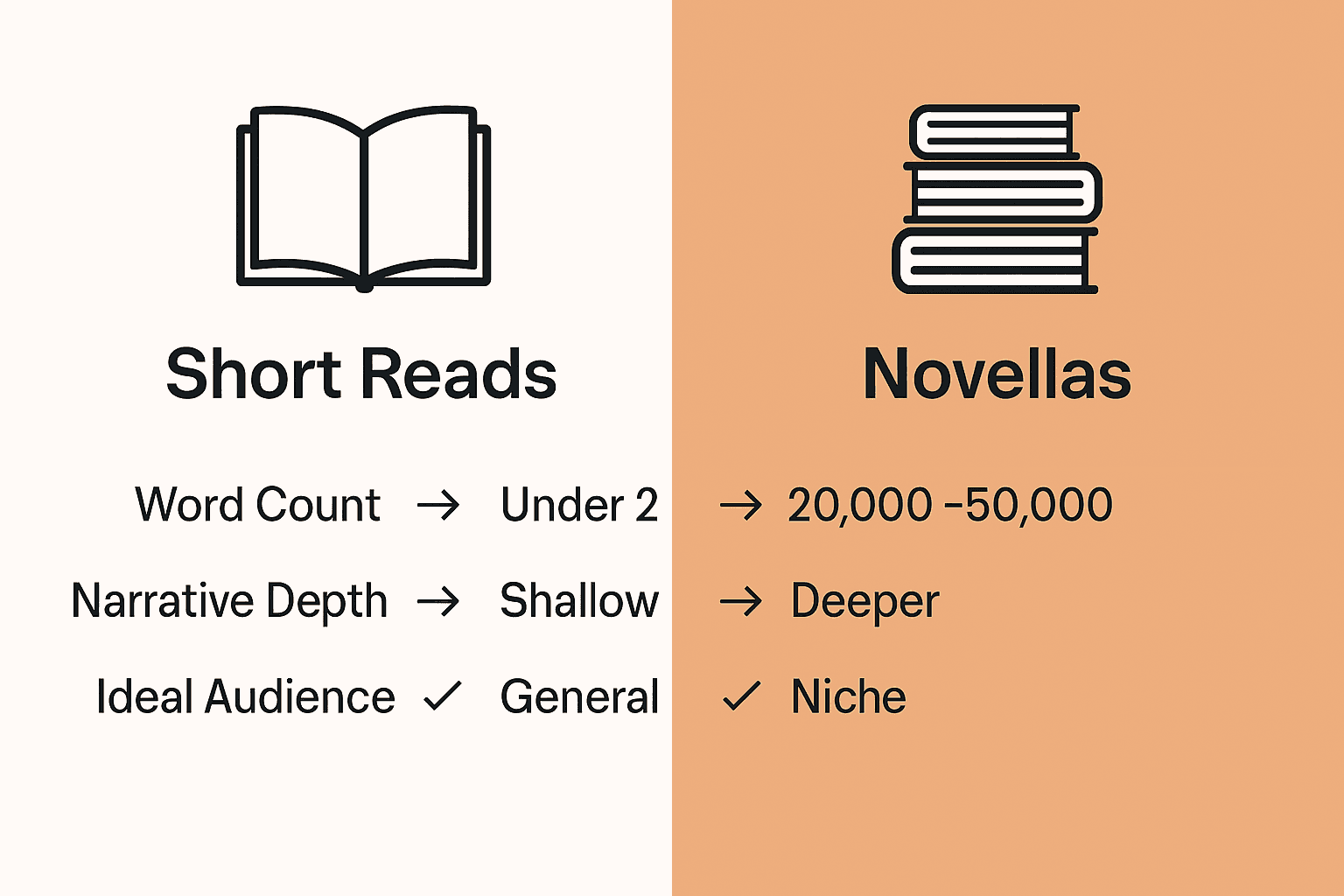
Short reads are typically under 7,500 words, focused on a single narrative arc, and designed to be read in one sitting. Novellas range from 17,500 to 40,000 words, allowing for more complex narrative structures and deeper character development.
Generally, short reads can be completed in a single sitting, often taking just an hour or less. Novellas, while still quicker than full-length novels, may take a couple of hours to read, depending on the length and the reader’s pace.
Both short reads and novellas are popular across various genres, but novellas are particularly favored in science fiction, fantasy, and romance. Short reads tend to be versatile and can encompass many different themes and styles.
Time-starved readers, reluctant readers, and multitaskers benefit greatly from both formats. Short reads offer immediate emotional impacts, while novellas provide a more substantial narrative experience without the time investment required for full-length novels.