
Tag Archives for " unreliable narrator "
Mystery Genre Definition 101: A Beginner’s Guide to Mastering Crime Fiction

Here’s a surprising fact: crime fiction accounts for roughly one-third of all fiction sales worldwide, yet most new readers feel completely overwhelmed when they walk into a bookshop’s mystery section. Sound familiar?
You’ve heard people throw around terms like “cozy mysteries,” “noir,” and “psychological thrillers” like everyone should just know what they mean. Meanwhile, you’re staring at an entire wall of crime fiction wondering where on earth to start.
Good news: understanding the mystery genre is actually easier than solving an Agatha Christie plot. This guide breaks it all down so you can confidently find YOUR perfect mystery match: no detective skills required.
What Is the Mystery Genre? The Core Definition
Let’s start simple. The mystery genre definition centres on one core concept: stories focused on solving a crime or puzzle.
That’s it. Everything else builds from there.
Every mystery, regardless of subgenre, typically contains these essential elements:
- A crime or mysterious event (usually murder, but not always)
- A protagonist trying to solve it (detective, amateur sleuth, or even the victim)
- Clues planted throughout for readers to follow
- A revelation or solution at the end
The real magic? You’re solving alongside the characters. Your brain is actively hunting for clues, questioning suspects, and piecing together the puzzle. That’s why mysteries are so addictive: our brains are literally wired to love puzzles and the satisfaction of closure.
The genre took shape in the mid-19th century, with Edgar Allan Poe credited as a pioneer through “The Murders in the Rue Morgue.” Since then, iconic authors like Agatha Christie and Sir Arthur Conan Doyle have shaped crime fiction into the beloved genre it is today.
The Mystery Family Tree: Main Subgenres Explained
Here’s where beginners often get lost. Crime fiction isn’t one thing: it’s a whole family of reading experiences. Understanding these subgenres is your shortcut to finding books you’ll actually love.
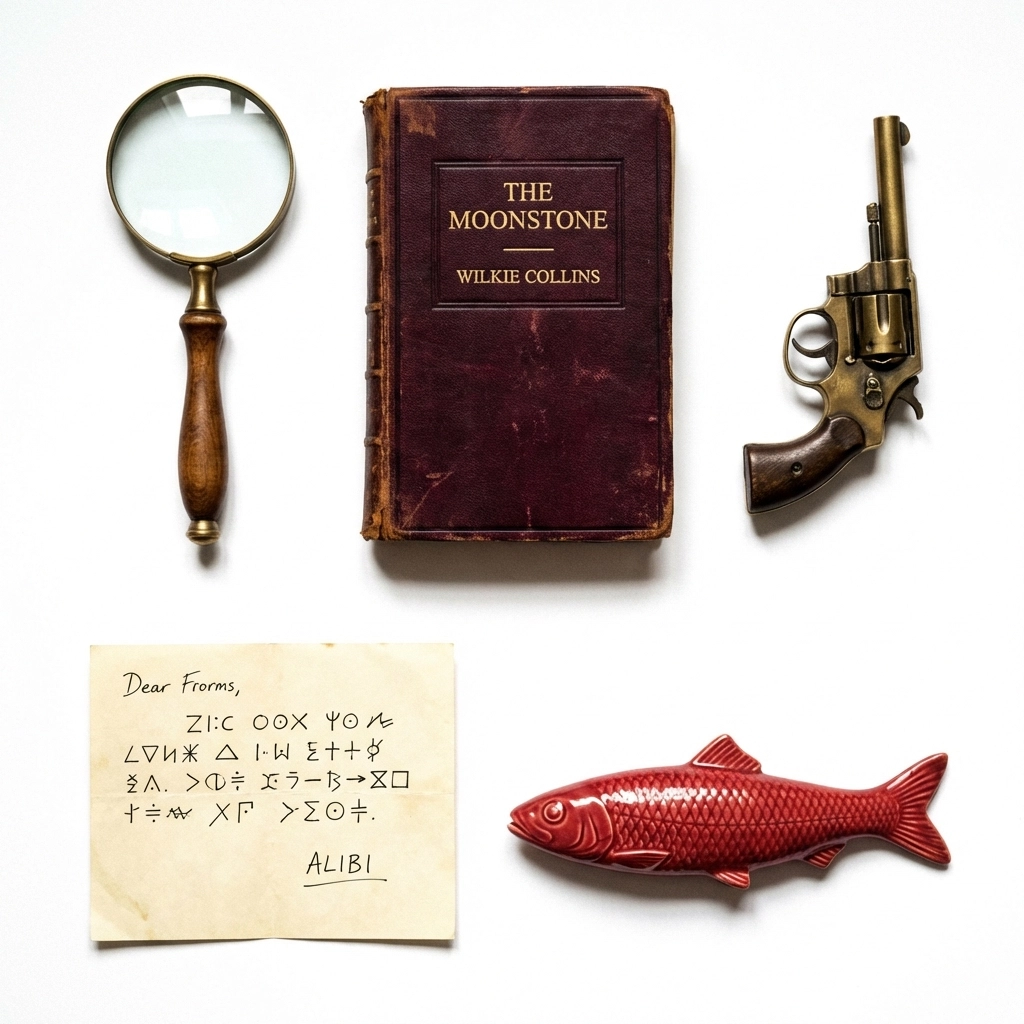
Cozy Mysteries
What they are: Light-hearted, low-violence mysteries featuring amateur sleuths solving crimes through intellect rather than action.
The vibe: Think small towns, bookshops, bakeries, and tea rooms. Violence happens off-page. The focus is on puzzle-solving and charming characters.
Famous examples: Agatha Christie’s Miss Marple series
Perfect for: Beginners who want comfort and puzzle-solving without gore. If you enjoy gentle reads but love a good mystery, start here.
Try this: C.T. Mitchell’s Lady Margaret Turnbull series offers quick cozy mysteries you can finish in one sitting.
Classic Whodunits
What they are: Traditional puzzle mysteries laser-focused on the central question: “Who did it?”
The vibe: Often set in closed environments: country houses, trains, remote islands. Intellectual, methodical, and fair play (all clues are given to you).
Famous examples: Agatha Christie’s Hercule Poirot novels
Perfect for: Logic lovers and puzzle enthusiasts who want to outsmart the detective.
Police Procedurals & Crime Thrillers
What they are: Realistic crime fiction following law enforcement through authentic investigation methods.
The vibe: Urban, gritty, fast-paced. Focus on teamwork, forensics, and the procedural process of catching criminals.
Famous examples: Michael Connelly, Ian Rankin
Perfect for: Fans of Law & Order who appreciate gritty realism and action.
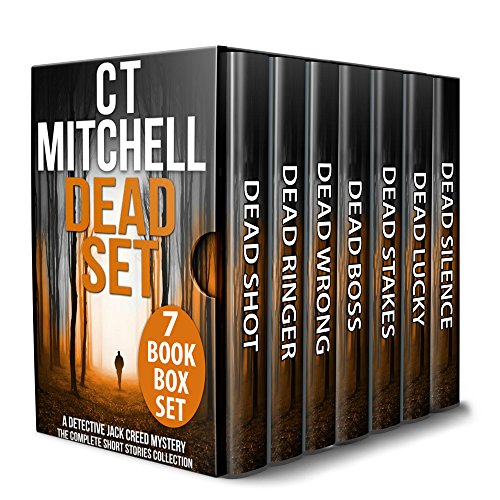
Try this: C.T. Mitchell’s Detective Jack Creed series delivers Australian crime procedurals in under 150 pages: perfect for testing if this subgenre clicks for you.
Psychological Mysteries & Thrillers
What they are: Character-driven mysteries focusing on minds, motivations, and unreliable narrators.
The vibe: Atmospheric, tense, twist-heavy. Often set in domestic or everyday settings that become unsettling.
Famous examples: Gone Girl, The Girl on the Train
Perfect for: Readers who crave shocking twists and psychological depth. For more on this subgenre, explore our guide to psychological thriller themes.
Try this: C.T. Mitchell’s Selena Sharma series offers psychological suspense in accessible, fast-paced novellas.
Historical Mysteries
What they are: Mysteries set in past eras, usually pre-1960s, where historical context shapes the investigation.
The vibe: Atmospheric, elegant, often educational. Period-accurate settings add richness to the mystery.
Famous examples: Ellis Peters’ Cadfael series, Anne Perry
Perfect for: History buffs and Downton Abbey fans who love immersive period settings.
Noir & Hard-Boiled
What they are: Dark, cynical detective stories featuring morally grey heroes navigating shadowy underworlds.
The vibe: Urban, seedy, nighttime. Pessimistic worldview, flawed detectives, moral ambiguity.
Famous examples: Raymond Chandler, Dashiell Hammett
Perfect for: Readers who appreciate dark, complex antiheroes and atmospheric tension.
Key Mystery Tropes You’ll Encounter
Once you understand these common elements, you’ll spot them everywhere: and that’s half the fun:
| Trope | What It Means |
|---|---|
| Locked Room Mystery | Crime occurs where escape seems impossible |
| Red Herrings | False clues designed to mislead you |
| Unreliable Narrator | The storyteller might be lying or confused |
| The Least Likely Suspect | Often the culprit hides in plain sight |
| Chekhov’s Gun | Every detail mentioned will matter later |
Understanding these tropes doesn’t spoil mysteries: it makes reading them more fun. You’ll start noticing the author’s craft while still enjoying the ride. For deeper exploration, check out our mystery fiction terminology guide.
How to Choose Your First Mystery
Still unsure where to start? Answer these quick questions:
Do you want violence on-page or off-page?
- Off-page → Cozy mysteries
- On-page → Crime thrillers, noir
Prefer cozy comfort or gritty realism?
- Comfort → Cozy mysteries, classic whodunits
- Realism → Police procedurals, noir
Love puzzles or character psychology?
- Puzzles → Classic whodunits, locked room mysteries
- Psychology → Psychological thrillers
Historical settings or modern day?
- Historical → Historical mysteries
- Modern → Most crime thrillers and procedurals

Pro tip: Start with SHORT mysteries under 150 pages. You’ll quickly discover what you love without committing to 600-page epics.
Common Mistakes Beginners Make
You might think jumping into crime fiction is straightforward. The real surprise? Most beginners sabotage their own enjoyment:
- Starting with 600-page epics (overwhelm kills the joy before you find your rhythm)
- Picking the wrong subgenre for their taste
- Expecting all mysteries to be the same
- Trying to outsmart the author instead of enjoying the ride
- Abandoning series after book one (often world-building heavy)
The fix: Start short, try different subgenres, and focus on finishing. Completion builds confidence and helps you identify what actually resonates.
Why Short Mysteries Are Perfect for Beginners
Here’s the strategic advantage most new readers miss: novellas let you sample the entire mystery genre quickly.
Under 150 pages means:
- You can try multiple subgenres in a single month
- Tight plotting delivers pure mystery with zero filler
- Every finished book builds your reading confidence
- Less commitment, more discovery
This is exactly why The Short Reads approach works so brilliantly for genre exploration.
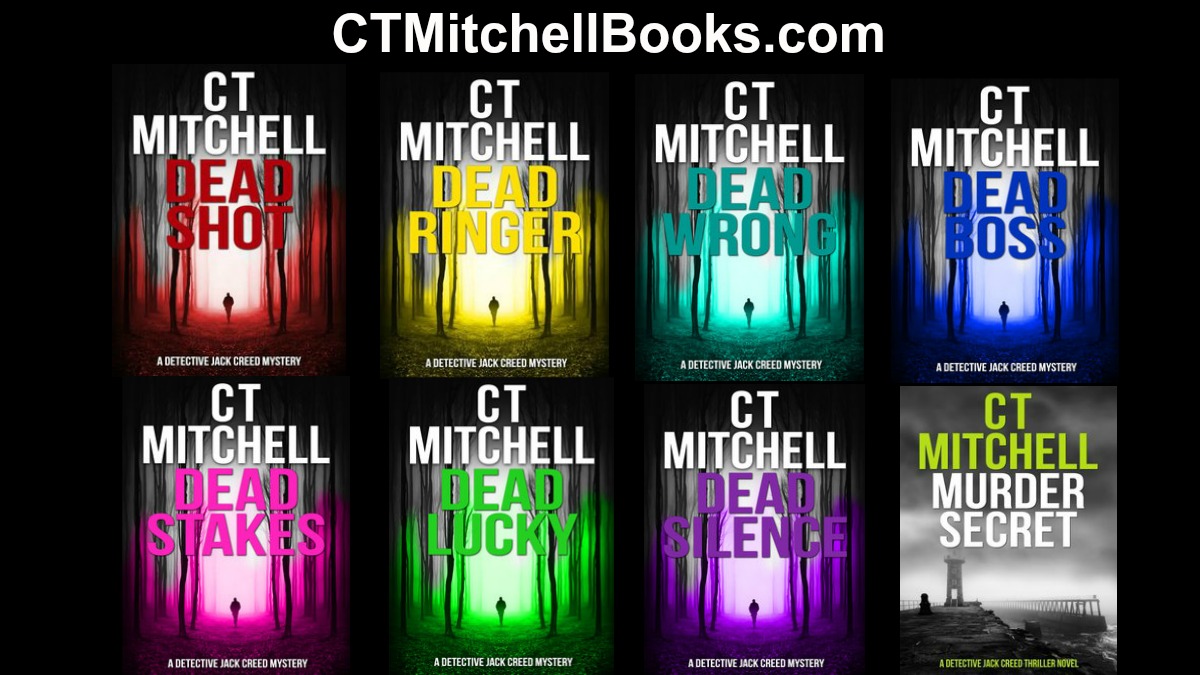
C.T. Mitchell’s three series offer the perfect beginner’s toolkit:
- Detective Jack Creed: Test crime procedurals (Australian setting, under 150 pages)
- Lady Margaret Turnbull: Try cozy historical mysteries (quick, satisfying reads)
- Selena Sharma: Explore psychological suspense (fast-paced, twist-driven)
Your Mystery Reading Roadmap
Ready to master crime fiction? Here’s your four-week experiment:
Week 1: Try a cozy mystery (low stakes, high comfort)
Week 2: Read a crime thriller (test your tolerance for grit)
Week 3: Explore psychological mystery (discover if you love twists)
Week 4: Pick your favourite subgenre and read two more
By month two, you’ll know exactly what you love. The Short Reads catalogue makes this experiment easy: every novella is under 150 pages, so you can move quickly through subgenres without getting stuck.
Your Mystery Journey Starts Now
The mystery genre isn’t intimidating once you understand the map. There’s genuinely a subgenre for everyone: whether you crave cozy comfort, gritty realism, or mind-bending psychological twists.
Starting short isn’t a shortcut: it’s the smart strategy for mastering crime fiction. You don’t need to read 500-page thrillers to be a “real” mystery fan.
Pick a subgenre that sounds appealing, download a Short Read, and start your mystery journey tonight. Your next favourite genre is waiting.
Share


Mystery Fiction Terminology: Complete Guide for Readers

Over 80 percent of american readers find themselves puzzled by the unique language that fills mystery fiction stories. Understanding this specialized terminology matters because it shapes every twist, clue, and character you encounter in a detective novel. Whether you are a long-time fan or just starting to explore this genre, knowing these key terms brings every plot and clue into sharper focus. This guide unlocks the secrets behind the most important words in mystery fiction so every story becomes richer and more rewarding.
Table of Contents
- Mystery Fiction Terminology Defined Clearly
- Major Subgenres and Related Terminology
- Key Plot Devices and Character Archetypes
- Iconic Clues, Red Herrings, and Tropes
- Common Mistakes and Misused Terms
Key Takeaways
| Point | Details |
|---|---|
| Understanding Terminology | Mystery fiction has specific terminology such as detective, red herring, and MacGuffin that helps readers appreciate its complexity. |
| Subgenre Diversity | Major subgenres include detective fiction, cozy mystery, and true crime, each offering unique narrative styles and themes. |
| Character Archetypes | Common character types like the brilliant detective and the unreliable narrator enrich mystery storytelling by providing varied perspectives. |
| Common Misconceptions | Terminology in mystery fiction is often misused, making it essential for readers and scholars to understand the distinctions between subgenres. |
Mystery Fiction Terminology Defined Clearly
Mystery fiction is a captivating literary genre that transforms complex criminal puzzles into compelling narratives. According to Wikipedia, mystery fiction is characterized by an event, typically a crime, that remains enigmatic until the story’s conclusion, often involving a detective who unravels the mystery through logical reasoning.
Mystery fiction encompasses several distinctive terminology elements that help readers navigate and understand the intricate world of detective and crime narratives. These specialized terms provide insight into the genre’s narrative structures, character archetypes, and storytelling techniques.
Key terminology in mystery fiction includes several important categories:
- Detective: The primary investigator who systematically solves the central crime or puzzle
- Red Herring: A misleading clue intentionally designed to distract readers from the actual solution
- MacGuffin: An object or goal that drives the plot forward but may not have intrinsic significance
- Unreliable Narrator: A storyteller whose credibility is compromised, adding complexity to the narrative
For readers eager to explore more about the nuanced world of mystery storytelling, check out our guide on understanding mystery fiction terminology.
Major Subgenres and Related Terminology
Mystery fiction is a diverse literary landscape with multiple compelling subgenres. According to Wikipedia, major subgenres include detective fiction, true crime, cozy mystery, and locked-room mystery, each presenting unique narrative approaches and specialized terminology.
Detective Fiction represents the classic investigative narrative where a protagonist systematically uncovers criminal mysteries. This subgenre typically features a central investigator who uses logic, deduction, and keen observation to solve complex cases. Characters in detective fiction often follow specific archetypes: the brilliant lone detective, the methodical police investigator, or the amateur sleuth with extraordinary perception.
Other significant mystery subgenres include:
- Cozy Mystery: Gentle narratives set in small communities, featuring amateur detectives and minimal graphic violence
- Locked-Room Mystery: Intricate puzzles where a crime occurs in an apparently impossible scenario
- True Crime: Narratives based on actual criminal events, blending journalistic reporting with storytelling techniques
- Police Procedural: Stories focusing on systematic law enforcement investigation methods
As noted by LibGuides, mystery fiction subgenres are distinguished by unique themes and narrative styles, offering readers diverse approaches to exploring criminal intrigue.
IMAGE:descriptive_key_1] For readers interested in diving deeper into mystery storytelling, our [guide on understanding mystery fiction terminology provides comprehensive insights.
Key Plot Devices and Character Archetypes
Mystery fiction relies on intricate plot devices and memorable character archetypes to engage readers and create compelling narratives. According to Wikipedia, classic mystery novels like those by Ellery Queen exemplify the ‘fair play’ mystery approach, where readers receive all critical clues alongside the detective, transforming the reading experience into an intellectual challenge.
Character archetypes form the backbone of mystery storytelling, each bringing unique perspectives and investigative approaches. The primary investigative characters typically include:
- The Brilliant Lone Detective: Highly intelligent, often eccentric, who solves cases through exceptional deductive reasoning
- The Methodical Police Investigator: Systematic, procedural, following strict investigative protocols
- The Amateur Sleuth: Typically an outsider with keen observational skills who stumbles into solving mysteries
- The Flawed Protagonist: A complex character with personal challenges that both hinder and enhance their investigative abilities
In an innovative narrative twist, Wikipedia highlights the inverted detective story or ‘howcatchem’ approach, where the perpetrator is revealed at the story’s beginning. This technique shifts focus from ‘whodunit’ to ‘how will they be caught,’ creating a unique psychological exploration of crime and detection.
For readers intrigued by the psychological underpinnings of mystery narratives, our guide on character psychology offers deeper insights into the complex world of fictional investigators and their motivations.
Iconic Clues, Red Herrings, and Tropes
Mystery fiction thrives on the intricate dance of clues, misdirections, and narrative conventions that keep readers guessing. According to Wikipedia, the genre skillfully employs red herrings and complex clues to mislead readers, creating suspense and engaging them in the detective’s challenging journey to uncover the truth.
Red herrings represent one of the most compelling narrative devices in mystery storytelling. These deliberately misleading clues are strategically placed to:
- Distract readers from the actual solution
- Create additional narrative tension
- Challenge the protagonist’s investigative process
- Maintain reader engagement through uncertainty
Traditional mystery tropes have evolved dramatically over time. Wikipedia highlights an innovative approach with inverted detective stories, which subvert conventional narrative expectations by presenting the crime and perpetrator upfront. This technique transforms the narrative from a ‘whodunit’ to a fascinating exploration of investigative methodology and psychological motivation.
Readers fascinated by the nuanced world of narrative misdirection can explore more about these intricate storytelling techniques in our guide on red herrings, which delves deeper into the art of crafting compelling mystery narratives.
Common Mistakes and Misused Terms
Mystery fiction terminology is a nuanced landscape where precise definitions matter significantly. According to ALA Journals, certain subgenres like cozy mysteries are frequently undervalued or misclassified, creating challenges in literary scholarship and reader understanding.
Some of the most common terminology mistakes in mystery fiction include:
- Hardboiled vs. Detective Fiction: Often incorrectly used interchangeably
- Cozy Mystery vs. Traditional Mystery: Frequently confused despite distinct characteristics
- Thriller vs. Mystery: Misunderstood as synonymous genres
- Police Procedural vs. Detective Fiction: Subtle but important distinctions often overlooked
Bodhi Journals highlights the critical need for precise definitions, especially in academic and literary contexts. The conflation of hardboiled and detective fiction represents a prime example of how imprecise terminology can muddy our understanding of literary genres. Readers and scholars alike must pay careful attention to the nuanced differences between seemingly similar mystery subgenres.
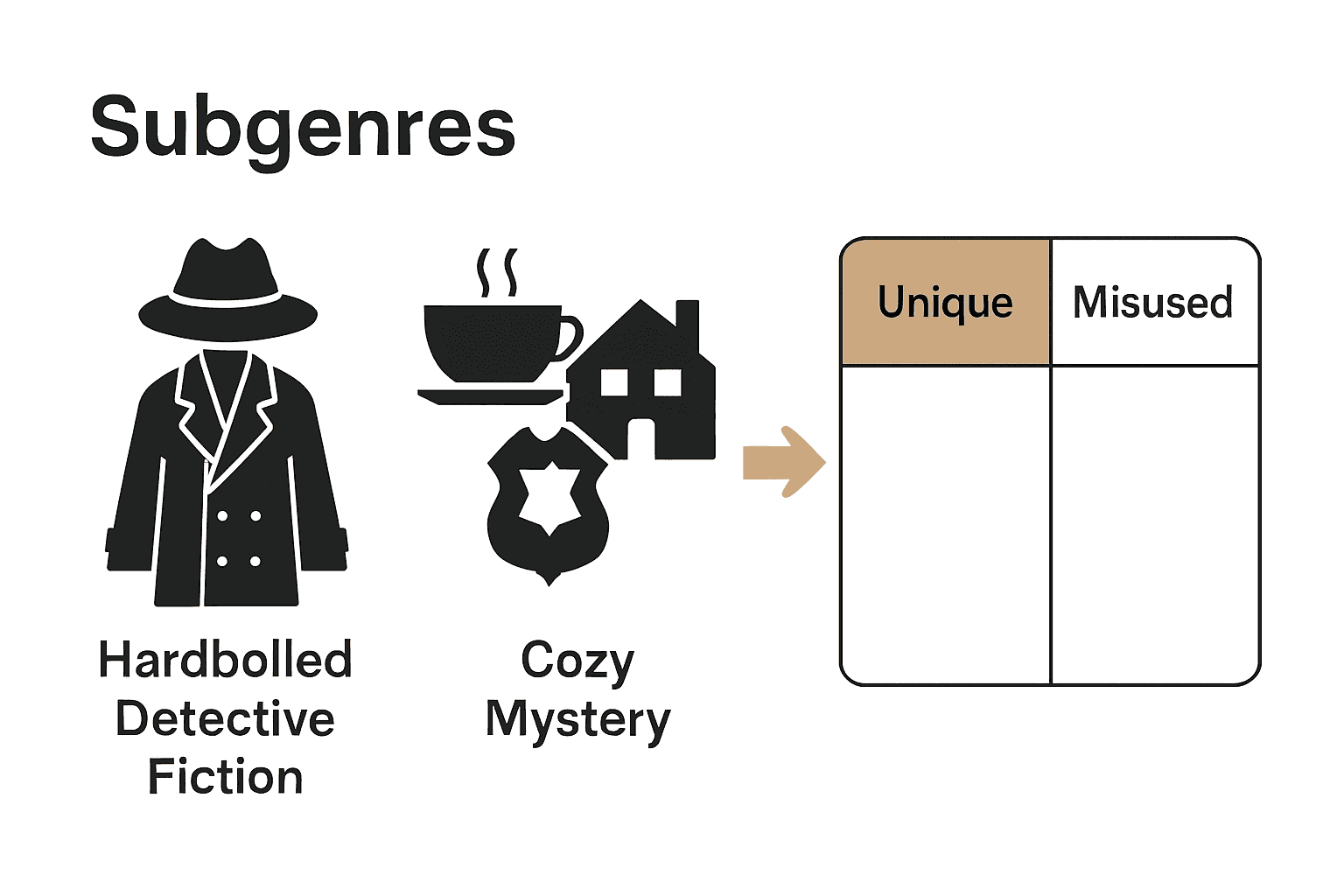
For readers seeking to deepen their understanding of these complex distinctions, our guide on subtle literary classifications offers comprehensive insights into the intricate world of mystery fiction terminology.
Unlock the Mystery with Engaging Short Reads Tailored for You
Struggling to keep track of mystery fiction terminology like red herrings, cozy mysteries, and inverted detective stories can make enjoying the genre frustrating. If you love diving into complex puzzles or crave captivating stories featuring amateur sleuths and brilliant detectives but find traditional novels too time-consuming, our collection of mystery fiction short reads is designed just for you. Experience thrilling narratives that respect your busy schedule while immersing you in the exact subgenres and archetypes you enjoy.

Discover the perfect blend of intrigue and clarity with our Weekend Mystery Bundle. Featuring a carefully curated selection of cozy mystery short reads, murder mystery novellas, and detective short reads, you will embrace your passion for mystery fiction without getting lost in confusing terms or overwhelming plots. Don’t wait to transform your reading experience. Explore our collection now at theShortReads.com and decode mysteries effortlessly.
Frequently Asked Questions
What is mystery fiction?
Mystery fiction is a literary genre that revolves around an enigmatic event, typically a crime, that remains unsolved until the story’s conclusion. It often features a detective who uses logical reasoning to unravel the mystery.
What are common terminology used in mystery fiction?
Key terms in mystery fiction include ‘detective’ (the investigator), ‘red herring’ (misleading clues), ‘MacGuffin’ (a plot-driving object), and ‘unreliable narrator’ (a storyteller with questionable credibility).
What are the major subgenres of mystery fiction?
Major subgenres of mystery fiction include detective fiction, cozy mystery, locked-room mystery, true crime, and police procedural, each offering unique storytelling styles and themes.
How do red herrings function in mystery storytelling?
Red herrings are deliberately misleading clues designed to distract readers from the actual solution. They create tension and engage readers by maintaining uncertainty about the outcome.
Recommended
- Understanding Mystery Fiction Terminology Explained – TheShortReads.com
- Mystery Fiction – TheShortReads.com
- Short Mystery Writing Tips for Captivating Tales – TheShortReads.com
- 7 Smart Ways to Discover Mystery Fiction for Men – TheShortReads.com


Psychological Thriller Explained: Key Elements and Types

Psychological thrillers grip us with more than nail-biting suspense. This genre pulls readers into the hidden corners of the mind, turning the ordinary into something far more unsettling. Studies show these stories are among the most popular in modern fiction, thanks to their focus on psychological tension and complex characters. If you want to understand what makes psychological thrillers so impactful, exploring their core elements and storytelling secrets opens a window into the thrill that keeps audiences hooked.
Table of Contents
- Defining Psychological Thrillers And Core Concepts
- Major Subtypes And Genre Variations
- Essential Storytelling Techniques Used
- Recurring Themes And Character Archetypes
- Common Pitfalls And What Readers Should Know
Key Takeaways
| Point | Details |
|---|---|
| Psychological Depth | Psychological thrillers focus on complex characters and their internal conflicts rather than external action. |
| Genre Variations | Subtypes like domestic noir and horror-of-personality offer unique insights into human psychology and narrative structure. |
| Narrative Techniques | Techniques such as unreliable narration and symbolic visual metaphors enhance the psychological experience for the audience. |
| Cautionary Elements | Readers should be aware of narrative clichés and representational challenges within the genre to fully appreciate its depth. |
Defining Psychological Thrillers and Core Concepts
Psychological thrillers represent a riveting genre that delves deep into the intricate labyrinths of human consciousness. According to en.wikipedia.org, these narratives combine elements of thriller and psychological fiction, focusing intensely on characters’ mental states, perceptions, and complex interpersonal dynamics.
At their core, psychological thrillers explore profound psychological landscapes that challenge traditional narrative boundaries. As research from ijnrd.org reveals, these stories immerse audiences in gripping narratives that expose characters’ deepest delusions, insecurities, and unresolved traumas. The genre masterfully blends elements of horror, mystery, and psychological investigation to create uniquely tension-filled experiences.
The key characteristics of psychological thrillers include:
- Intense psychological manipulation
- Exploration of unstable mental states
- Complex character motivations
- Blurred lines between reality and perception
- Deep investigations into human consciousness
Unlike traditional thriller genres, psychological thrillers prioritize internal conflict over external action. They transform the human mind into a battlefield, where characters wrestle with their own fears, secrets, and psychological demons. psychological motifs play a critical role in constructing these intricate narrative experiences, revealing how perception can become both a weapon and a vulnerability.
These narratives often challenge readers by presenting scenarios where nothing is as it initially appears. Mental instability, unreliable narrators, and psychological transformations become the primary storytelling mechanisms, creating an atmosphere of persistent uncertainty and psychological tension.
Major Subtypes and Genre Variations
Psychological thrillers encompass a rich and diverse landscape of narrative approaches, each subgenre offering unique insights into human psychology. According to en.wikipedia.org, the horror-of-personality subgenre represents a particularly intense exploration of psychological darkness, focusing on human villains with profoundly disturbing mental landscapes.
One compelling variation is domestic noir, which en.wikipedia.org describes as a subgenre centered on the dark undercurrents of intimate relationships. This approach transforms seemingly ordinary domestic settings into psychological minefields, revealing the complex emotional tensions lurking beneath surface normalcy.
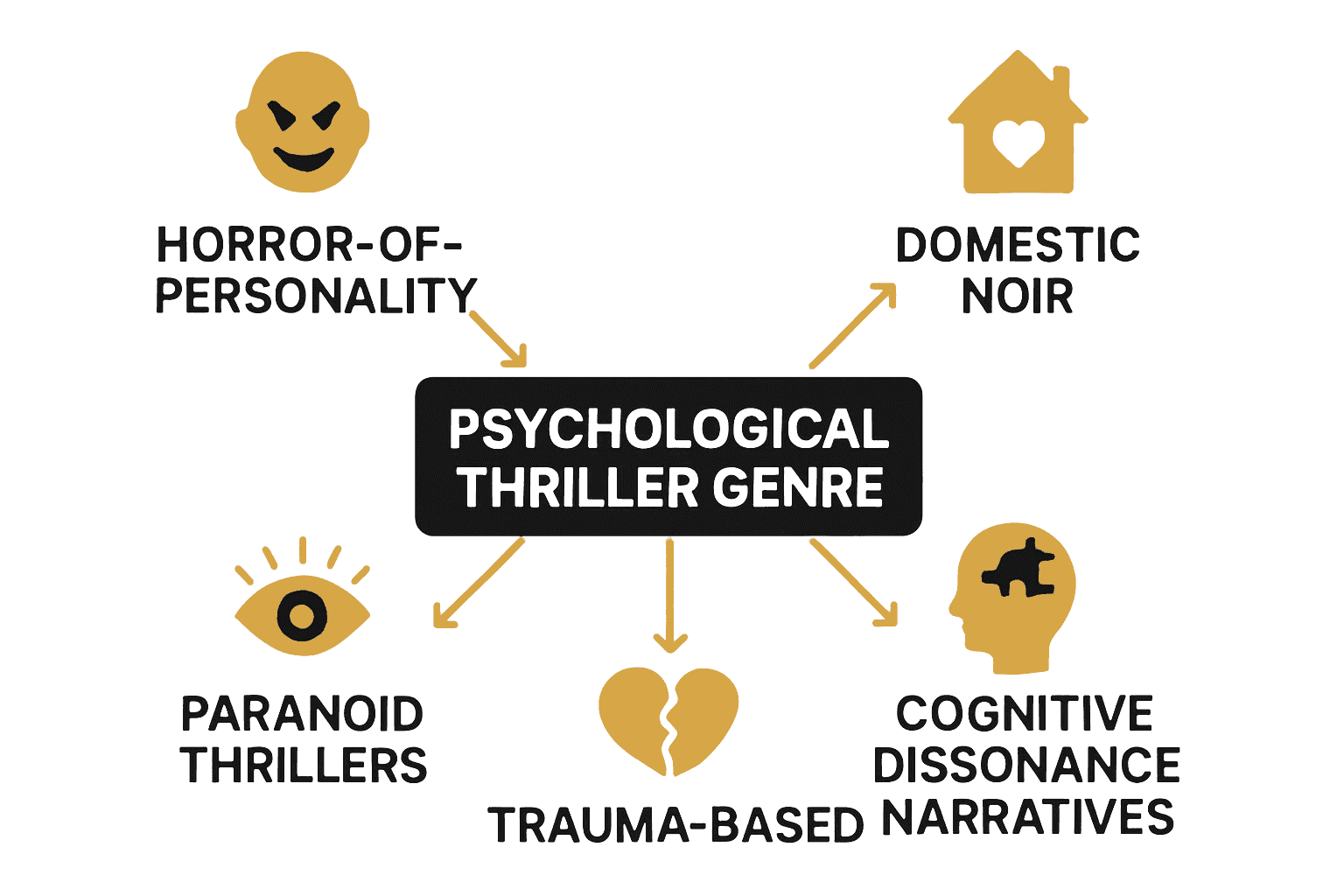
The major subtypes of psychological thrillers include:
- Horror-of-Personality: Emphasizing psychological depth of human villains
- Domestic Noir: Exploring intimate relationship dynamics
- Paranoid Thrillers: Focusing on characters’ deepening sense of existential threat
- Cognitive Dissonance Narratives: Challenging characters’ perception of reality
- Trauma-Based Psychological Thrillers: Investigating unresolved psychological wounds
Each subtype approaches psychological tension through distinct narrative strategies. Paranoid thrillers, for instance, create suspense by gradually eroding characters’ sense of safety, while cognitive dissonance narratives deliberately destabilize audience expectations about narrative reality. psychological transformation becomes a critical lens through which these stories explore the fragility of human perception.
These genre variations share a fundamental commitment to excavating the complex interior worlds of characters. They transform psychological exploration into a high-stakes narrative adventure, where mental and emotional landscapes become more dangerous and unpredictable than any external threat.
Essential Storytelling Techniques Used
Psychological thrillers deploy a sophisticated arsenal of narrative techniques designed to penetrate the deepest recesses of human psychology. According to en.wikipedia.org, these narratives masterfully employ unreliable narrators and intricate plot twists to create a dissolving sense of reality that keeps audiences perpetually unsettled and emotionally invested.
Visual and atmospheric storytelling plays a crucial role in psychological thrillers. Research from ijnrd.org reveals how directors use symbolic elements like mirrors and strategic lighting techniques to externalize characters’ inner psychological landscapes. Low-key lighting and shadow play become powerful tools for portraying emotional turmoil, transforming visual aesthetics into a metaphorical representation of characters’ mental states.

The key storytelling techniques in psychological thrillers include:
- Unreliable Narration: Challenging audience perception
- Symbolic Visual Metaphors: Representing psychological states
- Non-Linear Narrative Structures: Disrupting chronological storytelling
- Psychological Fragmentation: Depicting mental breakdown
- Sensory Manipulation: Creating disorienting audience experiences
These narrative strategies work in concert to create a profoundly immersive psychological experience. By deliberately destabilizing traditional storytelling conventions, psychological thrillers transform narrative itself into a psychological exploration.
effective storytelling becomes a lens through which complex human experiences are examined and transformed.
Ultimately, the most powerful technique in psychological thrillers is their ability to blur boundaries between external reality and internal perception. They invite audiences to question not just what is happening, but how and why characters experience their reality in such uniquely fractured and compelling ways.
Recurring Themes and Character Archetypes
Psychological thrillers explore a complex tapestry of human experience through deeply nuanced themes and intricate character dynamics. According to en.wikipedia.org, these narratives frequently delve into profound psychological territories like death, identity, perception, and the malleable nature of reality, creating intense explorations of human consciousness.
The genre’s character archetypes are particularly fascinating. en.wikipedia.org highlights the emergence of characters like the femme fatale and the unreliable narrator, who challenge traditional storytelling by embodying psychological complexity. These characters often operate within intricate domestic landscapes, transforming seemingly ordinary relationships into psychological battlegrounds of manipulation and hidden motivations.
The most prevalent themes and character archetypes include:
- Themes:
- Psychological Disintegration
- Identity Crisis
- Manipulation and Betrayal
- Perception vs. Reality
- Moral Ambiguity
- Character Archetypes:
- The Obsessive Detective
- The Psychologically Fractured Protagonist
- The Manipulative Antagonist
- The Unreliable Witness
- The Psychological Predator
Unlike traditional narrative forms, psychological thrillers reject simplistic character representations. emotional storytelling becomes a critical lens through which these complex characters are examined, revealing the intricate psychological mechanisms that drive human behavior.
Ultimately, these themes and archetypes serve a profound purpose: they strip away social masks, exposing the raw, often uncomfortable truths about human nature. By presenting characters who exist in psychological gray areas, these narratives challenge audiences to confront the complexity of human motivation and the thin line between sanity and psychological breakdown.
Common Pitfalls and What Readers Should Know
Psychological thrillers, while compelling, are not immune to narrative traps that can undermine their psychological depth. According to en.wikipedia.org, the genre frequently struggles with predictable plot twists and overused narrative devices that can diminish the intellectual and emotional impact of the story.
Research from ijnrd.org highlights a critical concern about the genre’s representation, particularly the problematic perpetuation of stereotypes. The femme fatale archetype, for instance, often reinforces harmful narratives about women’s sexuality and psychological complexity, reducing nuanced characters to simplistic, potentially damaging tropes.
Key pitfalls readers should be aware of include:
- Narrative Weaknesses:
- Overly predictable plot structures
- Reliance on clichéd psychological tropes
- Shallow character development
- Unrealistic psychological representations
- Excessive reliance on shock value
- Representational Challenges:
- Stereotypical character archetypes
- Oversimplification of mental health experiences
- Sensationalization of psychological trauma
- Limited diversity in character perspectives
- Romanticization of dysfunctional behaviors
7 Essential Psychological Thriller Tips for Every Reader can help readers develop a more critical and nuanced approach to navigating these potential narrative pitfalls.
Ultimately, discerning readers should approach psychological thrillers with both intellectual curiosity and critical awareness. By recognizing these potential limitations, audiences can engage more deeply with the genre’s true potential: exploring the complex, often uncomfortable terrain of human psychological experience.
Dive Deeper Into Psychological Thrillers With Short Reads Designed to Engage Your Mind
If you find yourself captivated by the complex mental games and blurred realities described in psychological thrillers this is your chance to experience these elements firsthand. This genre’s challenges such as navigating unreliable narrators and exploring fractured perceptions can sometimes feel overwhelming but also intensely rewarding. Our collection of psychological thriller short reads offers sharp insights and engrossing stories that perfectly capture the essence of manipulation betrayal and identity crisis found in these narratives.
Explore our selection today by visiting The Weekend Mystery Bundle. With titles carefully crafted to highlight intricate character psychology and thrilling plot twists you’ll find the perfect balance between emotional storytelling and gripping suspense. Don’t wait to immerse yourself in stories that challenge your perception and keep you guessing. Your next engaging psychological thriller awaits now at The Weekend Mystery Bundle. Discover how short reads can transform your understanding of this captivating genre.
Frequently Asked Questions
What are the main characteristics of psychological thrillers?
Psychological thrillers are characterized by intense psychological manipulation, exploration of unstable mental states, complex character motivations, and blurred lines between reality and perception. They prioritize internal conflict, focusing on characters’ fears, secrets, and psychological demons.
What are the common subtypes of psychological thrillers?
The major subtypes include Horror-of-Personality, Domestic Noir, Paranoid Thrillers, Cognitive Dissonance Narratives, and Trauma-Based Psychological Thrillers. Each subtype explores psychological tension through unique narrative strategies.
What storytelling techniques are commonly used in psychological thrillers?
Key storytelling techniques in psychological thrillers include unreliable narration, symbolic visual metaphors, non-linear narrative structures, psychological fragmentation, and sensory manipulation. These techniques create an immersive and unsettling experience for the audience.
What are some recurring themes and character archetypes in psychological thrillers?
Recurring themes include psychological disintegration, identity crisis, manipulation and betrayal, perception vs. reality, and moral ambiguity. Common character archetypes feature the obsessive detective, psychologically fractured protagonist, manipulative antagonist, unreliable witness, and psychological predator.
Share
