
Over 60 percent of busy readers say they are drawn to stories that keep them hooked without eating up their entire weekend. Mystery fiction stands out because it offers suspenseful escapes in every format, from quick novellas to intricate detective sagas. Whether you want a fast-paced adventure or an immersive puzzle to solve, there is a perfect mystery waiting for you. Discover practical ways to enjoy gripping mysteries that fit your lifestyle and reading taste.
| Takeaway | Explanation |
|---|---|
| 1. Choose Short Mysteries for Quick Reads | Short novellas under 300 pages can be read in one weekend, offering thrilling entertainment in less time. |
| 2. Explore Different Mystery Subgenres | Discover variations like cozy, action, and detective stories to match your reading preferences and interests. |
| 3. Use Online Resources for Easy Access | Platforms like OverDrive and Project Gutenberg allow borrowing or accessing a wide variety of mystery novels digitally. |
| 4. Join Book Clubs for Enhanced Experiences | Participate in book clubs to share insights and discover new authors, enriching your mystery reading journey. |
| 5. Seek Personalized Recommendations | Engage with fellow readers online or in person for tailored mystery book suggestions based on specific interests. |
Want to dive into mystery fiction without committing weeks to a massive novel? Short mystery novellas are your perfect solution. These compact stories pack intense narratives and gripping plots into manageable page counts, making them ideal for busy readers seeking thrilling entertainment.
According to Bustle, there are excellent mystery novels under 300 pages that can be devoured in a single weekend. Books like “The Other Side of Everything” by Lauren Doyle Owens and “The Chalk Man” by C.J. Tudor demonstrate how short novels can deliver complex storytelling without demanding excessive time.
Why choose short mystery novellas? They offer several compelling advantages:
To get started, look for novellas around 200 to 300 pages with strong narrative hooks. Check online recommendation lists, bookstore mystery sections, or top picks from TheShortReads.com for curated suggestions that match your interests.
Pro tip: Start with award-winning or critically acclaimed shorter mystery novels to ensure high quality storytelling. Your weekend reading just got a lot more exciting.
Mystery fiction is not a one-size-fits-all genre. Different subgenres offer unique reading experiences tailored to your specific interests and preferences. From high-octane action stories to charming small-town mysteries, understanding these categories can help you find exactly the reading adventure you crave.
According to Wikipedia, detective fiction encompasses a rich landscape of narrative styles and storytelling approaches. This genre offers readers multiple entry points into mysterious worlds with varying levels of complexity and excitement.
Subgenres to Explore:
To find your perfect mystery subgenre, experiment with different styles. Visit local bookstores, browse mystery fiction types for learners, and read sample chapters. Pay attention to the narrative style, pacing, and character dynamics that most appeal to you.
Pro tip: Start with shorter novels in each subgenre to quickly determine your preferred mystery style without investing too much time. Your perfect mystery adventure awaits.
Modern technology has transformed how we discover and consume mystery fiction. Online platforms provide unprecedented access to thousands of mystery novels without leaving your home, making reading more convenient than ever before.
OverDrive offers an incredible solution for readers by partnering with libraries worldwide. This digital platform allows you to borrow ebooks and audiobooks through your local library membership, giving you instant access to a vast selection of mystery novels right from your digital device.
Digital Reading Resources:
Project Gutenberg provides an exceptional resource for readers interested in classic mystery fiction. Their collection includes complete works by legendary authors like Arthur Conan Doyle, offering free digital downloads of entire Sherlock Holmes series and other timeless mystery novels.
To get started, download these apps on your smartphone or tablet. Create accounts with your local library credentials or explore free platforms. Pro tip: Many libraries offer digital memberships that provide free access to extensive mystery fiction collections.
If you are looking to dive into mystery fiction that resonates with male readers, focusing on books with compelling male protagonists can transform your reading experience. Strong male leads offer unique perspectives and engaging narratives that capture complex character dynamics.
Take the Nameless Detective series by Bill Pronzini, which Wikipedia highlights as a prime example of a gripping male investigative narrative. Set in San Francisco, this long running series showcases a private investigator navigating intricate mystery landscapes with depth and authenticity.
What Makes a Strong Male Lead:
Contemporary mysteries like Richard Osman’s “The Man Who Died Twice”) demonstrate how modern male protagonists can be multidimensional. The novel features a former MI6 agent entangled in an intricate case involving stolen diamonds and international criminal networks, showcasing intelligence and strategic thinking.
To find your ideal mystery novel, explore book reviews, ask for recommendations at local bookstores, and sample different series. Focus on protagonists that intrigue you beyond surface level action.
Book clubs offer more than just reading recommendations. They provide a dynamic social environment where mystery fiction enthusiasts can dive deep into complex narratives, share insights, and expand their literary horizons.
Benefits of Mystery Fiction Book Clubs:
Whether online or in person, book clubs create opportunities to explore mystery fiction from multiple perspectives. You will encounter diverse interpretations of storylines, character motivations, and narrative techniques that enhance your reading experience.
To get started, explore local library book clubs, online reading platforms like Goodreads, or community centers that host genre specific groups. Check out our shop for potential mystery fiction recommendations you can suggest to your book club.
Pro tip: Look for book clubs specifically focused on mystery or thriller genres to ensure more targeted and engaging discussions. Your next great reading adventure might just begin with a group conversation.
Not all mystery readers want complex literary puzzles. For those seeking quick entertainment, fast-paced plots with straightforward narratives can provide an exciting reading experience without demanding excessive mental energy.
Wikipedia highlights Rex Stout’s ‘Trouble in Triplicate’ as a prime example of concise storytelling. This collection of Nero Wolfe novellas demonstrates how compelling mysteries can unfold rapidly, keeping readers engaged through streamlined narratives.
Characteristics of Fast-Paced Mystery Novels:
Modern readers appreciate stories that respect their time. Short reads from our recommended list offer perfect alternatives for busy individuals wanting engaging mysteries without lengthy commitments.
Pro tip: Look for novellas or short mystery collections that promise direct storytelling. Authors like Rex Stout excel at creating intricate yet accessible stories that unfold quickly and maintain high entertainment value.
Some of the best mystery fiction discoveries happen through conversations with passionate readers who live and breathe the genre. Fellow enthusiasts can offer personalized recommendations that algorithms and generic lists simply cannot match.
LibraryThing hosts incredible online communities like the Mystery Lovers group where dedicated fans share their most compelling reads. These platforms provide interactive spaces where you can dive deep into nuanced book discussions and uncover hidden literary gems.
Ways to Connect with Mystery Fiction Enthusiasts:
For more curated suggestions, explore mystery fiction short stories that can quickly introduce you to new authors and styles. Many mystery lovers are eager to share their favorite reads and can help you navigate the vast world of detective and thriller narratives.
Pro tip: Always ask specific questions about plot styles, pacing, and character development when seeking recommendations. The more details you provide about your reading preferences, the more targeted the suggestions will be.
This table summarizes key strategies and benefits of engaging with mystery fiction through various formats and methods discussed in the article.
| Topic | Description | Benefits |
|---|---|---|
| Short Mystery Novellas | Compact stories with intense narratives; examples include “The Other Side of Everything” and “The Chalk Man”. | Quick reads, efficient storytelling, ideal for busy readers. |
| Explore Genres | Includes cozy, action, and detective stories; each offers unique reading experiences. | Tailored reading adventures, exposure to various storytelling styles. |
| Online Platforms | Access thousands of mystery novels via digital resources like OverDrive, Project Gutenberg, and Kindle Unlimited. | Convenient access, vast selection, borrow books digitally. |
| Strong Male Leads | Focus on books with compelling male protagonists, such as the “Nameless Detective” series. | Engaging narratives, complex characters, unique perspectives. |
| Book Clubs | Join groups for shared reading experiences and discussions. | Discover new authors, gain deeper understanding, social connection. |
| Fast-Paced Plots | Choose books with straightforward narratives; examples like Rex Stout’s “Trouble in Triplicate”. | Quick entertainment, minimal mental energy required. |
| Recommendations | Connect with mystery fiction enthusiasts for personalized suggestions. | Discover hidden gems, targeted reading based on preferences. |
If you are looking to overcome the challenge of finding engaging mystery fiction tailored just for men you are not alone. Many readers struggle with picking the right subgenre or finding books with strong male leads that fit their busy lifestyles. This article highlighted key goals like choosing short mystery novellas for quick reads exploring cozy or action-packed styles and engaging with communities for personalized recommendations. At TheShortReads.com we understand how important it is to connect you with fast paced mysteries or thoughtful detective stories that fit your unique taste and time constraints.
Explore our collection of mystery fiction short reads where you will find handpicked cozy mysteries and action thriller novellas designed to deliver suspense and satisfaction in a minimum amount of time. Whether you want to dive into psychological thrillers or gripping murder mystery novellas find exactly what you need to jumpstart your next reading adventure. Join fellow fans who get the perfect blend of storytelling and pacing without the wait.
Ready to uncover your next favorite mystery? Start browsing now and take advantage of expertly curated short reads that respect your time and excite your imagination.
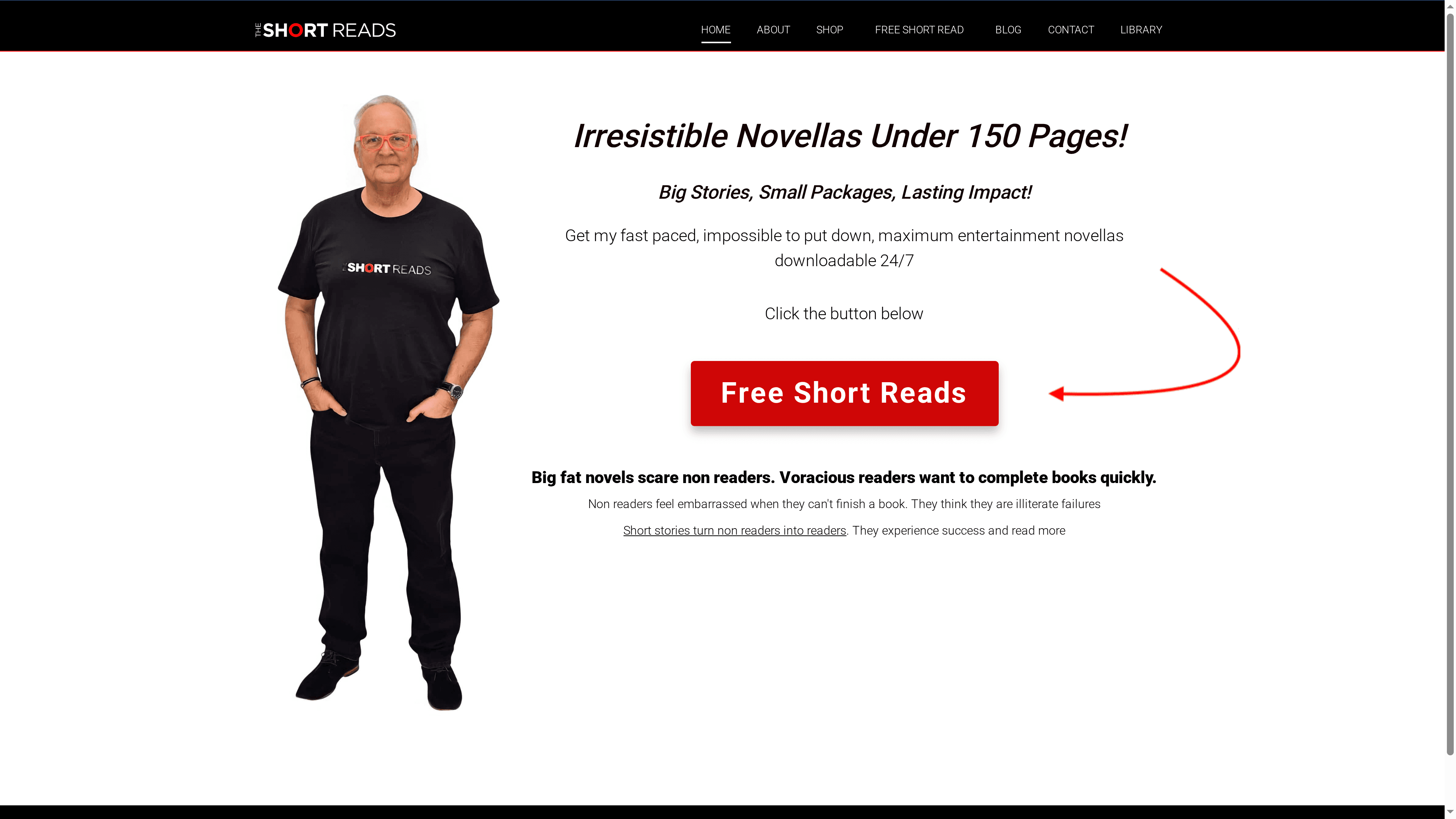
Unlock thrilling mysteries crafted for busy readers. Visit TheShortReads.com and choose your next captivating read today.
Short mystery novellas are great for busy readers looking for quick, engaging stories. Look for novellas around 200 to 300 pages, especially from award-winning authors, and consider checking online recommendations or curated lists for tailored options.
To explore mystery fiction subgenres, read sample chapters from action mysteries, cozy mysteries, and detective stories. Experiment with different styles to see which ones resonate with you, and start with shorter novels to gauge your interest without a long-term commitment.
Joining a mystery fiction book club allows you to deepen your understanding of stories and characters while connecting with fellow enthusiasts. To get started, seek out local meets or online groups focused on mystery genres to enhance your reading experience and discover new titles.
Connect with other mystery fiction enthusiasts through online reading communities, social media groups, or local library events. Engage in discussions and ask specific questions about mystery novels to receive tailored recommendations that match your interests.
When selecting mystery books with strong male leads, focus on characters with complex psychological depth and relatable moral dilemmas. Look for novels that showcase character development and situational challenges, which will enhance your reading experience.
To find fast-paced mystery novels, look for books that feature concise storytelling and linear plots. Seek out novellas or collections that promise quick reads, ensuring you can enjoy engaging narratives without lengthy commitments.



Most psychological thrillers succeed or fail within the first few paragraphs. Readers expect to be gripped by a strong narrative hook, unsettling atmosphere, and unpredictable characters right away. Over 60 percent of readers decide whether to continue a book after just the opening page. If you want your psychological thriller to leave a lasting impression, you need strategies that draw readers in immediately and keep them guessing at every turn.
| Takeaway | Explanation |
|---|---|
| 1. Start with a compelling hook | Create an opening that instantly engages readers and sparks curiosity about the psychological narrative. |
| 2. Develop unpredictable, realistic characters | Characters should possess internal conflicts and complex motivations, making them surprising and relatable. |
| 3. Master narrative pacing | Vary the speed of storytelling to intensify suspense and maintain reader engagement throughout the thriller. |
| 4. Create unsettling atmospheres | Transform settings into integral parts of the narrative that reflect characters’ psychological states and evoke tension. |
| 5. Include clever red herrings and twists | Use misdirection strategically to keep readers guessing, ensuring plot developments reshape their understanding. |
Ever wondered how some psychological thrillers grab your attention from the very first sentence? The secret lies in crafting a compelling narrative opening that immediately pulls readers into the story’s psychological landscape. According to MasterClass, creating an engaging hook is fundamental to establishing the suspenseful tone that defines psychological thrillers.
A gripping hook works by triggering immediate curiosity and emotional investment. This means introducing an unexpected scenario, an intriguing character conflict, or a mysterious circumstance that makes readers feel they absolutely must know what happens next. Think of it as a psychological invitation that compels your audience to keep turning pages.
To create a powerful hook, consider these strategic approaches:
The goal is not just to surprise but to create an immediate sense of psychological depth. By establishing narrative tension from the first paragraph, you signal to readers that they are embarking on an intense mental journey where nothing is quite as it seems. Pulitzer Center recommends experimenting with different hook techniques to discover what resonates most powerfully with your specific story and audience.
Remember that a great hook is like a psychological handshake. It introduces the reader to the story’s emotional world, inviting them to lean in closer and explore the intricate mental landscapes you’ve created.
Psychological thrillers live and die by their characters. Character complexity is the heartbeat of a truly engaging narrative that keeps readers guessing. According to research from Arxiv, developing multidimensional characters requires strategic psychological mapping that goes beyond simple stereotypes.
Realistic characters are not just collections of traits but living psychological ecosystems with hidden motivations and internal conflicts. Think of them as emotional labyrinths where surface behaviors mask deeper psychological currents. A truly unpredictable character feels authentic precisely because their actions emerge from complex inner landscapes rather than plot convenience.
To create characters that feel both believable and surprising, consider these approaches:
Research from Persona-Guided Planning suggests that understanding a character’s core persona becomes crucial in generating authentic narrative interactions. This means knowing not just what your character might do but why they would do it.
The magic happens when readers recognize something human and true in your characters while simultaneously feeling unsure about their next move. Your goal is to craft psychological portraits that are simultaneously familiar and mysterious two steps ahead of what anyone would anticipate.
Suspense is an art form where time becomes your most powerful narrative weapon. Narrative pacing transforms a good psychological thriller into an extraordinary reading experience that keeps readers breathless and anxious. As Killer Nashville explains, mastering pacing means learning to control narrative speed like a psychological conductor.
Effective pacing is not about constant intensity but strategic variation. Imagine your narrative as a musical composition where moments of quiet tension alternate with sudden bursts of revelation. Some scenes demand slow burning psychological exploration while others require rapid heart racing progression. This deliberate rhythm creates an emotional rollercoaster that keeps readers constantly engaged.
To implement sophisticated pacing techniques, consider these strategies:
According to Jack Allen, controlling narrative speed allows writers to manipulate reader emotions with surgical precision. The key is understanding that suspense lives in the spaces between events not just in the events themselves.
Understanding pacing means recognizing that psychological thrillers are not about constant action but about creating an immersive experience where readers feel perpetually uncertain about what might happen next. For readers interested in exploring more about building narrative tension, our guide on understanding suspense in fiction offers deeper insights into this complex storytelling technique.
In psychological thrillers, settings are more than mere backdrops. They are living psychological landscapes that breathe tension into every scene. Atmospheric storytelling transforms ordinary spaces into emotional minefields where readers feel an omnipresent sense of unease. According to Wikipedia, crafting unsettling atmospheres means strategically exposing psychological vulnerabilities within specific environments.
The most compelling settings do not just describe physical spaces but reveal hidden emotional territories. A seemingly normal suburban house can become a prison of psychological terror. An empty office corridor can pulse with unspoken menace. The goal is to make your setting feel like an additional character with its own disturbing personality.
To create truly unsettling atmospheres, consider these strategic approaches:
Oxford University emphasizes that effective settings in psychological thrillers are not just locations but psychological projections that mirror characters inner emotional landscapes. Each environment should feel charged with unresolved emotional energy.
Mastering atmospheric storytelling means understanding that true psychological tension emerges not from what is explicitly shown but from the subtle implications lurking between descriptions. Your setting becomes a silent narrator whispering uncomfortable truths just beyond the reader’s immediate perception.
The art of psychological thrillers lies in keeping readers guessing until the very last page. Narrative misdirection transforms storytelling from predictable to pulse racing, creating an intellectual game between writer and reader. Medium highlights how strategic plot manipulation can transform an ordinary narrative into an extraordinary reading experience.
Red herrings are not about cheap tricks but sophisticated psychological manipulation. They work by presenting seemingly logical explanations that ultimately prove false. Think of them as narrative smoke screens that obscure the true story while simultaneously revealing deeper psychological truths about characters and their motivations.
To craft compelling red herrings and plot twists, consider these strategic techniques:
Research from the International Journal of Novel Research underscores that effective misdirection is not about fooling readers but about creating psychological labyrinths where multiple narrative possibilities coexist. The most brilliant twists do not just surprise they retroactively reframe everything readers thought they understood.
Mastering red herrings means understanding that true suspense emerges not from shock value but from the delicate balance between revelation and concealment. Your goal is to create a narrative experience where readers feel simultaneously frustrated and thrilled by their own inability to predict what comes next.
Psychological thrillers are not about what characters do but why they do it. Every action stems from a complex emotional landscape shaped by past experiences trauma and hidden desires. Arxiv Research reveals that understanding character networks means peeling back layers of psychological complexity far beyond surface level interactions.
Backstories are not mere historical footnotes but psychological blueprints that explain human behavior. Imagine each character carrying an invisible emotional map where past traumas unresolved conflicts and secret motivations intersect. These hidden narratives transform characters from two dimensional figures into breathing psychological ecosystems with their own intricate logic.
To create compelling character motivations, consider these strategic approaches:
According to Wikipedia’s Affective Disposition Theory, audiences engage most deeply when they understand the moral and psychological reasoning behind characters actions. This means crafting backstories that are not just interesting but psychologically authentic. For readers looking to dive deeper into narrative structure, our guide on short story structure offers additional insights into creating memorable character arcs.
True psychological depth emerges when backstories become living breathing entities that explain behavior without entirely justifying it. Your goal is to create characters so nuanced that readers simultaneously understand and question their choices.
The final moments of a psychological thriller are not just an ending but a psychological detonation that reshapes everything readers thought they understood. Narrative revelation transforms the entire reading experience from a simple story into a profound exploration of human complexity. MasterClass emphasizes that a truly exceptional ending does more than resolve plot points it challenges readers fundamental understanding of character and motivation.
A memorable reveal is not about shock value but about creating a moment of profound psychological insight. Imagine an ending that does not just surprise but fundamentally recontextualizes every previous narrative moment. It is like watching a kaleidoscope suddenly shift revealing an entirely different pattern from the same pieces you have been examining.
To craft a compelling psychological thriller conclusion, consider these strategic approaches:
Killer Nashville underscores that the most powerful endings do not provide complete closure but invite continued psychological exploration. For readers interested in diving deeper into crafting compelling narratives, our short mystery writing tips offer additional insights into creating memorable story conclusions.
The ultimate goal of a psychological thriller is not to provide answers but to provoke questions. Your final reveal should feel like a mirror reflecting not just the characters inner world but the readers own complex psychological landscape.
Below is a comprehensive table summarizing the critical elements of crafting psychological thrillers discussed throughout the article.
| Key Element | Description | Strategies & Considerations |
|---|---|---|
| Gripping Hook | Creating a captivating opening that draws readers in immediately. | Use unexpected scenarios, intriguing conflicts, or mysterious circumstances. |
| Realistic, Unpredictable Characters | Developing characters with depth and complexity. | Design internal contradictions and unpredictable choices that defy stereotypes. |
| Pacing to Heighten Suspense | Using narrative pacing to maintain reader interest and control tension. | Alternate between slow introspection and quick action sequences. |
| Unsettling Atmospheres and Settings | Crafting settings that enhance the psychological tension of the story. | Use sensory details and small anomalies to create unease. |
| Clever Red Herrings and Twists | Creating narrative misdirection to keep readers engaged. | Introduce plausible suspects and misleading information. |
| Deep Motivations and Backstories | Exploring the underlying reasons for character behaviors. | Develop detailed histories and connections between past and present actions. |
| Memorable, Thought-Provoking Reveal | Crafting an ending that challenges and intrigues the reader. | Create reveals that reframe the story and connect to deeper themes. |
If you are fascinated by psychological depth, unpredictable characters, and suspenseful pacing as highlighted in the “7 Essential Psychological Thriller Tips for Every Reader” article, then you know how challenging it can be to find stories that truly capture these elements in a quick, powerful format. The need for immersive yet concise reads that feed your craving for unsettling atmospheres, clever twists, and mind-bending reveals is real.
Dive right into our collection of psychological thriller short reads crafted to deliver that intense, heart-racing experience in just minutes. Whether you’re seeking to sharpen your narrative instincts or simply indulge in gripping tales, our selection offers exactly what the article describes: multi-layered characters, expert pacing, and rich emotional landscapes. Start your journey now on TheShortReads.com and see why readers trust us for short stories that keep you guessing until the very end. Also explore our short mystery writing tips and guide on understanding suspense in fiction to deepen your appreciation of the craft.
Experience the thrill that only true psychological storytelling can provide. Visit our site and let every short read challenge your mind and stir your soul today.
A gripping hook should immediately captivate your audience. Start with a provocative thought, an intriguing conflict, or an unexplained event that ignites curiosity and emotional engagement. Experiment with different opening techniques until you find one that resonates with your story and audience.
Focus on developing realistic but unpredictable characters that have complex motivations and internal conflicts. Create backstories that explain their behaviors while allowing room for surprises. Dive deep into their emotional landscapes to ensure they feel authentic and multidimensional.
Control narrative pacing by alternating between slower, introspective moments and fast-paced, action-heavy scenes. Use shorter sentences during tense moments to create urgency, and strategically place twists throughout to keep readers on their toes. Aim for a rhythm that makes readers feel constantly engaged and anxious about what happens next.
Infuse your settings with sensory details that evoke a sense of wrongness or unease. Describe environments in ways that shine a light on hidden tensions within the story. Think of your setting as a character that reflects the emotional state of your protagonists, enhancing the overall psychological tension.
Introduce narrative misdirection by creating multiple plausible suspects and complex backstories that mislead readers. Provide partial information that seems conclusive but is designed to be misleading. Craft plot threads that appear to resolve but ultimately unravel, keeping your audience guessing until the very end.
Aim for an ending that recontextualizes everything the reader has understood throughout the story. Ensure the final reveal is unexpected yet feels inevitable, connecting back to deeper psychological themes. Leave the reader with moral ambiguity that invites further thought and discussion.
Article generated by BabyLoveGrowth
Share