
Tag Archives for " short reads vs novels "
Death on Deck: Why Cruise Ship Mysteries are the Ultimate Short Read Escape
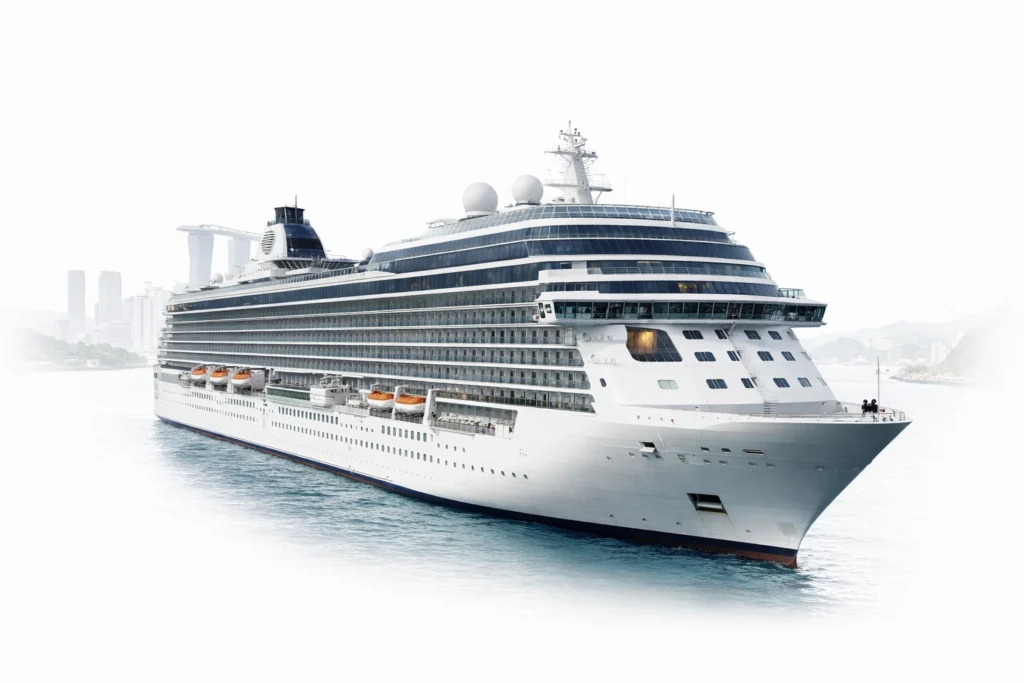
Cruise Ship Mysteries are becoming super popular amongst short book readers. You might think that the biggest danger on a cruise ship is the unlimited buffet or a particularly aggressive seagull during a shore excursion. But in the world of fiction, the real surprise is that the luxury cruise industry is actually the perfect petri dish for murder.
Statistically, you are safer on a cruise ship than you are walking down a typical city street, yet thousands of readers every month flock to kindle short reads that feature bodies dropping between the lido deck and the midnight gala. Why? Because a cruise ship is the ultimate “locked room” mystery: except the room is floating in the middle of the Atlantic and the suspects are all wearing flip-flops.
At The Short Reads, we know that your time is precious. You want the thrill, the suspects, and the big reveal without having to commit to a 400-page slog. That’s why cruise ship mysteries have become the gold standard for short mystery books. They offer maximum tension in a compact package.
The Psychological Trap: Why Isolation Sells
The allure of the cruise ship mystery lies in its inherent isolation. Once the lines are tossed and the ship leaves the pier, the social order shifts. You are essentially in a floating city with its own rules, its own security, and: most importantly: no easy way out.
For a writer, this setting is a gift. For a reader, it’s an addictive puzzle. Here’s why the “floating locked room” works so well in short reads:
- Limited Suspect Pool: You don’t have to track a hundred characters. The killer is someone on that passenger manifest.
- The Clock is Ticking: The mystery usually needs to be solved before the ship reaches the next port, creating natural pacing for easy read mystery books.
- Juxtaposition of Luxury and Danger: There is something deliciously unsettling about a crime occurring in a place designed for pure hedonism.
When you dive into understanding mystery fiction terminology, you’ll see that “setting as a character” is a common trope. In maritime mysteries, the ship isn’t just a background; it’s an accomplice. The narrow corridors, the dark engine rooms, and the vast, uncaring ocean outside create a sense of claustrophobia that heightens every interaction.
Short, Sharp, and Lethal: The Power of the Novella Format
You might think that a shorter book means a “lesser” story. In reality, the opposite is often true. Writing a compelling mystery in a shorter format requires a surgical level of precision.
In a traditional 100,000-word novel, an author might spend fifty pages describing the sunset over the Mediterranean. In short mystery books, we get straight to the point. We meet the victim, we establish the stakes, and we start the investigation. This fast-paced delivery is exactly why benefits of short reads are becoming so popular for modern, busy readers.
| Feature | Full-Length Novel | Short Read / Novella |
|---|---|---|
| Commitment | 8-12 hours | 90-120 minutes |
| Pacing | Slow build-up | High-octane tension |
| Focus | Multiple subplots | Singular, driving mystery |
| Satisfaction | Delayed | Immediate |
The real beauty of a cruise mystery in a short format is that it mirrors the vacation itself. It’s a temporary escape from reality that delivers a concentrated burst of excitement. Whether you’re on a lunch break or winding down before bed, these stories provide a complete narrative arc without the “filler.”
Introducing: Murder on the High Seas by C T Mitchell
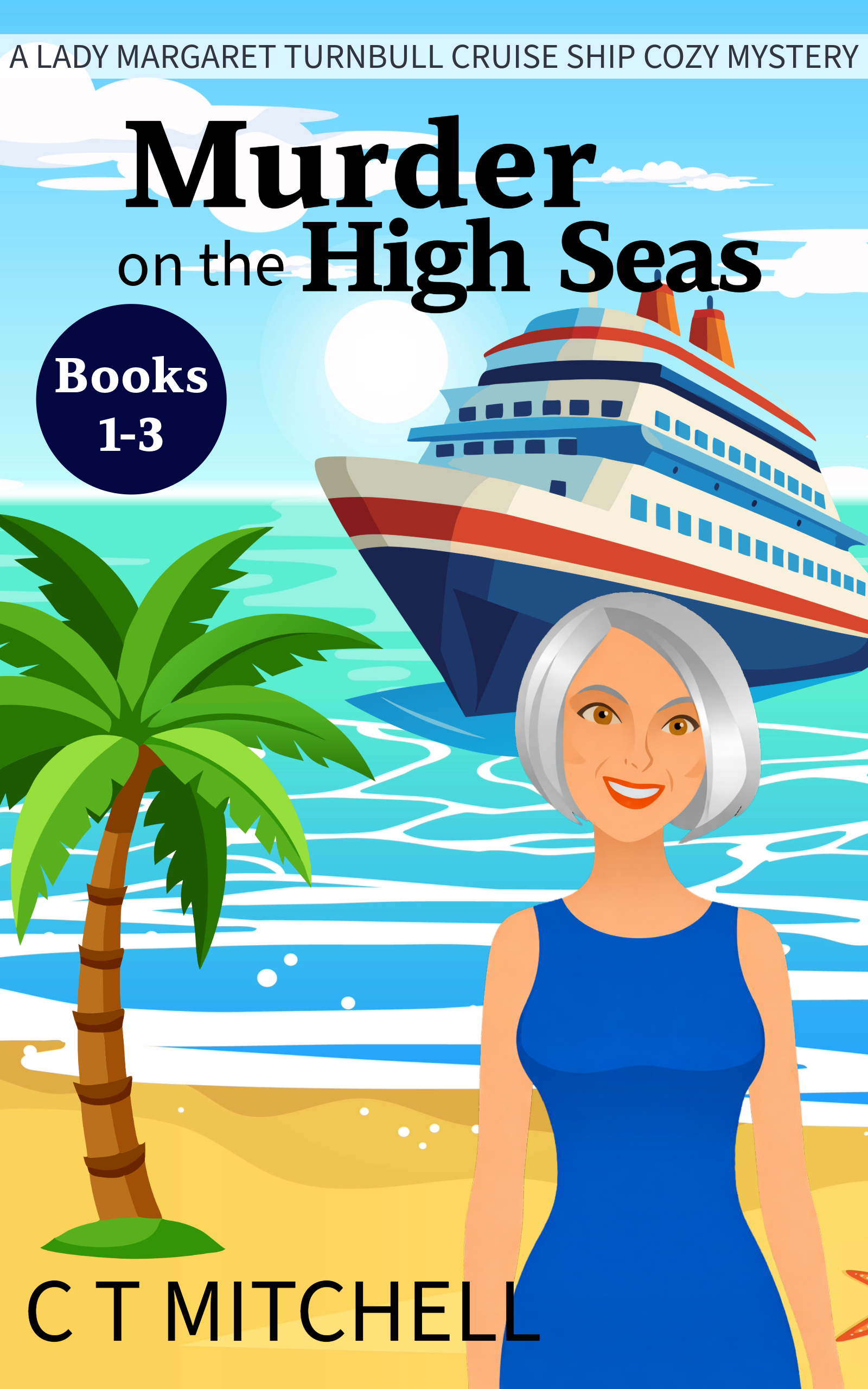
If you’re looking for the ultimate maritime escape, we’ve got a juicy one: Murder on the High Seas by C T Mitchell—a bingeable cruise-ship mystery built for fans of short reads and easy read mystery books.
You might think a ship feels “relaxing,” but the real surprise? It’s basically a floating pressure cooker. You can’t storm out. You can’t “take a break.” You’re stuck with the suspects until the next port… and even then, the sea keeps you boxed in.
The Southeast Asian itinerary makes the danger feel sun-soaked (and sharper)
Instead of the usual generic ocean backdrop, this story hops through Singapore, Penang, Hong Kong, Bangkok, and Da Nang—the kind of setting where you can smell the street food, hear the harbour noise, and still feel that unsettling truth: the crime is coming with you.
The “locked room” tension (but the room is a luxury ship)
A cruise ship mystery works because it’s a locked room in disguise. In Murder on the High Seas, that tension is front and centre:
- No easy escape: you can’t just walk away from a murder at sea
- No clean alibis: everyone’s movements are timed by meals, shows, and shore excursions
- No comfortable distance: you’re sharing decks, dining rooms, and corridors with the killer
That’s exactly why this one clicks so well as a kindle short read—the setting naturally forces fast pacing and constant suspicion.
Meet Lady Margaret Turnbull (64, Aussie, and knows her poisons)
The protagonist is the best kind of surprise: Lady Margaret Turnbull, a 64-year-old Australian widow and culinary expert who (in true mystery-hero fashion) knows her poisons better than her recipes.
She’s not a cop. She’s not a superhero. She’s smart, observant, and very hard to fool—which makes every confrontation feel deliciously personal.
Specific plot hooks that make it impossible to put down
If you love mysteries that get to the point (and don’t waste 50 pages “setting the mood”), the blurb delivers some seriously tasty bait:
- Arsenic by the infinity pool — because nothing says “vacation noir” like murder next to five-star relaxation.
- Poisoned tea intended for Lady Margaret — meaning the killer isn’t just nearby… they’re aiming at her.
The real hook? You’re reading a cozy-ish, easy-to-follow mystery with luxury-travel vibes—then you realise the danger is intimate and escalating. From there, you’re basically trapped on the ship with Lady Margaret, turning pages like you’re scanning the passenger list yourself.
Why this is catnip for short-read mystery fans
- Quick-to-start: the premise bites early
- Easy-to-track: suspects stay contained (no sprawling cast)
- Hard-to-stop: the shipboard “locked room” setup keeps tightening the screws
Readers who enjoy short mystery books often want that instant win: start a story, finish a story, feel clever. Murder on the High Seas gives you that satisfaction—while still feeling like a proper escape.
The “Vacation Noir” Aesthetic
What makes these stories so addictive is the “Vacation Noir” vibe. We all have a fantasy of what a cruise should be: tuxedoes, champagne, and moonlight on the water. Cruise mysteries take that fantasy and turn it on its head.
In these stories, the person in the lounge chair next to you might be a fugitive. The captain might be hiding a dark secret in the logbook. The beautiful woman at the roulette table might be looking for more than just a lucky streak. This contrast is the engine that drives suspense in fiction.
The real surprise? Research into reader habits shows that we are more likely to be frightened by danger in “safe” places. A dark alley is expected; a five-star cruise ship is not. This subversion of expectations keeps readers coming back for more easy read mystery books.

Tips for Spotting a Great Short Mystery
Not all short reads are created equal. When you are browsing for your next fix, keep an eye out for these hallmarks of quality:
- A Clear Hook: Within the first three pages, you should know exactly what the conflict is.
- Strong Atmosphere: You should be able to feel the sea spray and hear the hum of the ship’s engines.
- Fair Play: Even in a short format, the clues should be there for you to find. A great mystery doesn’t cheat the reader.
- A Satisfying Payoff: The ending shouldn’t feel rushed; it should feel inevitable.
If you’re a writer looking to break into this genre, check out our short mystery writing tips to learn how to pack a punch in fewer pages.
Why “Bingeable” is the New “Best-Seller”
In the age of Netflix and TikTok, our consumption habits have changed. We want stories that fit into the gaps of our lives. This is where kindle short reads excel.
A box set like Murder on the High Seas is essentially a season of a great TV show in book form. You can read one “episode,” put it down, and come back for the next one whenever you have twenty minutes to spare. This accessibility is why short reads vs novels is becoming such a hot topic in the publishing world. We aren’t replacing the novel; we’re providing a different, more agile way to enjoy fiction.
Setting Sail into the Unknown
Whether you are a seasoned cruiser or someone who prefers to keep their feet on dry land, there is no denying the pull of a maritime mystery. The combination of isolation, luxury, and the vast unknown of the ocean creates a narrative tension that is hard to match in any other setting.
By choosing short mystery books, you’re opting for a concentrated experience. You’re getting the best parts of the genre: the clues, the red herrings, and the shocking reveals: delivered with the speed and efficiency of a high-speed catamaran.
Ready to start your journey?
Don’t let the ship sail without you. Grab your copy of Murder on the High Seas by C T M today and see if you have what it takes to solve the crime before the ship docks.
Explore our full library of short reads here!
Whether you’re looking for psychological thriller tips or just want to browse some mystery short stories examples, The Short Reads has everything you need to satisfy your craving for intrigue in bite-sized portions. Happy reading, and keep an eye on your fellow passengers: you never know who might be looking to make a splash.
Share


Short Reads vs Novels: Complete Guide for Readers

Over 60 percent of readers now turn to shorter books or bite-sized stories due to busy schedules. The choice between a quick short read and a sweeping novel can shape the way you enjoy stories, especially if you crave meaningful narratives but have limited time. Whether you love fast-paced mysteries or long, intricate tales, recognizing the difference between these formats helps you match your reading with your lifestyle.
Table of Contents
- Defining Short Reads And Novels
- Key Genres: Cozy Mysteries And Thrillers
- Understanding Reader Preferences And Needs
- Benefits And Drawbacks Of Short Reads
- Comparing Reading Experience And Accessibility
- Short Reads Vs Novels: Choosing What Fits
Key Takeaways
| Point | Details |
|---|---|
| Short Reads vs Novels | Short reads offer quick, concentrated storytelling, usually under 15,000 words, while novels provide complex narratives over 50,000 words. |
| Genre Preferences | Cozy mysteries and psychological thrillers are popular short read genres, appealing to readers through engaging puzzles and intense character exploration. |
| Reader Needs | Time-constrained readers favor short reads for their ease of consumption in brief periods, making them ideal for busy lifestyles. |
| Choosing Formats | Select novels for immersive storytelling and deep character development, while short reads are suitable for quick resolutions and diverse experiences. |
Defining Short Reads and Novels
Reading formats are as diverse as the stories they contain, and understanding the difference between short reads and novels can transform your reading experience. According to Wikipedia, a novella represents a unique narrative length situated between traditional short stories and full novels, typically ranging from 17,500 to 40,000 words.
Novels, by contrast, are more expansive narrative forms. ijels defines them as “fictitious prose narratives of considerable length” that explore complex characters and intricate plot structures. While novels offer deep narrative immersion, short reads provide concentrated storytelling experiences perfect for readers with limited time or those seeking quick, engaging narratives.
The key distinctions between short reads and novels can be summarized as:
- Word Count: Short reads typically range from 1,000 to 15,000 words, while novels exceed 50,000 words
- Narrative Complexity: Short reads focus on singular plot points or character moments
- Reading Time: Short reads can be completed in one sitting (30-90 minutes)
- Depth of Exploration: Novels offer more comprehensive character development and intricate storylines
For readers seeking quick yet compelling stories, Understanding the Benefits of Short Reads provides additional insights into why these concise narratives are gaining popularity across diverse reading communities.
Key Genres: Cozy Mysteries and Thrillers
Within the landscape of short reads, two genres have captured readers’ imaginations: cozy mysteries and psychological thrillers. Wikipedia defines cozy mysteries as a unique sub-genre of crime fiction where the action happens subtly, with amateur sleuths solving crimes in intimate, close-knit communities.
Psychological thrillers, in contrast, dive deep into the complex mental landscapes of characters, exploring psychological tensions and intricate emotional dynamics. These narratives often feature protagonists navigating intense personal challenges, moral dilemmas, and unexpected psychological twists that keep readers on the edge of their seats.
Key characteristics of these compelling genres include:
- Cozy Mysteries:
- Minimal graphic violence
- Amateur detective protagonist
- Small-town or close community setting
- Focus on puzzle-solving and interpersonal dynamics
- Psychological Thrillers:
- Intense psychological exploration
- Complex character motivations
- Unexpected narrative twists
- Emphasis on mental and emotional suspense
Readers seeking deeper insights into these fascinating genres can explore our Themes in Psychological Thrillers guide, which offers a comprehensive exploration of the intricate storytelling techniques that make these short reads so captivating.
Understanding Reader Preferences and Needs
Reading preferences are deeply personal, shaped by individual lifestyles, time constraints, and narrative appetites. Women.com reveals that certain readers gravitate towards cozy mysteries precisely because they offer engaging puzzles without graphic violence, appealing to those who prefer intellectual stimulation over sensationalism.
Modern readers face unique challenges in consuming literature.
 Busy professionals, parents, and individuals with limited leisure time increasingly seek narrative experiences that can be enjoyed in shorter formats. Short reads have emerged as a perfect solution, offering complete storytelling experiences that can be consumed during commutes, lunch breaks, or brief moments of personal downtime.
Reader preferences can be categorized into several key motivational groups:
- Time-Constrained Readers:
- Prefer stories under 100 pages
- Want complete narrative arcs
- Seek high-impact storytelling
- Value efficient reading experiences
- Genre-Specific Enthusiasts:
- Deep interest in specific narrative styles
- Prefer targeted, concentrated storytelling
- Enjoy exploring niche narrative techniques
- Value authenticity over length
For readers wanting to explore how their reading preferences align with different short read genres, our Cozy Mystery Fiction resource provides nuanced insights into these captivating narrative experiences.
Benefits and Drawbacks of Short Reads
Wikipedia highlights the emerging trend of microblogging novels, which represent a revolutionary approach to storytelling that caters to modern readers’ shrinking attention spans and digital consumption habits. These compact narrative forms offer unprecedented accessibility, allowing readers to engage with stories in bite-sized, convenient formats that seamlessly integrate into busy lifestyles.
Short reads present a nuanced reading experience with distinct advantages and limitations. Unlike traditional novels, they provide immediate narrative gratification, enabling readers to complete entire stories during brief moments of downtime. Wikipedia notes that short story cycles can create enhanced reading experiences by offering depth and variety within more condensed formats, presenting readers with rich, interconnected narrative landscapes.
The key benefits and potential drawbacks of short reads include:
Benefits:
- Quick consumption
- Perfect for limited time windows
- Lower commitment
- Diverse narrative exploration
- Ideal for digital reading platforms
Drawbacks:
- Limited character development
- Less complex plot structures
- Reduced narrative depth
- Potentially unsatisfying for readers seeking immersive experiences
- Can feel incomplete compared to full-length novels
Readers curious about exploring these compact narrative forms can dive deeper with our What is Flash Fiction? resource, which offers comprehensive insights into these innovative storytelling techniques.
Comparing Reading Experience and Accessibility
Wikipedia reveals that novellas represent a fascinating middle ground in literary consumption, offering readers a uniquely balanced narrative experience. These intermediate-length works provide more narrative depth than short stories while maintaining a more digestible format compared to full-length novels, making them an ideal option for readers seeking substantial yet time-efficient storytelling.
The accessibility of different reading formats dramatically impacts how readers engage with literature. Modern reading experiences are increasingly influenced by technological platforms, personal time constraints, and individual cognitive preferences. Short reads have emerged as a powerful solution for readers who want rich narrative experiences without the significant time investment required by traditional novels.
Key comparative aspects of reading experiences include:
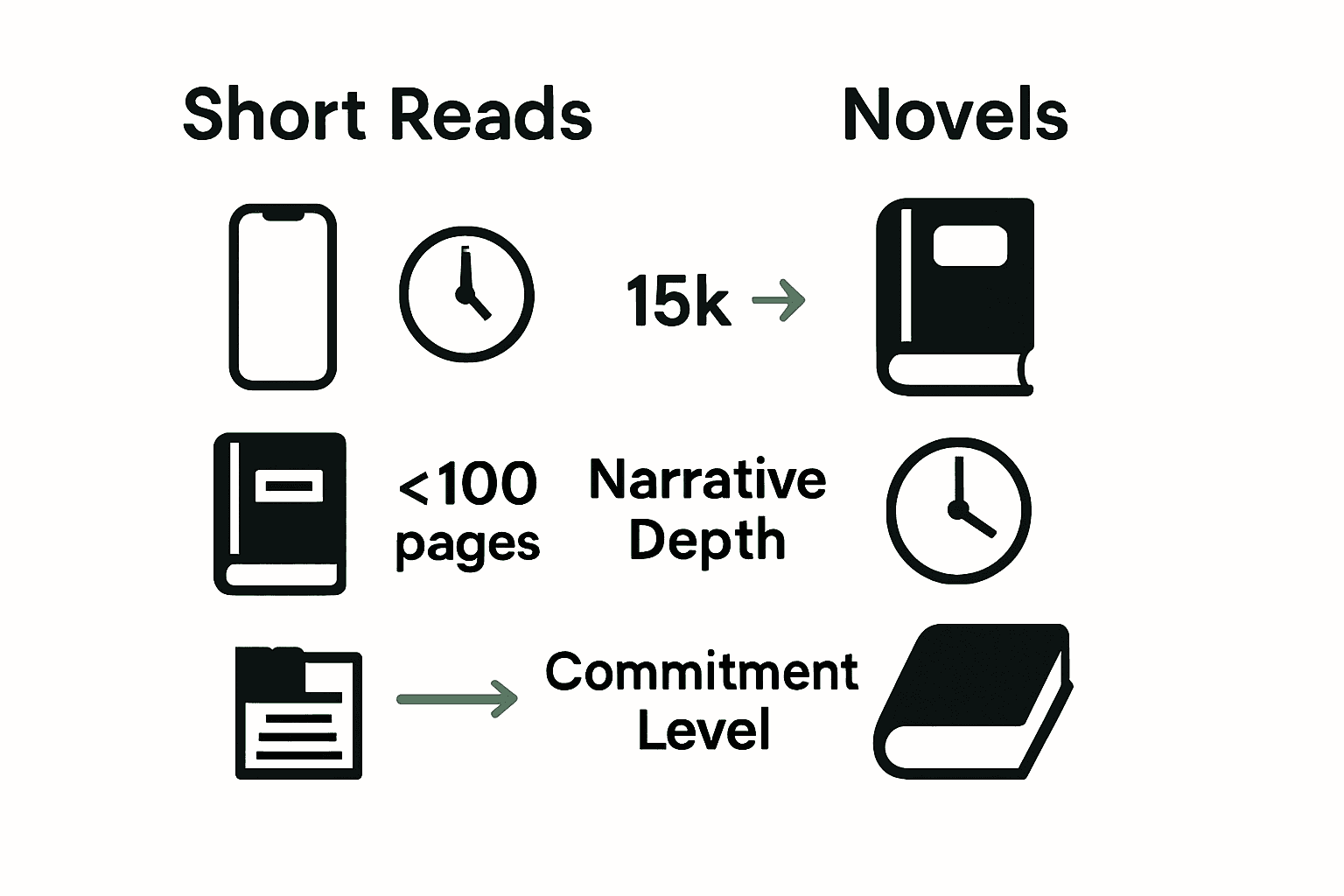
Reading Format Comparison:
- Novels:
- Extensive character development
- Complex, multi-layered plots
- Significant time commitment
- Deep narrative immersion
- Short Reads:
- Concentrated storytelling
- Quick narrative resolution
- Ideal for fragmented attention spans
- Flexible consumption
Wikipedia highlights contes as another fascinating narrative form, characterized by wit and fantasy, offering engaging stories that bridge the gap between traditional storytelling formats. These compact narratives demonstrate how literary experiences can be both rich and concise.
Readers interested in exploring the nuanced world of compact narratives can find deeper insights in our Understanding Short Story Structure guide, which provides a comprehensive exploration of these innovative storytelling approaches.
Short Reads vs Novels: Choosing What Fits
Wikipedia underscores that choosing between novellas and novels is ultimately a personal decision influenced by individual reading preferences, time availability, and narrative expectations. The selection process involves carefully weighing the depth of narrative immersion against the practical constraints of modern reading habits.
Readers must consider multiple factors when selecting their ideal reading format. Short reads offer immediate narrative satisfaction, while novels provide more comprehensive storytelling experiences. Wikipedia highlights that short story cycles present an innovative compromise, offering readers diverse narratives within a single collection and allowing for flexible, bite-sized literary exploration.
Key decision-making criteria include:
Choosing Your Ideal Reading Format:
- Choose Novels When You Want:
- Deep character development
- Complex, multi-layered plotlines
- Immersive long-form storytelling
- Extended narrative exploration
- Choose Short Reads When You Prefer:
- Quick narrative resolution
- Limited time commitment
- Diverse story experiences
- Flexible reading schedules
For readers seeking curated recommendations that match their reading preferences, our Best Short Books collection offers a carefully selected range of compact narratives to suit various tastes and reading styles.
Discover the Perfect Story Length for Your Lifestyle
Feeling torn between diving into a sprawling novel or savoring a quick, impactful story Often the challenge is finding narratives that fit your busy schedule yet still captivate your imagination. As highlighted in the article, short reads offer concentrated storytelling that fits into limited free time while novels provide deeper character journeys. If you crave the intensity of mysteries and thrillers but have little time to spare, exploring genres like cozy mysteries or psychological thrillers in short read form can be the perfect solution.
Unlock a world tailored for readers like you at The Short Reads. Whether you prefer cozy mystery short reads or thrilling novellas, our collection helps you stay immersed in gripping narratives without the long commitment. Act now to enjoy rich stories designed for efficient reading and personal enjoyment. Start your journey with carefully selected short reads today at The Short Reads and explore our curated mystery fiction short reads to match your reading preferences instantly.
Frequently Asked Questions
What is the main difference between short reads and novels?
Short reads typically range from 1,000 to 15,000 words, offering concentrated storytelling focused on singular plot points or character moments, while novels exceed 50,000 words and provide more extensive character development and intricate plots.
Why are short reads becoming popular among readers?
Short reads fit into busy lifestyles by offering complete stories that can be enjoyed in brief moments of free time, making them ideal for readers who face time constraints.
What genres are commonly found in short reads?
Common genres in short reads include cozy mysteries, which feature amateur sleuths solving crimes in small communities, and psychological thrillers that explore complex character motivations and intense emotional dynamics.
What are the advantages and disadvantages of reading short reads?
The advantages of short reads include quick consumption and lower commitment, ideal for fragmented attention spans. However, they may have limited character development and less complex plot structures compared to full-length novels.
Recommended
- Understanding the Benefits of Short Reads – TheShortReads.com
- Best Short Books – TheShortReads.com
- What is Flash Fiction? Understanding This Unique Story Form – TheShortReads.com

