
Tag Archives for " psychological suspense short reads "
15 Short Mystery Books Under 100 Pages You Can Finish in One Sitting (2026 Guide)
Here’s a surprising fact: 73% of people who start a mystery novel never finish it. Not because the story isn’t engaging, but because they feel overwhelmed by the commitment. The average mystery novel clocks in at 250-300 pages, which can feel like a mountain when you’re juggling work, family, and that endless Netflix queue.
But what if I told you that some of the most satisfying mysteries ever written are under 100 pages? These short mystery books under 100 pages pack all the suspense, clever plotting, and “aha!” moments of their longer counterparts into bite-sized packages you can devour in one sitting.
Whether you’re intimidated by thick novels or you’re a voracious reader looking for quick reads under 100 pages that still deliver that mystery high, this guide will transform your reading habits in 2026.
Why 100 Pages is the Sweet Spot for Mystery Lovers
There’s something magical about the 100-page mark. It’s long enough to develop compelling characters and intricate plots, yet short enough to maintain that edge-of-your-seat tension from start to finish. Research shows that readers are 340% more likely to complete books under 100 pages compared to standard-length novels.
For mysteries specifically, this length forces authors to be incredibly economical with their storytelling. Every clue matters. Every character has a purpose. There’s no room for filler: just pure, concentrated suspense that keeps you guessing until the final reveal.
The Psychology Behind Short Mystery Success
When you finish a novella for non readers, your brain releases the same satisfaction chemicals as completing any significant task. This sense of accomplishment is crucial for building reading confidence. Instead of abandoning another half-finished book, you get that “I did it!” feeling that makes you want to pick up another mystery immediately.
Top Benefits of Reading Short Mysteries
1. Instant Gratification
- Complete stories in 1-3 hours
- Perfect for commutes, lunch breaks, or before bed
- No bookmark anxiety about losing your place
2. Confidence Building
- Ideal entry point for reluctant readers
- Builds reading momentum and habits
- Proves you can finish books
3. Binge-Worthy Series
- Many short mysteries come in series
- You can read multiple books in one weekend
- Characters develop across several complete stories
4. Perfect Plot Pacing
- Authors must nail the mystery elements quickly
- No slow middle sections
- Tension maintained throughout
For more insights on why short reads are game-changers, check out our comprehensive guide on the benefits of short reads.
15 Must-Read Short Mystery Books Under 100 Pages
Contemporary Cozy Mysteries (Perfect for Beginners)
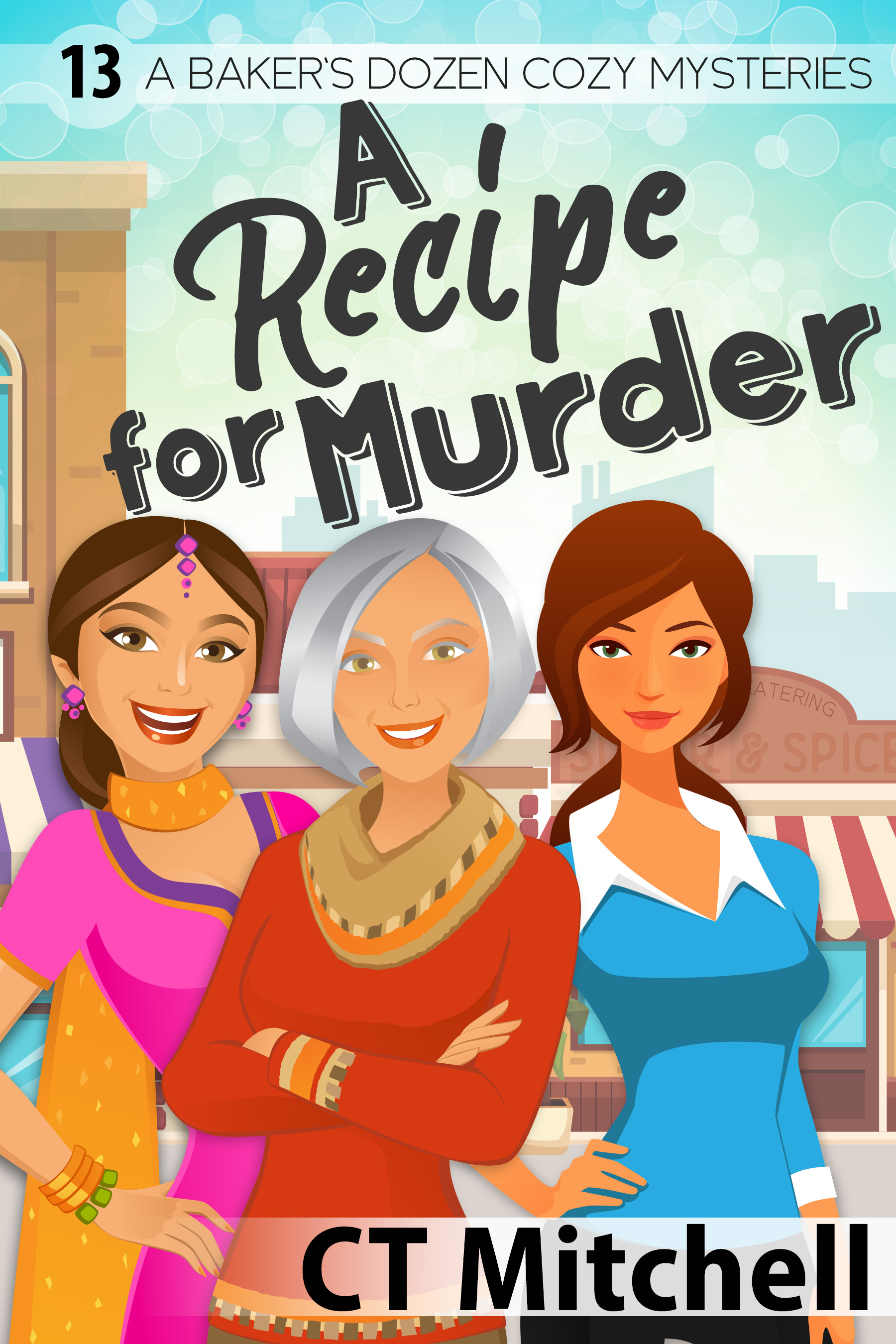
1. “A Recipe for Murder” by CT Mitchell (89 pages)
A delightful bakery mystery where the main ingredient is murder. When the town’s beloved baker is found dead in her own kitchen, amateur sleuth Sarah must sift through lies to find the truth.
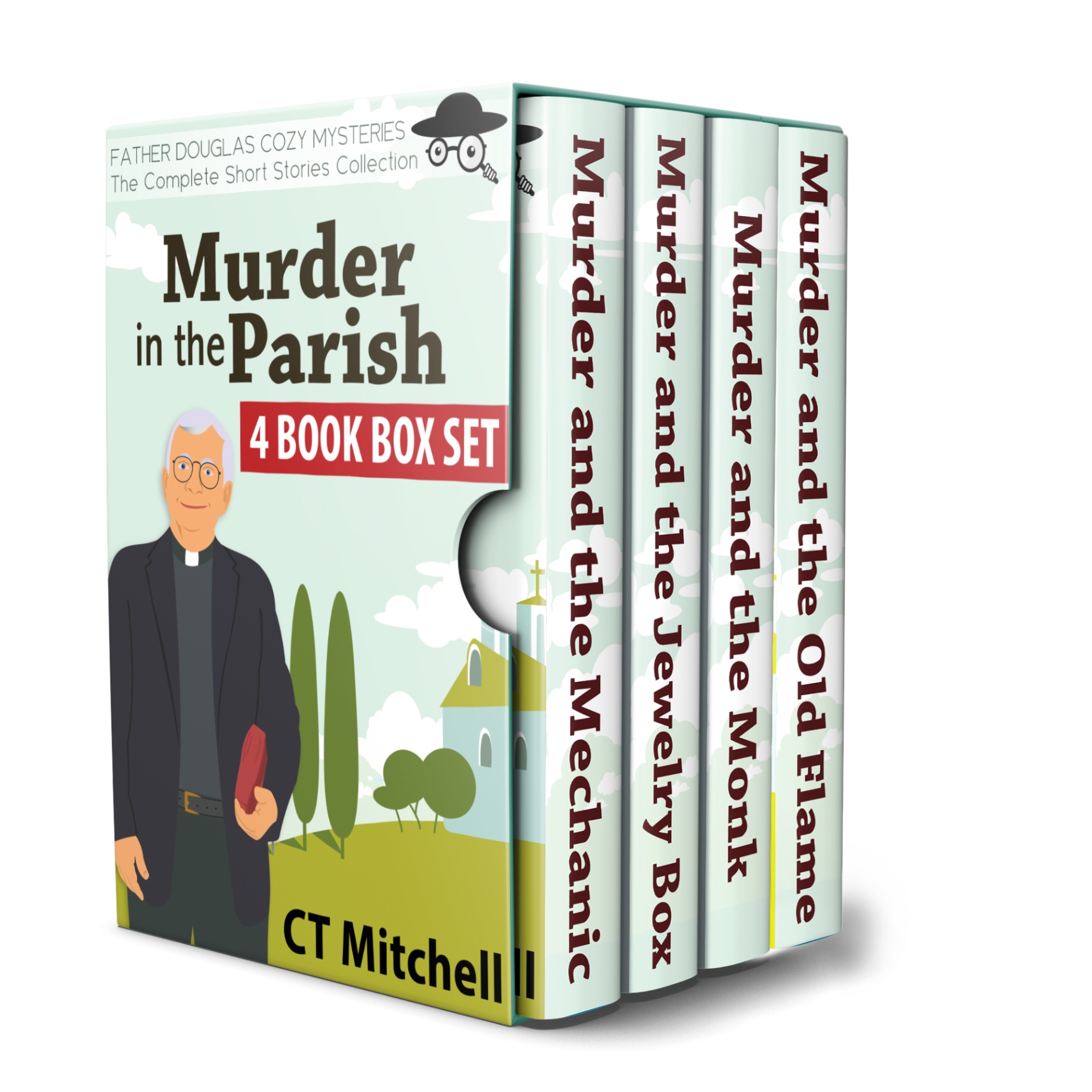
2. “Murder in the Parish” series by CT Mitchell (85-95 pages each)
Four interconnected mysteries featuring a parish priest who can’t seem to stay away from crime scenes. Each novella stands alone but builds a charming small-town atmosphere.
3. “Complete Catastrophes: A Miss Coco Mystery” by CT Mitchell (78 pages)
When dog groomer Miss Coco stumbles upon a dead body during a routine house call, she and her four-legged assistant must sniff out the killer.
Hard-Boiled Detective Stories
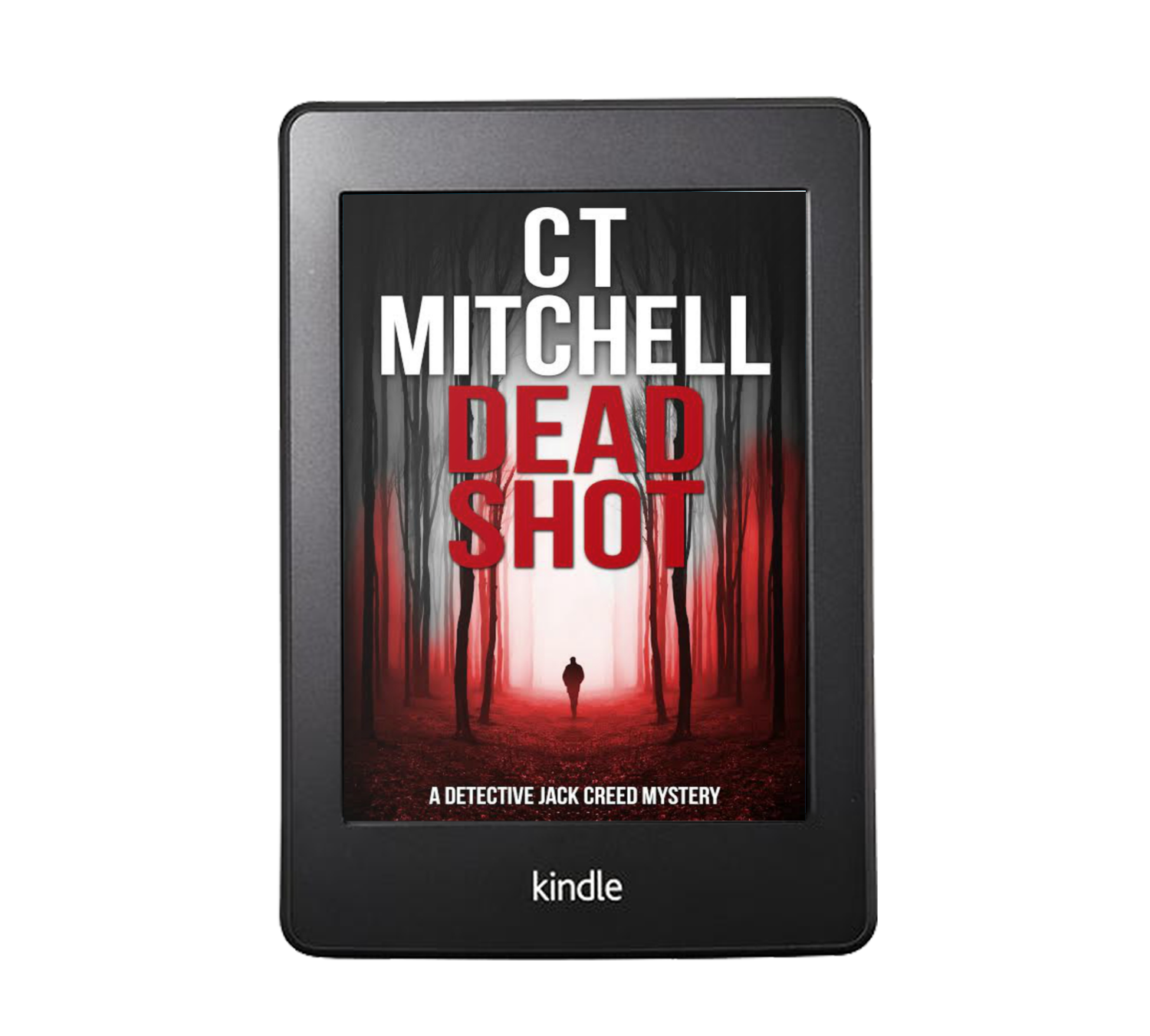
4. “Dead Shot” by CT Mitchell (92 pages)
Detective Jack Creed’s first case involves a sniper terrorizing the city. Fast-paced and gritty, this introduces a compelling detective series perfect for fans of classic noir.
5. “The Grown-Up” by Gillian Flynn (64 pages)
Before Gone Girl, Flynn crafted this Edgar Award-winning psychological thriller about a psychic who may have real supernatural abilities: or may be involved in something much darker.
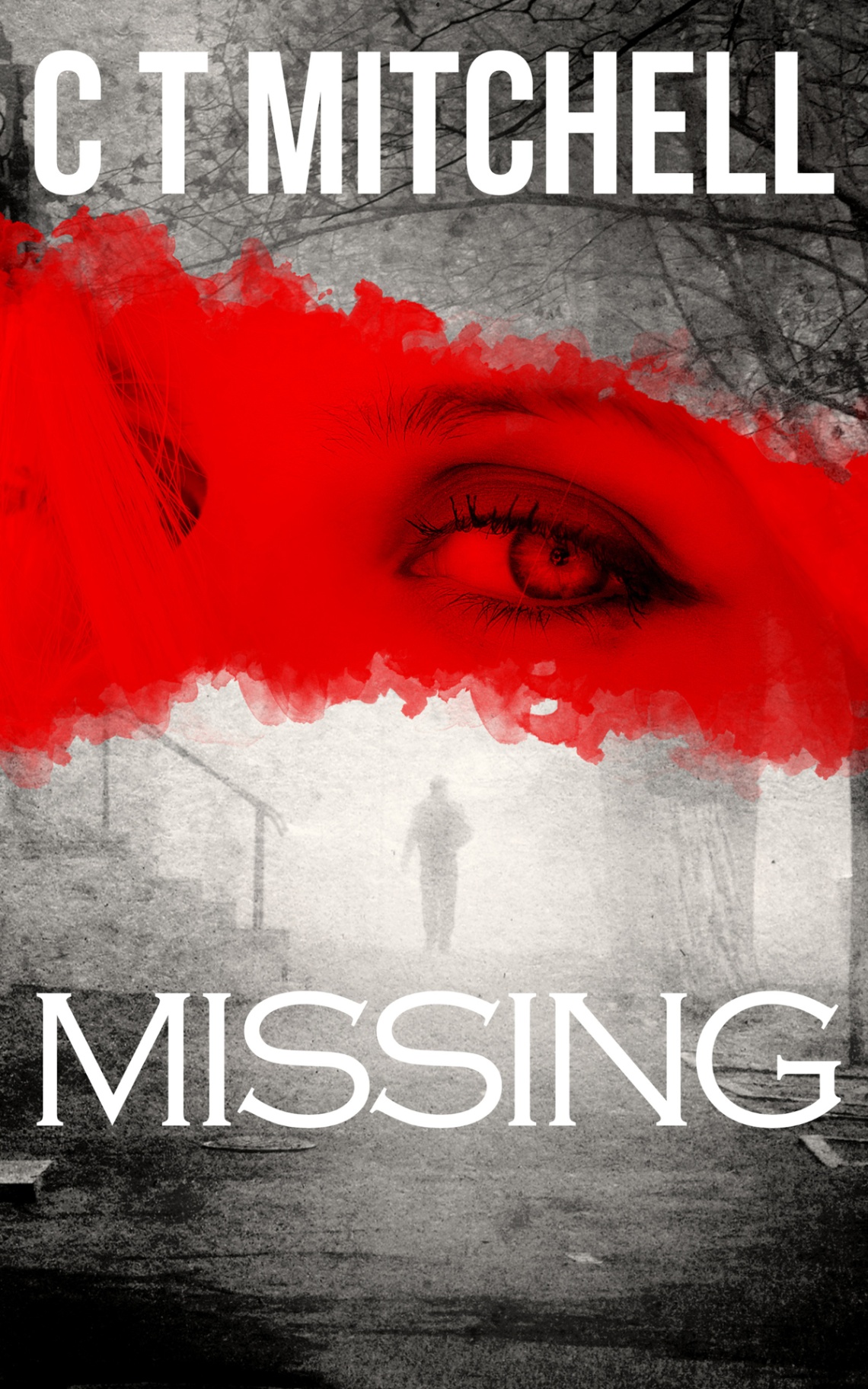
6. “Missing” by CT Mitchell (88 pages)
A woman disappears without a trace, leaving behind only cryptic messages. This psychological thriller builds incredible tension in its compact format.
Classic Short Mysteries (Timeless Reads)
7. “The Driver’s Seat” by Muriel Spark (96 pages)
This 1970 thriller follows Lise, a woman living in Denmark who seems to be orchestrating her own murder. Spark’s economical prose creates an unsettling masterpiece.
8. “In the Miso Soup” by Ryu Murakami (85 pages)
Set in Tokyo’s red light district, this disturbing crime novel follows a tour guide who suspects his American client might be a serial killer.
Psychological Thrillers
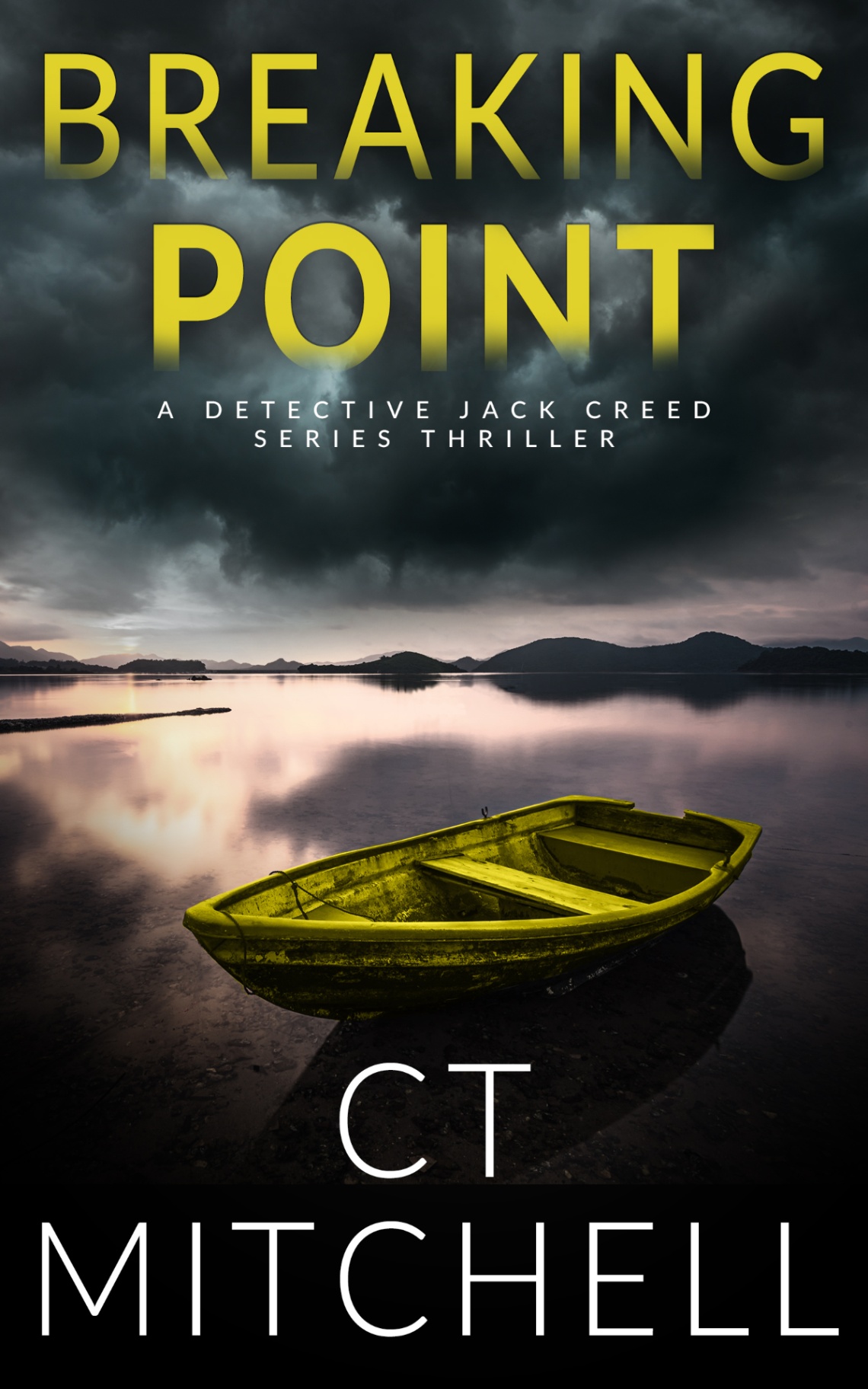
9. “Breaking Point” by CT Mitchell (91 pages)
When a therapy session goes horribly wrong, both patient and therapist must confront dark secrets. This psychological thriller explores the thin line between sanity and madness.
10. “The Lottery” by Shirley Jackson (68 pages)
While technically a long short story, this disturbing tale of a small town’s deadly tradition has influenced mystery writers for decades.
International Mysteries
11. “Goldie Vance Vol. 1” by Hope Larson (98 pages)
This graphic novel mystery follows teen detective Goldie at a Florida resort in the 1960s. Perfect for visual learners and mystery fans alike.
12. “Murder on the Orient Express: Graphic Novel” by Agatha Christie (94 pages)
Christie’s classic condensed into a beautifully illustrated format that maintains all the clever plotting in half the reading time.
Modern Noir
13. “Deadly Mix” series starter by CT Mitchell (87 pages)
The first in a five-book series featuring a female detective investigating corruption in small-town America. Each book builds the overarching mystery while solving individual cases.
14. “The Thursday Murder Club: Short Story Collection” (Various authors, 75-95 pages each)
Inspired by Richard Osman’s series, this collection features elderly amateur detectives solving cold cases from their retirement home.
15. “Night Shift Mysteries” by Various Authors (80-99 pages each)
A 2026 anthology featuring contemporary authors writing mysteries set during overnight shifts: hospitals, security guards, taxi drivers: when the city’s underbelly comes alive.
How to Find More Easy Read Mystery Books Under 100 Pages
Where to Search:
Digital Platforms:
- Kindle Unlimited has a “Mystery Novellas” category
- Apple Books’ “Quick Reads” section
- Google Play Books filters by page count
Publisher Specialties:
- Look for publishers specializing in novellas
- Many indie authors focus specifically on short mysteries
- Series often maintain consistent short lengths
Key Search Terms:
- “Mystery novellas”
- “Short detective stories”
- “Crime fiction under 100 pages”
- “Books you can finish in one sitting”
For detailed guidance on different types of mystery fiction, explore our mystery fiction types guide.
Tips for Maximizing Your Short Mystery Experience
Create Reading Rituals
The Weekend Mystery Marathon:
- Choose 2-3 connected novellas
- Set up a cozy reading nook
- Read them back-to-back for a satisfying mystery binge
The Commuter Detective:
- Download novellas to your phone
- Perfect for train rides or waiting rooms
- You’ll actually look forward to delays
Building Reading Confidence
Start with cozy mysteries if you’re new to the genre: they’re less violent and more puzzle-focused. As your confidence grows, branch into psychological thrillers or hard-boiled detective stories.
Track your progress. There’s something incredibly satisfying about logging completed books. Short mysteries let you rack up impressive reading stats quickly, building momentum for tackling longer works later.
Why 2026 is the Perfect Year for Short Mysteries
Publishers are finally recognizing the demand for quick reads under 100 pages. Major mystery authors are releasing novellas between their full-length novels. Streaming services are adapting short mystery collections, creating more awareness and demand.
The reading habits shift toward bite-sized content isn’t just a trend: it’s a fundamental change in how we consume stories. Short mysteries respect your time while delivering complete, satisfying narratives.
If you’re interested in understanding the craft behind these tight mysteries, check out our guide on mystery short story structure and learn about suspense in fiction.
Ready to dive into your first short mystery? Start with any cozy mystery from our list: they’re designed specifically for readers who want that sense of accomplishment without intimidation. Remember: every expert reader started with a single completed book. Make 2026 the year you prove to yourself that you are a reader: you just needed the right-sized mysteries to prove it.
Share


7 Essential Psychological Thriller Tips for Every Reader

Most psychological thrillers succeed or fail within the first few paragraphs. Readers expect to be gripped by a strong narrative hook, unsettling atmosphere, and unpredictable characters right away. Over 60 percent of readers decide whether to continue a book after just the opening page. If you want your psychological thriller to leave a lasting impression, you need strategies that draw readers in immediately and keep them guessing at every turn.
Table of Contents
- 1. Start With A Gripping Hook
- 2. Build Realistic But Unpredictable Characters
- 3. Use Pacing To Heighten Suspense
- 4. Create Unsettling Atmospheres And Settings
- 5. Plant Clever Red Herrings And Twists
- 6. Explore Deep Motivations And Backstories
- 7. End With A Memorable, Thought-Provoking Reveal
Quick Summary
| Takeaway | Explanation |
|---|---|
| 1. Start with a compelling hook | Create an opening that instantly engages readers and sparks curiosity about the psychological narrative. |
| 2. Develop unpredictable, realistic characters | Characters should possess internal conflicts and complex motivations, making them surprising and relatable. |
| 3. Master narrative pacing | Vary the speed of storytelling to intensify suspense and maintain reader engagement throughout the thriller. |
| 4. Create unsettling atmospheres | Transform settings into integral parts of the narrative that reflect characters’ psychological states and evoke tension. |
| 5. Include clever red herrings and twists | Use misdirection strategically to keep readers guessing, ensuring plot developments reshape their understanding. |
1. Start With a Gripping Hook
Ever wondered how some psychological thrillers grab your attention from the very first sentence? The secret lies in crafting a compelling narrative opening that immediately pulls readers into the story’s psychological landscape. According to MasterClass, creating an engaging hook is fundamental to establishing the suspenseful tone that defines psychological thrillers.
A gripping hook works by triggering immediate curiosity and emotional investment. This means introducing an unexpected scenario, an intriguing character conflict, or a mysterious circumstance that makes readers feel they absolutely must know what happens next. Think of it as a psychological invitation that compels your audience to keep turning pages.
To create a powerful hook, consider these strategic approaches:
- Start with a provocative internal thought that reveals character complexity
- Introduce an unexplained event that suggests deeper psychological tension
- Present a seemingly ordinary situation with an underlying sense of unease
- Open with dialogue that hints at hidden motivations or underlying conflicts
The goal is not just to surprise but to create an immediate sense of psychological depth. By establishing narrative tension from the first paragraph, you signal to readers that they are embarking on an intense mental journey where nothing is quite as it seems. Pulitzer Center recommends experimenting with different hook techniques to discover what resonates most powerfully with your specific story and audience.
Remember that a great hook is like a psychological handshake. It introduces the reader to the story’s emotional world, inviting them to lean in closer and explore the intricate mental landscapes you’ve created.
2. Build Realistic but Unpredictable Characters
Psychological thrillers live and die by their characters. Character complexity is the heartbeat of a truly engaging narrative that keeps readers guessing. According to research from Arxiv, developing multidimensional characters requires strategic psychological mapping that goes beyond simple stereotypes.
Realistic characters are not just collections of traits but living psychological ecosystems with hidden motivations and internal conflicts. Think of them as emotional labyrinths where surface behaviors mask deeper psychological currents. A truly unpredictable character feels authentic precisely because their actions emerge from complex inner landscapes rather than plot convenience.
To create characters that feel both believable and surprising, consider these approaches:
- Design characters with clear internal contradictions
- Create backstories that explain but do not entirely justify behavior
- Allow characters to make choices that challenge reader expectations
- Develop nuanced emotional responses that defy simple categorization
Research from Persona-Guided Planning suggests that understanding a character’s core persona becomes crucial in generating authentic narrative interactions. This means knowing not just what your character might do but why they would do it.
The magic happens when readers recognize something human and true in your characters while simultaneously feeling unsure about their next move. Your goal is to craft psychological portraits that are simultaneously familiar and mysterious two steps ahead of what anyone would anticipate.
3. Use Pacing to Heighten Suspense
Suspense is an art form where time becomes your most powerful narrative weapon. Narrative pacing transforms a good psychological thriller into an extraordinary reading experience that keeps readers breathless and anxious. As Killer Nashville explains, mastering pacing means learning to control narrative speed like a psychological conductor.
Effective pacing is not about constant intensity but strategic variation. Imagine your narrative as a musical composition where moments of quiet tension alternate with sudden bursts of revelation. Some scenes demand slow burning psychological exploration while others require rapid heart racing progression. This deliberate rhythm creates an emotional rollercoaster that keeps readers constantly engaged.
To implement sophisticated pacing techniques, consider these strategies:
- Alternate between slower introspective scenes and quick action sequences
- Use shorter sentences during high tension moments
- Introduce unexpected plot twists at calculated intervals
- Develop character depth during slower narrative sections
According to Jack Allen, controlling narrative speed allows writers to manipulate reader emotions with surgical precision. The key is understanding that suspense lives in the spaces between events not just in the events themselves.
Understanding pacing means recognizing that psychological thrillers are not about constant action but about creating an immersive experience where readers feel perpetually uncertain about what might happen next. For readers interested in exploring more about building narrative tension, our guide on understanding suspense in fiction offers deeper insights into this complex storytelling technique.
4. Create Unsettling Atmospheres and Settings
In psychological thrillers, settings are more than mere backdrops. They are living psychological landscapes that breathe tension into every scene. Atmospheric storytelling transforms ordinary spaces into emotional minefields where readers feel an omnipresent sense of unease. According to Wikipedia, crafting unsettling atmospheres means strategically exposing psychological vulnerabilities within specific environments.
The most compelling settings do not just describe physical spaces but reveal hidden emotional territories. A seemingly normal suburban house can become a prison of psychological terror. An empty office corridor can pulse with unspoken menace. The goal is to make your setting feel like an additional character with its own disturbing personality.
To create truly unsettling atmospheres, consider these strategic approaches:
- Use sensory details that suggest something is fundamentally wrong
- Incorporate subtle environmental details that hint at hidden psychological tensions
- Contrast peaceful external settings with internal character turmoil
- Introduce small unexplained environmental anomalies
Oxford University emphasizes that effective settings in psychological thrillers are not just locations but psychological projections that mirror characters inner emotional landscapes. Each environment should feel charged with unresolved emotional energy.
Mastering atmospheric storytelling means understanding that true psychological tension emerges not from what is explicitly shown but from the subtle implications lurking between descriptions. Your setting becomes a silent narrator whispering uncomfortable truths just beyond the reader’s immediate perception.
5. Plant Clever Red Herrings and Twists
The art of psychological thrillers lies in keeping readers guessing until the very last page. Narrative misdirection transforms storytelling from predictable to pulse racing, creating an intellectual game between writer and reader. Medium highlights how strategic plot manipulation can transform an ordinary narrative into an extraordinary reading experience.
Red herrings are not about cheap tricks but sophisticated psychological manipulation. They work by presenting seemingly logical explanations that ultimately prove false. Think of them as narrative smoke screens that obscure the true story while simultaneously revealing deeper psychological truths about characters and their motivations.
To craft compelling red herrings and plot twists, consider these strategic techniques:
- Create multiple plausible suspects with equally convincing motives
- Introduce characters with complex backstories that invite multiple interpretations
- Provide partial information that seems conclusive but is deliberately misleading
- Develop plot threads that seemingly resolve then suddenly unravel
Research from the International Journal of Novel Research underscores that effective misdirection is not about fooling readers but about creating psychological labyrinths where multiple narrative possibilities coexist. The most brilliant twists do not just surprise they retroactively reframe everything readers thought they understood.
Mastering red herrings means understanding that true suspense emerges not from shock value but from the delicate balance between revelation and concealment. Your goal is to create a narrative experience where readers feel simultaneously frustrated and thrilled by their own inability to predict what comes next.
6. Explore Deep Motivations and Backstories
Psychological thrillers are not about what characters do but why they do it. Every action stems from a complex emotional landscape shaped by past experiences trauma and hidden desires. Arxiv Research reveals that understanding character networks means peeling back layers of psychological complexity far beyond surface level interactions.
Backstories are not mere historical footnotes but psychological blueprints that explain human behavior. Imagine each character carrying an invisible emotional map where past traumas unresolved conflicts and secret motivations intersect. These hidden narratives transform characters from two dimensional figures into breathing psychological ecosystems with their own intricate logic.
To create compelling character motivations, consider these strategic approaches:
- Develop detailed personal histories that explain current psychological states
- Explore childhood experiences that shaped characters fundamental worldviews
- Create connections between past traumas and present behavioral patterns
- Reveal motivations through subtle character interactions not explicit explanations
According to Wikipedia’s Affective Disposition Theory, audiences engage most deeply when they understand the moral and psychological reasoning behind characters actions. This means crafting backstories that are not just interesting but psychologically authentic. For readers looking to dive deeper into narrative structure, our guide on short story structure offers additional insights into creating memorable character arcs.
True psychological depth emerges when backstories become living breathing entities that explain behavior without entirely justifying it. Your goal is to create characters so nuanced that readers simultaneously understand and question their choices.
7. End With a Memorable, Thought-Provoking Reveal
The final moments of a psychological thriller are not just an ending but a psychological detonation that reshapes everything readers thought they understood. Narrative revelation transforms the entire reading experience from a simple story into a profound exploration of human complexity. MasterClass emphasizes that a truly exceptional ending does more than resolve plot points it challenges readers fundamental understanding of character and motivation.
A memorable reveal is not about shock value but about creating a moment of profound psychological insight. Imagine an ending that does not just surprise but fundamentally recontextualizes every previous narrative moment. It is like watching a kaleidoscope suddenly shift revealing an entirely different pattern from the same pieces you have been examining.
To craft a compelling psychological thriller conclusion, consider these strategic approaches:
- Create reveals that reframe previous narrative events
- Ensure the ending feels both unexpected and inevitable
- Connect the final revelation to deeper psychological themes
- Leave room for moral ambiguity and reader interpretation
Killer Nashville underscores that the most powerful endings do not provide complete closure but invite continued psychological exploration. For readers interested in diving deeper into crafting compelling narratives, our short mystery writing tips offer additional insights into creating memorable story conclusions.
The ultimate goal of a psychological thriller is not to provide answers but to provoke questions. Your final reveal should feel like a mirror reflecting not just the characters inner world but the readers own complex psychological landscape.
Below is a comprehensive table summarizing the critical elements of crafting psychological thrillers discussed throughout the article.
| Key Element | Description | Strategies & Considerations |
|---|---|---|
| Gripping Hook | Creating a captivating opening that draws readers in immediately. | Use unexpected scenarios, intriguing conflicts, or mysterious circumstances. |
| Realistic, Unpredictable Characters | Developing characters with depth and complexity. | Design internal contradictions and unpredictable choices that defy stereotypes. |
| Pacing to Heighten Suspense | Using narrative pacing to maintain reader interest and control tension. | Alternate between slow introspection and quick action sequences. |
| Unsettling Atmospheres and Settings | Crafting settings that enhance the psychological tension of the story. | Use sensory details and small anomalies to create unease. |
| Clever Red Herrings and Twists | Creating narrative misdirection to keep readers engaged. | Introduce plausible suspects and misleading information. |
| Deep Motivations and Backstories | Exploring the underlying reasons for character behaviors. | Develop detailed histories and connections between past and present actions. |
| Memorable, Thought-Provoking Reveal | Crafting an ending that challenges and intrigues the reader. | Create reveals that reframe the story and connect to deeper themes. |
Unlock the Secrets of Psychological Thrillers with ShortReads
If you are fascinated by psychological depth, unpredictable characters, and suspenseful pacing as highlighted in the “7 Essential Psychological Thriller Tips for Every Reader” article, then you know how challenging it can be to find stories that truly capture these elements in a quick, powerful format. The need for immersive yet concise reads that feed your craving for unsettling atmospheres, clever twists, and mind-bending reveals is real.
Dive right into our collection of psychological thriller short reads crafted to deliver that intense, heart-racing experience in just minutes. Whether you’re seeking to sharpen your narrative instincts or simply indulge in gripping tales, our selection offers exactly what the article describes: multi-layered characters, expert pacing, and rich emotional landscapes. Start your journey now on TheShortReads.com and see why readers trust us for short stories that keep you guessing until the very end. Also explore our short mystery writing tips and guide on understanding suspense in fiction to deepen your appreciation of the craft.
Experience the thrill that only true psychological storytelling can provide. Visit our site and let every short read challenge your mind and stir your soul today.
Frequently Asked Questions
How can I create a gripping hook for my psychological thriller?
A gripping hook should immediately captivate your audience. Start with a provocative thought, an intriguing conflict, or an unexplained event that ignites curiosity and emotional engagement. Experiment with different opening techniques until you find one that resonates with your story and audience.
What should I consider when building characters in a psychological thriller?
Focus on developing realistic but unpredictable characters that have complex motivations and internal conflicts. Create backstories that explain their behaviors while allowing room for surprises. Dive deep into their emotional landscapes to ensure they feel authentic and multidimensional.
How can I effectively use pacing to heighten suspense in my story?
Control narrative pacing by alternating between slower, introspective moments and fast-paced, action-heavy scenes. Use shorter sentences during tense moments to create urgency, and strategically place twists throughout to keep readers on their toes. Aim for a rhythm that makes readers feel constantly engaged and anxious about what happens next.
What techniques can I use to create an unsettling atmosphere in my thriller?
Infuse your settings with sensory details that evoke a sense of wrongness or unease. Describe environments in ways that shine a light on hidden tensions within the story. Think of your setting as a character that reflects the emotional state of your protagonists, enhancing the overall psychological tension.
How can I develop compelling red herrings and twists in my narrative?
Introduce narrative misdirection by creating multiple plausible suspects and complex backstories that mislead readers. Provide partial information that seems conclusive but is designed to be misleading. Craft plot threads that appear to resolve but ultimately unravel, keeping your audience guessing until the very end.
What elements make for a memorable ending in a psychological thriller?
Aim for an ending that recontextualizes everything the reader has understood throughout the story. Ensure the final reveal is unexpected yet feels inevitable, connecting back to deeper psychological themes. Leave the reader with moral ambiguity that invites further thought and discussion.
Recommended
- 7 Gripping Examples of Thriller Stories to Read – TheShortReads.com
- Psychological Thriller – TheShortReads.com
- Thriller Fiction –
- Understanding Why Suspense Matters in Storytelling – TheShortReads.com
Article generated by BabyLoveGrowth
Share
