Here’s a frustrating truth: Kindle Unlimited has over 4 million titles, yet most readers spend more time scrolling than actually reading. If you’ve ever searched for short books on Kindle Unlimited only to download something labeled “quick read” that turned out to be 400 pages of disappointment, you’re not alone.
The good news? Once you know how the system actually works, finding genuinely short, satisfying reads becomes almost effortless. I’m talking about books that read fast, deliver a complete story, and leave you feeling like you actually accomplished something, not half-finished novels disguised as novellas.
Here are the 10 insider tips that’ll transform your KU experience.
Why this matters: Amazon’s listed page counts are notoriously unreliable. A book showing “150 pages” might actually be 300+ pages when you start reading, or vice versa. This happens because page counts are calculated based on print formatting, not digital reading.
How to fix it: Look for the “Reading time” estimate instead of page count. You’ll find this in the product details section. Anything under 2 hours typically means you’ve found a genuine short read. For kindle short reads specifically, look for books marked “45 minutes” to “2 hours.”
Bonus tip: Check the Kindle file size. Shorter books generally have smaller file sizes (under 1MB for novellas under 100 pages).
Why this matters: Amazon actually has reading time filters built into the search, most people just don’t know they exist.
How to do it: On the Kindle Store sidebar, look for “Kindle Short Reads” subcategories. You’ll find options like:
Bonus tip: The 1-2 hour category is where you’ll find most quality novellas. Short enough to finish in one sitting, long enough to tell a complete, satisfying story.
Why this matters: Authors who write short fiction intentionally often include length indicators in their titles or subtitles. This self-identification is a reliable quality signal.
How to do it: Try these search strings:
Bonus tip: Authors who label their work as novellas typically understand the format and craft stories designed for that length, rather than novels that got cut short.
Why this matters: Many authors deliberately make the first book in a series shorter to hook readers. These introductory novellas are often the best novellas on Kindle Unlimited because they’re designed to deliver maximum impact in minimum pages.
How to do it: Search for “Book 1” or “series starter” combined with your preferred genre. Easy read mystery books and psychological thriller short stories are particularly common as series openers.
Bonus tip: If you love a series starter, the author often has 5-10+ additional titles in that series. One good find can fuel months of reading.
Why this matters: Five minutes previewing can save you hours of disappointment. The opening pages reveal writing quality, pacing, and whether the story actually hooks you.
How to do it: Click “Look Inside” on any KU title. Read at least 2-3 pages. Ask yourself:
Bonus tip: Page turners reveal themselves immediately. If you’re bored by page 3, you’ll be bored by page 100.
Why this matters: Kindle Unlimited launched in 2014, and the early years saw a flood of low-quality, hastily written content designed to game the system. Much of it still lurks in search results.
How to do it: Filter by “Publication Date” and select the last 1-2 years. Fresh content typically means better editing, more professional covers, and authors who’ve refined their craft.
Bonus tip: The exception? Established series from proven authors. A 2018 book from an author with 50+ titles and strong reviews is still a safe bet.
Why this matters: Not all genres embrace the novella format equally. Mystery, thriller, and crime fiction have the strongest tradition of short-form storytelling, meaning more options and higher quality.
How to do it: Focus your KU searches on:
If you’re looking for short mystery books under 200 pages, you’ll find significantly more options than, say, short epic fantasy.
Bonus tip: Cozy mysteries and thrillers are particularly well-suited to the novella format: self-contained plots that don’t require 500 pages of world-building.
Why this matters: Authors who consistently write novellas have mastered the format. One good discovery often means 10+ additional titles you’ll love.
How to do it: When you find a short book you enjoy:
Bonus tip: Prolific novella authors often release monthly. Following 3-4 good ones means a constant stream of quick fiction reads.

Why this matters: Readers who mention reading speed in reviews are telling you exactly what you need to know. They’ve done the research for you.
How to do it: In the reviews section, use Ctrl+F (or Command+F on Mac) to search for:
Bonus tip: Beware of reviews that say “too short” as a complaint. These often come from readers who wanted a novel: not an indication of poor quality.
Why this matters: Kindle Unlimited’s catalog isn’t permanent. Books leave the program regularly, sometimes with no warning. That novella you saved to read “later” might vanish.
How to do it: When you find promising short books on Kindle Unlimited:
Bonus tip: Create a “To Read” collection on your Kindle specifically for short reads. Fill it with 10-15 novellas so you always have options.
Before you download your next KU book, run through this:
| ✅ Check | What to Look For |
|---|---|
| Reading time | Under 2 hours |
| “Look Inside” | Engaging first pages |
| Publication date | Recent (last 2 years preferred) |
| Reviews | “Quick read,” “one sitting” mentions |
| Author catalog | Multiple titles = proven format |
| Genre | Mystery/thriller = more options |
Here’s the real insider secret: once you find an author who consistently delivers satisfying short reads, you’ve solved the KU puzzle permanently.
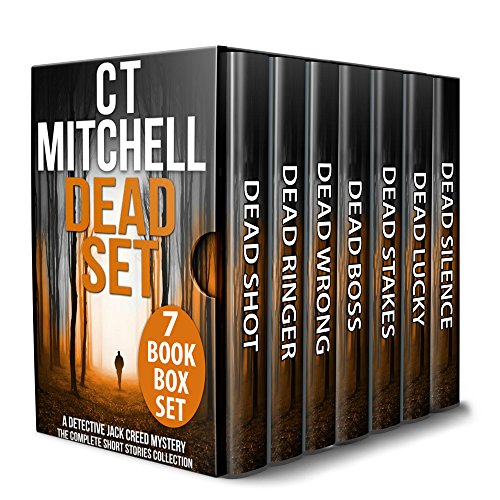
That’s exactly why The Short Reads exists. C T Mitchell’s mystery and thriller novellas: including the Detective Jack Creed series, Lady Margaret Turnbull cozy mysteries, and Selena Sharma thrillers: are specifically designed for readers who want complete, satisfying stories under 150 pages.
Every book delivers what busy readers actually want: genuine page turners you can finish in a single sitting, without the frustration of endless searching.
Ready to stop scrolling and start reading? Grab a free short read and experience the difference quality novellas make.
Share


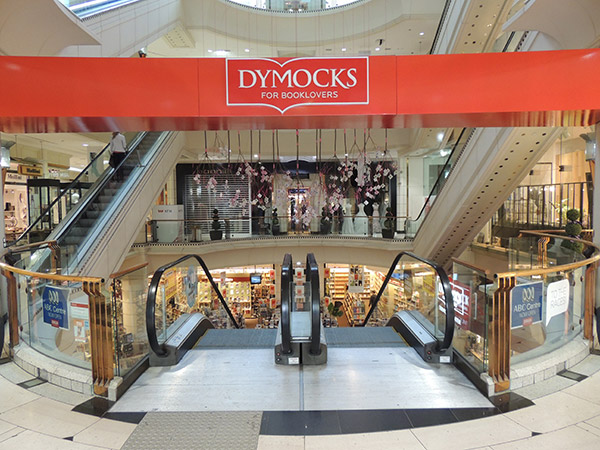
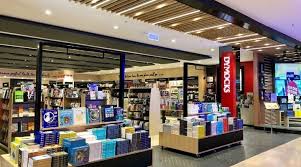
Why My Books Won’t Appear in Dymocks is a reality for a lot of indie authors. If you’ve ever walked into a Dymocks bookstore and wondered why certain books grace their shelves while others never see the light of day, you’re not alone. As an author who’s navigated this landscape, I’ve learned that the decision-making process behind what books appear in major retail chains is far more complex—and sometimes more frustrating—than most readers realize.
Here’s something that might surprise you: walk through any Dymocks store and you’ll find obscure titles that seem destined to gather dust. Books that appeal to incredibly narrow audiences. First-time authors with no platform. Experimental works that defy easy categorization. Yet somehow, these books earned their spot on the shelf.
Meanwhile, authors with proven track records and solid ratings—like C T Mitchell, whose books consistently earn positive reader reviews—struggle to get even a single copy stocked. How does this make sense from a business perspective?
The reality is that bookstore buying decisions aren’t primarily driven by what will sell best. They’re driven by a complex web of factors that often have little to do with an author’s actual potential to move units:
Publisher Relationships Matter More Than You Think
Major publishers have established relationships with buyers at chains like Dymocks. They get regular meetings, they have sales reps making the rounds, and they have the infrastructure to offer returns policies that reduce risk for retailers. An unknown author from a small press or self-published author simply doesn’t have this access, regardless of how good their ratings are.
The Returns Game Changes Everything
Traditional publishers operate on a returns model—bookstores can send back unsold inventory. This shifts the risk away from the retailer. When you’re a publisher without this arrangement, or a self-published author, suddenly that bookstore buyer sees your book as a gamble with their shelf space and capital.
Marketing Budgets Trump Track Records
That obscure literary fiction debut taking up prime real estate? The publisher probably allocated significant marketing dollars to it. Co-op placement fees, promotional support, author events—these investments influence buying decisions more than an author’s existing fan base or ratings.
Here’s the hard pill to swallow: excellent reader ratings on platforms like Amazon or Goodreads often don’t factor heavily into brick-and-mortar buying decisions. Why not?
First, buyers at major chains are evaluating hundreds of titles weekly. They simply don’t have time to research individual author ratings unless that author is already on their radar through traditional channels.
Second, online ratings exist in a different ecosystem. A book might have stellar reviews from 100 readers, but a buyer is thinking about whether it will appeal to the walk-in customer browsing their specific store’s shelves. They’re making educated guesses about their particular demographic.
Third, and most cynically, established systems are hard to disrupt. The buying process at major chains has been refined over decades to work with traditional publishing infrastructure. Breaking into that system as an outsider requires either massive success elsewhere or being championed by someone on the inside.
So why do some genuinely obscure books make it onto shelves when books with better sales potential don’t?
Literary Prestige: A book that won an obscure literary award or comes from a celebrated MFA program might get stocked based on perceived cultural value rather than sales potential.
Publisher Push: That quirky debut novel? The publisher might be betting big on it as their breakthrough title for the season, and they’re willing to invest heavily in placement.
Diversity Mandates: Bookstores increasingly want to showcase diverse voices and stories, sometimes prioritizing representation over projected sales numbers.
Personal Taste: Buyers are human. Sometimes a book resonates with them personally, and they advocate for it internally.
None of these are bad reasons to stock a book. But they highlight how the system isn’t purely meritocratic or driven by sales potential.
For authors who’ve built genuine readerships but lack traditional publishing backing, the current system is genuinely frustrating. You can have:
And still find yourself locked out of major retail chains.
The harsh reality is that Dymocks and similar chains aren’t making decisions based on what’s most likely to sell to readers. They’re making decisions based on what’s most likely to work within their existing business infrastructure and relationships.
This isn’t to say breaking into brick-and-mortar retail is impossible, but it requires understanding the game being played:
Build undeniable momentum elsewhere: Online sales, direct sales at events, social media presence—make yourself too big to ignore.
Consider hybrid publishing: Some smaller presses have the distribution infrastructure to get you into stores while offering better terms than traditional publishing.
Target independent bookstores first: They have more flexibility in their buying decisions and often pride themselves on discovering authors the chains overlook.
Understand it’s not personal: The buyers at Dymocks aren’t rejecting your work because it’s not good enough. They’re working within a system that wasn’t designed with independent or self-published authors in mind.
The book industry has always been about more than just the quality of the writing or even sales potential. It’s about access, infrastructure, and established relationships. An author with great ratings but no traditional backing faces an uphill battle that has nothing to do with the merit of their work.
For readers, this means some of the best books you’d love never make it to your local bookstore’s shelves. For authors like C T Mitchell, it means continuing to build readership through alternative channels while the traditional gatekeepers stock titles that may never find their audience.
Perhaps the real question isn’t why certain books don’t appear in Dymocks, but whether the traditional bookstore model is still the best way to connect readers with the stories they’ll love.
The answer, increasingly, seems to be no.
Have you discovered a great author who’s not stocked in major bookstores? The democratization of publishing means readers have more power than ever to support authors directly. Sometimes bypassing the gatekeepers is exactly what’s needed.
Share