
Suspense
Best Short Suspense Books to Read in One Sitting (2026)
![[HERO] Best Short Suspense Books to Read in One Sitting (2026)](https://cdn.marblism.com/lQfMNk9TQdp.webp)
Did you know that the average reader can finish a 200 page book in approximately three to four hours? That is the exact length of a rainy afternoon: or a single evening when you just want to vanish into another world. Yet many readers skip the suspense section because they assume a good “chill” requires a 500 page brick of a novel.
The real surprise? Suspense actually thrives in shorter forms.
Suspense is not the same as a thriller. A thriller moves fast: the danger is active, the clock is running, and the pages turn because something is happening right now. Suspense moves differently. The threat may never actually arrive. The dread is the entire point. You keep reading not because the pace forces you forward but because something feels fundamentally wrong and you cannot identify what it is.
That distinction matters when you are looking for your next read. Suspense readers often are not thriller readers. They want atmosphere over action, psychological unease over plot mechanics, and the slow accumulation of “wrongness” rather than a sudden jump scare. The best suspense novels are closer to a particular feeling: the one you get when a house is too quiet: than to a puzzle or a race.
Why Short Suspense Works
Short suspense works exceptionally well because restraint is the native mode of the genre. A 400 page suspense novel risks explaining too much or dragging out the tension until it snaps. The best short suspense leaves the source of the dread partially obscured, which is exactly where the fear lives.
Every book on this list is under 250 pages, and most are under 200. We have organized them by subgenre because the specific flavor of unease you are looking for matters almost as much as the plot itself.
Gothic Suspense: The Power of Place
Gothic suspense is the oldest subgenre and still the most atmospheric. The defining ingredients are location: a house, a manor, or a landscape: that is as much a presence as the characters themselves. It usually involves a secret buried in the past that the present cannot escape, and a protagonist who is isolated and increasingly unsure of what is real.
We Have Always Lived in the Castle by Shirley Jackson | 146 pages | GOTHIC SUSPENSE
Merricat Blackwood lives with her sister Constance and their uncle Julian in the family house on the edge of a village that hates them. Six years ago, most of the family died of arsenic poisoning at the dinner table. Constance was tried and acquitted, but the village has never forgiven her. Jackson writes from inside Merricat’s perspective: strange, precise, and entirely unreliable: and the effect is one of the most unsettling reading experiences in American fiction. At 146 pages, this is a book that reads in an afternoon and stays with you for weeks. It is arguably the finest short gothic novel of the twentieth century.
Rebecca by Daphne du Maurier | 449 pages | GOTHIC SUSPENSE | NOTE: LONGER
The unnamed second Mrs de Winter arrives at Manderley, her new husband’s estate, and finds herself living under the shadow of his first wife, Rebecca, who died in a boating accident the year before. Du Maurier builds the atmosphere of Manderley: the azalea drive, the morning room, and the terrifying Mrs Danvers: with a precision that makes the house feel like a living creature. While this is technically over our page threshold, it is included because it is the canonical example of the genre. If you have read nothing else in gothic suspense, you have to start here.
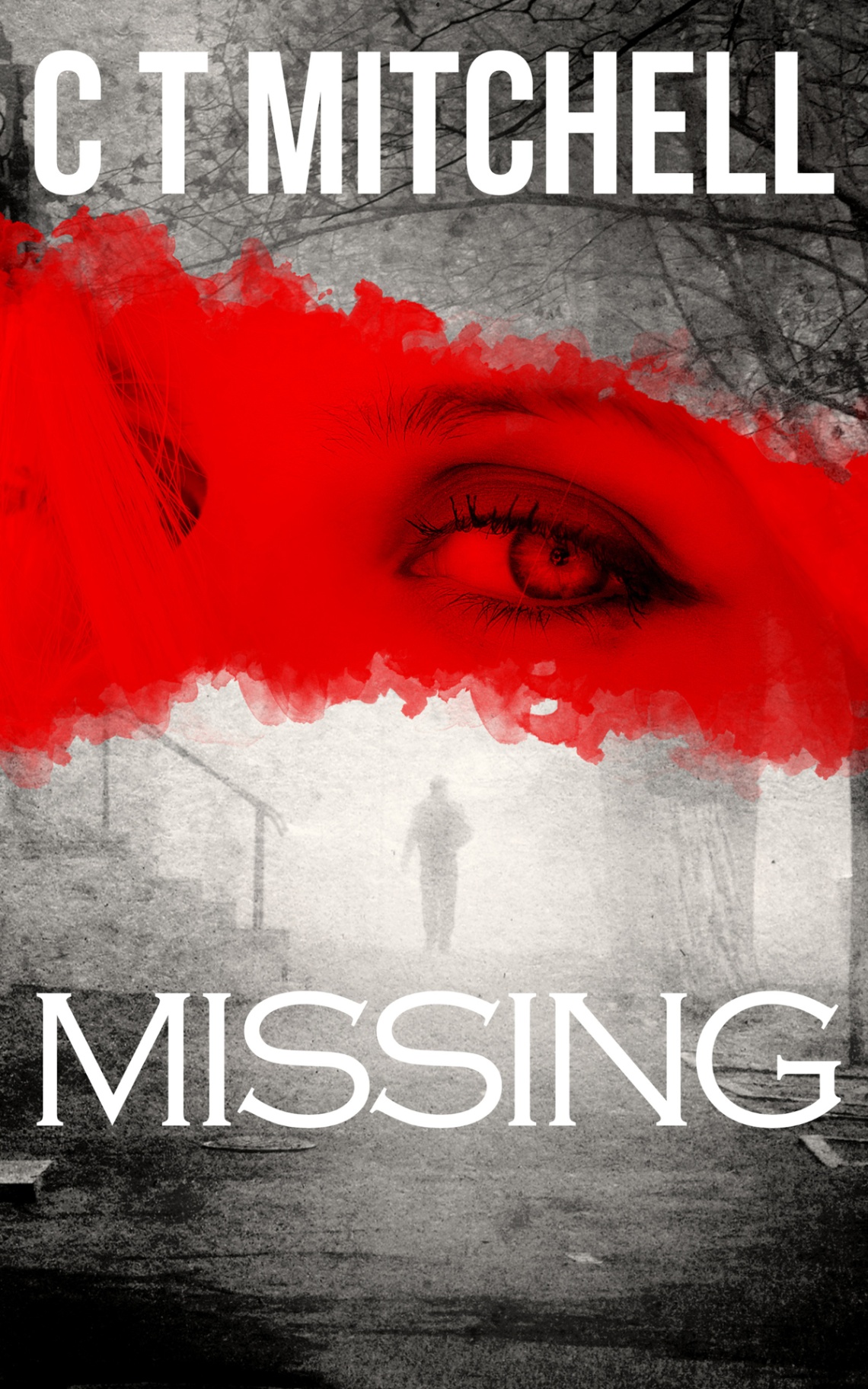
The Turn of the Screw by Henry James | 96 pages | CLASSIC GOTHIC SUSPENSE
A young governess arrives at a remote country house to care for two children and begins to see figures on the grounds: a man on the tower, a woman by the lake. James never resolves whether the ghosts are real or if the governess is simply losing her mind. Published in 1898, this novella invented the ambiguous ghost story. At only 96 pages, you can read it in one sitting and argue about the ending for years.
Mexican Gothic by Silvia Moreno-Garcia | 301 pages | MODERN GOTHIC SUSPENSE
Set in 1950s Mexico, Noemí Taboada travels to a remote mansion in the mountains to check on her cousin. The house: High Place: is wrong in ways that are difficult to articulate. Moreno-Garcia writes with genuine literary ambition, and the horror is rooted in the history of colonial exploitation. It is slightly over 300 pages but moves with the speed of a much shorter book.
Atmospheric Suspense: The Interior Threat
Atmospheric suspense sits between gothic fiction and literary fiction. The dread is present, but the source is often human rather than spectral: grief, guilt, or the slow discovery that someone you trusted is a stranger.
The Yellow Wallpaper by Charlotte Perkins Gilman | 64 pages | CLASSIC ATMOSPHERIC SUSPENSE
A woman is brought by her physician husband to a rented summer house to recover from a “nervous condition.” Forbidden from writing or any stimulation, she becomes obsessed with the yellow wallpaper in her room. This is 64 pages of creeping psychological horror that remains one of the most widely taught short works in literature. You might think a story about wallpaper sounds dull: you would be wrong.
The Haunting of Hill House by Shirley Jackson | 182 pages | ATMOSPHERIC SUSPENSE
Four people gather at Hill House to study its alleged supernatural properties. Jackson opens with a description of the house’s “wrongness” that locates the horror in geometry: the way the angles are slightly off. This is a novel about loneliness and the way damaged people are drawn to damaged places. At 182 pages, it is the foundational text of the American haunted house story.
Piranesi by Susanna Clarke | 272 pages | ATMOSPHERIC SUSPENSE
A man lives in a house that contains an infinite labyrinth of halls filled with statues and tides that flood the lower floors. He knows almost nothing about how he got there. Clarke constructs the mystery through journal entries, creating a particular kind of suspense: not fear exactly, but the feeling of a massive truth slowly approaching.
Domestic Suspense: The Threat Across the Table
Domestic suspense locates the wrongness inside a home or a marriage. The threat is not a ghost or a manor: it is the person sitting across the dinner table from you. The claustrophobia is relational.
The Push by Ashley Audrain | 294 pages | DOMESTIC SUSPENSE
Blythe Connor becomes convinced that something is fundamentally wrong with her daughter. Her husband believes she is simply struggling with postpartum depression. The reader is kept uncertain throughout whether Blythe’s perception is accurate or compromised. It is one of the most discussed debut novels of recent years because it refuses to offer a clean resolution.
Behind Closed Doors by B.A. Paris | 294 pages | DOMESTIC SUSPENSE
Jack and Grace Angel have a perfect marriage. The narrative establishes this quickly, then begins methodically dismantling it. This is an efficient, propulsive read that delivers on the promise that the surface of a relationship and its reality can be two entirely different things.
The Silent Patient by Alex Michaelides | 336 pages | DOMESTIC SUSPENSE | NOTE: LONGER
A famous painter shoots her husband five times in the face and then never speaks another word. A criminal psychotherapist becomes obsessed with uncovering why. While longer at 336 pages, the dual narrative and short chapters make it feel significantly faster. It is a perfect gateway book for readers new to domestic suspense.
New Suspense for 2026
As we move through 2026, several new releases are capturing the short suspense market. You might want to keep an eye out for these recent arrivals:
- The Storm by Rachel Hawkins (January 2026): This is being hailed as the ultimate “curl up by the fire” read. It manages to pack a heavy atmospheric punch in a compact format, making it ideal for a single sitting.
- The Final Score by Don Winslow (2026): While Winslow is known for his massive crime epics, this collection of short novels shows off his “deft and memorable touch” with shorter forms. It is perfect for readers who want the weight of a thriller with the brevity of a novella.
Suspense vs Mystery vs Thriller: A Quick Guide
The three genres overlap, but they create very different experiences. Choosing the right one depends on your current mood.
You might find that you want different things at different times. A Christie when you want to feel clever. A Flynn when you want your heart rate to spike. A Jackson when you want to feel that specific, uncomfortable unease that only short suspense can provide.
What to Read Next
If this guide helped you find a specific “flavor” of dread, here is where you should head next on The Short Reads:
The best short suspense novels do something that 800 page books rarely achieve: they end before the “wrongness” is fully explained. The dread is not resolved because dread without resolution is a much more honest experience. Something is wrong. You close the book. The feeling stays with you. That is the form working exactly as it was intended.
If you are ready to start your next one sitting read, check out our full collection at The Short Reads and find the perfect book to keep you up tonight.