
Short Books To Break A Reading Slump
Best Short Books to Break a Reading Slump (2026)
![[HERO] Best Short Books to Break a Reading Slump (2026)](https://cdn.marblism.com/xb9xmxVKKtf.webp)
A reading slump is not a character flaw. It happens to people who read sixty books a year just as reliably as it happens to people who read six. You might think your sudden inability to focus on a page is a sign that you have lost your love for stories, but the reality is much simpler. Research suggests that nearly 40 percent of avid readers will experience a significant reading slump at least once every two years.
The reasons vary: a book that ended too well and left nothing able to follow it, a period of stress that made concentration impossible, or a run of wrong books chosen at the wrong moment. Regardless of the cause, the feeling is consistent: you want to read, you sit down with a book, and nothing happens.
The standard advice, like reading something different or taking a break, is fine as far as it goes. But it skips the most practical solution: read something short. A book you can finish. A book that gives you the momentum of completion rather than the dread of another abandoned chapter. Every book on this page was chosen for its slump-breaking properties specifically: a fast start, short chapters, forward pull that does not let up, and an ending that leaves you wanting to pick up the next one.
Why Reading Slumps Happen (And Why Short Books Fix Them)
Reading slumps have a few recognisable causes, and understanding yours makes it easier to choose the right book to cure it. When your brain is tired, it naturally resists high-friction activities. A 600-page epic is high friction. A 120-page novella is an open door.
The Anatomy of a Slump
Cognitive fatigue is perhaps the most common culprit in 2026. Reading requires more sustained attention than most digital content. After a period of stress or constant context-switching, your brain resists the sustained focus a novel demands. Short books work here because the commitment is smaller: your brain can manage 100 pages in a way it cannot currently manage 500. The momentum builds from there.
The Best Short Books to Break a Reading Slump
When you need something that grabs you immediately
And Then There Were None by Agatha Christie: 264 pages [MYSTERY]
Ten strangers. An island. One by one they start dying. Christie’s prose is frictionless: no slow first act, no scene that is not doing work, and no sentence that could be cut. This is the book that readers most consistently name as the one that broke a long reading slump, because the puzzle mechanics create genuine forward compulsion. You cannot stop mid-chapter because the next chapter answers the question the last one raised.
Convenience Store Woman by Sayaka Murata: 163 pages [LITERARY FICTION]
Keiko Furukura has worked in the same convenience store for eighteen years and finds it the only place she makes complete sense. Murata’s deadpan precision creates something genuinely funny and quietly unsettling in equal measure. This is the book for slumps caused by fiction that takes itself too seriously: it is light on the page and heavy in the mind. You can discover more about these types of engaging stories in our mystery fiction types guide.
The Alchemist by Paulo Coelho: 163 pages [FABLE]
A young shepherd follows a dream across the Sahara. The prose is simple, the movement is constant, and the book generates the rare quality of making every page feel like it matters. Readers frequently cite this as the book that reminded them why they read. It is not because it is a dense literary achievement, but because it is genuinely propulsive.
When you need something warm rather than demanding
The No. 1 Ladies’ Detective Agency by Alexander McCall Smith: 226 pages [COZY FICTION]
Precious Ramotswe establishes Botswana’s only female-run detective agency and takes on cases that are fundamentally about human nature rather than violence. McCall Smith writes with such genuine warmth for his characters and setting that reading this feels less like work and more like visiting a friend. This is for the reader whose fatigue is emotional.
Small Things Like These by Claire Keegan: 120 pages [LITERARY FICTION]
A coal merchant in a small Irish town in 1985 begins to see things he would rather not during the weeks before Christmas. Keegan writes in the kind of spare, clear prose that reads fast without feeling thin. It is exactly the right length for a single sitting and leaves you with the satisfying certainty of having read something genuinely good.
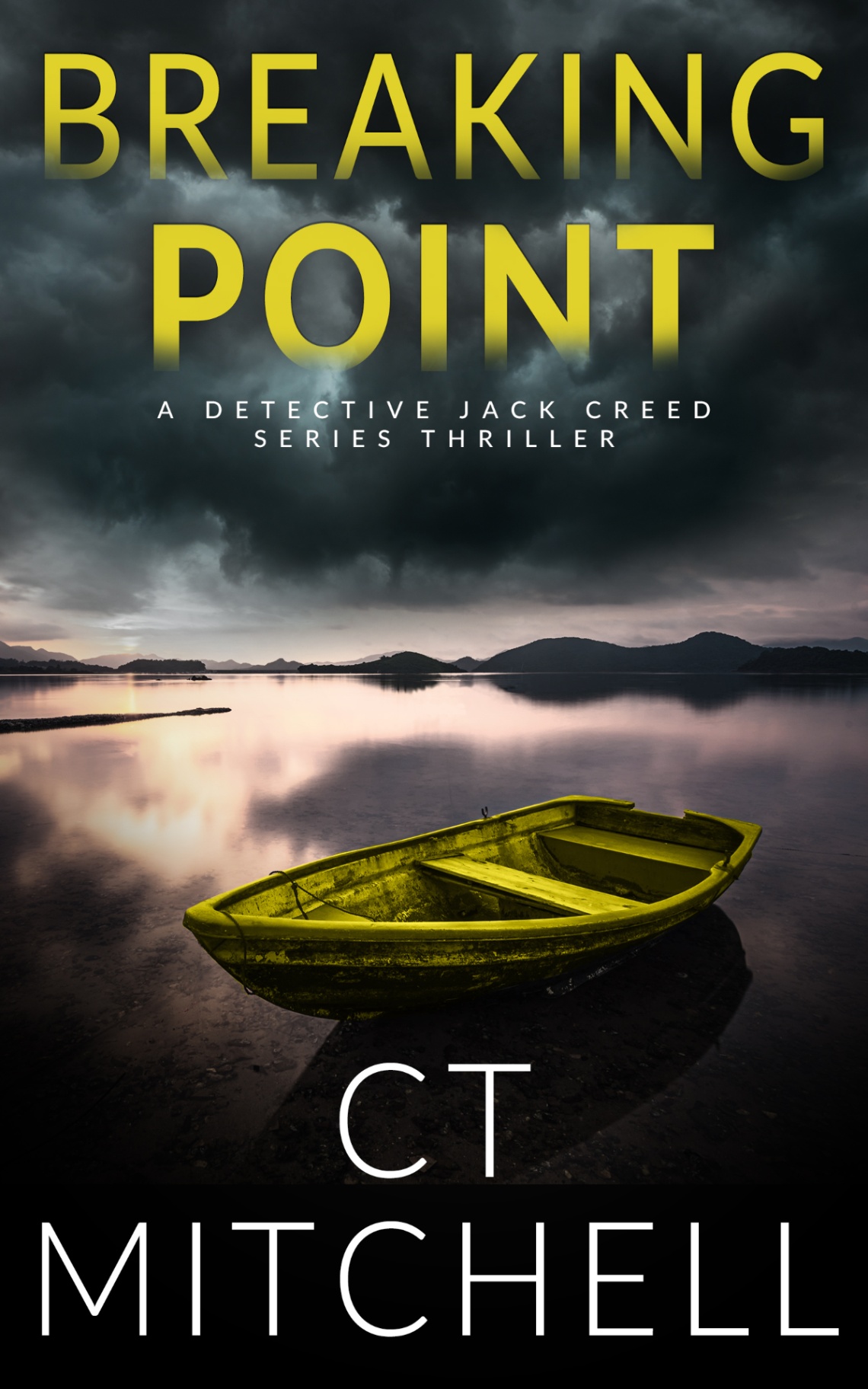
Murder at the Manor by CT Mitchell: ~200 pages [MYSTERY]
A country house party, a dead host, and a cast of guests with reasons to lie. Mitchell writes in short, chapter-driven prose designed to keep pages turning: each chapter closes with just enough unresolved tension to make the next one unavoidable. This is a practical slump-breaker for those who want plot momentum. For more on how these structures work, check out understanding mystery fiction terminology.
When you need something under 100 pages: the fastest possible fix
The real surprise? Sometimes even 150 pages feels like too much. When the slump is deep, you need the “win” of a finished book as quickly as possible.
Of Mice and Men by John Steinbeck: 112 pages [CLASSIC FICTION]
Steinbeck wrote this as a stage play in novel form, which gives it an almost musical economy: almost all dialogue, almost no wasted motion. The whole book can be read in two hours. For readers who need the achievement of finishing something to remember what reading feels like, this is the shortest path to that feeling.
Foster by Claire Keegan: 88 pages [LITERARY FICTION]
A young girl spends a summer with distant relatives in rural Ireland. That is the whole plot: and in 88 pages Keegan does more with restraint and precision than most novelists manage in 400. It is proof that short books can be completely serious literature. You can learn more about the benefits of short reads and why they pack such a punch.
Fresh Slump-Breakers: The Best of 2026
If you have already read the classics, the current publishing year has delivered some exceptional short-form options. Short story collections are particularly effective because they allow you to complete satisfying narratives in even shorter timeframes.
Brawler by Lauren Groff [RECENTLY RELEASED]
Groff offers nine stories spanning from the 1950s to the present. These stories explore the tension between humanity’s darker and lighter impulses. It is a strong choice if you want thematic depth without a long-form commitment.
The Age of Calamities: Stories by Seena Ahmad [RECENTLY RELEASED]
Released in January 2026, this debut collection reimagines history through speculative and absurdist tales. It blends wit with unease, making it perfect for breaking a slump caused by “boring” or predictable fiction.
Upcoming Releases to Watch:
- The News from Dublin by Colm Tóibín: Arriving March 31, 2026, featuring family dynamics and quiet revelations.
- Python’s Kiss by Louise Erdrich: Coming soon, this explores moments of crisis with visceral, page-turning narratives.
- It Will Come Back to You by Sigrid Nunez: Arriving July 14, 2026, gathering stories that balance gravity and levity.
How to Choose the Right Slump-Breaker for You
Not every slump requires the same book. Use these quick diagnostics to find your path back to the page:
- If you have not finished anything in months: Go as short as possible. Choose Foster (88 pages) or Of Mice and Men (112 pages). The goal is completion first, quality second.
- If you have a book hangover: Try The Alchemist or Convenience Store Woman. Both are tonally different from standard Western literary fiction and create their own self-contained worlds quickly.
- If you keep abandoning books at chapter three: You need immediate grip. Pick up And Then There Were None. Open it and see if you are still reading at page 20. If you enjoy the tension, you might also like 7 examples of thriller stories.
- If reading feels like an obligation: You need something warm. The No. 1 Ladies’ Detective Agency has no darkness and no heavy demands on your psyche.
Three Rules for Reading Your Way Out of a Slump
Rule 1: Give yourself permission to abandon. If a book has not grabbed you by page 50, put it down without guilt. A slump deepened by forcing through a book you are not enjoying is harder to break than the original slump. The right book for you right now is waiting; the wrong one is just in your way.
Rule 2: Do not aim for your best reading. A slump is not the time to tackle the 800-page historical epic you have been meaning to read for three years. It is the time to read something short, good, and likely to be finished. The ambition can come back once the habit is rebuilt.
Rule 3: Finishing counts. Reading a short book all the way through resets something in your brain. The satisfaction of completion, even of a small thing, rebuilds the forward momentum that a slump erodes. This is why short books are the consistent recommendation from editors and librarians alike. For those interested in writing their own, we have a guide on how to outline a short story.
Your Next Steps
Once you have finished one of these and feel the reading habit returning, you can explore more tailored lists to keep the momentum going. Whether you prefer short mystery books or want to understand what is flash fiction, the key is to keep the barrier to entry low.
Reading slumps end. They always end. The only question is whether you wait them out or read your way through them. The books on this page are the shortest path through to the other side. Pick one up tonight, set a timer for fifteen minutes, and see what happens. Your next great reading experience is closer than you think.