
Seasonal Reads
Best Seasonal Reads: One Perfect Short Book for Every Season (2026)
![[HERO] Best Seasonal Reads: One Perfect Short Book for Every Season (2026)](https://cdn.marblism.com/deT_HpOZyWF.webp)
Did you know that according to recent reading habit studies, over 50% of people who start a book never actually finish it? The real surprise? It is often not the book’s fault: it is the timing. Most readers approach their “To Be Read” pile as a random queue, picking whatever is on top regardless of the world outside their window. But there is a more effective way to ensure you actually reach the final page.
At The Short Reads, we have found that aligning your reading list with the calendar drastically increases completion rates. Some books belong to a particular time of year. Not because their content is strictly seasonal: not because they are set in winter or feature a summer garden: but because something in their atmosphere, their pace, or the feeling they produce matches the mood of a specific season.
The book that feels right in January is often wrong in June. The novel you could not get into in August may be exactly what October requires. This guide makes a simple argument: choosing a book seasonally | picking something calibrated to the light, the temperature, and the particular kind of time you have at that point in the year | produces better reading experiences than choosing at random.
You do not need a list of thirty options to feel overwhelmed. One book per season, chosen carefully, is more useful than a mountain of unread paper. What follows is a selection of four books for four seasons. Each one is short. Each one earns its seasonal placement through atmosphere: the feeling it produces and the reading conditions it suits.
The Core Seasonal Selection at a Glance
Spring: The Season of Renewal and Surprise
Spring reading is about renewal and surprise. The days are lengthening, the light is returning, and there is a particular energy in early spring | optimistic but not yet fully settled | that suits books with momentum and wit. Spring is the season for puzzles, for things coming to light, for stories where the resolution feels like a relief rather than a loss.
It is also, unmistakably, the season for Easter: for long weekends, for family gatherings, and for the particular pleasure of a mystery consumed over a bank holiday.
Murder at Easter by CT Mitchell
~200 pages | Cosy Mystery | Spring Perfect
An Easter weekend, a country gathering, and a body that was not supposed to be there. Mitchell’s cosy mystery is calibrated precisely for spring bank holiday reading. It features short chapters that work across an interrupted long weekend, a puzzle with enough genuine clues to make the solving satisfying, and a resolution that arrives cleanly before Sunday evening.
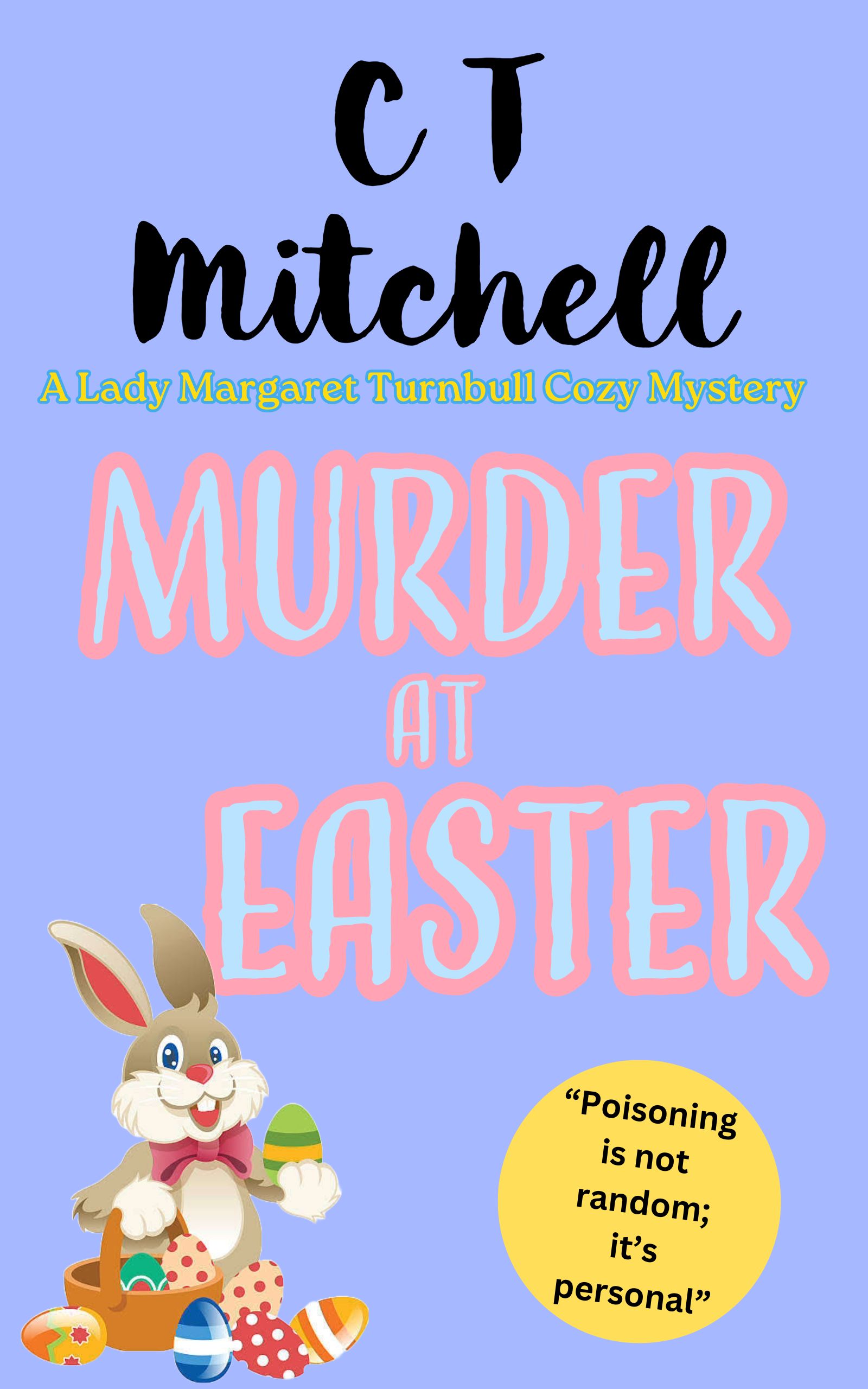
The atmosphere is warm without being saccharine: Mitchell writes the English countryside with affection but not sentimentality. This is the book for the Easter weekend when you want something that fits the holiday like a glove. It is seasonal without being gimmicky and short enough to finish before the chocolate runs out.
The real surprise? The cosy mystery is structurally a spring genre. Unlike winter, which suits darker fiction, or summer, which suits breathless pace, spring is the season of things coming to light. Longer days reveal what the winter concealed. If you are interested in how these stories are built, you might enjoy our guide on short mystery writing tips.
Summer: Momentum and High Heat
Summer reading has a reputation it does not quite deserve. You might think the “beach read” label implies something lightweight or disposable, but the best summer books are not slight: they are propulsive. They move with the same energy as the season: fast, warm, and difficult to put down.
Summer is the season for pace. It is the time for the book that disappears in two sittings because the conditions | more time, more permission to read | make absorption easy. The summer book should not require hard work: it should make the work invisible.
And Then There Were None by Agatha Christie
264 pages | Mystery | Summer Propulsive
Ten strangers are invited to an island with no way off. One by one they die, in the order predicted by a nursery rhyme. Christie’s most mechanically perfect novel is the summer read for the reader who believes literary quality and propulsive pace are incompatible. This book proves otherwise on every page.
The short chapters make it genuinely impossible to choose a stopping point. At 264 pages, most readers finish it in a single long summer day without noticing the hours pass. It is absorbing, satisfying, and complete.

Why summer? Christie belongs to summer the way Dickens belongs to Christmas. And Then There Were None is a book for sustained, uninterrupted reading. You need a block of time to let it work properly, and summer provides that block | a long afternoon, a beach day, or a week where the evenings last until ten. The novel’s pace is calibrated for the kind of reading summer allows. For those who want more high-stakes examples, check out these 7 examples of thriller stories to see why suspense matters during the hotter months.
Autumn: Atmosphere and the Uncanny
Autumn is the season for atmosphere. Not horror exactly | though horror fits autumn well | but the broader quality of the uncanny: the sense that something is not quite right beneath the surface of ordinary life. As the days shorten and the year begins to close, we crave books that create dread through atmosphere rather than just events. These are the books you read with the curtains closed and something warm in your hands.
We Have Always Lived in the Castle by Shirley Jackson
146 pages | Gothic Fiction | Autumn Atmospheric
Merricat Blackwood lives with her sister Constance and their uncle Julian in a family house on the edge of a village that despises them. Most of the Blackwood family died of arsenic poisoning six years ago. Constance was tried and acquitted. Merricat narrates the novel with a voice so precisely calibrated | matter-of-fact, ritualistic, and quietly menacing | that the book operates as both a character study and slow horror.
At 146 pages, Jackson’s shortest novel is also her most concentrated. It is dark without being gratuitous and unsettling without being explicit. It is the atmospheric novel that autumn demands.
Why autumn? Jackson’s novel is set in a perpetual autumnal atmosphere. The light in it is always oblique and the air always slightly threatening. But the deeper reason is structural: this is a slow-build novel that accumulates dread. Autumn reading has more patience than summer reading, allowing the novel’s particular rhythm | quiet, then queasy, then suddenly frightening | to work as intended. You can explore more about this genre in our psychological thriller tips for every reader.
Winter: Endurance and Meaning
Winter reading is about endurance and meaning. There is a quality to winter | the sense of being inside while the dark presses against the windows | that suits books which ask large questions quietly. The best winter reads are not necessarily cosy: they are substantial. They give you something to think about during the long evenings, something that outlasts the reading session itself.
Man’s Search for Meaning by Viktor Frankl
154 pages | Memoir / Philosophy | Winter Essential
Viktor Frankl was an Austrian psychiatrist who survived four Nazi concentration camps. This book is his account of that survival | what it looked like from the inside and what it revealed about the human capacity to endure. The second half introduces logotherapy: Frankl’s framework for understanding human beings as creatures who require meaning, not merely pleasure or comfort.
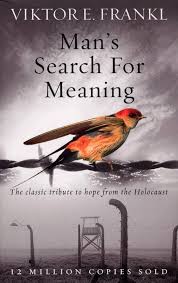
At 154 pages, this is one of the shortest books ever to carry this much weight. It is the winter read because it is a book about surviving the hardest possible conditions and finding a reason to continue. It does not offer comfort easily: it offers something more durable.
Why winter? Frankl’s book belongs to winter because winter is the season when larger questions become harder to avoid. What is the point of things? How do you keep going when conditions are against you? Man’s Search for Meaning addresses these questions directly. Read in winter, when the dark is actual rather than metaphorical, it lands differently. This is one of the many benefits of short reads for busy people | you can tackle profound topics in a single weekend.
The Psychology of Seasonal Reading
The argument for seasonal reading is not that you should only read certain books at certain times. Rather, it is that timing a book correctly can transform it. A book that feels flat or slow in the wrong season can feel essential in the right one. The atmosphere outside becomes part of the atmosphere inside the book, and the two reinforce each other.
Quick Summary: Why Timing Matters
- Environmental Immersion: Reading a mystery like Christie’s during a heatwave heightens the “trapped” feeling of the characters.
- Cognitive Load: We generally have more patience for heavy philosophy (like Frankl) during the slow-moving winter months.
- Pacing Alignment: The fast-paced “beach read” matches the high-energy social calendar of summer.

What to Read Next
If you are ready to build your own seasonal library, we have categorized our most popular guides to help you find your next short read:
- Short Mystery Books: If Murder at Easter or And Then There Were None sent you toward more crime fiction.
- Short Horror Books: If We Have Always Lived in the Castle sent you toward more unsettling fiction.
- Short Reads for Busy People: If you are looking for more short reads benefits for busy people who want to finish what they start.
- Weekend Reads: If you want books chosen for the rhythm of a two-day window rather than a full season.
Four seasons, four books. The year has a shape, and reading gives it one more layer. It is not just about what happened in your life, but what you were reading when it did. The books on this page are chosen to make that layer as good as it can be.
Ready to start your seasonal journey? Browse our latest collection of short mystery novellas and find the perfect match for the weather outside today.