Books for Non-Readers: Short Books
That Actually Stick
You might think that reading is a talent you either have or you do not. The real surprise? Most people who consider themselves non-readers are actually just victims of bad timing or even worse book choices. According to a 2024 survey, 57% of adults who identify as non-readers cite boring content as their primary reason for avoiding books. This suggests that the problem is not a lack of ability, but a lack of engagement.
You are not a reader. Or at least, that is what you have always told yourself. Maybe you have not voluntarily picked up a book since school. Maybe you used to read and somewhere along the way you just… stopped. Maybe reading feels like something other people do: smarter people, or people with more time, or people who simply are not you.
This page is for you. Not the idea of you as a reader. You, as you are right now. Every book on this list was chosen with one question in mind: could someone who genuinely does not read finish this and actually enjoy it? Short chapters. A story or idea that pulls. No homework. No literary prize-winning density. Just books that earn your attention and do not waste it. They are all short. Most are under 200 pages. Some you can finish in a single afternoon. And that is entirely the point.
Why You Are Not a Reader (And Why That Is About to Change)
There are roughly three ways people arrive at not reading, and each one is worth naming honestly: because the fix looks a little different for each.
I never really got into it as a kid
This is more common than you would think, and it is almost never about intelligence. What it is usually about is the books. The books assigned in school are often brilliant pieces of literature that are absolutely terrible for making people fall in love with reading. Great Expectations at 14. Lord of the Flies. Wuthering Heights. These books were not selected to create readers. They were selected to teach analytical skills and literary history.
As mentioned, that 2024 survey found that most people formed their negative opinion of reading in a classroom. The books on this list were chosen on completely different criteria. If you did not find it as a kid, that is not a verdict on you.

I used to read, then life got in the way
This one is almost universal. A move. A new job. A relationship. Kids. The habit broke and at some point it stopped feeling worth trying to restart. The problem is not motivation: it is the re-entry point. Coming back to reading after a long break by attempting a 500-page novel is like returning to running by signing up for a marathon. The short books on this list are designed to be a reachable distance. You finish one and something shifts.
Readers who come back to books after long breaks consistently report that it was a short, compulsive read that unlocked the habit again, not a worthy, dutiful one. One blogger described finishing a short mystery in a single Sunday and feeling like they had discovered something they had lost. That is the experience we are trying to give you.
Reading just isn’t for people like me
This is the one that needs the most direct response: that belief is wrong, and it was almost certainly put there by someone else. Usually a teacher, a parent, a sibling, or years of watching other people seem effortlessly engaged by books while you were not.
Reading is not an aptitude. It is a match. The right book for the right person at the right moment is genuinely one of the most absorbing experiences available to a human being. The only reason you have not had that experience is that no one has yet found you the right book. That is what this page is attempting to do. You can find more targeted options at theshortreads.com.
Where to Start: Our Best Books for Non-Readers
These are not the books that critics love most. They are the books that convert people. Chosen for pace, pull, and the specific quality of making 100 pages feel like 20.
If you want something gripping from the first page
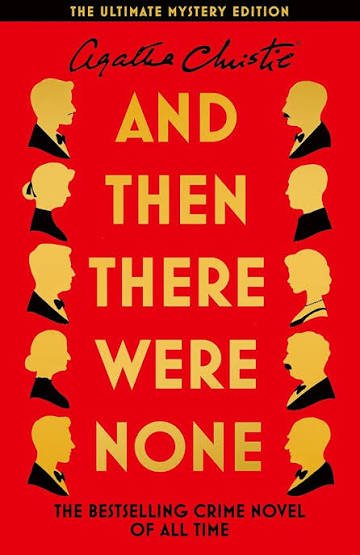
And Then There Were None by Agatha Christie (264 pages)
Ten strangers are lured to an isolated island. One by one, they start dying. Christie writes in the clearest, most propulsive prose imaginable: no wasted words, no slow passages, just a plot that moves like a locked-room mechanism. Consistently named by reluctant readers as the book that made them realize they actually do like reading. Christie fans often say: if you only read one of her books, make it this one.
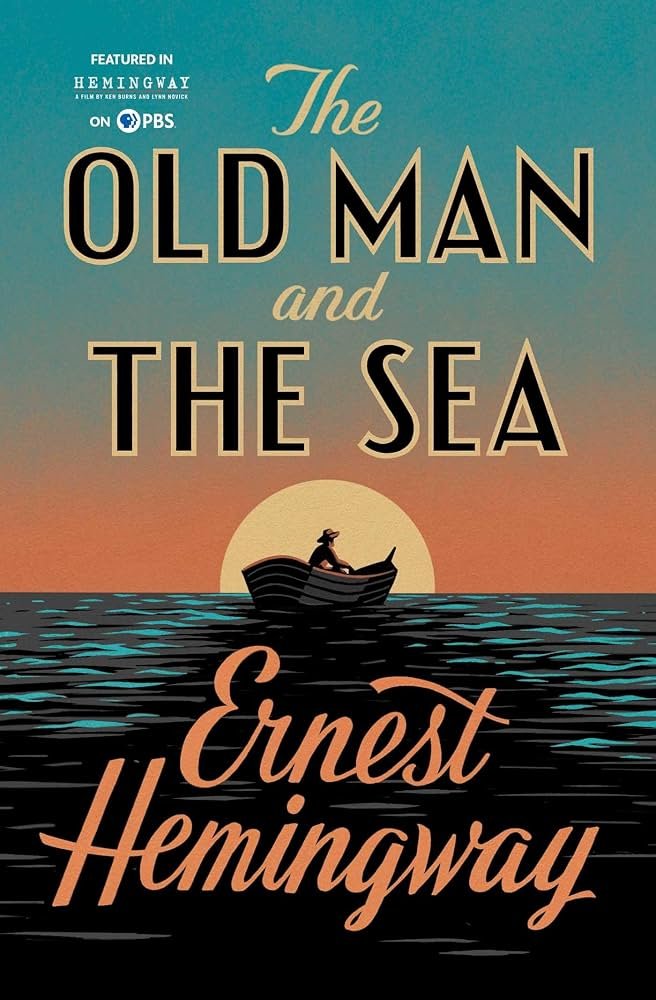
The Old Man and the Sea by Ernest Hemingway (127 pages)
An old Cuban fisherman hooks the greatest marlin of his life and refuses to let go. That is the whole plot and it is one of the most quietly gripping things ever written. Hemingway’s sentences are famously short and clean. Nothing is complicated. Everything is felt. This is a book that makes people who claim to hate “literary fiction” reconsider what that term even means.
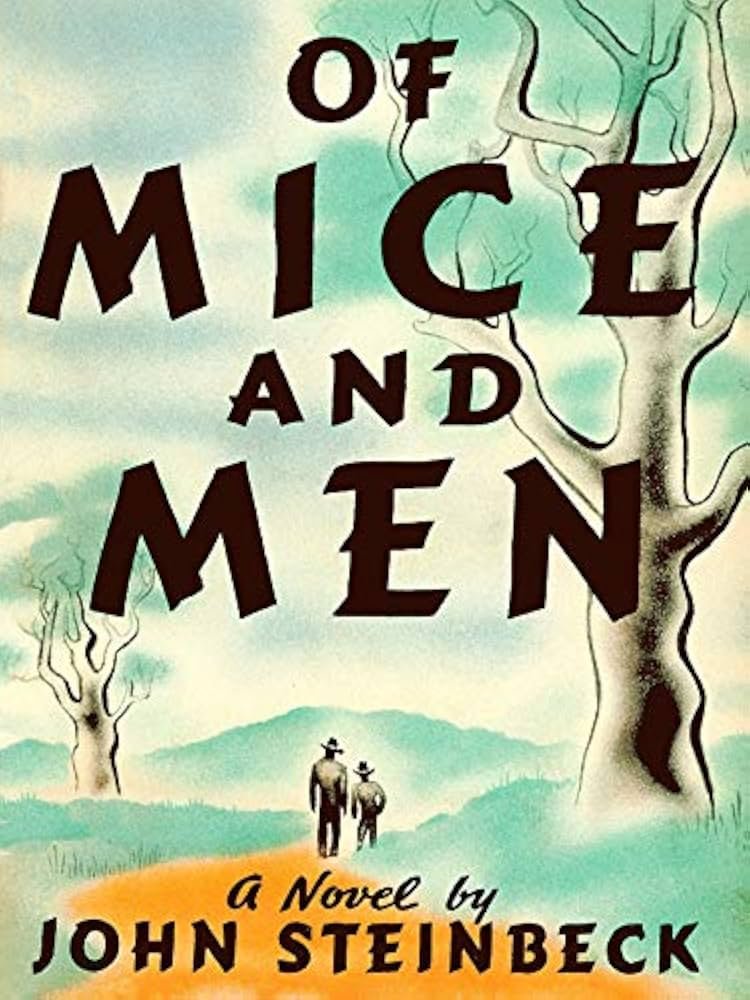
Of Mice and Men by John Steinbeck (112 pages)
Two migrant workers in Depression-era California dream of a small farm of their own. Steinbeck writes in plain, spoken language. The whole book takes three sittings at most. It is the rare short book that feels genuinely complete: not like a novel that was cut short, but like something that contains exactly what it needs to.
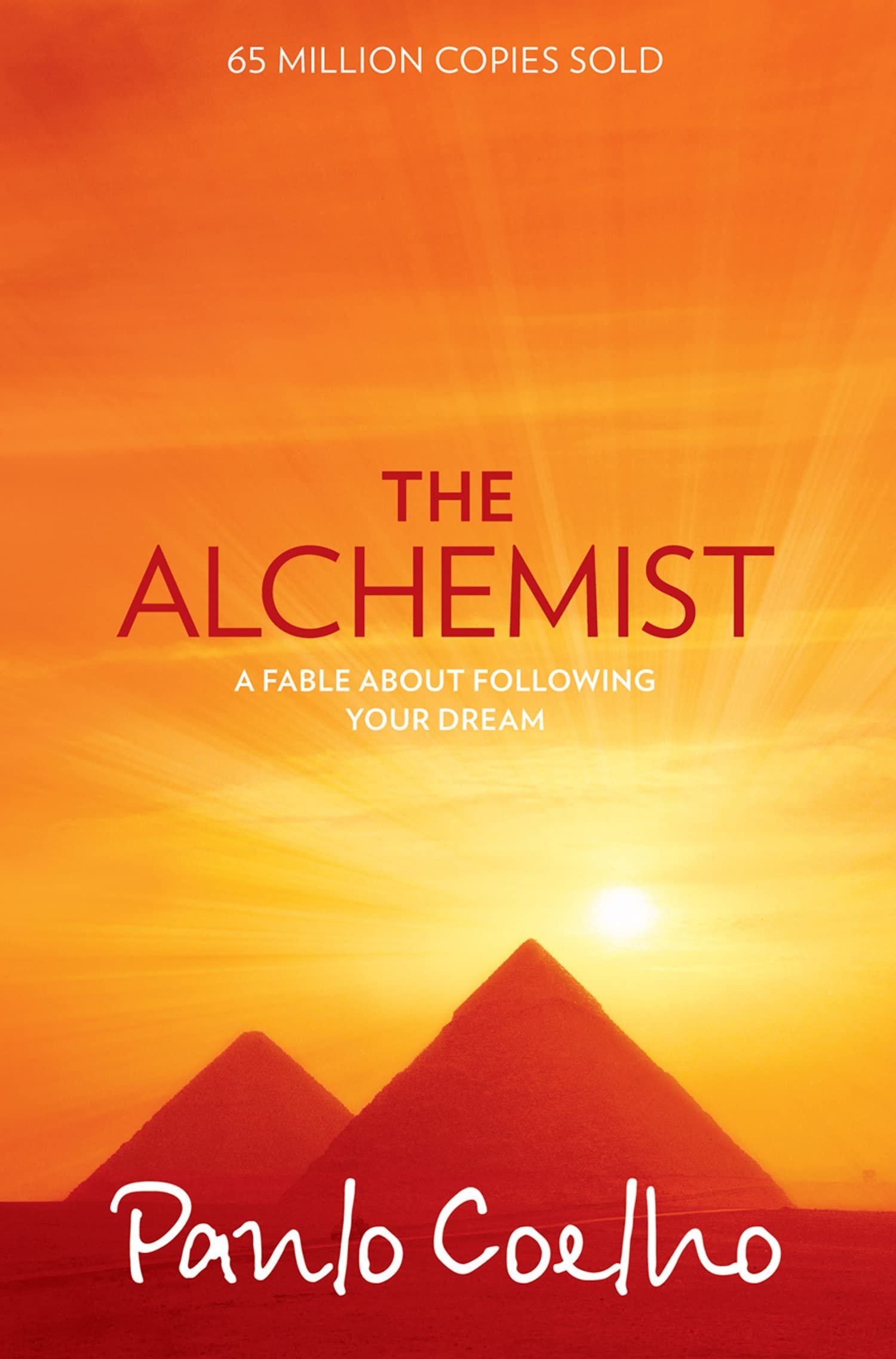
The Alchemist by Paulo Coelho
(163 pages)
A Spanish shepherd follows a dream across the Sahara. Coelho writes in simple, fable-like prose that reads almost like a conversation. People who struggle with “getting into” fiction often find this one bypasses that resistance entirely. Over 65 million copies sold across 80 languages: there is a reason it keeps finding new readers.
If you want something closer to a thriller or mystery
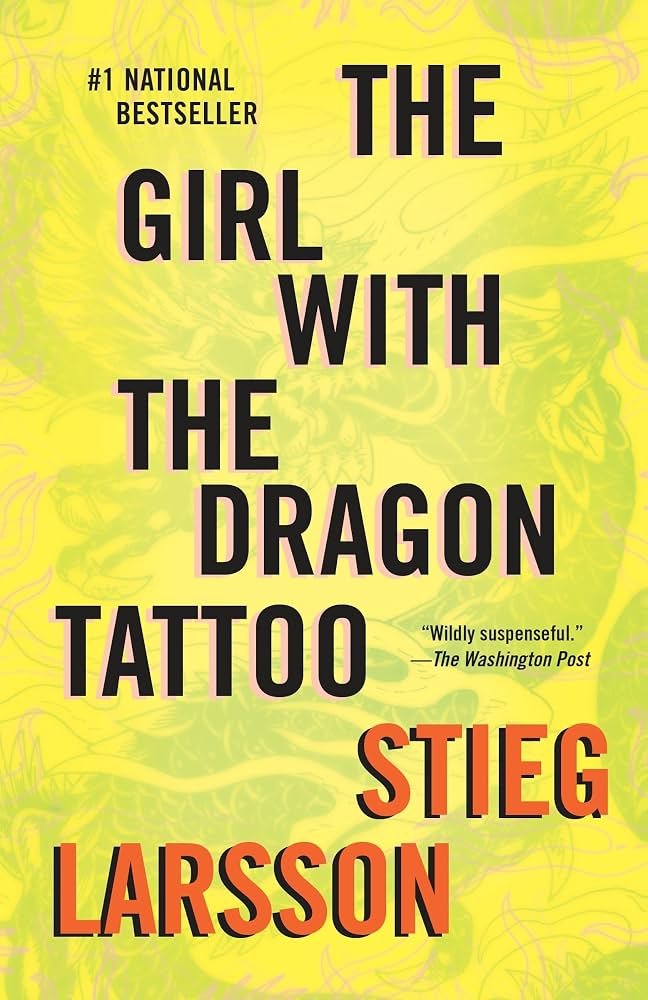
The Girl with the Dragon Tattoo (100 pages) by Stieg Larsson (This one’s long)
We are including it with a caveat: the full book is 600+ pages and not short. But readers who gave up on books years ago consistently name the first 100 pages of this as the thing that pulled them back in. If you find yourself still reading past page 50, you have your answer about what kind of reader you actually are. Then come back and find a shorter mystery to finish first at our mystery bookstore.
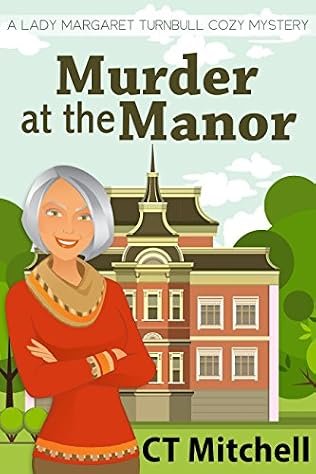
Murder at the Manor by CT Mitchell (200 pages)
A weekend house party in the English countryside turns deadly when the host is found murdered. Mitchell writes in short, punchy chapters with a cast of immediately suspicious characters and a pace that does not let up. This is the kind of mystery that reminds you why the genre exists: the puzzle matters, but so do the people. Perfect for readers who want something that feels like a well-plotted television drama.
The No. 1 Ladies’ Detective Agency by Alexander McCall Smith
(226 pages)
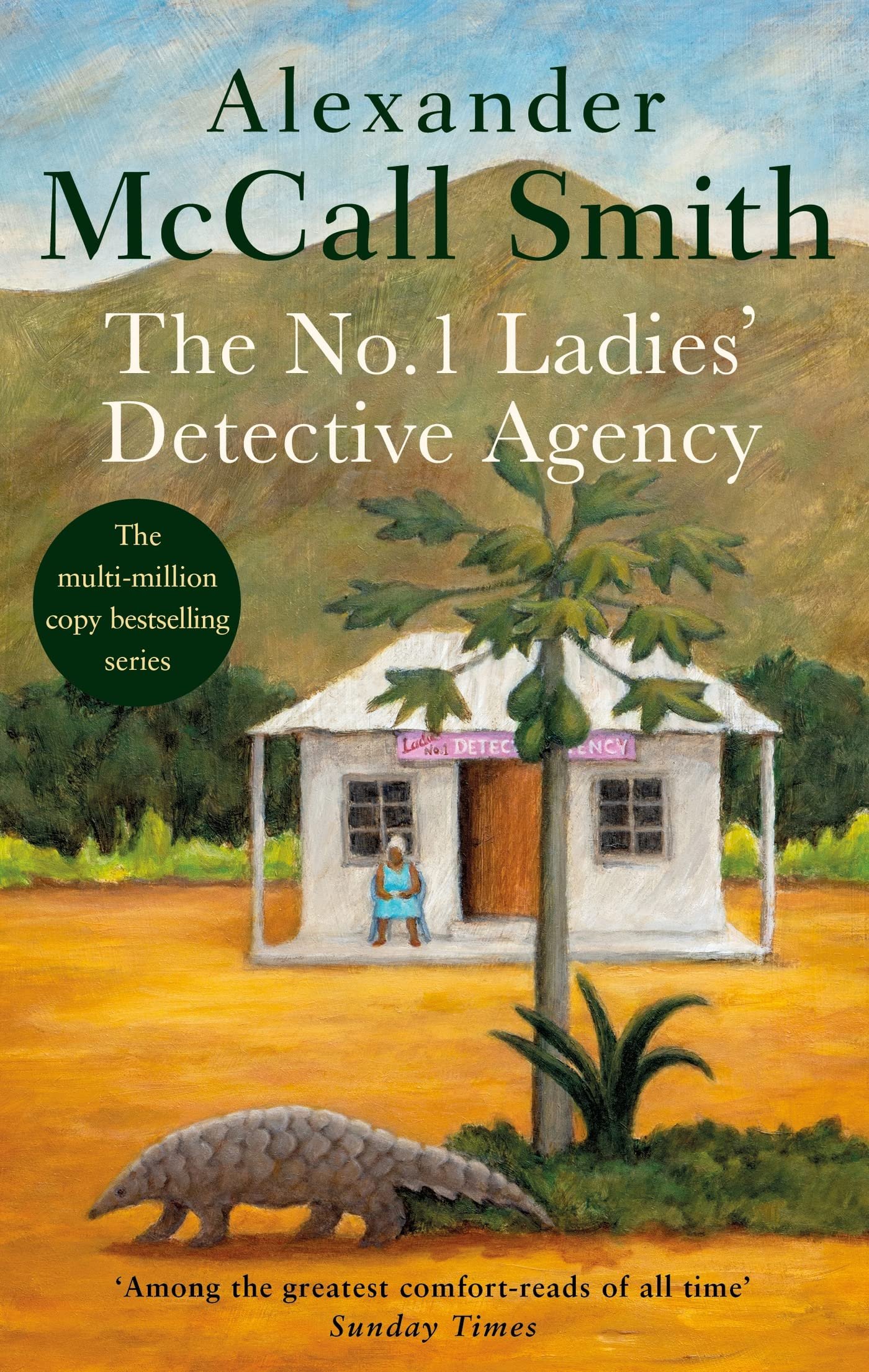
Precious Ramotswe sets up Botswana’s only female-run detective agency and takes on cases that are less about murder and more about human nature. The writing is warm, unhurried, and unexpectedly funny. Readers who say they “don’t like books” often find this one does not feel like reading at all: more like spending time with someone they enjoy.
If non-fiction feels more honest to you.
Some people who avoid fiction are not actually non-readers: they just have not been told that non-fiction counts. If you would rather read something true, here are the best short options:
Murder at the Manor by CT Mitchell (200 pages)
A weekend house party in the English countryside turns deadly when the host is found murdered. Mitchell writes in short, punchy chapters with a cast of immediately suspicious characters and a pace that does not let up. This is the kind of mystery that reminds you why the genre exists: the puzzle matters, but so do the people. Perfect for readers who want something that feels like a well-plotted television drama.

2026 Breakthroughs: New Short Reads to Watch
As we move through 2026, several new titles have emerged that perfect the “one-sitting” requirement. Research into recent publishing trends shows that major authors are returning to the novella format to combat digital fatigue.
1. The Final Score by Don Winslow: A masterful collection of six short novels. Winslow has always had a deft touch with shorter forms, and the title story about a master thief facing the end of his road is a masterclass in pacing.
2. The Murder at World’s End by Ross Montgomery: Released in early 2026, this is the epitome of the modern cozy. It features a fun, locked-room mystery with plenty of amateur sleuthing that feels fresh yet traditional.
3. The Best Mystery Stories of the Year 2026 (Edited by Tess Gerritsen): If you cannot decide on one author, this anthology curates the absolute best short mystery fiction of the year. It is the perfect entry point for discovering new voices in the genre.
Short Mysteries for Specific Moods
When you want something warm and funny
The No. 1 Ladies’ Detective Agency by Alexander McCall Smith (226 pages): Precious Ramotswe establishes Botswana’s only female detective agency and takes on cases that are less about violence and more about human nature. McCall Smith writes with such genuine affection for his characters and setting that the book works as an antidote to almost any kind of stress.
When you want something clever and slightly unsettling
And Then There Were None by Agatha Christie (264 pages): ten strangers on an island, one by one. The most commercially successful mystery novel ever written, and still the most perfectly constructed. Christie’s prose is frictionless: you don’t notice the quality of the writing because it never slows you down.
When you want something literary that happens to be a thriller
The Hound of the Baskervilles by Arthur Conan Doyle (256 pages): a family curse, a spectral hellhound, and the fog-wreathed landscape of Dartmoor. Conan Doyle was not always a spare writer but the Sherlock Holmes novels are lean by his standards, and Baskervilles is the best of them.