
How to Write a Novella
The Ultimate Guide to Short, Sharp, and Irresistible Fiction
In researching how to write a novella, we discovered that in 2023, a single tweet from a fan account named “Bigolas Dickolas” sent a 2019 novella to the top of the Amazon bestseller charts overnight? The book was This Is How You Lose the Time War, and its sudden explosion proved something we at The Short Reads have known for years: The world is starving for stories they can actually finish.
In an age where our attention spans are being sliced and diced by 15-second TikToks, the 800-page epic fantasy novel is starting to look less like a hobby and more like a chore. Enter the novella. It’s the “Goldilocks” of the literary world: not too short, not too long, but just right.
If you’ve ever wanted to write a shortened book that packs the emotional wallop of a Russian classic but fits into a morning commute, you’re in the right place. Let’s dive into how to master the novella.
The Bigolas Dickolas Effect: Why Shorter is Winning
You might think that “bigger is better” when it comes to books. Historically, the “Great American Novel” was expected to be a doorstop. But the real surprise? Novellas are currently winning the attention economy.
The “Bigolas Dickolas” effect wasn’t just a fluke of the internet; it was a symptom of a massive shift in consumer behavior. Readers today crave the “dopamine hit” of completion. This is what we call reading self-esteem. There is a unique psychological satisfaction in closing a book and saying, “I finished that today.”
For many non-readers or busy professionals, a 100,000-word novel feels like a mountain they aren’t equipped to climb. A novella, however, is a manageable hill with a spectacular view. Whether it’s short mystery books under 100 pages or high-octane kindle short reads, the demand for “fast fiction” is skyrocketing.
The ‘Goldilocks’ Length: Finding Your Sweet Spot
A novella typically sits between 20,000 and 40,000 words. Anything less is a short story; anything more is a novel. But don’t let the word count fool you. A novella isn’t just a “thin” novel or a “bloated” short story. It is its own distinct beast.
The A-Plot Focus
While a novel has the luxury of subplots, sprawling casts, and three-chapter descriptions of the weather, a novella is minimalist. You need to focus almost exclusively on the A-Plot.
- The Protagonist: One main character. Maybe two if they are trapped in a room together.
- The Conflict: One central problem that demands immediate attention.
- The Setting: Limited. We don’t need a map of the entire kingdom; we just need to know the layout of the castle.
If you are writing easy read mystery books, your detective shouldn’t be dealing with a divorce, a gambling debt, and a murder. Just give us the murder and the brilliant way they solve it.
The ‘Building Block’ Method: Stacking Your Story
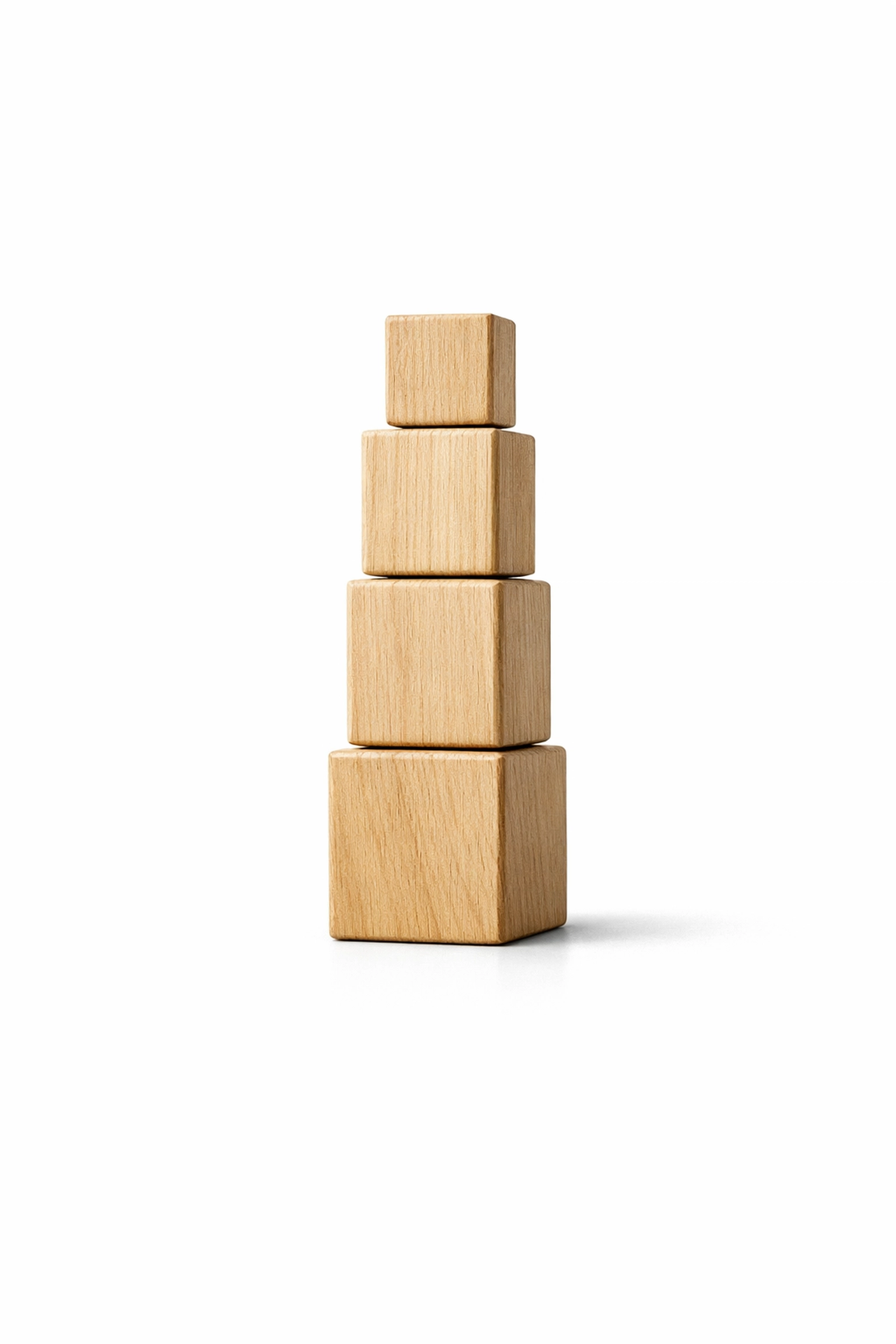
How do you actually write the thing without getting lost in the weeds? We recommend the Building Block Method. Instead of looking at the novella as one continuous flow, treat it as a series of high-impact scenes: or “blocks”: that stack on top of one another.
- The Inciting Incident (The First Block): In a novella, this needs to happen early. Usually within the first 1,000 to 2,000 words.
- The Escalation Blocks: Each scene must move the plot forward. There is no room for “filler.” If a scene doesn’t raise the stakes or reveal a critical character flaw, cut it.
- The Climax (The Capstone): This is the ultimate payoff. Because the journey was shorter, the climax needs to be sharper.
This method is particularly effective for psychological thriller short stories. By stacking tension-filled blocks, you create a sense of claustrophobia and momentum that is hard to achieve in a longer book.
Making a Short Story Feel Like a Full Book
One common fear writers have is that a novella will feel “unfinished.” How do you make a shortened book feel like a meal rather than a snack? The secret lies in Character Depth and Micro-Setting Details.
Character Depth over Character History
You don’t need to give us a character’s entire childhood to make them feel real. Instead, focus on a single, burning desire and a single, crippling fear. In a novella, the “arc” is often internal. The character might not change the world, but the events of the story should fundamentally change them.
Micro-Setting Details
Rather than describing an entire city, describe the specific way the light hits the cracked linoleum in the protagonist’s kitchen. One vivid, sensory detail is worth a thousand adjectives. This creates an immersive experience that makes the reader forget they are reading something “short.”
For tips on how to balance this, check out our guide on understanding short story structure.
The Psychology of the “Easy Read”
Why are short reads vs novels becoming the go-to for modern audiences? It’s about accessibility.
At The Short Reads, we specialize in turning non-readers into readers. Typically, a person who hasn’t picked up a book in years is intimidated by the sheer volume of words in a standard thriller. But when they see short mystery books under 100 pages, the barrier to entry vanishes.
Quick Summary: Why Novellas Work
Mastering Genre-Specific Novellas
If you want to outrank the competition and actually sell your work, you need to know what the “Kindle Short Reads” audience is looking for.
1. Short Mystery Books Under 100 Pages
In the mystery genre, readers want a puzzle. They don’t need the detective’s life story; they want the clues. Focus on the “closed circle” mystery: a limited number of suspects in a confined location. This is why mystery short stories examples are so popular; they provide a pure “whodunit” hit.
2. Psychological Thriller Short Stories
The goal here is mental tension. Use unreliable narrators and tight internal monologues. Because the reader is only with the character for 20,000 words, you can make that character extremely intense without exhausting the audience.
Conclusion: Start Small, Finish Big
The real secret to writing a novella? Stop trying to write a novel and failing.
Many writers start with a 100,000-word goal, get discouraged at the 30,000-word mark, and abandon the project. The real surprise? If you had aimed for a novella, you would have a finished, polished, and publishable book in your hands right now.
Novellas are the future of entertainment. They respect the reader’s time while delivering the emotional punch they crave. Whether you’re writing easy read mystery books or gritty thrillers, the novella format is your ticket to a loyal, engaged audience.
Ready to start your journey? Explore our collection of benefits of short reads to see how we’re changing the way the world reads: one short book at a time.
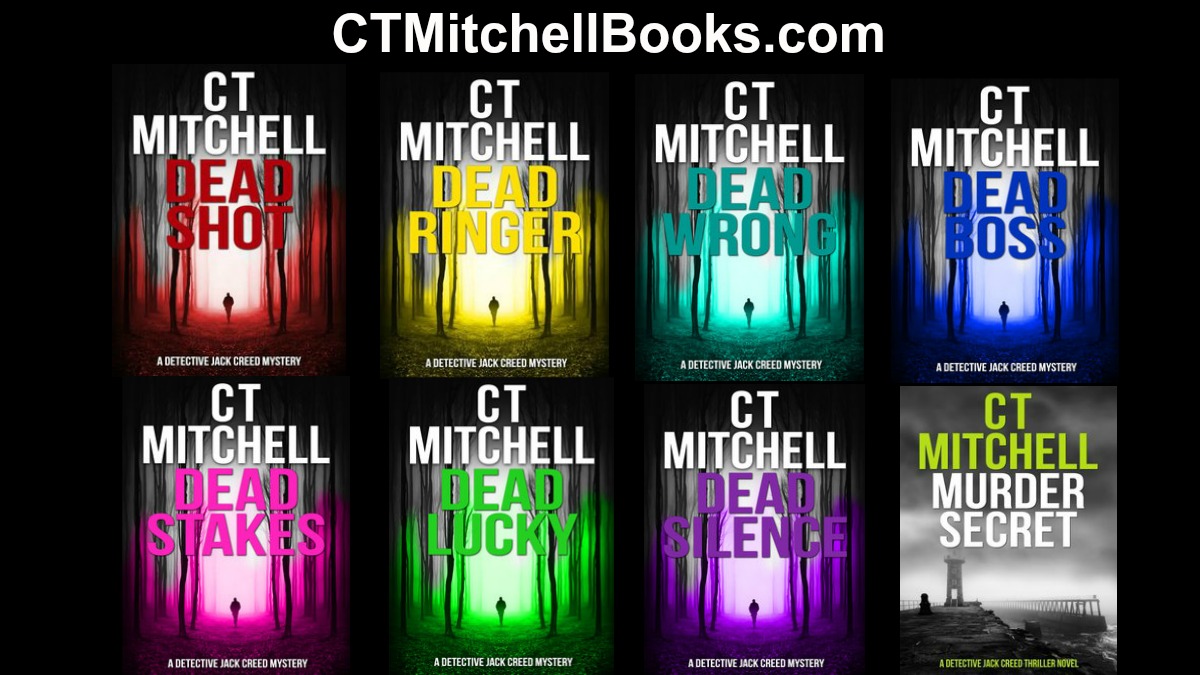
Want to see a novella in action? Download one of our Detective Jack Creed mysteries and see how we pack a full-scale investigation into a sharp, “shortened book” format. Happy writing!
Share


