Category Archives for Benefits of Reading
Concentration for Reading

Can’t Concentrate on Books Anymore? Try These
![[HERO] Can’t Concentrate on Books Anymore? Try These](https://cdn.marblism.com/FAmjvtHxuqr.webp)
You sit down with a book. You read the first paragraph. You read it again. Your eyes move across the third sentence and somewhere around the middle of it your mind has already slipped sideways: to your to-do list, to something someone said last week, to the vague pull of your phone face-down on the table.
You put the book down. You open Instagram. You feel vaguely terrible about yourself.
The real surprise? You are not alone and you are not broken. Recent studies suggest that the average attention span on any single screen has plummeted to just 47 seconds | a staggering decline from the 2.5 minutes we averaged twenty years ago. Something has fundamentally changed in how your brain processes sustained attention, but the good news is that it can change back.
This is a comprehensive guide to rebuilding your reading brain. It is not a quick listicle because the problem deserves a real answer. If you want to find your way back to the joy of a shortened book, you need to understand the science, the environment, and the strategy.
What’s Actually Happening in Your Brain
The capacity for deep, sustained reading isn’t innate. It’s a skill the brain learns | one that neuroscientist Maryanne Wolf calls the “reading circuit.” This circuit, once built, allows you to do something extraordinary: to move fluidly between decoding words, visualizing scenes, making inferences, and holding a narrative thread across hundreds of pages.
It takes years to build. And it can be substantially degraded in a much shorter time.
The mechanism at play here is attention. Specifically, the ability to hold focus on a single stimulus for an extended period without seeking novelty. This is often called cognitive patience, and it is precisely what a decade of smartphone use systematically trains out of you.
Social media platforms are engineered | with significant investment and expertise | to make novelty-seeking feel urgent. Infinite scroll removes natural stopping points. Variable reward schedules keep you pulling for the next hit of dopamine. The result is a brain that has become very good at shallow, fast, multi-threaded attention, and increasingly uncomfortable with the slow, single-threaded focus that reading requires.
The Environment: Reclaiming Your Space
Before we talk about books or techniques, we have to talk about your environment. Trying to build reading focus in a room filled with digital triggers is like trying to get fit while living in a bakery. It is technically possible, but it is unnecessarily hard.
Your phone is the primary obstacle.
Not in a moralizing way | just mechanically. Research has shown that the mere presence of a smartphone on a desk, even if it is face-down and silent, reduces available working memory. Your brain is spending resources managing the temptation, even when you aren’t acting on it.
To fix this:
- The phone must leave the room. Not be silenced. Not be face-down. Leave the room.
- Schedule your reading. You will not “find” time to read. Reading time has to be protected and treated like a meeting you cannot cancel.
- Make it boring. No TV in the background. No music with lyrics. The goal is to make the book the most interesting thing in your immediate vicinity.

Many readers find that creating a dedicated “reading nook” helps create a conditioned response. When you sit in that specific chair, your brain begins to realize: Oh, we are doing the deep focus thing now. This is why benefits of short reads often include a reduction in daily stress levels | it’s a forced meditation.
Choosing the Right Books Right Now
This is where most well-meaning advice fails. People are often told to “read whatever you enjoy,” but what you enjoy in theory | like dense historical tomes | might be a mismatch for your current attention span.
Think of it like physical rehabilitation. You don’t start with heavy weights. You build capacity with a shortened book or short reads that offer high momentum.
Start with Momentum, Not Prestige
The single most important quality in a book for someone rebuilding focus is narrative momentum. You want the kind of book that makes you feel like you are being pulled through the pages. For this, easy read mystery books and psychological thriller short stories are perfect. They provide the immediate reward your brain is currently wired to seek.
Short Chapters are Your Friend
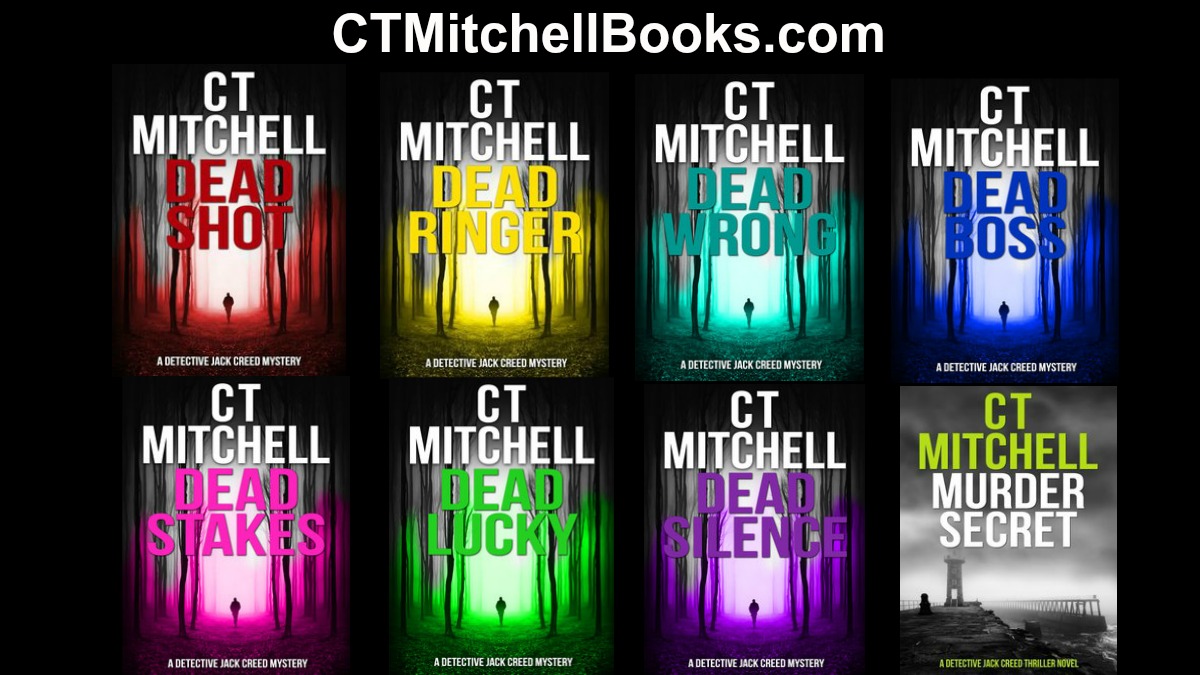
There is a reason writers like C.T. Mitchell have sold so many books: the chapters are designed to keep you moving. When chapters are only three to five pages long, each one ends on a note that makes you want to start the next. This structure creates a series of small wins. It is a scaffold for your attention that you will eventually be able to remove.
The Role of Novellas
If you feel overwhelmed by a 400-page novel, try a novella. Understanding the role of novellas in fiction is key to realizing they aren’t “lesser” stories | they are simply more concentrated. A short read allows you to finish a whole story in one or two sittings, providing that vital sense of accomplishment.
Techniques That Actually Work
Environment and book choice get you most of the way there, but these specific techniques can bridge the final gap:
- The Twenty-Minute Rule: Commit to reading for twenty minutes before you allow yourself to stop. It takes about ten minutes for the “digital buzz” in your brain to quiet down. Pushing through that friction point is where the growth happens.
- Read Before You Scroll: The order of your morning matters. If you check social media first, your brain enters fast-twitch mode. If you read a chapter of a book first, you are setting a different neurological tone for the day.
- Use a Physical Bookmark: Watching that bookmark move through the physical pages provides a tangible sense of progress that a percentage on a screen simply cannot replicate.
- Re-read Without Guilt: When your mind wanders, go back. Don’t push forward. Re-reading the paragraph you drifted through trains your brain that wandering has a cost. Over time, this reduces the frequency of your mind slipping away.
The Long Game: When the Shift Happens
The timeline for rebuilding a degraded attention circuit is measured in weeks and months, not days. Expect the first two weeks to feel like work. You might think, “This isn’t working,” or “I’m just not a reader anymore.”
You might think… but you would be wrong. Around week six or eight of consistent practice, a shift occurs. It is the moment when you pick up a book and the resistance is gone. An hour passes and you haven’t checked the clock. You find yourself thinking about the characters while you’re doing the dishes. That is the circuit re-establishing itself.
What to Read First: Recommended Kindle Short Reads
If you are ready to start today, pick a shortened book about a topic that genuinely excites you. If you need a high-stakes, fast-paced entry point, look toward specialized kindle short reads.
For people who want something fast and gripping:
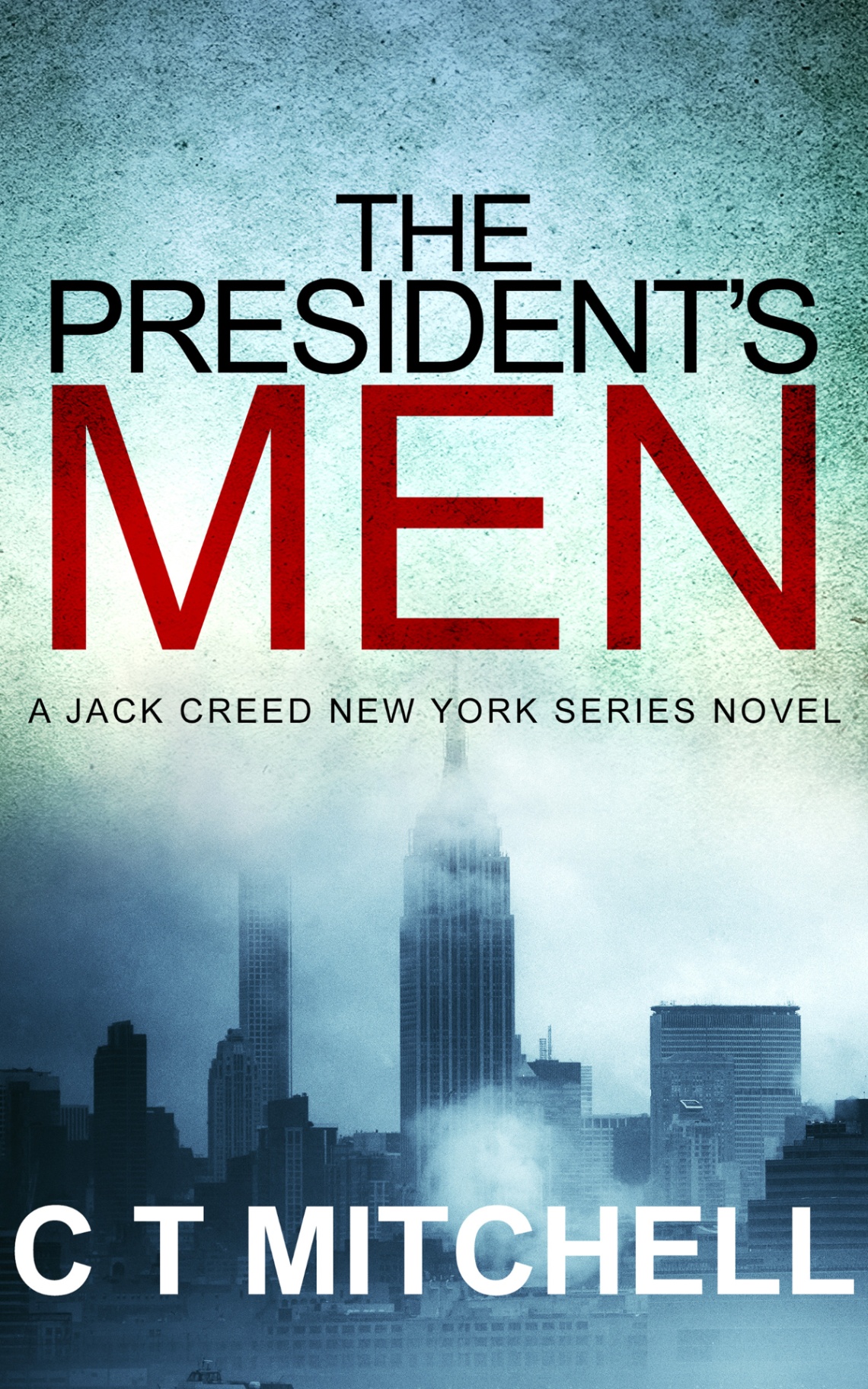
- The President’s Men by C.T. Mitchell: A fast-paced Jack Creed New York series novella. It is bold, suspenseful, and designed for quick, high-impact reading.
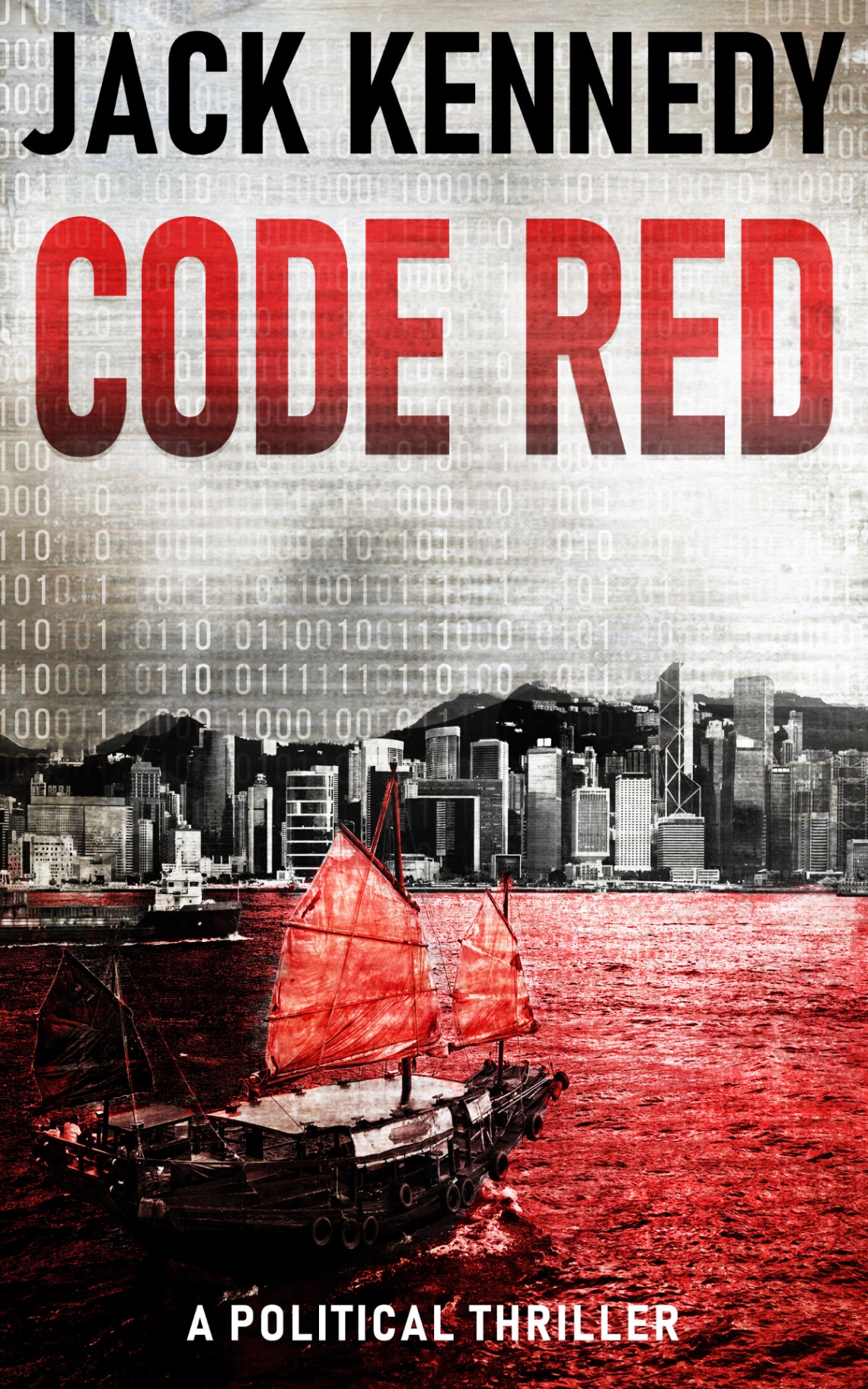
- Code Red by C.T. Mitchell: A political thriller that emphasizes global intrigue in a compact, compelling format.
For people who want psychological depth:
- Look for psychological thriller short stories or short books on kindle unlimited that offer high stakes and fast resolutions. These are specifically crafted for the modern, busy reader.
- Flowers for Algernon: A classic that is under 200 pages. It is short, devastating, and will stay with you for years.
Reclaiming Your Mind
Losing the ability to concentrate on books is a modern problem created by modern conditions. It isn’t a permanent disability. The brain that learned to read deeply once can learn it again.
The transition from “I can’t focus” to “I just finished three books this month” starts with a single choice: putting the phone in another room and picking up a shortened book.
The real joy of reading isn’t just the story | it’s the quiet strength of your own attention returning to you. It takes patience, the right environment, and a few easy read mystery books to get the wheels turning again.
The real surprise? Once you get that focus back, you’ll wonder how you ever lived without it.
If you’re ready to start your journey back to deep reading, why not explore our latest collection of 7 examples of thriller stories that are perfect for a single evening?