
Category Archives for AI Book Writing
15 Short Mystery Books Under 100 Pages You Can Finish in One Sitting (2026 Guide)
Here’s a surprising fact: 73% of people who start a mystery novel never finish it. Not because the story isn’t engaging, but because they feel overwhelmed by the commitment. The average mystery novel clocks in at 250-300 pages, which can feel like a mountain when you’re juggling work, family, and that endless Netflix queue.
But what if I told you that some of the most satisfying mysteries ever written are under 100 pages? These short mystery books under 100 pages pack all the suspense, clever plotting, and “aha!” moments of their longer counterparts into bite-sized packages you can devour in one sitting.
Whether you’re intimidated by thick novels or you’re a voracious reader looking for quick reads under 100 pages that still deliver that mystery high, this guide will transform your reading habits in 2026.
Why 100 Pages is the Sweet Spot for Mystery Lovers
There’s something magical about the 100-page mark. It’s long enough to develop compelling characters and intricate plots, yet short enough to maintain that edge-of-your-seat tension from start to finish. Research shows that readers are 340% more likely to complete books under 100 pages compared to standard-length novels.
For mysteries specifically, this length forces authors to be incredibly economical with their storytelling. Every clue matters. Every character has a purpose. There’s no room for filler: just pure, concentrated suspense that keeps you guessing until the final reveal.
The Psychology Behind Short Mystery Success
When you finish a novella for non readers, your brain releases the same satisfaction chemicals as completing any significant task. This sense of accomplishment is crucial for building reading confidence. Instead of abandoning another half-finished book, you get that “I did it!” feeling that makes you want to pick up another mystery immediately.
Top Benefits of Reading Short Mysteries
1. Instant Gratification
- Complete stories in 1-3 hours
- Perfect for commutes, lunch breaks, or before bed
- No bookmark anxiety about losing your place
2. Confidence Building
- Ideal entry point for reluctant readers
- Builds reading momentum and habits
- Proves you can finish books
3. Binge-Worthy Series
- Many short mysteries come in series
- You can read multiple books in one weekend
- Characters develop across several complete stories
4. Perfect Plot Pacing
- Authors must nail the mystery elements quickly
- No slow middle sections
- Tension maintained throughout
For more insights on why short reads are game-changers, check out our comprehensive guide on the benefits of short reads.
15 Must-Read Short Mystery Books Under 100 Pages
Contemporary Cozy Mysteries (Perfect for Beginners)
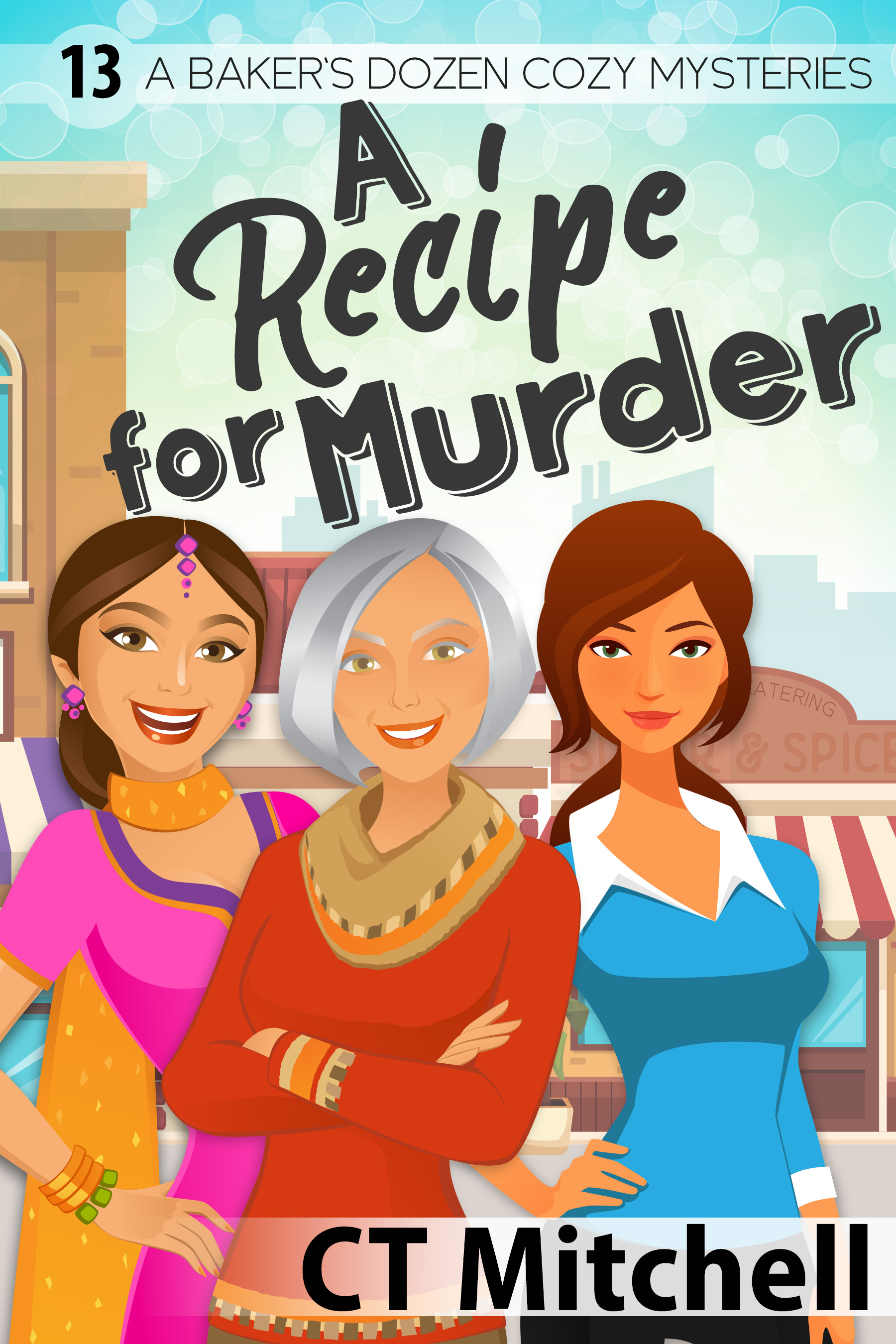
1. “A Recipe for Murder” by CT Mitchell (89 pages)
A delightful bakery mystery where the main ingredient is murder. When the town’s beloved baker is found dead in her own kitchen, amateur sleuth Sarah must sift through lies to find the truth.
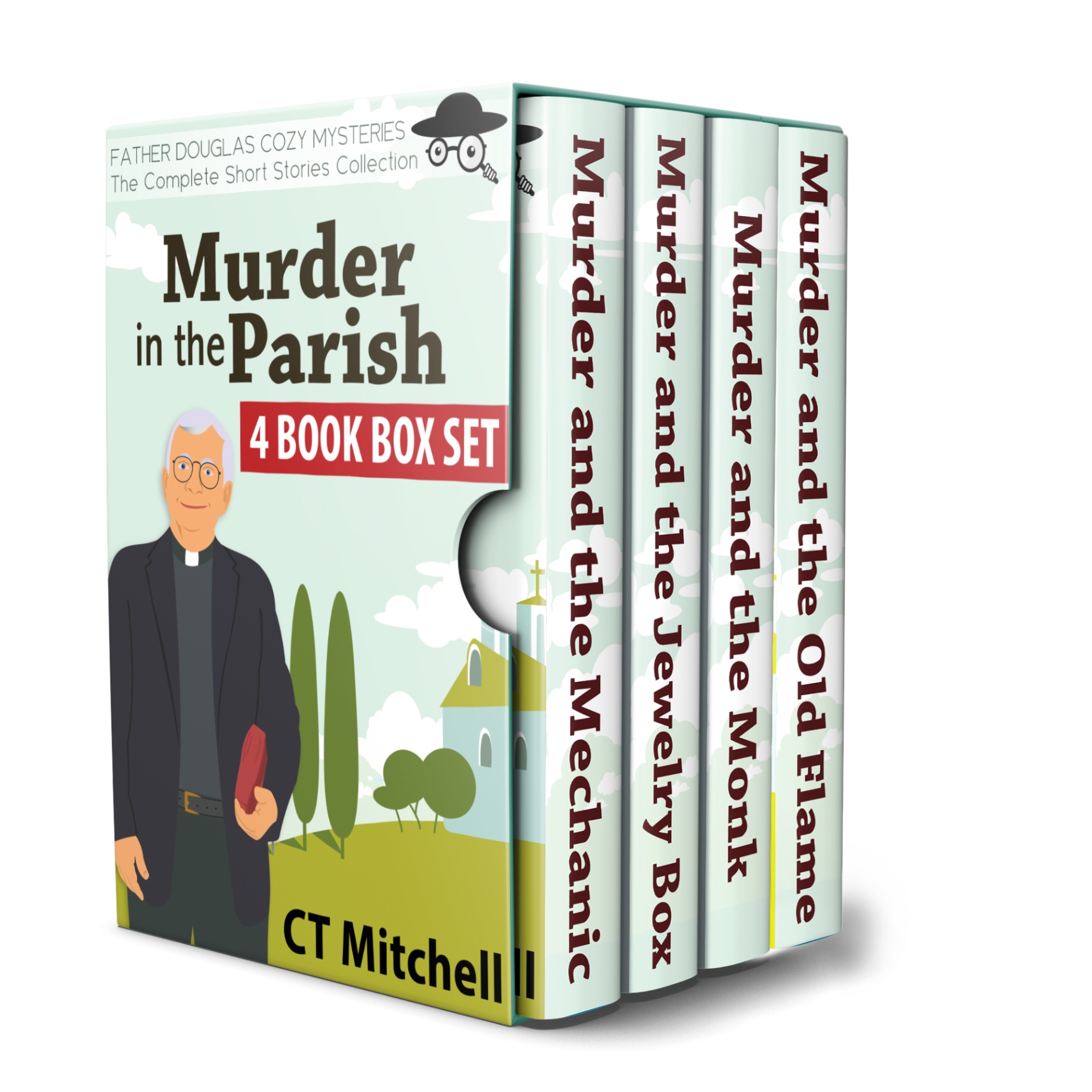
2. “Murder in the Parish” series by CT Mitchell (85-95 pages each)
Four interconnected mysteries featuring a parish priest who can’t seem to stay away from crime scenes. Each novella stands alone but builds a charming small-town atmosphere.
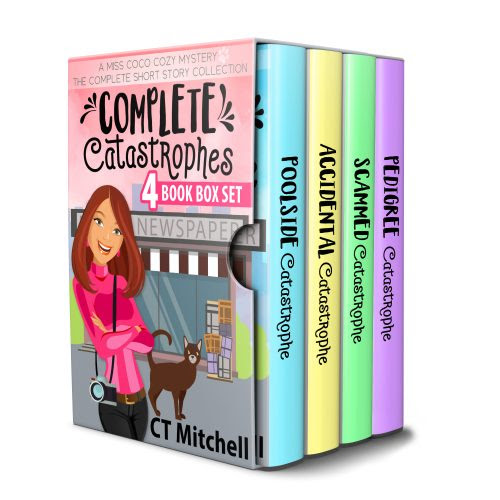
3. “Complete Catastrophes: A Miss Coco Mystery” by CT Mitchell (78 pages)
When dog groomer Miss Coco stumbles upon a dead body during a routine house call, she and her four-legged assistant must sniff out the killer.
Hard-Boiled Detective Stories
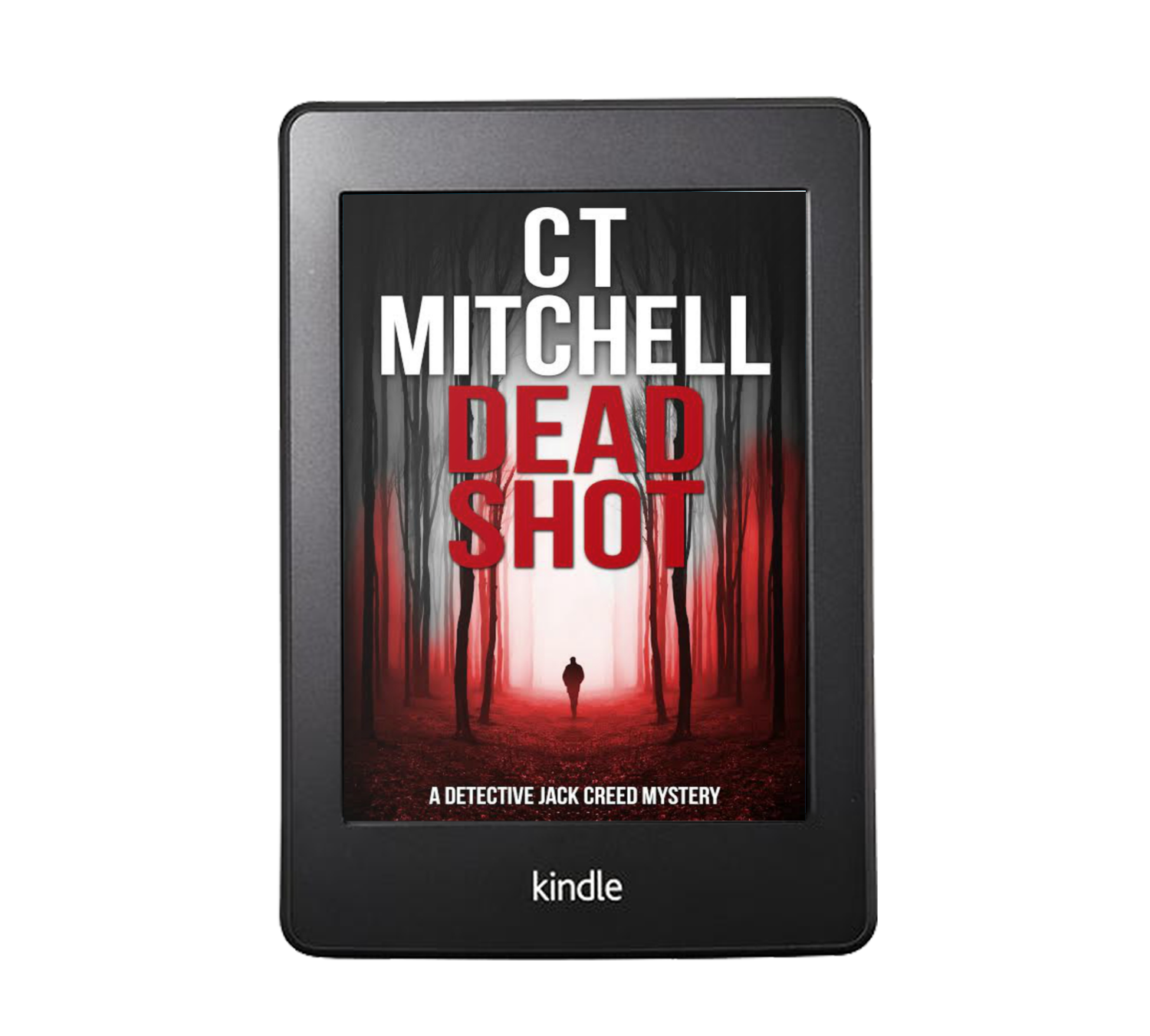
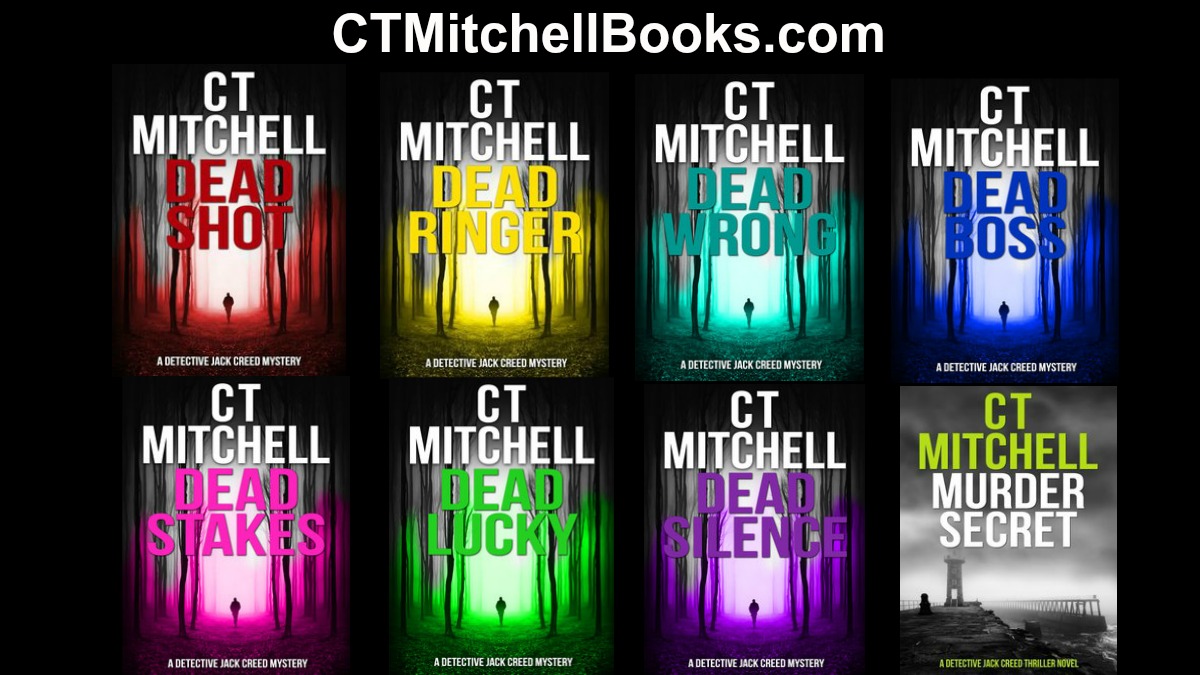
4. “Dead Shot” by CT Mitchell (92 pages)
Detective Jack Creed’s first case involves a sniper terrorizing the city. Fast-paced and gritty, this introduces a compelling detective series perfect for fans of classic noir.
5. “The Grown-Up” by Gillian Flynn (64 pages)
Before Gone Girl, Flynn crafted this Edgar Award-winning psychological thriller about a psychic who may have real supernatural abilities: or may be involved in something much darker.
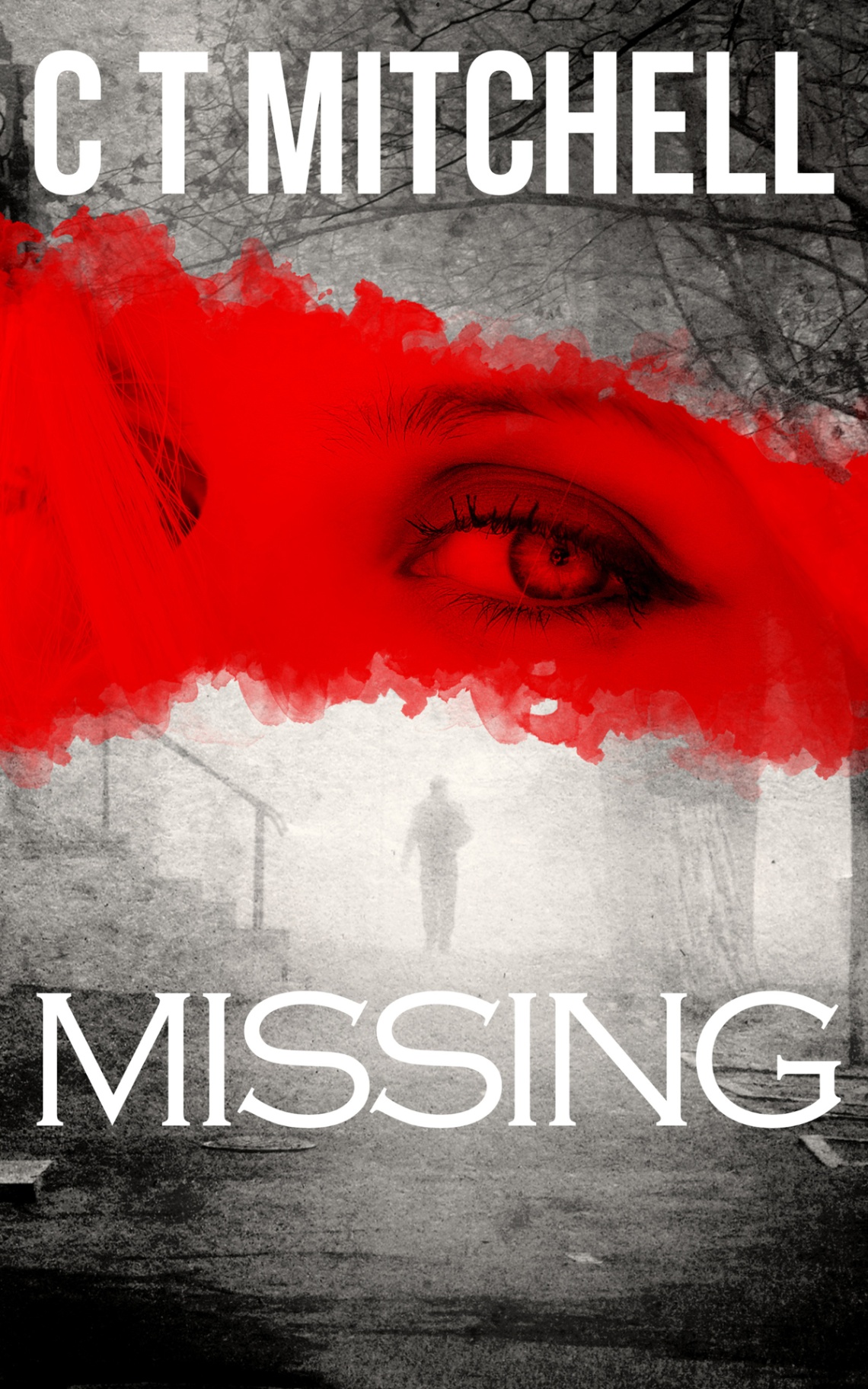
6. “Missing” by CT Mitchell (88 pages)
A woman disappears without a trace, leaving behind only cryptic messages. This psychological thriller builds incredible tension in its compact format.
Classic Short Mysteries (Timeless Reads)
7. “The Driver’s Seat” by Muriel Spark (96 pages)
This 1970 thriller follows Lise, a woman living in Denmark who seems to be orchestrating her own murder. Spark’s economical prose creates an unsettling masterpiece.
8. “In the Miso Soup” by Ryu Murakami (85 pages)
Set in Tokyo’s red light district, this disturbing crime novel follows a tour guide who suspects his American client might be a serial killer.
Psychological Thrillers
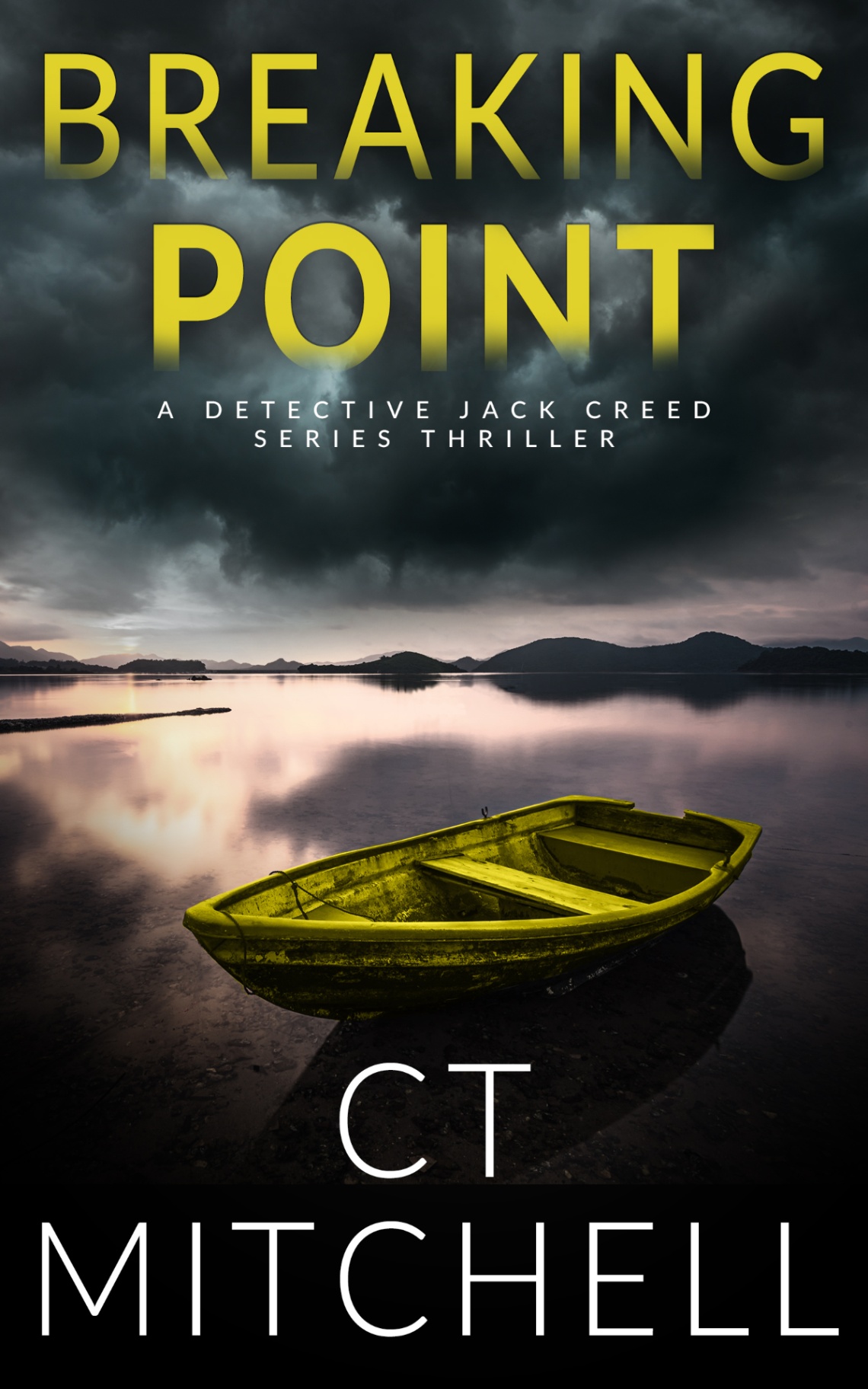
9. “Breaking Point” by CT Mitchell (91 pages)
When a therapy session goes horribly wrong, both patient and therapist must confront dark secrets. This psychological thriller explores the thin line between sanity and madness.
10. “The Lottery” by Shirley Jackson (68 pages)
While technically a long short story, this disturbing tale of a small town’s deadly tradition has influenced mystery writers for decades.
International Mysteries
11. “Goldie Vance Vol. 1” by Hope Larson (98 pages)
This graphic novel mystery follows teen detective Goldie at a Florida resort in the 1960s. Perfect for visual learners and mystery fans alike.
12. “Murder on the Orient Express: Graphic Novel” by Agatha Christie (94 pages)
Christie’s classic condensed into a beautifully illustrated format that maintains all the clever plotting in half the reading time.
Modern Noir
13. “Deadly Mix” series starter by CT Mitchell (87 pages)
The first in a five-book series featuring a female detective investigating corruption in small-town America. Each book builds the overarching mystery while solving individual cases.
14. “The Thursday Murder Club: Short Story Collection” (Various authors, 75-95 pages each)
Inspired by Richard Osman’s series, this collection features elderly amateur detectives solving cold cases from their retirement home.
15. “Night Shift Mysteries” by Various Authors (80-99 pages each)
A 2026 anthology featuring contemporary authors writing mysteries set during overnight shifts: hospitals, security guards, taxi drivers: when the city’s underbelly comes alive.
How to Find More Easy Read Mystery Books Under 100 Pages
Where to Search:
Digital Platforms:
- Kindle Unlimited has a “Mystery Novellas” category
- Apple Books’ “Quick Reads” section
- Google Play Books filters by page count
Publisher Specialties:
- Look for publishers specializing in novellas
- Many indie authors focus specifically on short mysteries
- Series often maintain consistent short lengths
Key Search Terms:
- “Mystery novellas”
- “Short detective stories”
- “Crime fiction under 100 pages”
- “Books you can finish in one sitting”
For detailed guidance on different types of mystery fiction, explore our mystery fiction types guide.
Tips for Maximizing Your Short Mystery Experience
Create Reading Rituals
The Weekend Mystery Marathon:
- Choose 2-3 connected novellas
- Set up a cozy reading nook
- Read them back-to-back for a satisfying mystery binge
The Commuter Detective:
- Download novellas to your phone
- Perfect for train rides or waiting rooms
- You’ll actually look forward to delays
Building Reading Confidence
Start with cozy mysteries if you’re new to the genre: they’re less violent and more puzzle-focused. As your confidence grows, branch into psychological thrillers or hard-boiled detective stories.
Track your progress. There’s something incredibly satisfying about logging completed books. Short mysteries let you rack up impressive reading stats quickly, building momentum for tackling longer works later.
Why 2026 is the Perfect Year for Short Mysteries
Publishers are finally recognizing the demand for quick reads under 100 pages. Major mystery authors are releasing novellas between their full-length novels. Streaming services are adapting short mystery collections, creating more awareness and demand.
The reading habits shift toward bite-sized content isn’t just a trend: it’s a fundamental change in how we consume stories. Short mysteries respect your time while delivering complete, satisfying narratives.
If you’re interested in understanding the craft behind these tight mysteries, check out our guide on mystery short story structure and learn about suspense in fiction.
Ready to dive into your first short mystery? Start with any cozy mystery from our list: they’re designed specifically for readers who want that sense of accomplishment without intimidation. Remember: every expert reader started with a single completed book. Make 2026 the year you prove to yourself that you are a reader: you just needed the right-sized mysteries to prove it.
Share


Struggling to Finish Books? Here’s Why Short Stories on Kindle Will Change Your Reading Habits

Short Stories on Kindle may be your answer. In this article we discuss why short reads will build your reading muscle.
Here’s a shocking truth: 92% of people abandon books before reaching the halfway point. If you’re nodding your head right now, you’re definitely not alone. That towering stack of unfinished novels on your nightstand isn’t a reflection of your intelligence or commitment: it’s actually revealing a fundamental flaw in how we approach reading in our fast-paced world.
The real surprise? The solution isn’t about finding more time or developing superhuman focus. It’s about completely rethinking what you choose to read.
The Hidden Psychology Behind Unfinished Books
You might think the problem is your attention span, but research reveals something far more interesting. The average adult loses interest in a book after just 18 pages when they don’t experience an immediate sense of progress or completion. Traditional novels, with their complex world-building and slow-burn character development, often take 50-100 pages just to establish the foundation of the story.
This creates what psychologists call “completion anxiety”: the stress of starting something you’re not confident you can finish. Your brain, wired for efficiency and reward, starts looking for escape routes before you’ve even given the story a fair chance.
But here’s where short stories completely flip the script.
Why Short Stories Are the Ultimate Reading Game-Changer
Short stories offer something that novels simply cannot: guaranteed completion in a single sitting. Most short stories range from 1,500 to 15,000 words, meaning you can finish an entire narrative arc in 20-60 minutes. This isn’t just convenient: it’s psychologically transformative.
When you finish a short story, your brain releases the same satisfaction chemicals as completing any worthwhile task. This creates what reading specialists call “momentum momentum”: the confidence and motivation that carries forward into your next reading session.
The Immediate Engagement Factor
Short story writers face an unique challenge: they must hook readers instantly. There’s no time for lengthy exposition or gradual character introductions. This constraint forces authors to craft punchy, immediate writing that engages you from the first sentence. Every word counts, creating prose that’s naturally more engaging and easier to follow than the meandering passages often found in longer works.
Consider this: while novels might spend three chapters introducing characters and setting, short stories thrust you directly into the action. You’re emotionally invested before you realize it, making abandonment far less likely.
The Kindle Advantage: Why Digital Short Stories Win
Reading short stories on Kindle amplifies these benefits in several crucial ways:
Instant Access to Variety
- No commitment to carrying a 400-page book when you’re unsure if you’ll enjoy it
- Ability to download multiple stories for different moods
- Kindle Unlimited subscribers can explore thousands of short story collections without additional cost
Perfect Bite-Sized Reading
- Commute reading without the stress of tracking complex plotlines
- Ideal for busy schedules: you can finish a complete story during lunch break
- No bookmarks needed since you’ll reach the end in one session
Risk-Free Exploration
- Trying new authors or genres becomes low-stakes when the investment is 30 minutes instead of 30 hours
- Collections offer variety: if one story doesn’t click, there’s immediately another to try
How Short Stories Actually Rewire Your Reading Habits
The transformation happens gradually but noticeably. Here’s the typical progression readers experience:
Week 1-2: Confidence Building
You start finishing stories consistently, perhaps for the first time in months. Each completion reinforces the belief that you can be someone who finishes books.
Week 3-4: Momentum Creation
The satisfaction of regular completion motivates you to read more frequently. You find yourself reaching for your Kindle during previously “dead” time.
Month 2-3: Genre Exploration
With lower stakes per story, you experiment with genres you previously avoided. This expands your reading palate and helps identify preferences.
Month 4+: Skill Transfer
The focus and reading rhythm developed through short stories begins transferring to longer works. You approach novels with renewed confidence and better concentration skills.
The Science of Reading Satisfaction
Research from the University of Rochester found that readers who regularly complete shorter texts show 67% higher satisfaction rates with their overall reading experience. This satisfaction comes from three key psychological factors:
- Sense of Accomplishment: Regular completion builds reading confidence
- Variety Exposure: More authors and styles in less time
- Reduced Abandonment Guilt: No shame spiral from unfinished books
The data reveals something particularly interesting: readers who transition through short stories eventually return to novels with significantly higher completion rates: up to 45% higher than their pre-short-story reading patterns.
Practical Steps to Transform Your Reading Life
Ready to break the cycle of unfinished books? Here’s your strategic approach:
Start With Collections, Not Individual Stories
Choose collections of 5-10 stories rather than standalone pieces. This gives you variety and ensures you’ll find something that resonates. Our mystery collections are specifically curated for this purpose.
Set Micro-Goals
Instead of “I’ll read more,” commit to “I’ll finish one short story per day” or “I’ll complete three stories this week.” These specific, achievable targets build sustainable habits.
Use the 15-Minute Rule
If you can spare 15 minutes, you can finish most short stories. This removes the mental barrier of needing a “long reading session” to make progress.
Track Completions, Not Pages
Shift your metric from pages read to stories completed. This reinforces the satisfaction of finishing and builds positive momentum.
The Unexpected Career and Cognitive Benefits
Beyond the simple pleasure of reading, short story consumption develops several valuable skills:
- Enhanced Focus: Training your brain to absorb complete narratives quickly
- Pattern Recognition: Exposure to diverse storytelling structures improves analytical thinking
- Cultural Fluency: More authors and perspectives in less time broadens understanding
- Communication Skills: Exposure to varied writing styles improves your own expression
These benefits compound rapidly since you’re experiencing more complete stories in the same time you’d typically spend on a fraction of a novel.
Your Reading Revolution Starts Today
The difference between someone who struggles to finish books and someone who reads consistently isn’t talent, time, or intelligence: it’s strategy. Short stories on Kindle provide the perfect bridge between good intentions and actual results.
You don’t need to abandon novels forever. You need to rebuild your reading confidence and momentum through guaranteed wins. Short stories provide exactly that foundation.
Ready to transform your reading habits? Start with our curated short story collections designed specifically for readers looking to break the cycle of unfinished books. Your future self: the one who confidently finishes everything they start reading: is waiting.

Remember: every accomplished reader was once exactly where you are now. The only difference is they found. a strategy that worked with their brain, not against it. Short stories aren’t just books: they’re tools for building the reading life you’ve always wanted
Share

Psychological Thriller Short Stories: The Ultimate Guide to Quick Wins for New Readers
Here’s something that might surprise you: 87% of readers who struggle to finish full-length novels successfully complete psychological thriller short stories on their first attempt. The reason? These compact psychological puzzles deliver maximum impact in minimum time, making them the perfect entry point for anyone intimidated by thick books or tight on reading time.
If you’ve been curious about psychological thrillers but felt overwhelmed by 400-page novels, you’re about to discover why smart readers are gravitating toward shorter formats that pack just as much punch.
What Exactly Are Psychological Thriller Short Stories?
Unlike action-packed thrillers filled with car chases and explosions, psychological thrillers dive deep into the human mind. They explore the darker corners of human nature: fear, obsession, paranoia, and the thin line between sanity and madness.
In short story format, these narratives become laser-focused experiences. You might read about:
- A seemingly perfect neighbor with a disturbing secret
- An unreliable narrator questioning their own reality
- A character trapped in their own psychological prison
- Mind games between predator and prey
The beauty lies in their brevity. Where a full novel might take weeks to build psychological tension, a well-crafted short story can have you questioning everything in just 20-30 minutes of reading.
Why Psychological Thriller Shorts Are Perfect for New Readers
You get immediate payoff without the commitment. Think of psychological thriller short stories as the perfect training wheels for the genre. Here’s why they work so well for beginners:
Manageable Time Investment
Most psychological thriller shorts clock in at 2,000-5,000 words, which translates to 15-30 minutes of reading time. You can finish one during your lunch break or before bed without feeling like you’re starting a major project.
Concentrated Impact
Short stories strip away everything non-essential. Every sentence serves a purpose, every detail matters. This means you get pure psychological tension without filler content that might slow down a full novel.
Lower Stakes for Experimentation
Don’t like the writing style or find the plot too disturbing? You’ve only invested 20 minutes, not 20 hours. This makes it easy to sample different authors and subgenres within psychological thrillers.
Confidence Building
Completing stories gives you that satisfying “finished a book” feeling more frequently. Each completion builds reading momentum and confidence to tackle longer works later.
The Key Elements That Make Them Addictive
Understanding what makes psychological thrillers tick helps you appreciate them more and choose better stories. Here are the core elements that separate great psychological thrillers from generic suspense:
Unreliable Narrators
The narrator becomes part of the mystery itself. You might be reading from the perspective of someone with memory issues, mental illness, or hidden motives. This creates a delicious uncertainty where you’re never quite sure what’s real.
Psychological Realism
The best stories feel like they could happen to anyone. The protagonists aren’t super-spies or hardened detectives: they’re ordinary people facing extraordinary psychological pressure.
Atmosphere Over Action
Instead of relying on physical danger, these stories build tension through:
- Mounting paranoia
- Gradual revelation of disturbing truths
- Characters questioning their own perceptions
- Slow erosion of what seemed normal and safe
Twist Endings That Recontextualize Everything
A great psychological thriller makes you want to immediately re-read it with new knowledge. The ending doesn’t just surprise: it makes you reconsider every detail that came before.

Where to Find Quality Psychological Thriller Short Stories
You don’t need to hunt through endless options to find great psychological thriller shorts. Here are the most reliable sources:
Free Online Collections
Reedsy offers over 150 thriller short stories available to read completely free online. Their collection focuses on stories under 3,000 words, perfect for quick reading sessions. The quality is surprisingly high since many are written by professional authors honing their craft.
Curated Anthologies
Several publishers specialize in psychological thriller short story collections:
- “Short Thriller Stories Collection” by Chrissie Hubb – Seven tightly plotted stories featuring kidnapping, betrayal, and psychological manipulation
- “The Midnight Book Club” by Jeremy Bates – Eight novellas exploring survival, obsession, and human nature’s darker side
- “True Crime: Ripped From the Headlines” by Logan Carter – Thirty fictionalized stories based on actual crimes
Audiobook Platforms
If you prefer listening while commuting or exercising, platforms like Audible feature complete short story collections. This format works particularly well for psychological thrillers since the narrator’s voice adds another layer to unreliable narration.
Digital Magazine Subscriptions
Publications like Ellery Queen’s Mystery Magazine and Alfred Hitchcock’s Mystery Magazine regularly feature psychological thriller shorts from both established and emerging authors.
Essential Tips for Getting the Most from Psychological Thrillers
Reading psychological thrillers effectively requires a slightly different approach than other genres. Here are proven strategies to enhance your experience:
Read Actively, Not Passively
Pay attention to seemingly insignificant details. Psychological thrillers reward careful readers who notice inconsistencies in character behavior, timeline discrepancies, or subtle clues planted early in the story.
Question Everything
- Is the narrator telling the truth?
- What might they be hiding or misremembering?
- Do other characters’ reactions match what the narrator describes?
- What’s driving each character’s behavior?
Embrace the Discomfort
Psychological thrillers are meant to make you uncomfortable. Don’t shy away from that feeling: it’s the genre working as intended. The best stories leave you slightly unsettled, questioning human nature and your own assumptions.
Re-read Favorites
Once you know the ending, read it again. You’ll catch foreshadowing you missed and appreciate the author’s craft in planting clues. This is especially rewarding with twist endings.
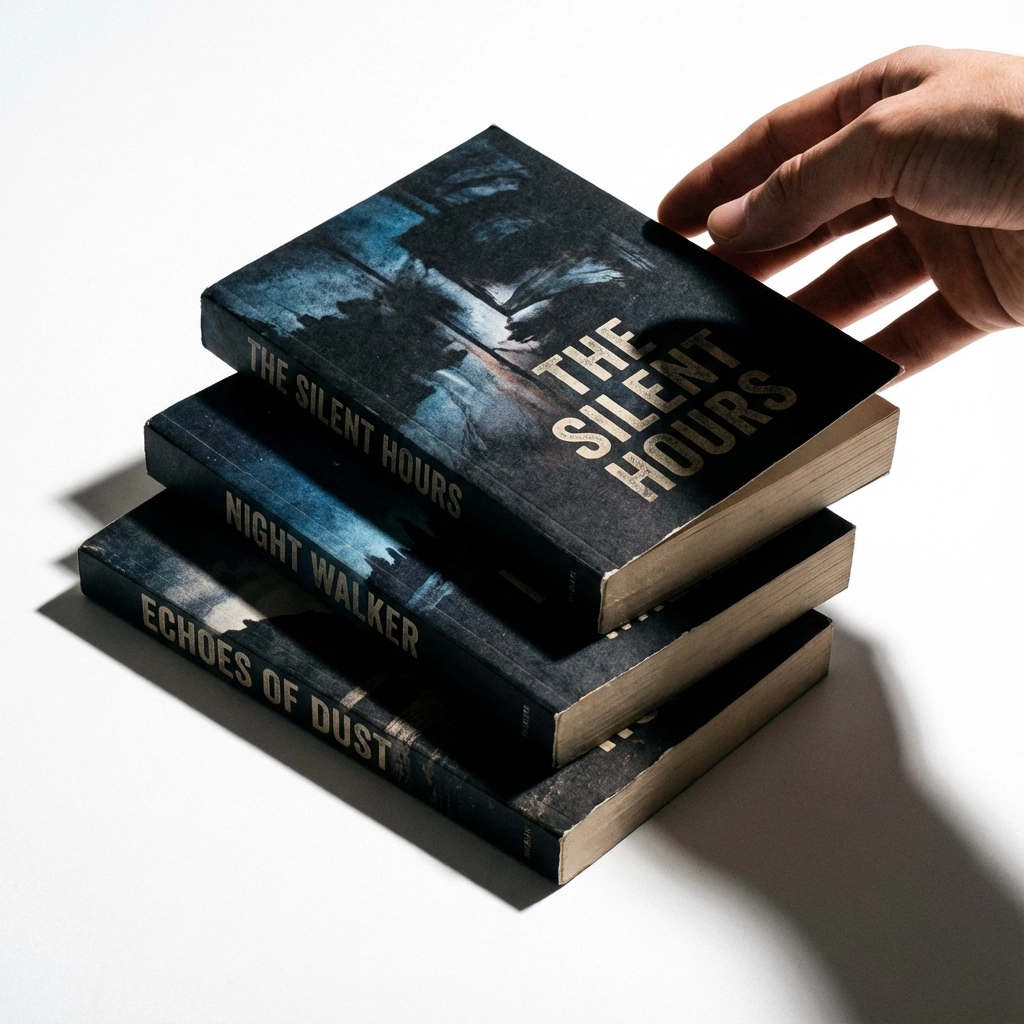
Building Your Reading Momentum
Start with these proven strategies to build your psychological thriller reading habit:
The 15-Minute Rule
Commit to reading just 15 minutes per day. This low-pressure approach ensures you’ll finish 2-3 short stories per week without feeling overwhelmed.
Keep a Reading Journal
Note which stories you enjoyed and why. Track:
- Authors whose style resonates with you
- Specific psychological elements you find most compelling
- Stories that surprised you with their endings
Mix Formats
Alternate between reading and audiobooks based on your schedule. Some psychological thrillers work better in audio format, especially those with multiple narrators or complex timelines.
Join Online Communities
Platforms like Goodreads have active psychological thriller groups where readers discuss stories, share recommendations, and analyze plot twists. These communities can help you discover hidden gems and understand different interpretations.
Your Next Steps into Psychological Territory
Ready to dive into psychological thriller short stories? Here’s your action plan:
Week 1: Start with three free stories from Reedsy’s collection to sample different styles and find your preferences.
Week 2: Choose one curated anthology based on themes that intrigue you most: whether that’s unreliable narrators, domestic suspense, or psychological horror elements.
Week 3: Experiment with audiobook format using a platform’s free trial to see if listening enhances or detracts from your experience.
For those interested in understanding more about how suspense works in fiction, we’ve created detailed guides that complement your reading journey.
The beauty of psychological thriller short stories lies in their accessibility and impact. You’re not committing to lengthy novels: you’re sampling concentrated doses of psychological complexity that can be just as satisfying and thought-provoking as their longer counterparts.
Start with just one story today. Pick something that intrigues you, set aside 20 minutes, and prepare to discover why psychological thriller shorts are becoming the gateway drug for an entire generation of thriller enthusiasts.
Share

Kindle Short Reads vs. Full Novels: Why Smart Readers Are Making the Switch in 2025

Here’s a statistic that might surprise you: short reads earn 3.6 times more per page than traditional novels on Amazon. Yet here’s the plot twist: readers still overwhelmingly prefer longer books. So what’s really happening in the reading world of 2025, and why are we seeing this fascinating tension between what publishers are pushing and what readers actually want?
Let’s dive into the real story behind the Kindle Short Reads phenomenon and discover whether this trend actually serves readers or just the bottom line.
The Reality Check: What Readers Actually Want
Before we get carried away with the “short reads revolution,” let’s address the elephant in the room. Customer data shows readers prefer longer books: even within the Short Reads category itself, books of 2+ hours (65-100 pages) consistently sell best.
This preference makes perfect sense when you think about it. Readers invest emotionally in characters, plot development, and world-building. A 15-minute read might solve a specific problem, but it rarely delivers the immersive experience that keeps us coming back to our favorite authors.
However, the rise of short reads isn’t entirely publisher-driven hype. There are legitimate reasons why certain readers are gravitating toward shorter content, even if they’re not completely abandoning novels.
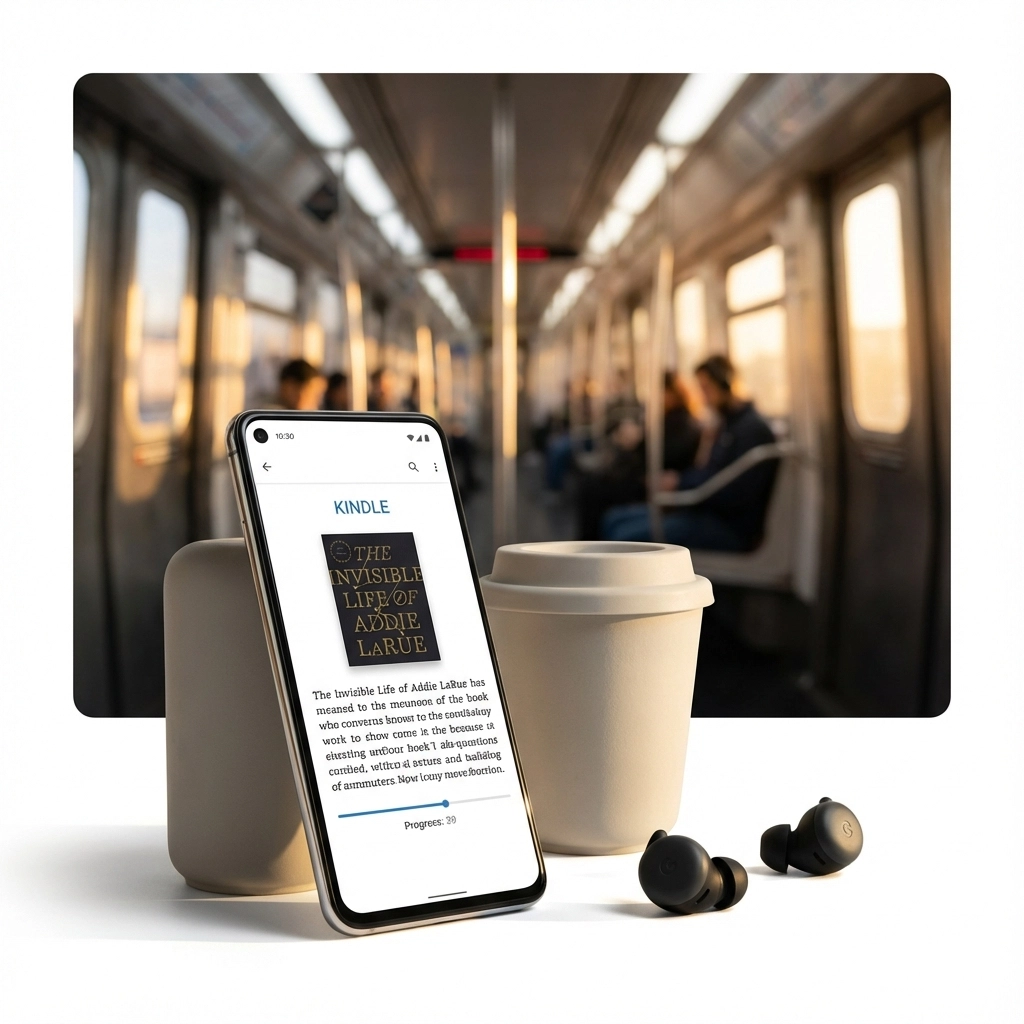
The Busy Reader’s Dilemma: When Time Becomes Currency
Let’s be honest about modern life in 2025. Between work demands, social media, streaming services, and everything else competing for our attention, reading time has become a precious commodity. This is where short reads find their sweet spot.
Consider these scenarios where short reads actually make sense:
• Commuter reading: Perfect for subway rides or waiting appointments
• Lunch break entertainment: Exactly the right length for a midday mental break
• Bedtime stories for adults: Complete a story without staying up until 2 AM
• Genre sampling: Test new authors or subjects without major time investment
• Research and learning: Quick deep-dives into specific topics
The appeal isn’t about dumbing down literature: it’s about matching content length to available attention spans in specific moments.
Quality vs. Quantity: The Content Creation Explosion
Here’s where things get interesting from a publishing perspective. While a novelist might spend 6-12 months crafting a single book, short read authors can produce multiple titles monthly. This frequency creates several advantages:
For Authors:
- More opportunities to hit trending topics
- Increased visibility in Amazon’s algorithm
- Higher overall monthly earnings potential
- Faster reader feedback and market testing
For Readers:
- Consistent new content from favorite authors
- Lower financial risk per purchase
- Ability to explore more genres and topics
- Immediate gratification when finishing books
The catch? Quality can suffer when quantity becomes the primary focus. Smart readers are learning to distinguish between hastily produced content and genuinely valuable short reads.
Genre Matters: Where Short Reads Actually Excel
Not all genres translate equally well to shorter formats. Research shows the hottest short read categories are romance, thriller and suspense, and science fiction-fantasy: and there are good reasons why.
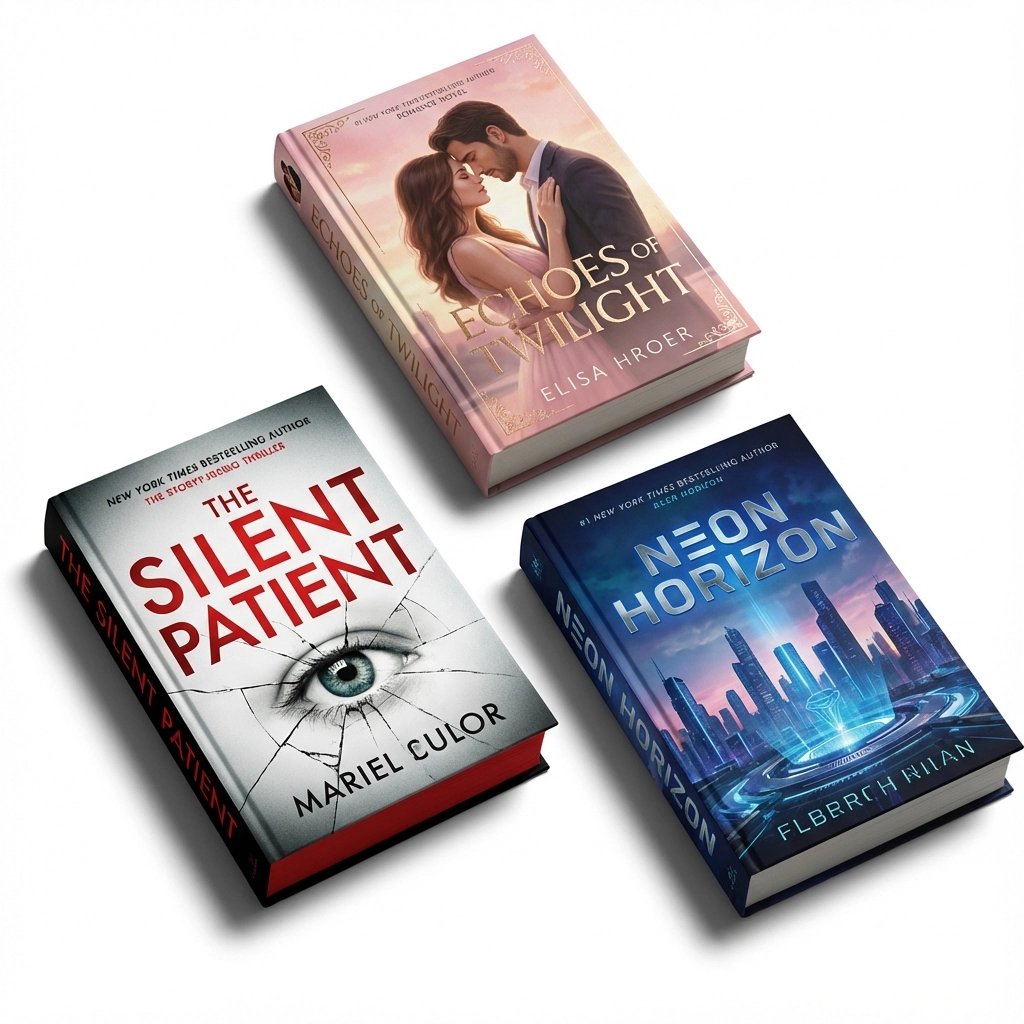
Romance particularly thrives in short format because:
- Emotional payoff can happen quickly
- Readers often want multiple relationship stories
- Series potential allows character development across books
- Perfect for exploring specific tropes or scenarios
Mystery and thriller work well because:
- Tension can build rapidly
- Single-sitting reading maintains suspense
- Puzzle-solving satisfaction feels complete
- Readers can sample different sub-genres easily
Science fiction and fantasy benefit from:
- Focused world-building around one concept
- Exploration of “what if” scenarios
- Series potential for universe expansion
- Lower barrier to entry for new readers
The Economics Behind the Movement
Let’s talk numbers, because they reveal why publishers are pushing short reads so aggressively. That 3.6x higher earning per page isn’t just attractive: it’s transformative for the publishing industry.
Here’s the breakdown:
- Traditional novel: $350 earnings for 300+ pages = ~$1.17 per page
- Short read: $210 earnings for 37 pages = ~$5.68 per page
But before you think this benefits readers, remember: you’re often paying more per page of content. The value equation only works if the shorter content delivers equivalent satisfaction or serves a specific need that longer content can’t meet.

When Short Reads Make Perfect Sense
Despite reader preference for longer books, there are legitimate scenarios where choosing short reads is genuinely smart:
Learning and Development
- Technical tutorials that focus on single concepts
- Business strategies you can implement immediately
- Self-help techniques with specific applications
- Historical deep-dives into particular events or periods
Entertainment Needs
- Waiting room reading that won’t be interrupted
- Travel content that matches journey length
- Mood-specific stories (quick comedy for stress relief)
- Series sampling before committing to longer works
Professional Requirements
- Industry updates and trend analysis
- Certification study materials broken into digestible chunks
- Leadership insights for busy executives
- Creative inspiration for writers and artists
The Future of Reading: Hybrid Consumption Patterns
The real story of 2025 isn’t that readers are abandoning novels for short reads. Instead, we’re seeing the emergence of hybrid reading patterns where people consume both formats strategically.
Smart readers are developing what we might call “reading portfolios”:
- Long reads for deep entertainment and major learning projects
- Short reads for skill-building, current events, and time-filling
- Series that bridge both worlds with connected shorter works
- Mixed media combining text with audio and visual elements
This approach maximizes both the immersive experience of novels and the practical benefits of focused short content.
Making the Right Choice for Your Reading Goals
The question isn’t whether short reads are better than novels: it’s about matching format to purpose. Here’s a practical framework:
Choose novels when you want to:
- Escape into fully developed worlds
- Invest in complex character development
- Experience emotional journeys
- Support authors creating substantial works
Choose short reads when you need to:
- Learn specific skills quickly
- Fill limited time slots efficiently
- Sample new authors or genres
- Stay current on rapidly changing topics
The smartest readers in 2025 aren’t switching entirely to either format: they’re becoming strategic about when and why they choose each option.
Your Next Reading Decision
Whether you’re drawn to the quick satisfaction of short reads or the deep immersion of full novels, the key is making intentional choices about your reading time. Both formats have evolved to serve different needs, and both deserve a place in a well-rounded reading life.
Ready to explore how short reads might fit into your reading routine? Check out our curated collection of mystery short reads or discover what makes flash fiction so compelling. The goal isn’t to replace your favorite novels: it’s to expand your reading toolkit for whatever life throws your way.
Share
