BOOKS UNDER 100
PAGES
Did you know that the average adult spends over two hours a day scrolling through social media? The real surprise? That is exactly enough time to finish a literary masterpiece from cover to cover. A hundred pages is roughly two hours of reading at a comfortable pace. It is a commute, a long bath, or an evening that would otherwise go to mindless scrolling. It is, by any reasonable measure, enough space to tell a complete and meaningful story: and some of the most important books ever written prove it.
This page collects the best of them. Classic novels that changed how literature worked. Contemporary fiction that punches well above its length. A handful of non-fiction books that cover more ground in 80 pages than most authors manage in 400. Every book below can be read tonight. Most deserve to be.
We have kept the 100 page limit flexible rather than rigid: a book that runs to 112 pages but reads like it is 70 belongs here more than a technically qualifying book padded out with wide margins and large type. What we are really looking for is the quality that defines short books at their best: complete, precise, and not a word wasted.
The Classics
Short Books That Changed Literature
These are the books that writers talk about when they talk about influence. Each one is under 100 pages in standard editions, and each one contains more ideas per page than most novels manage across 500.
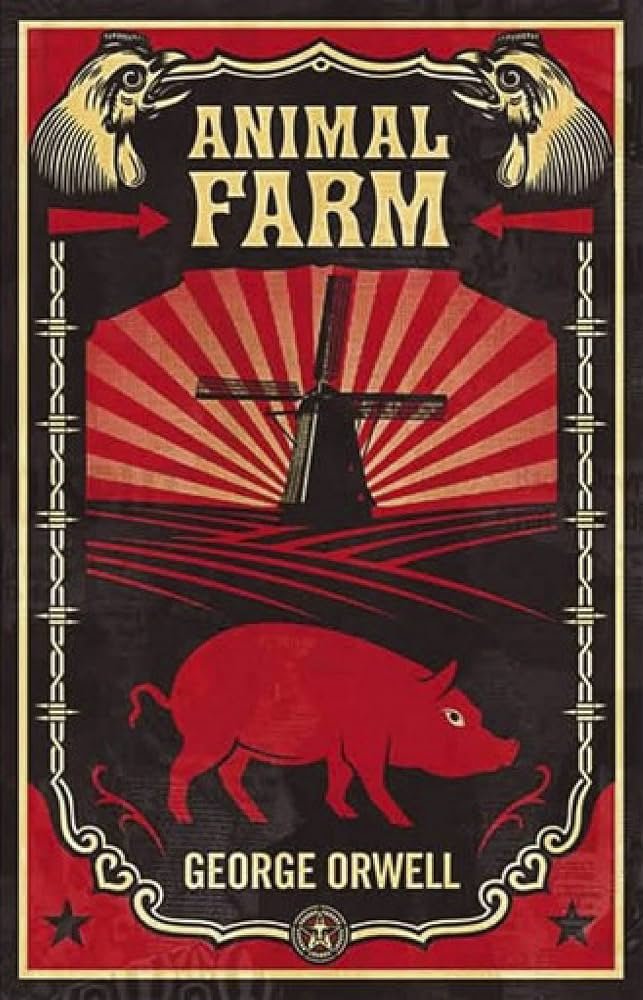
Animal Farm by George Orwell
(112 pages) CLASSIC FICTION
The farm animals of Manor Farm overthrow their human farmer and attempt to run the farm themselves. What follows is one of the most precise political allegories ever written: a satire of Soviet totalitarianism that works perfectly well if you know nothing about Soviet totalitarianism. Orwell’s genius here is clarity: no sentence is ambiguous, no symbol obscure. This is the book that taught a generation of writers that plain language is not simple thinking.
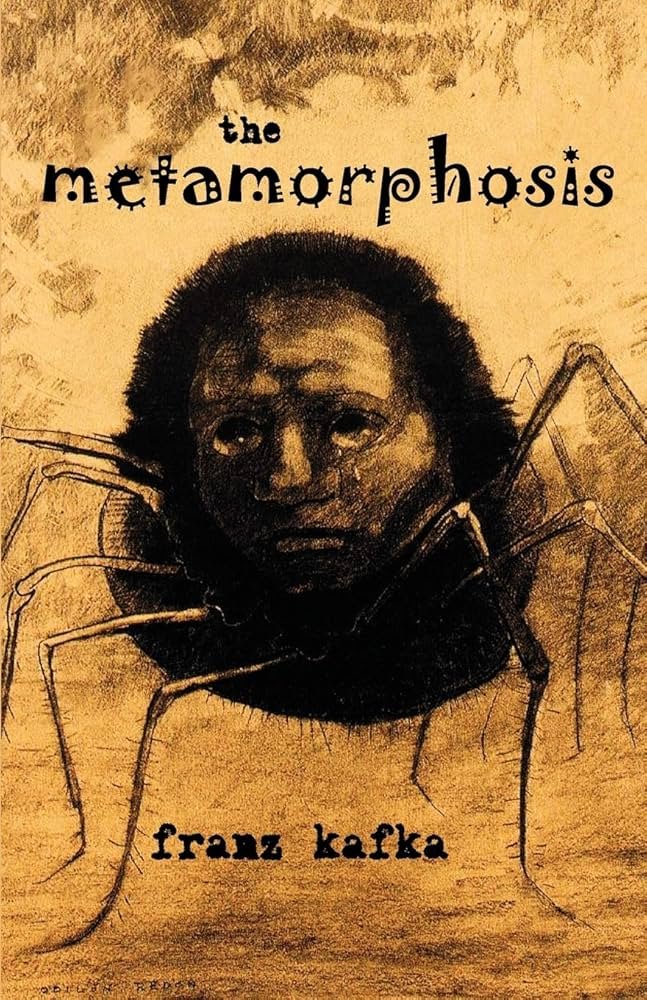
The Metamorphosis by Franz Kafka (55 pages) CLASSIC FICTION
Gregor Samsa wakes one morning to find he has been transformed into a giant insect. Kafka never explains why. The story proceeds with the terrible logic of a dream, following the aftermath (the family’s horror, their gradual adjustment, and Gregor’s slow erasure) to its bleak conclusion. The Metamorphosis is the foundational text of 20th century existential fiction, and it reads in under an hour. Every word is load bearing.
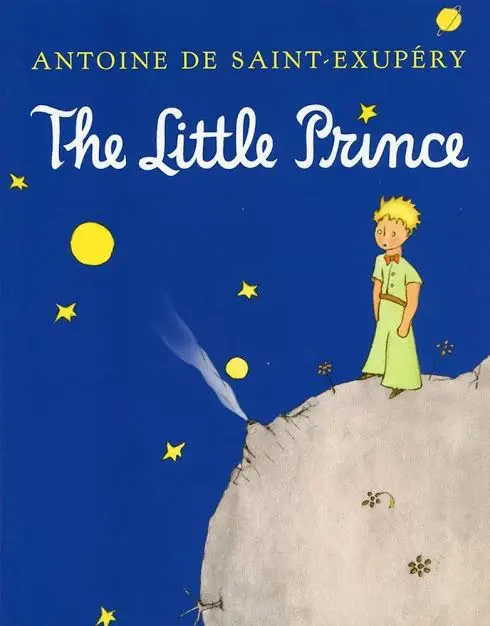
The Little Prince by Antoine de Saint-Exupéry (96 pages)
CLASSIC FICTION
A pilot stranded in the Sahara meets a small boy from another planet who has been travelling the universe asking questions that adults have forgotten how to answer. Saint-Exupéry wrote this in exile in New York in 1942, and the book carries that particular grief of someone far from home thinking about what matters. It is technically a children’s book. It is not, in any meaningful sense, a children’s book.
Of Mice and Men by John Steinbeck (112 pages)
CLASSIC FICTION
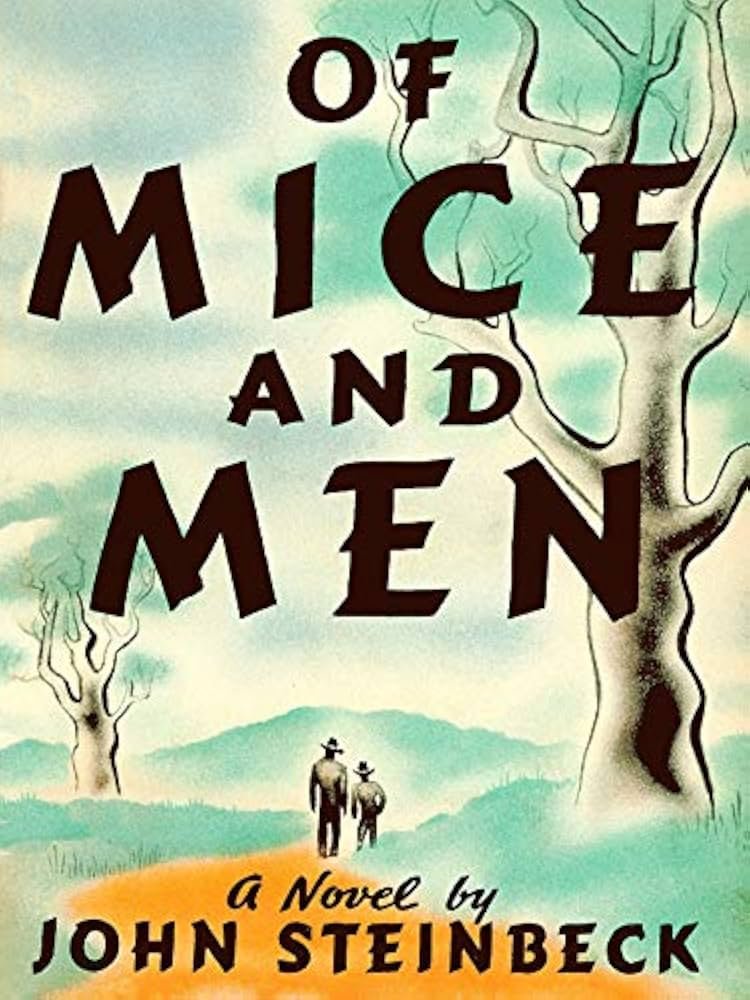
Two displaced ranch workers (the sharp-witted George and his gentle, strong companion Lennie) share a dream of owning their own piece of land. Steinbeck wrote this as a stage play in novel form, which accounts for its extraordinary economy: almost every scene is dialogue, and almost every line of dialogue does double work. One of the most taught books in American schools, and one of the most wept over endings in English literature.
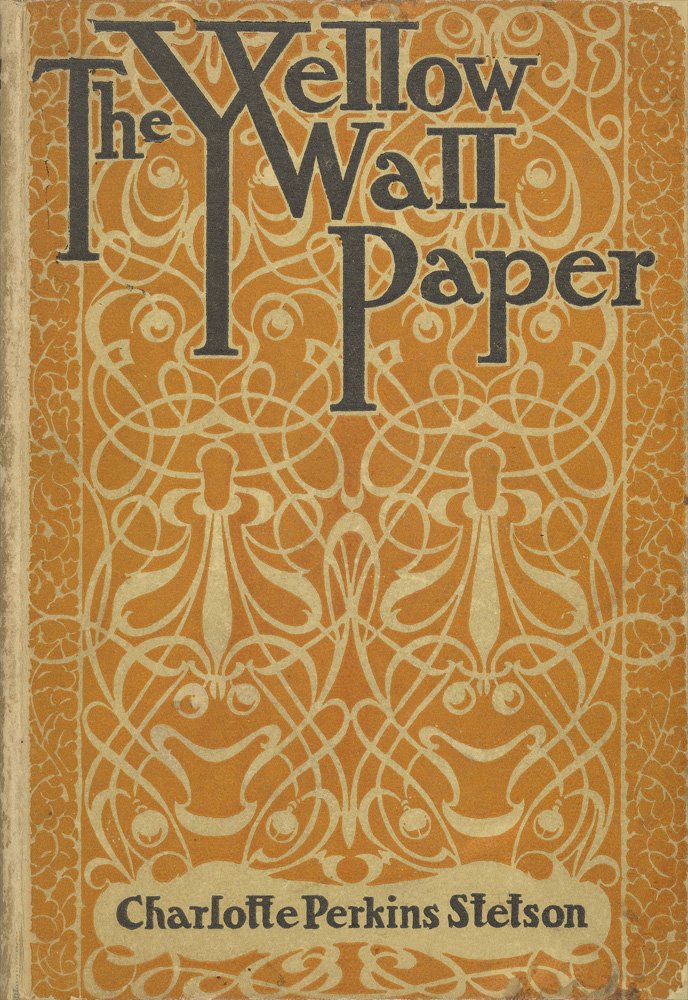
The Yellow Wallpaper by Charlotte Perkins Gilman (70 pages)
CLASSIC FICTION
A woman is confined to a bedroom by her physician husband as a ‘rest cure’ for her nervous condition. She begins to obsess over the pattern in the yellow wallpaper. Written in 1892 and largely ignored until its feminist rediscovery in the 1970s, this story now reads as both a masterpiece of psychological horror and one of the most searing critiques of medical paternalism in literature. Thirty minutes to read. Stays for years.
We Should All Be Feminists by Chimamanda Ngozi Adichie
(64 pages) NON-FICTION ESSAY
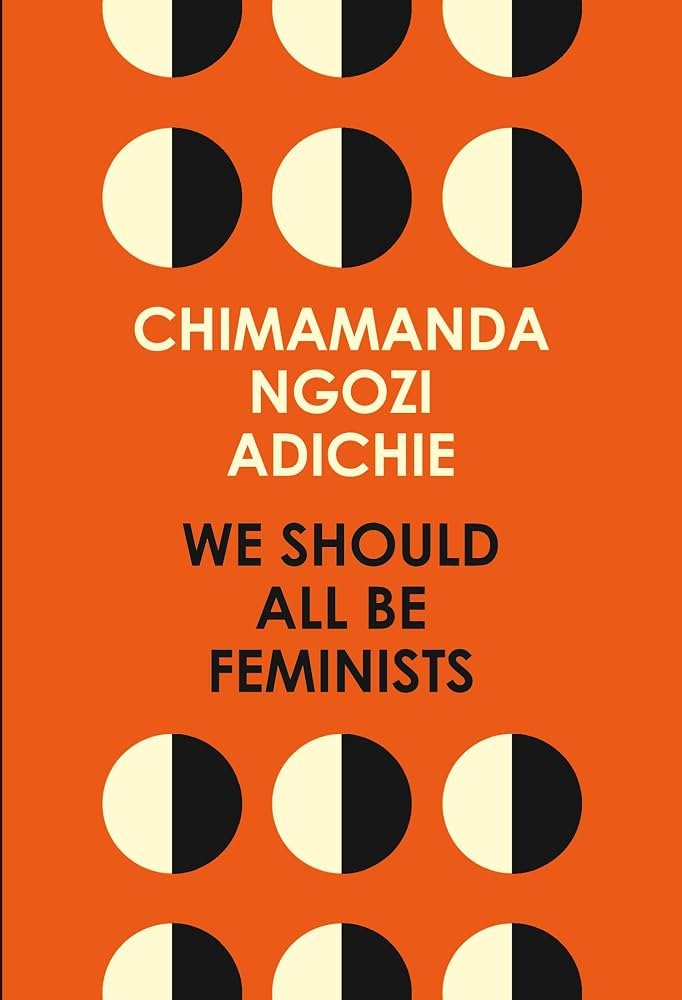
Adapted from Adichie’s TED Talk, this essay defines feminism for the 21st century: specifically, why it matters, what it actually means, and why the word itself has been so successfully distorted. Adichie writes with the precision and warmth of someone who has thought about this for decades and knows exactly how to make the argument land. One of the most widely read short non fiction works of the past twenty years.
Contemporary Fiction Under
100 Pages
The best contemporary short fiction tends to be quieter than its classic counterparts: less allegory, more restraint. These are books that work through what they leave out as much as what they include.
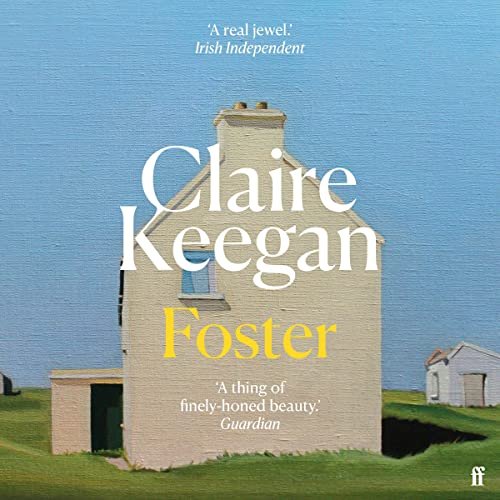
Foster by Claire Keegan (88 pages) LITERARY FICTION
A young Irish girl is sent to stay with distant relatives for the summer. Her own family are barely present in her life; the Kinsellas, by contrast, provide a warmth she hasn’t known before. Keegan writes in a spare, controlled prose that makes every moment feel weighted. Foster was shortlisted for the Booker Prize, made into an acclaimed film (The Quiet Girl), and stands as one of the finest short works of Irish literary fiction. The ending is quietly devastating.
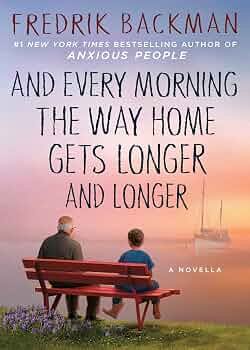
And Every Morning the Way Home Gets Longer and Longer by Fredrik Backman
(96 pages) LITERARY FICTION
A grandfather with dementia and his grandson sit on a bench in a slowly shrinking world. The bench is the grandfather’s memory: as the story progresses, familiar landmarks fade, and what remains is only the love between them. Backman writes with enormous emotional intelligence and without sentimentality, which is the harder achievement. This is a book that people finish and immediately give to someone they love.
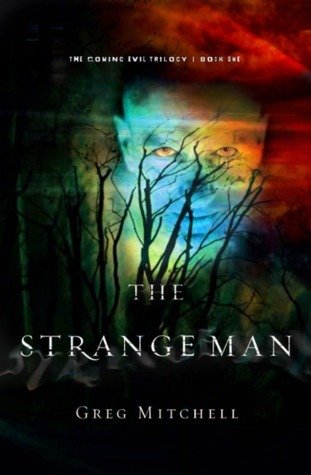
The Strange by CT Mitchell
(100 pages) SHORT FICTION
A standalone mystery that wastes no time getting to the heart of the matter. Mitchell uses the short format to keep the tension high and the resolution sharp, proving that a great story doesn’t need hundreds of pages to leave an impression. You can find similar fast paced stories in our mystery bookstore.
Non-Fiction Under 100 Pages
The non-fiction books that work best at this length share a quality with the best short fiction: they have one central argument, and they make it completely. No filler, no padding, and no chapter that could be cut without loss.
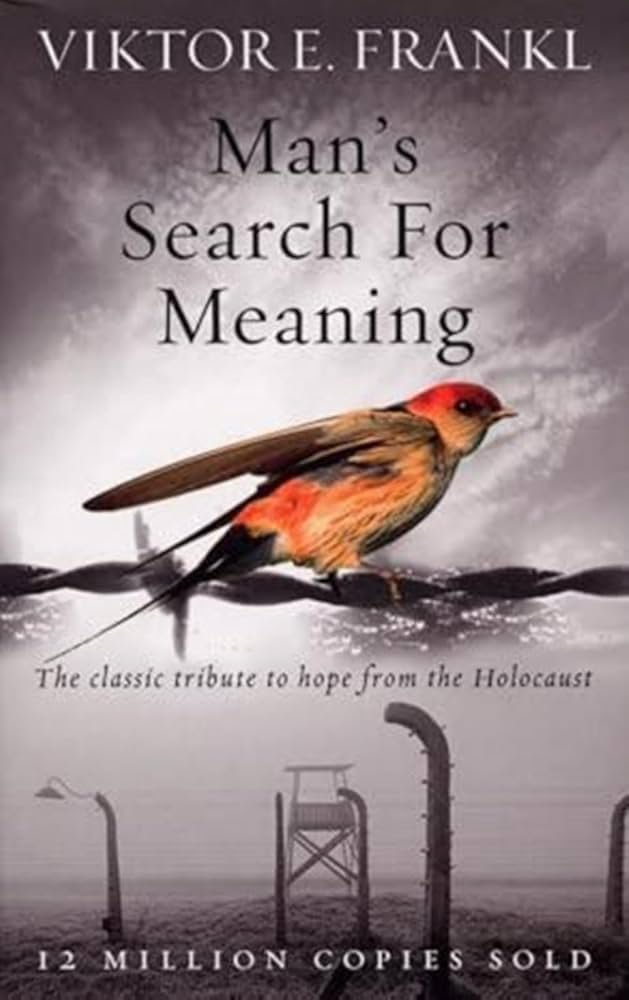
Man’s Search for Meaning by Viktor Frankl (154 pages) MEMOIR / PHILOSOPHY
A psychiatrist’s account of surviving four Nazi concentration camps, and the psychological framework (logotherapy) he developed from the experience. The first half is memoir; the second is philosophy. The central argument is that human beings can endure almost any suffering if they can find meaning in it. One of the most influential books of the 20th century. Slightly over the 100 page threshold but reads significantly shorter: included because no list of essential short non fiction is complete without it.
On Writing by Stephen King
(288 pages: EXCERPT RECOMMENDATION) NON-FICTION / CRAFT
A standalone mystery that wastes no time getting to the heart of the matter. Mitchell uses the short format to keep the tension high and the resolution sharp, proving that a great story doesn’t need hundreds of pages to leave an impression. You can find similar fast paced stories in our mystery bookstore.

2026 Breakthroughs: New Short Reads to Watch
As we move through 2026, several new titles have emerged that perfect the “one-sitting” requirement. Research into recent publishing trends shows that major authors are returning to the novella format to combat digital fatigue.
1. The Final Score by Don Winslow: A masterful collection of six short novels. Winslow has always had a deft touch with shorter forms, and the title story about a master thief facing the end of his road is a masterclass in pacing.
2. The Murder at World’s End by Ross Montgomery: Released in early 2026, this is the epitome of the modern cozy. It features a fun, locked-room mystery with plenty of amateur sleuthing that feels fresh yet traditional.
3. The Best Mystery Stories of the Year 2026 (Edited by Tess Gerritsen): If you cannot decide on one author, this anthology curates the absolute best short mystery fiction of the year. It is the perfect entry point for discovering new voices in the genre.
Short Mysteries for Specific Moods
When you want something warm and funny
The No. 1 Ladies’ Detective Agency by Alexander McCall Smith (226 pages): Precious Ramotswe establishes Botswana’s only female detective agency and takes on cases that are less about violence and more about human nature. McCall Smith writes with such genuine affection for his characters and setting that the book works as an antidote to almost any kind of stress.
When you want something clever and slightly unsettling
And Then There Were None by Agatha Christie (264 pages): ten strangers on an island, one by one. The most commercially successful mystery novel ever written, and still the most perfectly constructed. Christie’s prose is frictionless: you don’t notice the quality of the writing because it never slows you down.
When you want something literary that happens to be a thriller
The Hound of the Baskervilles by Arthur Conan Doyle (256 pages): a family curse, a spectral hellhound, and the fog-wreathed landscape of Dartmoor. Conan Doyle was not always a spare writer but the Sherlock Holmes novels are lean by his standards, and Baskervilles is the best of them.