
All posts by Greg Reed
Understanding Why Suspense Matters in Storytelling

Suspense hooks millions of readers and keeps them glued to stories, but it does much more than just make us anxious about what might happen next. In fact, research shows suspense triggers stress hormones like cortisol and activates the brain’s emotion centers. Most people think suspense is only about nail-biting twists or shocking endings, but the real secret is how it quietly manipulates your own emotions and turns you from a watcher into a participant.
Table of Contents
- What Is Suspense And How Does It Function In Stories?
- Why Does Suspense Create Emotional Connections With The Audience?
- How Suspense Drives Plot Development And Keeps Readers Engaged
- What Are The Psychological Effects Of Suspense On Readers?
- How Does Suspense Impact Storytelling Across Different Genres?
Quick Summary
| Takeaway | Explanation |
|---|---|
| Create suspense by withholding information | Deliberately hold back details to heighten reader tension and curiosity about outcomes. |
| Use character vulnerability to engage readers | Relatable character challenges foster emotional investment, prompting readers to care about the story. |
| Leverage neurochemical responses for emotional connectivity | Trigger anticipation and stress hormones to enhance reader engagement and create immersive experiences. |
| Implement strategic plot complications | Introduce unexpected twists to maintain momentum and audience interest throughout the narrative. |
| Adapt suspense techniques across genres | Utilize universal suspense mechanisms applicable in various storytelling styles to reach diverse audiences. |
What is Suspense and How Does It Function in Stories?
Suspense represents a powerful narrative technique that keeps readers intensely engaged by creating psychological tension and anticipation about potential outcomes. At its core, suspense is an emotional state where audience members experience heightened curiosity, anxiety, and uncertainty about what might happen next in a story.
The Psychological Mechanics of Suspense
Suspense functions through deliberate storytelling strategies that manipulate audience expectations and emotional responses. According to research from Stanford Encyclopedia of Philosophy, suspense is a complex psychological experience that transcends simple uncertainty. Writers create suspense by strategically withholding information, introducing potential risks, and constructing narrative scenarios where characters face significant challenges.
Key psychological elements that generate suspense include:
- Emotional investment in character outcomes
- Strategic information revelation
- Potential for unexpected plot developments
- Implied but unresolved narrative threats
Crafting Narrative Tension
Successful suspense creation involves carefully balancing audience knowledge and anticipation. Storytellers use multiple techniques to build tension, such as:
- Introducing high-stakes situations
- Creating time pressure for characters
- Establishing potential negative consequences
Interestingly, suspense can persist even when audiences understand potential outcomes. This phenomenon suggests that emotional engagement matters more than pure unpredictability. Read more about advanced suspense techniques in our guide on understanding the role of suspense in fiction.
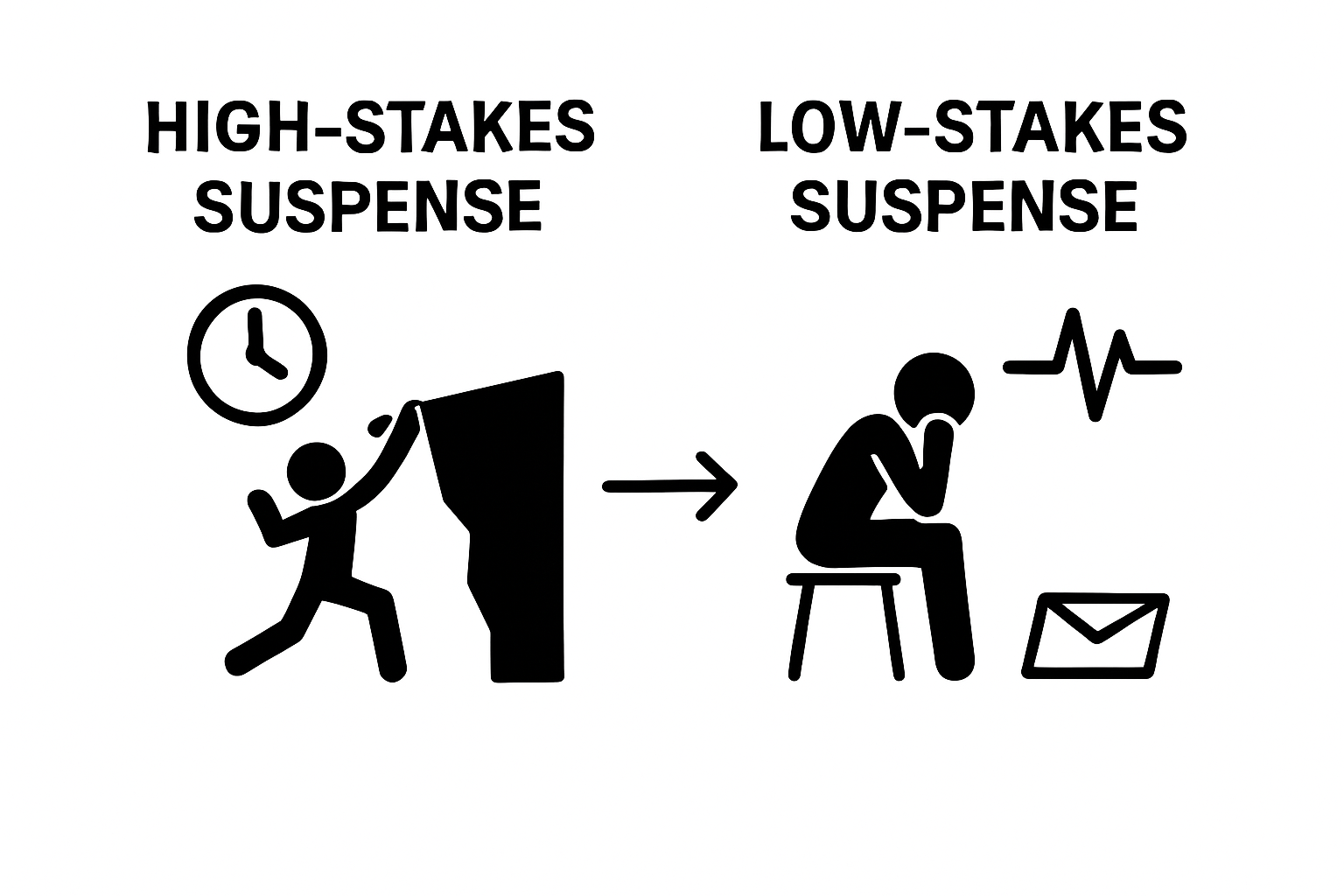
Ultimately, suspense transforms passive reading into an active, emotionally charged experience where readers become deeply connected to narrative progression, eagerly anticipating each subsequent plot development.
Why Does Suspense Create Emotional Connections with the Audience?
Suspense serves as a powerful psychological mechanism that transforms passive storytelling into an immersive emotional experience, compelling audiences to form deep connections with narrative elements and characters. By strategically engaging human neurological and emotional responses, suspense bridges the gap between fictional scenarios and genuine human experiences.
The Neurochemical Response to Narrative Tension
When audiences encounter suspenseful narratives, their brains undergo complex neurochemical reactions. According to research from the Greater Good Science Center at UC Berkeley, suspense triggers the release of cortisol, a stress hormone that heightens audience alertness and emotional engagement. This physiological response creates a visceral connection that goes beyond intellectual understanding.
Key neurological processes that generate emotional investment include:
- Activation of mirror neurons simulating character experiences
- Increased production of stress and empathy hormones
- Enhanced neural pathways for emotional processing
- Heightened sensory and cognitive attention
Empathy and Character Connection
Suspense fundamentally operates by encouraging audiences to emotionally invest in character outcomes. When storytellers construct scenarios with meaningful stakes, readers unconsciously project themselves into narrative challenges. Learn more about crafting compelling short story structures that maximize this emotional connection.
Emotional connection occurs through several critical mechanisms:
- Creating relatable character vulnerabilities
- Establishing clear narrative consequences
- Generating uncertainty about potential outcomes
- Presenting morally complex scenarios
Ultimately, suspense transforms storytelling from a passive experience into an active emotional journey, where audiences become psychological participants rather than mere observers. By triggering complex neurological responses and empathetic engagement, suspense creates profound connections that resonate far beyond the immediate narrative context.

How Suspense Drives Plot Development and Keeps Readers Engaged
Suspense functions as a narrative engine that propels storytelling forward, transforming linear plot progression into a dynamic, engaging experience. By strategically manipulating audience expectations and emotional investment, suspense becomes a critical mechanism for maintaining reader attention and driving narrative momentum.
Narrative Momentum and Information Control
Plot development through suspense relies on carefully controlled information revelation. According to research published in Psychological Science, suspenseful narratives increase audience attention by creating calculated zones of uncertainty that compel readers to continue reading.
Key strategies for maintaining narrative momentum include:
- Introducing strategic plot complications
- Withholding crucial narrative information
- Creating cascading narrative questions
- Establishing progressive story stakes
Structural Techniques for Sustained Engagement
Storytellers employ multiple structural techniques to maintain reader interest. Effective suspense creation involves more than simply concealing information. Explore advanced mystery writing techniques in our comprehensive guide to understand nuanced narrative strategies.
Engagement techniques that drive plot development comprise:
- Introducing unexpected narrative shifts
- Developing multilayered character motivations
- Creating interconnected narrative threads
- Establishing progressive narrative tension
Ultimately, suspense transforms plot development from a mechanical sequence of events into a dynamic, emotionally charged journey. By strategically balancing revelation and mystery, storytellers create narrative experiences that pull readers inexorably forward, transforming passive reading into an active, immersive exploration of unfolding events.
What Are the Psychological Effects of Suspense on Readers?
Suspense operates as a sophisticated psychological mechanism that profoundly transforms readers emotional and cognitive experiences. By triggering complex neurological responses, suspense transcends mere storytelling and becomes an intricate interaction between narrative and human psychological processing.
Neurological Activation and Emotional Arousal
When readers encounter suspenseful narratives, their brains undergo remarkable neurological transformations. According to research from Frontiers in Psychology, suspense directly stimulates emotion-related brain regions, particularly the amygdala, creating a heightened state of psychological engagement.
Key neurological responses triggered by suspense include:
- Increased production of stress hormones
- Enhanced neural pathway activation
- Heightened sensory perception
- Accelerated cognitive processing
Psychological Defense Mechanisms and Narrative Immersion
Readers unconsciously deploy sophisticated psychological defense mechanisms when experiencing suspenseful narratives. These mechanisms transform reading from a passive into an active psychological experience. Explore more about the intricacies of psychological narratives in our comprehensive thriller guide.
Psychological defense mechanisms activated during suspenseful reading involve:
- Emotional projection onto characters
- Vicarious risk assessment
- Subconscious threat evaluation
- Narrative scenario simulation
Ultimately, suspense creates a unique psychological landscape where readers simultaneously experience safety and danger, engagement and detachment. By carefully manipulating narrative tension, storytellers invite readers into complex emotional territories that challenge, stimulate, and transform their psychological understanding of human experience.
To clarify the different psychological and neurological effects suspense has on readers, the following table summarizes the main mechanisms and their impact as described in the article.
| Psychological/Neurological Mechanism | Description | Impact on Reader Experience |
|---|---|---|
| Emotional Projection onto Characters | Readers subconsciously experience character emotions and risks | Deepened empathy and immersion |
| Activation of Mirror Neurons | Brain simulates character actions and emotions | Enhanced connection and realism |
| Increased Production of Stress Hormones | Suspense triggers cortisol and other stress responses | Heightened alertness and engagement |
| Vicarious Risk Assessment | Readers mentally evaluate threats as if facing them themselves | More intense suspense and tension |
| Heightened Sensory Perception | Brain becomes more receptive to story details during suspense | Greater narrative vividness |
| Subconscious Threat Evaluation | Continuous assessment of potential narrative dangers | Increased emotional investment |
| Narrative Scenario Simulation | Readers mentally simulate what may happen next | Sustained curiosity and anticipation |
How Does Suspense Impact Storytelling Across Different Genres?
Suspense functions as a universal narrative technique that transcends genre boundaries, serving as a fundamental mechanism for engaging audiences across diverse storytelling formats. By manipulating narrative tension and emotional anticipation, suspense creates powerful connections between readers and stories, regardless of the specific genre framework.
Genre Adaptability and Narrative Tension
Suspense demonstrates remarkable versatility in generating audience engagement across multiple storytelling styles. According to research from the Stanford Literary Lab, suspense techniques have consistently evolved across different genres, from Gothic fiction to contemporary science fiction, proving its adaptive narrative power.
Key genre adaptation strategies include:
- Modifying tension generation techniques
- Adjusting narrative revelation pacing
- Transforming character threat dynamics
- Reimagining narrative complexity
Psychological Mechanisms of Cross Genre Engagement
The underlying psychological mechanisms of suspense remain consistent across genre boundaries. Stories leverage similar emotional triggers to maintain audience attention, whether in a romance, thriller, or science fiction narrative. Explore the nuanced terminology of genre storytelling in our comprehensive guide.
Universal suspense mechanisms across genres comprise:
- Creating anticipatory emotional states
- Establishing narrative stakes
- Developing character vulnerability
- Introducing unpredictable narrative elements
Ultimately, suspense represents a sophisticated storytelling language that communicates beyond genre limitations. By understanding and manipulating fundamental human psychological responses, storytellers can craft compelling narratives that resonate across diverse audience expectations and narrative frameworks.
This table compares how suspense adapts across genres, outlining both the general approach and the key techniques unique to each style as described in the article.
| Genre | Suspense Approach | Key Techniques Used |
|---|---|---|
| Thriller | Emphasizes immediate threat | High-stakes situations, time pressure |
| Romance | Focuses on emotional uncertainty | Relatable vulnerability, character secrets |
| Science Fiction | Explores unknown futures/technology | Revelation pacing, unpredictable elements |
| Gothic Fiction | Highlights atmosphere and dread | Implied threats, narrative complexity |
| Mystery | Centers around information control | Withheld clues, progressive stakes |
| Contemporary Fiction | Uses real-life tensions/risks | Morally complex scenarios, layered motivations |
Experience the Thrill of Suspenseful Reading—Start Your Short Story Journey Now
Do you ever find yourself eager for an emotional rush but struggle to stay engaged with long books? The article explained how suspense transforms reading into an active, pulse-quickening experience—yet many readers miss this thrill because traditional novels feel overwhelming or time-consuming. At TheShortReads.com, we specialize in short fiction that captures the exact tension, anticipation, and excitement discussed in our guide on understanding why suspense matters in storytelling. With expertly crafted stories under 150 pages, you get that impactful emotional connection without the commitment of a full-length novel.

Ready to feel every twist and turn? Explore our collection of suspense-driven short stories and rediscover genuine excitement in reading. Take the first step now—visit TheShortReads.com and download a free story. Let suspense draw you in and see how a quick read can spark your passion for stories today.
Frequently Asked Questions
What is suspense in storytelling?
Suspense is a narrative technique that creates psychological tension and anticipation in readers, keeping them engaged by making them curious about potential outcomes in the story.
How does suspense impact emotional engagement with characters?
Suspense encourages readers to emotionally invest in characters by creating relatable vulnerabilities and meaningful stakes, fostering a deeper connection between the audience and narrative elements.
What techniques do writers use to create suspense?
Writers create suspense by introducing high-stakes situations, withholding crucial information, manipulating audience expectations, and presenting characters with significant challenges that generate uncertainty about outcomes.
How does suspense vary between different storytelling genres?
Suspense is adaptable across genres, with techniques modifying to fit the narrative style—whether in romance, thriller, or science fiction—while maintaining similar psychological mechanisms that engage audiences.
Recommended
- Understanding the Role of Suspense in Fiction
- Short Mystery Writing Tips for Captivating Tales
- Understanding Short Story Structure
- Understanding Mystery Fiction Terminology Explained
- Understanding Content Storytelling for Business Growth
- What is a Season Premiere? Understanding Its Impact and Importance


6 Must-Know Mystery Short Stories Examples for Everyone

Mystery short stories are more than just quick suspenseful reads and they have completely shaped the way we think about fiction. Edgar Allan Poe is credited as the pioneer of the genre and his works set new standards for psychological tension and narrative complexity. Most people assume you need a full-length novel to solve a great puzzle. The truth is that these compact tales deliver richer twists and deeper insights than many books ten times their length.
Table of Contents
- Classic Mystery Short Stories That Defined The Genre
- Modern Short Mysteries to Read Today
- International Mystery Short Stories You Should Explore
- Affordable Mystery Short Story Collections Worth Buying
- Online Platforms for Free Mystery Short Stories
- Tips for Writing Your Own Mystery Short Story
Quick Summary
| Takeaway | Explanation |
|---|---|
| Classic stories set genre standards. | Edgar Allan Poe, Arthur Conan Doyle, and Agatha Christie shaped mystery storytelling with innovative techniques and relatable characters. |
| Modern stories explore human complexity. | Contemporary authors blend genres and delve into psychological themes, reflecting societal changes and moral ambiguities. |
| International narratives offer diverse perspectives. | Global storytelling brings unique cultural insights into crime, exploring how society influences human behavior. |
| Affordable collections are readily available. | Readers can access rich narratives from multiple authors in cost-effective compilations, enhancing their understanding of the genre. |
| Free digital resources enhance access. | Online platforms offer a wealth of classic and modern mystery stories for readers without financial pressure, opening literary exploration for all. |
1: Classic Mystery Short Stories That Defined The Genre
The world of mystery short stories has a rich history that captivates readers through intricate plots, unexpected twists, and compelling characters. These narrative gems have shaped the mystery genre, establishing foundational techniques that continue to inspire contemporary writers. Classic mystery stories represent more than just entertainment; they are intricate puzzles that challenge readers’ analytical thinking and problem solving skills.
Some of the most influential mystery short stories emerged during the late 19th and early 20th centuries, introducing groundbreaking narrative techniques that transformed storytelling. Edgar Allan Poe is widely considered the pioneer of the mystery short story genre, creating works that set unprecedented standards for suspense and psychological depth. His famous story “The Tell Tale Heart” demonstrated how internal psychological tension could drive narrative complexity.
Key characteristics that define classic mystery short stories include:
-
Unexpected plot twists that challenge reader expectations
-
Complex protagonist characters with nuanced motivations
-
Detailed crime or mystery scenarios requiring intellectual resolution
Arthur Conan Doyle further expanded the genre with his iconic Sherlock Holmes series, introducing a methodical detective whose logical reasoning became a template for future mystery narratives. Similarly, Agatha Christie revolutionized mystery writing with her ingenious plotting and remarkable ability to misdirect readers.
These classic stories established critical narrative techniques that modern mystery writers continue to study and emulate. They demonstrated how a compact narrative could deliver profound psychological insights, intricate puzzles, and compelling human drama within a limited word count.
For readers interested in diving deeper into the structural nuances of short fiction, our guide on understanding short story structure offers comprehensive insights into crafting engaging narratives.
2: Modern Short Mysteries to Read Today
Contemporary mystery short stories continue to evolve, offering readers intense psychological explorations and innovative narrative techniques. Unlike traditional detective fiction, modern mystery stories delve deeper into human complexity, blending genres and challenging conventional storytelling approaches. Contemporary authors are pushing boundaries, creating narratives that are less about solving crimes and more about understanding human motivations.
Emerging writers are transforming the mystery genre by introducing multicultural perspectives, experimental structures, and nuanced character development. These stories move beyond simple plot resolution, exploring broader themes of identity, social dynamics, and personal transformation.
Key features of modern mystery short stories include:
-
Blending multiple genres like psychological thriller, speculative fiction, and literary drama
-
Complex characters with ambiguous moral landscapes
-
Narratives that challenge traditional crime solving frameworks
George Saunders exemplifies this new approach, crafting stories that blend humor, surrealism, and profound human insight. His work demonstrates how mystery can transcend traditional genre boundaries, creating narratives that are simultaneously entertaining and intellectually provocative.
Similarly, Daisy Johnson represents a new wave of writers who incorporate elements of horror and psychological suspense into their mystery storytelling. Her interconnected stories challenge readers’ expectations, creating immersive experiences that blur genre lines.
For readers eager to explore contemporary mystery short stories, our mystery eBook collection offers a curated selection of cutting edge narratives that represent the genre’s exciting new directions. These stories reflect a growing trend towards more complex, nuanced storytelling that engages readers on multiple intellectual and emotional levels.
3: International Mystery Short Stories You Should Explore
International mystery short stories offer readers a fascinating glimpse into diverse cultural perspectives on crime, psychology, and human nature. Global storytelling provides unique narrative approaches that challenge Western mystery conventions, presenting intricate puzzles rooted in local traditions and social dynamics.
International mystery literature represents more than entertainment; it serves as a window into different societal structures, moral frameworks, and human experiences. Each cultural context brings its own nuanced approach to storytelling, transforming familiar mystery tropes into rich, complex narratives.
Significant international mystery short story traditions include:
-
Japanese social mysteries exploring systemic societal tensions
-
French psychological narratives with unexpected moral twists
-
Latin American magical realism blended with detective elements
Japanese mystery writers have particularly distinguished themselves by developing the social mystery subgenre. Unlike traditional detective stories focused on individual perpetrators, these narratives examine broader systemic issues, revealing how social structures contribute to criminal behaviors.
French mystery short stories, exemplified by authors like Maurice Level, often feature psychological complexity and macabre elements. These stories move beyond simple crime resolution, delving into characters’ inner landscapes and moral ambiguities. Level’s works, frequently performed at the Thtre du Grand-Guignol, demonstrate how mystery can become a tool for exploring human psychology.
Latin American authors further expand the genre by incorporating magical realism, blending supernatural elements with detective narratives. Writers like Jorge Luis Borges have transformed mystery storytelling, creating intricate puzzles that challenge readers’ perceptions of reality.
For readers interested in exploring diverse mystery narratives, our mystery fiction collection offers a curated selection of international stories that showcase the genre’s global richness and complexity.
4: Affordable Mystery Short Story Collections Worth Buying
Affordable mystery short story collections offer readers an accessible gateway into the genre, providing rich storytelling experiences without requiring significant financial investment. These compilations represent exceptional value, delivering multiple narratives within a single volume and introducing readers to diverse writing styles and perspectives.
Comprehensive mystery collections enable readers to explore different authors, narrative techniques, and thematic approaches without purchasing multiple individual works. This approach makes discovering new writers both economical and intellectually stimulating.
Key considerations when selecting affordable mystery short story collections include:
-
Total number of stories per collection
-
Diversity of narrative styles and themes
-
Reputation and awards of included authors
Classic anthology collections remain particularly compelling for budget conscious readers. Agatha Christie’s ‘Double Sin and Other Stories’ provides eight expertly crafted detective narratives featuring her iconic character Hercule Poirot. Similarly, Tony Hillerman’s ‘The Mysterious West’ offers 20 engaging mystery stories set in the American West, demonstrating the genre’s geographical and stylistic versatility.
Contemporary authors like Joyce Carol Oates have also produced remarkable, affordable collections. Her ‘DIS MEM BER and Other Stories of Mystery and Suspense’ won the Bram Stoker Award, showcasing how budget friendly collections can still represent exceptional literary quality.
For readers seeking convenient access to mystery short stories, our mystery eBook collection provides curated, affordable options that cater to various reading preferences and budgetary constraints. These digital collections eliminate printing and shipping costs, making high quality mystery narratives more accessible than ever before.
5: Online Platforms for Free Mystery Short Stories
Digital platforms have revolutionized access to mystery short stories, offering readers unprecedented opportunities to explore diverse narratives without financial barriers. The internet has transformed how readers discover and consume mystery fiction, creating multiple channels for free, high quality storytelling.
Online mystery story platforms provide readers with extensive collections spanning different genres, styles, and difficulty levels. These digital resources democratize literary access, enabling readers from various backgrounds to engage with compelling mystery narratives.
Important features to consider when exploring free online mystery story platforms include:
-
Quality of curated content
-
User interface and reading experience
-
Variety of story genres and difficulty levels
Public domain resources like Wikisource offer extensive collections of classic mystery short stories, allowing readers to explore works by legendary authors without cost. Educational platforms such as CommonLit provide carefully selected mystery stories suitable for different age groups, making them excellent resources for students and literature enthusiasts.
Government institutions like the Library of Congress have also developed digital collections featuring mystery narratives, providing authenticated, high quality content for readers. These platforms not only offer free stories but also serve as valuable educational resources, contextualizing literature within broader cultural frameworks.
For readers seeking convenient, curated mystery story experiences, our free short read collection provides a selection of engaging narratives designed to captivate and entertain. These digital platforms represent a significant evolution in how readers access and enjoy mystery fiction, breaking down traditional barriers to literary exploration.
6: Tips for Writing Your Own Mystery Short Story
Writing a compelling mystery short story requires strategic planning and creative execution. Unlike longer narratives, short stories demand precision, with every word serving a critical purpose in developing tension, character, and plot resolution.
Successful mystery short stories rely on creating intricate puzzles within limited word count, challenging writers to be simultaneously economical and imaginative. The goal is to craft a narrative that keeps readers guessing while providing satisfying revelations.
Critical elements for crafting an engaging mystery short story include:
-
Establishing a clear narrative hook within first paragraph
-
Creating complex characters with believable motivations
-
Developing unexpected plot twists
Character development remains paramount in mystery short stories. Readers must feel invested in the protagonist’s journey, understanding their psychological landscape while simultaneously tracking the mystery’s progression. This requires introducing nuanced characters whose actions and decisions drive the narrative forward.
Plotting techniques specific to mystery short stories involve strategic information revelation. Experienced writers understand the delicate balance between providing sufficient clues and maintaining narrative suspense. Foreshadowing becomes an art form, with subtle hints embedded throughout the story that only make sense upon final revelation.
The technical constraints of short story writing demand exceptional editing skills. Writers must ruthlessly eliminate unnecessary details, focusing on creating maximum impact with minimal language. Each sentence should serve multiple narrative purposes simultaneously.
For aspiring mystery writers seeking deeper insights, our guide on understanding short story structure offers comprehensive techniques for crafting compelling narratives. By mastering these fundamental principles, writers can transform simple mysteries into captivating literary experiences that resonate with readers long after the final paragraph.
Below is a comprehensive table summarizing the key topics, concepts, and takeaways from the article on must-know mystery short stories:
| Key Topic | Main Points & Features |
|---|---|
| Classic Mystery Short Stories | Works by Poe, Doyle, and Christie set genre standards; feature psychological tension, plot twists, complex protagonists, and narrative innovation. |
| Modern Mystery Short Stories | Explore psychological depth, blend genres, address identity and social change, and feature complex, morally ambiguous characters; authors include George Saunders and Daisy Johnson. |
| International Mystery Narratives | Offer cultural variety and new perspectives: Japanese social mysteries examine society, French stories focus on psychological and moral twists, Latin American works blend magical realism with whodunits. |
| Affordable Short Story Collections | Provide accessible entry to genre and exposure to varied voices via anthologies; recommended authors include Agatha Christie, Tony Hillerman, Joyce Carol Oates. |
| Free Digital Resources | Online platforms (Wikisource, CommonLit, Library of Congress) and curated websites make classic and modern mysteries easily accessible for all readers at no cost. |
| Tips for Writing Mystery Short Stories | Use strong hooks, well-developed characters, foreshadowing, and compact, suspenseful plots; ensure every detail serves the narrative and maintains reader engagement. |
| Benefits of Mystery Short Stories | Deliver suspense, intellectual challenge, and deep insight quickly; ideal for busy readers; offer a global array of styles and influences; help writers learn tight storytelling craft. |
Discover Mystery Short Stories Designed for Busy Readers
Are you intrigued by the clever twists and engaging puzzles found in the article on must-know mystery short story examples? Many readers want to enjoy compelling narratives like these but struggle with time constraints or feel overwhelmed by the idea of starting a long novel. If you crave impactful storytelling filled with suspenseful turns and sharp characters, but need something quick and accessible, TheShortReads.com has the perfect solution for you. Dive into expertly curated mystery short reads created for those who love to solve mysteries within minutes, not hours.
Ready to experience the suspense highlighted in the article—without any obstacles? Visit https://theshortreads.com now to access our free mystery short stories collection. Grab your chance to jump into unforgettable mysteries wherever and whenever you want. Start reading today and see how easy it is to make short fiction a rewarding habit.
Frequently Asked Questions
What are some classic mystery short stories that have shaped the genre?
Classic mystery short stories include works by writers like Edgar Allan Poe and Arthur Conan Doyle. Poe’s “The Tell Tale Heart” and Doyle’s Sherlock Holmes series exemplify foundational techniques in mystery storytelling.
How do modern mystery short stories differ from classic ones?
Modern mystery short stories often blend genres and delve into complex human emotions, whereas classic stories typically focus on detective work and crime resolution. Contemporary narratives frequently explore themes of identity and personal transformation.
What unique features do international mystery short stories offer?
International mystery short stories provide diverse cultural perspectives on crime and psychology. For example, Japanese mysteries often tackle societal tensions, while Latin American stories may incorporate magical realism into their narratives, offering rich, complex storytelling.
What tips can help me write an engaging mystery short story?
To write a compelling mystery short story, focus on creating a strong narrative hook, developing complex characters, and strategically revealing information. Each word should serve a purpose in building tension and driving the plot towards a satisfying conclusion.
Recommended
- Top Picks –
- Mystery Fiction
- Understanding Short Story Structure
- Understanding Mystery Fiction Terminology Explained


Short Mystery Writing Tips for Captivating Tales

Short mysteries might look simple, but the real magic starts with a bold idea and characters who feel alive. Writers often rush to create twists, yet over 60 percent of successful short mysteries succeed because they focus first on a strong central concept before anything else. Most people think a great plot is all you need, but it turns out the secret ingredient is understanding the deeper psychology behind every motive and clue.
Table of Contents
- Step 1: Define Your Mystery’s Core Concept
- Step 2: Create Engaging Characters With Depth
- Step 3: Outline Your Plot With Twists And Turns
- Step 4: Write Compelling Scenes And Suspenseful Moments
- Step 5: Revise For Clarity And Impact
- Step 6: Share And Gather Feedback For Improvement
Quick Summary
| Key Point | Explanation |
|---|---|
| 1. Define a compelling core concept | Start your mystery with a unique, intriguing central concept that sparks curiosity and drives the narrative forward. |
| 2. Create multidimensional characters | Develop characters with complex motivations and emotional depths to engage readers and enhance the mystery’s impact. |
| 3. Strategically outline your plot | Construct a plot with twists and red herrings that create suspense and keep readers guessing until the end. |
| 4. Craft suspenseful scenes | Use psychological tension and strategic information revelation in scenes to maintain reader engagement and intrigue. |
| 5. Seek constructive feedback | Gather diverse perspectives from readers to refine your story, focusing on narrative clarity and character consistency. |
Step 1: Define Your Mystery’s Core Concept
Crafting a captivating short mystery begins with establishing a clear and compelling central concept that will intrigue readers from the first paragraph. Your core concept serves as the foundation of your entire narrative, driving the plot, characters, and ultimate resolution.
Start by identifying the central mystery or crime that will propel your story forward. This isn’t just about selecting a random event but creating a scenario that sparks immediate curiosity. Ask yourself what unique twist or unexpected element can transform an ordinary situation into something extraordinary. Will your mystery revolve around a seemingly impossible crime, a hidden family secret, or an inexplicable disappearance?
Consider the psychological and emotional landscape surrounding your central mystery. What motivations drive your characters? What underlying tensions or unresolved conflicts make this particular mystery compelling? The most engaging mysteries are never just about the surface level crime but about the complex human emotions and relationships that create the conditions for such an event.
Research from the Yale-New Haven Teachers Institute suggests that understanding the broader context of your mystery is crucial. This means developing a rich background that provides depth to your narrative. Your core concept should hint at larger themes social dynamics, personal histories, or psychological complexities that make readers want to unravel the mystery.
One effective technique is to create a provocative narrative question that your mystery will gradually answer. This question should be intriguing enough to pull readers through the story. For instance, instead of simply stating “a murder occurred,” frame it as “What could drive someone to commit an unthinkable crime in a seemingly peaceful community?”
Remember that in short mystery writing, every word counts. Your core concept must be distilled to its most potent form, eliminating unnecessary complexity while maintaining intrigue. Read more about understanding mystery fiction terminology to refine your approach and ensure your central concept resonates with genre expectations.
Verify your core concept by asking these key questions:
- Does this mystery provoke genuine curiosity?
- Are the stakes clear and emotionally engaging?
- Can this concept be effectively explored within a short story format?
A well-defined core concept transforms a simple narrative into an unforgettable reading experience, setting the stage for a mystery that will keep readers guessing until the final revelation.
Step 2: Create Engaging Characters with Depth
In short mystery writing, characters are the pulsing heart of your narrative. Developing multidimensional characters transforms a simple plot into a gripping tale that keeps readers turning pages, eager to understand the complex individuals driving the mystery.
Start by constructing characters with intricate psychological landscapes. Your protagonist shouldn’t just be a detective or victim but a living, breathing individual with unique motivations, internal conflicts, and personal histories. Consider what unexpected traits might make them compelling. Perhaps your detective struggles with a past failure that haunts their current investigation, or your witness carries a secret that complicates their testimony.
Research from the Mystery Writers of America emphasizes the importance of providing readers intimate insights into a character’s emotional world. This means developing characters who are neither completely heroic nor entirely villainous but exist in nuanced moral territories. A character’s flaws often become the most fascinating elements of a mystery narrative.
To create depth, develop comprehensive character backgrounds that extend beyond the immediate mystery. What personal experiences have shaped their worldview? What unresolved emotional wounds might influence their decisions? These background details might not all appear explicitly in your short story, but they will inform every action and dialogue, making characters feel authentic.
Dialogue becomes a powerful tool for revealing character complexity. Each character should have a distinct voice that reflects their background, education, emotional state, and personality. A wealthy businessman will speak differently from a street-smart detective, and these linguistic nuances can provide subtle clues about motivations and inner tensions.
Explore our guide on understanding short story structure to learn how character development intertwines with narrative progression. In short mysteries, every character interaction must serve multiple purposes: advancing the plot, revealing psychological depth, and maintaining narrative tension.
Verify your character development by asking these critical questions:
- Does each character have a clear, unique motivation?
- Are their actions consistent with their established personality?
- Do they possess both strengths and vulnerabilities?
Remember, in short mystery writing, characters are not just pieces moving through a plot but the very engine that drives reader engagement and narrative momentum. Craft them with intention, complexity, and an understanding that true mystery lies not just in events, but in the intricate human psyche.
Step 3: Outline Your Plot with Twists and Turns
Crafting a compelling mystery plot requires more than a linear sequence of events. Strategic plot development transforms a simple narrative into an intellectual puzzle that keeps readers guessing and engaged until the final revelation.
Begin by establishing a foundational structure that allows for strategic misdirection. Your plot should create a narrative trajectory that appears straightforward on the surface but contains subtle layers of complexity. This means carefully planting strategic clues and red herrings that simultaneously guide and mislead your readers. Think of your plot as an intricate dance where each movement serves multiple purposes: advancing the story, revealing character motivations, and creating suspense.
Research from Robert McCaw emphasizes the importance of misdirection in crafting plot twists. The key is to lead readers down one narrative path while quietly preparing them for an unexpected turn. This doesn’t mean creating arbitrary or impossible surprises, but constructing twists that feel both shocking and inevitable when revealed.
Consider developing a plot outline that includes multiple potential suspects or explanations. Each character should have sufficient motivation and opportunity to be the potential culprit, which creates genuine uncertainty. Your job is to distribute suspicion strategically, ensuring that readers cannot easily predict the final resolution.
Pacing becomes crucial in short mystery writing. Compress your narrative tension by ensuring that each plot point serves multiple functions. A single scene should reveal character insights, advance the investigation, and potentially introduce new questions or suspicions. This approach maintains momentum and prevents the story from feeling predictable or sluggish.
Learn more about understanding short story structure to refine your approach to plot development. In short mysteries, every paragraph must work overtime, delivering information, building suspense, and maintaining reader engagement.
Verify your plot outline by checking these critical elements:
- Are there multiple plausible explanations for the central mystery?
- Does each plot point reveal something new about characters or the situation?
- Can the entire narrative arc be effectively resolved within a short story format?
Remember that in short mystery writing, plot is not just about what happens, but about how information is strategically revealed. Your goal is to create a narrative that feels like an intellectual game between you and the reader, where the ultimate satisfaction comes from a resolution that is both surprising and deeply satisfying.

Step 4: Write Compelling Scenes and Suspenseful Moments
Crafting suspenseful scenes is an art form that transforms a simple narrative into an electrifying reading experience. Suspense is not about constant action, but about creating psychological tension that keeps readers holding their breath, anticipating the next revelation.
Master the technique of strategic information revelation. Each scene should function like a carefully constructed puzzle, offering glimpses of information that tantalize without completely exposing the underlying mystery. Think of your narrative as a gradual unveiling, where each paragraph introduces subtle hints that simultaneously satisfy and perplex your readers.
Research from TeachWriting.org highlights the importance of maintaining mystery through strategic storytelling. Use descriptive language that creates atmosphere and builds psychological tension. Descriptions should never be passive but always serve multiple purposes: revealing character psychology, advancing the plot, and maintaining an underlying sense of unease.
Dialogue becomes a powerful tool for creating suspense. Characters should speak with intentional restraint, leaving spaces between their words that invite reader interpretation. A seemingly casual comment can become loaded with meaning when positioned strategically. Consider how what is left unsaid can be more powerful than explicit statements.
Pacing is critical in short mystery writing. Alternate between moments of intense revelation and quiet, contemplative scenes that allow tension to simmer. This rhythm prevents reader fatigue while maintaining an underlying current of anticipation. A sudden shift in perspective or an unexpected internal monologue can dramatically heighten suspense.
Explore our guide on understanding the role of suspense in fiction to deepen your technique. Remember that in short mysteries, every sentence must work overtime, delivering information while simultaneously maintaining narrative mystery.
Verify your scene’s suspense potential by checking these critical elements:
- Does each scene introduce new questions or complications?
- Are character motivations subtly but consistently obscured?
- Can readers feel the underlying tension even in quiet moments?
Ultimately, writing suspenseful scenes is about creating an immersive experience where readers become active participants in unraveling the mystery. Your goal is to make them feel both intellectually challenged and emotionally invested in discovering what happens next.
Step 5: Revise for Clarity and Impact
Revision is where good mystery writing transforms into exceptional storytelling. Ruthless editing separates amateur narratives from professional, compelling mysteries that keep readers thoroughly engaged from the first paragraph to the final revelation.
Approach your first draft with a critical eye, understanding that initial writing is about exploration while revision is about precision. Eliminate unnecessary words that dilute your narrative’s power. Every sentence should serve a specific purpose: advancing the plot, revealing character complexity, or building suspense. If a paragraph or sentence doesn’t contribute directly to your mystery’s core tension, consider removing it.
Research from the University of North Carolina at Chapel Hill emphasizes the importance of clear sentence structure and precise word choice. In mystery writing, clarity doesn’t mean simplicity but strategic communication. Your goal is to craft sentences that are simultaneously transparent and layered with potential meaning.
Focus on narrative consistency and logical progression. Review your plot arc meticulously, ensuring that character actions, motivations, and the mystery’s resolution make sense. Check that your carefully planted clues connect logically and that any plot twists feel surprising yet inevitable. A well-crafted mystery should feel like an intricate puzzle where every piece ultimately fits perfectly.
Read your draft aloud to catch awkward phrasings, repetitive language, and moments where the narrative momentum stalls. Hearing the text allows you to experience the story as a reader would, revealing subtle rhythmic issues or areas where suspense might be unintentionally disrupted. Pay special attention to dialogue, ensuring each character speaks with a distinct voice that reveals their unique personality and potential role in the mystery.
Discover more about understanding mystery fiction terminology to refine your editing approach. Remember that in short mysteries, precision is paramount. You have limited space to create a compelling narrative, so every word must be intentional and impactful.
Verify your revision by checking these critical elements:
- Does each scene maintain narrative tension?
- Are character motivations consistently logical?
- Can the entire mystery be resolved satisfyingly within the story’s framework?
Treat revision as an opportunity to distill your narrative to its most powerful essence. Your final draft should feel like a finely tuned instrument, ready to captivate readers with its elegant complexity and intellectual challenge.
Below is a checklist to help you verify your short mystery draft before finalizing. Use this table to ensure your story meets essential criteria for clarity, character consistency, and narrative impact.
| Checklist Item | Verification Question |
|---|---|
| Core Concept | Does this mystery provoke genuine curiosity? |
| Stakes | Are the stakes clear and emotionally engaging? |
| Suitability | Can this concept be effectively explored within a short story format? |
| Character Motivation | Does each character have a clear, unique motivation? |
| Character Consistency | Are their actions consistent with their established personality? |
| Character Depth | Do they possess both strengths and vulnerabilities? |
| Plot Complexity | Are there multiple plausible explanations for the central mystery? |
| Plot Development | Does each plot point reveal something new about characters or the situation? |
| Resolution | Can the entire narrative arc be effectively resolved within a short story format? |
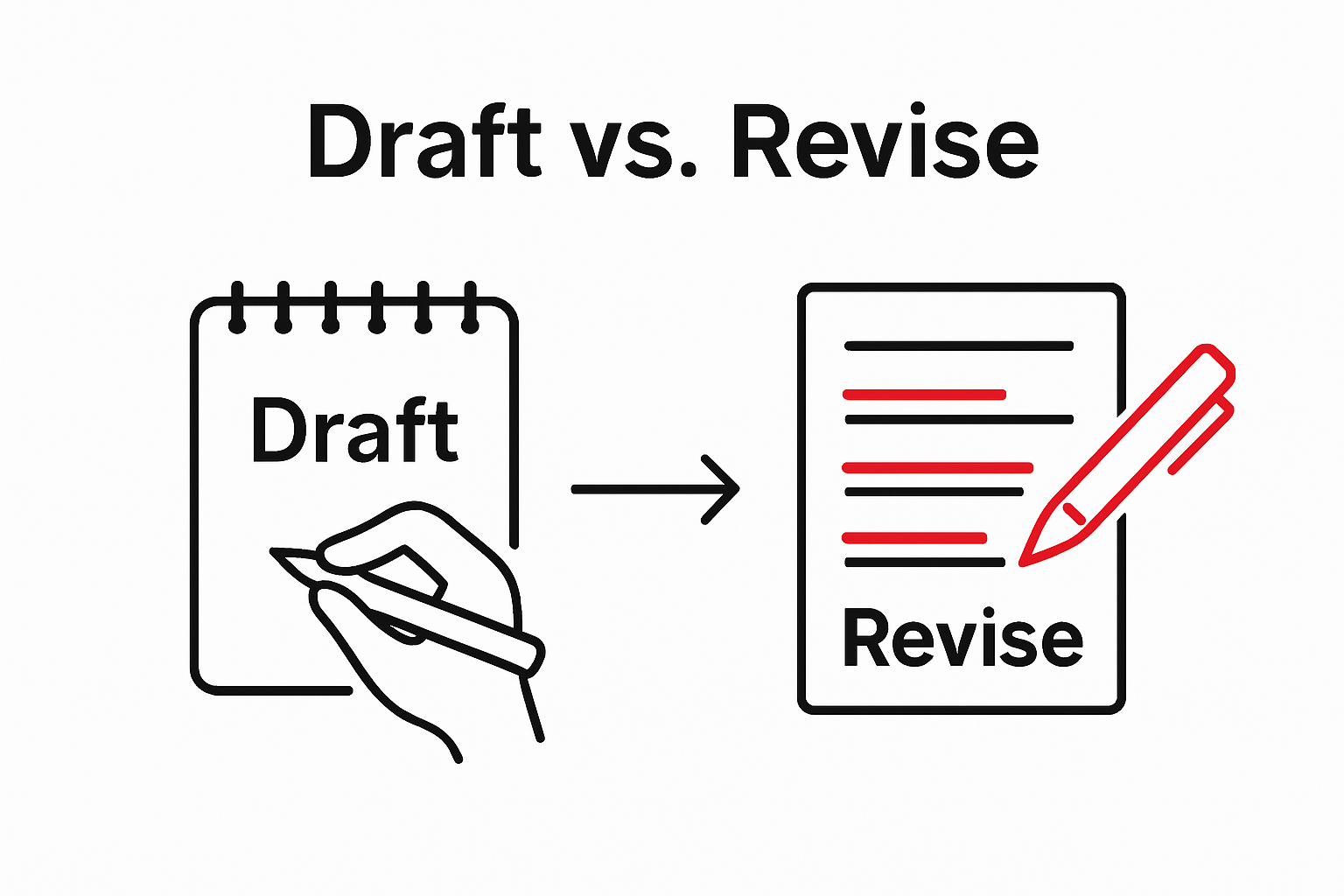
Step 6: Share and Gather Feedback for Improvement
Seeking constructive feedback is the crucible where raw mystery writing transforms into polished narrative gold. Vulnerability becomes your greatest strength when you open your work to thoughtful critique, understanding that external perspectives can reveal narrative blind spots you might have missed.
Identify a diverse group of readers who represent your target audience. This means finding individuals who not only enjoy mystery fiction but can provide nuanced, specific feedback. Seek out readers who will challenge your narrative, not simply praise your work. Look for beta readers who are willing to dissect your story’s logical consistency, character motivations, and plot progression with surgical precision.
Research from recent academic studies demonstrates that critical peer review significantly enhances writing quality. When sharing your mystery, provide specific guidance to your readers. Ask targeted questions that help them focus their feedback: How predictable was the mystery? Were the plot twists surprising yet believable? Did the characters’ actions feel consistent?
Create a structured feedback mechanism that encourages honest, constructive criticism. Consider developing a simple questionnaire or feedback template that guides readers toward providing meaningful insights. This approach helps prevent vague responses like “I liked it” and instead solicits specific, actionable observations about your narrative’s strengths and weaknesses.
Learn more about understanding mystery fiction terminology to help potential readers provide more precise feedback. The more specific your readers can be, the more valuable their insights become in refining your mystery.
Remember that not all feedback is equally valuable. Develop the skill of distinguishing between subjective preferences and objective critique. A comment about a character feeling unrealistic might be more important than a suggestion about word choice. Train yourself to recognize feedback that genuinely improves your narrative’s core elements.
Verify the effectiveness of your feedback process by checking these critical elements:
- Did multiple readers consistently highlight similar narrative issues?
- Can you identify concrete ways to improve your mystery based on the feedback?
- Does the feedback align with your original storytelling intentions?
Treat feedback as a collaborative process of narrative refinement. Your mystery is not a fixed artifact but a living story that can be elevated through thoughtful, strategic input from readers who are genuinely invested in your creative journey.
Bring Your Short Mystery Stories to Life With TheShortReads.com
You have worked hard to define your core concept, create deep characters, and master suspenseful scenes. Still, bringing your mystery tales to eager readers can feel daunting. Many writers struggle to reach an audience who appreciates quick, engaging stories under 150 pages. Others may find it difficult to get feedback or see their writing gain visibility. At TheShortReads.com, we solve these problems for you by offering a platform that celebrates short fiction, connects you with curious new readers, and provides free downloads to help your stories make an impact fast.
Join a vibrant community that appreciates clarity, creativity, and the unique intrigue of short mysteries. Submit your stories or explore our Understanding Mystery Fiction Terminology resource to sharpen your craft and see how your work stands out. Discover how quick reads can turn casual browsers into lifelong fans. Visit TheShortReads.com now and take the next step to share your captivating mysteries with a wider audience. Your story deserves to be read today.
Frequently Asked Questions
What are the key steps in writing a short mystery?
To write a short mystery, start by defining a clear core concept, creating engaging characters, outlining your plot with strategic twists, writing compelling scenes, revising for clarity, and gathering feedback for improvement.
Use this overview table to quickly review each step in the short mystery writing process, along with goals and key outcomes. Refer to it as a roadmap for crafting captivating stories.
| Step | Goal | Key Outcome |
|---|---|---|
| 1 | Define core concept | Unique, intriguing central mystery |
| 2 | Create engaging characters | Multidimensional, psychologically rich cast |
| 3 | Outline plot | Suspenseful twists and red herrings |
| 4 | Write compelling scenes | Strategic suspense and tension |
| 5 | Revise for clarity | Clear, concise, impactful narrative |
| 6 | Gather feedback | Improved story through constructive critique |
How can I create compelling characters in a short mystery?
Develop multidimensional characters by giving them unique motivations, internal conflicts, and personal histories that add depth to their personalities and make them relatable to readers.
What techniques can I use to build suspense in my mystery story?
Use strategic information revelation, descriptive language, and impactful dialogue to create psychological tension. Vary pacing by alternating between intense moments and quiet scenes.
How important is revision in the short mystery writing process?
Revision is crucial as it allows writers to refine their narratives by eliminating unnecessary elements, improving clarity, ensuring logical progression, and enhancing overall reader engagement.
Recommended
- Understanding Short Story Structure
- Understanding Mystery Fiction Terminology Explained
- Understanding the Role of Suspense in Fiction
- Mystery Fiction
- How to Create Captivating Content


Understanding the Role of Suspense in Fiction

Suspense in fiction can make a story almost impossible to put down. Studies show that suspense activates the brain’s reward system, releasing chemicals like dopamine and adrenaline that keep readers hooked. Most people think it is all about big plot twists or shocking reveals, but the real secret is in the carefully crafted uncertainty that keeps you guessing with every page.
Table of Contents
- What Is Suspense In Fiction And Its Purpose?
- Why Suspense Matters: Emotional Engagement And Reader Retention
- How Suspense Works: Techniques And Elements Used By Writers
- Key Concepts Of Suspense: Building Tension And Anticipation
- Real-World Examples: Suspense In Popular Fiction And Its Impact
Quick Summary
| Takeaway | Explanation |
|---|---|
| Suspense enhances reader engagement. | It transforms reading into an emotionally charged experience that maintains interest and participation. |
| Anticipation is crucial for suspense. | Writers create emotional investment by generating uncertainty about character outcomes and narrative developments. |
| Control information disclosure strategically. | Authors maintain narrative tension by deciding when and how much information to reveal to readers. |
| Characters’ motivations are key drivers. | Complex and unpredictable character behaviors foster engagement, encouraging readers to anticipate outcomes. |
| Utilize genre-specific suspense techniques. | Different genres require tailored approaches in building suspense, enhancing the story’s emotional impact. |
What is Suspense in Fiction and Its Purpose?
Suspense is a powerful narrative technique that transforms storytelling from a passive experience into an emotionally charged journey. At its core, suspense represents the deliberate creation of anticipation, uncertainty, and psychological tension that keeps readers intellectually and emotionally invested in a story.
The Psychological Mechanism of Suspense
In fiction, suspense operates as a complex cognitive and emotional mechanism. Research from ResearchGate reveals that suspense generates a unique emotional state characterized by uncertainty about imminent narrative outcomes. This uncertainty triggers a series of psychological responses that compel readers to remain engaged.
The primary psychological triggers of suspense include:
- Anticipation of potential threats or challenges
- Emotional investment in character outcomes
- Cognitive desire to resolve narrative mysteries
Purpose and Strategic Implementation
Suspense serves multiple strategic purposes in fiction beyond mere entertainment. It functions as a narrative tool that:
- Maintains reader engagement through emotional arousal
- Creates intellectual curiosity about potential story developments
- Encourages active reader participation through mental predictions
Authors construct suspense through carefully orchestrated narrative techniques such as strategic information withholding, introducing complex character motivations, and creating scenarios with multiple potential resolutions. By manipulating reader expectations, writers transform storytelling into an interactive experience that goes beyond linear plot progression.
Understanding suspense is crucial for readers and writers alike. For those interested in exploring narrative techniques more deeply, check out our guide on mystery fiction storytelling.
Why Suspense Matters: Emotional Engagement and Reader Retention
Suspense transcends simple narrative technique, serving as a critical psychological mechanism that transforms reading from passive consumption to active emotional experience. By strategically manipulating reader emotions, suspense becomes a powerful tool for maintaining engagement and creating memorable storytelling experiences.
The Neurological Impact of Suspense
Research from Springer reveals that suspense activates complex neurological reward systems, generating a profound emotional and cognitive response. When readers encounter narrative uncertainty, their brains release neurochemicals like dopamine and adrenaline, creating a physiological investment in the story’s progression.
The key neurological responses triggered by suspense include:
- Heightened attention and sensory awareness
- Increased emotional arousal
- Activation of predictive cognitive mechanisms
Psychological Dynamics of Reader Retention
Suspense operates as a sophisticated psychological engagement strategy. By creating deliberate narrative tensions, authors compel readers to remain emotionally connected, transforming potential disengagement into sustained interest. This psychological manipulation ensures readers continue reading to resolve narrative uncertainties.
To clarify how suspense affects both the mind and body, the table below summarizes the neurological and psychological impacts described in the article.
| Aspect | Description |
|---|---|
| Neurological Responses | Suspense activates reward systems, releasing dopamine and adrenaline that heighten focus. |
| Emotional Arousal | Increases excitement and anxiety, driving reader engagement and immersion. |
| Attention & Awareness | Enhances sensory perception and alertness, keeping readers attentive to narrative clues. |
| Predictive Thinking | Engages cognitive mechanisms that make readers guess upcoming events or story outcomes. |
| Reader Retention | Sustains interest by compelling readers to keep reading to resolve uncertainties. |
Authors achieve reader retention through:
- Creating characters with complex, unpredictable motivations
- Introducing strategic plot complications
- Balancing revealed and concealed narrative information
For readers interested in exploring narrative techniques that drive engagement, discover more about story structure secrets that make stories truly captivating.
Ultimately, suspense represents more than a storytelling technique. It is a nuanced emotional contract between writer and reader, promising an experience that will challenge, surprise, and deeply connect through shared anticipation and resolution.
How Suspense Works: Techniques and Elements Used by Writers
Suspense is a meticulously crafted narrative art form that requires strategic manipulation of storytelling elements. Writers employ a sophisticated arsenal of techniques to generate and maintain narrative tension, transforming simple storytelling into an immersive psychological experience.
Narrative Construction Strategies
Research from the Yale National Initiative reveals that suspense emerges through deliberate narrative choices involving point of view, mood, tone, imagery, and symbolism. Each element contributes to creating an atmosphere of uncertainty and anticipation.
Key narrative strategies for generating suspense include:
- Controlling information revelation
- Developing complex character motivations
- Creating strategic narrative gaps
- Establishing unpredictable story trajectories
Technical Manipulation of Reader Expectations
Suspense operates by systematically challenging reader expectations. Writers achieve this through sophisticated techniques like introducing narrative misdirection, creating multiple potential story outcomes, and carefully calibrating the pace of information disclosure.
Critical techniques for maintaining suspense involve:
- Implementing the “ticking clock” scenario
- Introducing high-stakes narrative complications
- Developing morally ambiguous character interactions
For writers seeking deeper insights into crafting compelling narratives, explore our comprehensive guide to mystery fiction techniques.
Ultimately, suspense is an intricate dance between writer and reader, where carefully constructed narrative elements transform storytelling into an emotional and intellectual journey of anticipation and revelation.
Key Concepts of Suspense: Building Tension and Anticipation
Suspense represents a nuanced narrative architecture that transforms storytelling from mere plot progression into a complex emotional landscape. Understanding its fundamental concepts reveals how writers strategically manipulate reader psychology to create compelling narrative experiences.
Foundational Elements of Narrative Tension
At its core, suspense emerges from the deliberate management of narrative uncertainty. Writers create tension by establishing a delicate balance between what readers know and what remains concealed, generating a persistent sense of anticipation and intellectual engagement.
Critical foundational elements include:

- Creating clear but incomplete narrative information
- Establishing significant character stakes
- Developing potential consequences for character actions
- Introducing unexpected narrative complications
Psychological Mechanisms of Anticipation
Suspense operates through sophisticated psychological manipulation. By strategically withholding critical information and presenting complex narrative scenarios, writers activate readers’ natural cognitive desire to predict and resolve story outcomes.
Key psychological triggers of anticipation involve:
- Activating pattern recognition mechanisms
- Stimulating predictive cognitive processes
- Generating emotional investment in narrative resolution
- Creating controlled emotional uncertainty
Learn more about crafting compelling narrative structures that transform basic storytelling into extraordinary reading experiences.
Ultimately, suspense transcends mechanical storytelling techniques. It represents a profound dialogue between writer and reader, where narrative complexity becomes an invitation to emotional and intellectual exploration.
Real-World Examples: Suspense in Popular Fiction and Its Impact
Research from EBSCO reveals suspense as a profound narrative strategy that transforms storytelling across multiple genres, compelling readers through intricate psychological manipulation and strategic narrative design.
Literary Manifestations of Suspense
Suspense emerges through two primary narrative approaches: long-term tension and short-term dramatic spikes. Long-term suspense gradually builds anticipation through unresolved questions, while short-term suspense creates sudden, intense moments of narrative uncertainty.
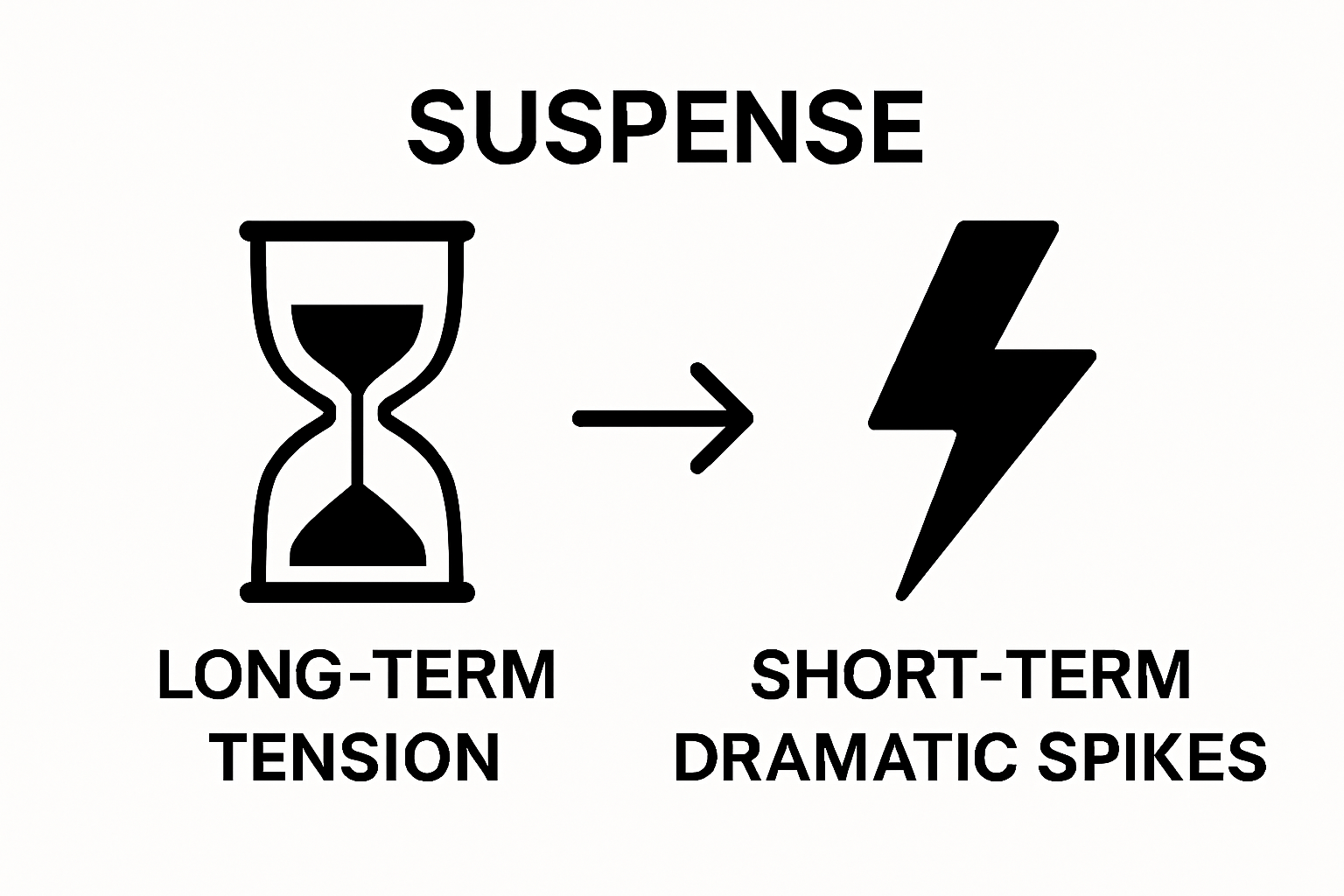
Notable examples of suspense implementation include:
- Gothic novels like Frankenstein, which establish atmospheric dread
- Mystery narratives by Edgar Allan Poe, featuring psychological complexity
- Contemporary thrillers such as Gone Girl, utilizing unexpected plot reversals
- Psychological novels that explore characters’ internal uncertainties
Genre-Specific Suspense Techniques
Different literary genres deploy suspense uniquely, tailoring narrative tension to specific storytelling conventions. Horror narratives often rely on anticipatory fear, while mystery novels use strategic information withholding to maintain reader engagement.
Key genre-specific suspense strategies include:
- Creating morally ambiguous character motivations
- Introducing unexpected narrative complications
- Developing multilayered plot structures
- Manipulating reader expectations through strategic revelations
Explore the intricacies of mystery fiction techniques to understand how writers craft compelling narratives.
Suspense transcends mere storytelling technique. It represents a sophisticated dialogue between writer and reader, transforming narrative consumption into an immersive psychological experience that challenges, surprises, and ultimately connects through shared emotional investment.
The table below highlights key suspense techniques and how they are adapted for use in different fiction genres, as described in the article.
| Genre | Common Suspense Techniques | Example from Article |
|---|---|---|
| Mystery | Strategic information withholding, plot twists | Edgar Allan Poe narratives |
| Thriller | Unexpected plot reversals, narrative misdirection | Gone Girl |
| Gothic/Horror | Anticipatory fear, atmospheric dread | Frankenstein |
| Psychological | Exploring internal uncertainties, complex motives | Psychological novels |
| General Fiction | Morally ambiguous characters, narrative complications | Multi-layered plot structures |
Ready to Experience Suspense in Fiction—Short, Powerful, and Instant?
Struggling to find stories that keep you on the edge of your seat without demanding hours of your time? If the thrill and psychological tension of suspense in fiction fascinate you, but long novels seem daunting, you are not alone. Our article uncovered how suspense ignites emotional investment and makes readers crave more. That same gripping anticipation is at the heart of every story on TheShortReads.com, specially designed for busy people and emerging readers.
Discover your next riveting read today. Unlock the excitement of expertly crafted suspense with our free, bite-sized short stories. Visit TheShortReads.com for instant downloads and experience firsthand the art of narrative tension. Still curious how suspense shapes unforgettable plots? Explore our guides on mystery fiction terminology and short story structure. Start now and let us change the way you read—one page-turner at a time.
Frequently Asked Questions
What is suspense in fiction?
Suspense in fiction is a narrative technique that creates anticipation, uncertainty, and psychological tension, keeping readers emotionally and intellectually engaged in the story.
Why is suspense important in storytelling?
Suspense is crucial because it maintains reader engagement, fosters emotional investment, and encourages active participation through predictions about potential plot developments.
How do writers create suspense in their narratives?
Writers create suspense by strategically withholding information, developing complex character motivations, and introducing various potential outcomes, effectively manipulating reader expectations.
What are some examples of suspense techniques used in literature?
Examples of suspense techniques include the “ticking clock” scenario, introducing high-stake plot complications, and creating unexpected narrative twists to challenge reader assumptions.
Recommended
- Understanding Mystery Fiction Terminology Explained
- Understanding Short Story Structure
- Thriller Fiction –
- Mystery Fiction


Understanding the Benefits of Short Reads

Short reads are reshaping how people engage with stories and ideas. In fact, short reads usually range between 1,500 to 20,000 words and can be finished in a fraction of the time it takes to read a traditional novel. Most folks assume quick fiction or bite size nonfiction could never match the depth of longer formats. The real surprise is that these short reads often pack stronger punches, delivering complete story arcs and lasting impressions in just a single commute or coffee break.
Table of Contents
- What Are Short Reads And Their Characteristics?
- Why Short Reads Matter In Today’s Fast-Paced World
- How Short Reads Enhance Comprehension And Retention
- The Role Of Short Reads In Diverse Reading Communities
- Exploring The Impact Of Short Reads On Creativity And Inspiration
Quick Summary
| Takeaway | Explanation |
|---|---|
| Short reads are concise literary forms | These pieces range from 1,500 to 20,000 words, providing quick narratives and information. |
| Ideal for busy lifestyles | Short reads offer engaging content that can fit easily into limited time windows. |
| Enhance comprehension and retention | Short texts improve cognitive engagement by delivering information in digestible chunks. |
| Support diverse reading communities | They make literature more accessible, especially for new and marginalized readers. |
| Stimulate creativity and inspiration | Short reads activate cognitive functions, encouraging innovative thinking and problem-solving. |
What Are Short Reads and Their Characteristics?
Short reads represent compact literary forms designed to deliver engaging narratives and information within a condensed format. Unlike traditional lengthy novels, these concise pieces provide readers with quick, impactful storytelling experiences that can be consumed rapidly. Discover quick reading options for busy individuals seeking efficient literary engagement.
Definition and Core Characteristics
Short reads typically range between 1,500 to 20,000 words, occupying a unique space between lengthy novels and brief articles. According to Springer Nature, these publications offer authoritative insights with remarkable efficiency. Their primary characteristics include:
- Focused narrative structure
- Rapid storytelling pace
- Accessible language
- Compact yet comprehensive content
Purpose and Reader Experience
The core purpose of short reads extends beyond mere brevity. These literary forms serve multiple reader needs by providing:
- Convenient reading during limited time windows
- Engaging storytelling without significant time investment
- Opportunity to explore diverse genres quickly
- Mental stimulation through concentrated narrative experiences
Readers appreciate short reads for their ability to deliver complete narrative arcs or substantial information within a streamlined format.
The table below summarizes the key characteristics of short reads as described in the article, helping readers quickly identify what defines this literary form.
| Characteristic | Description |
|---|---|
| Focused Narrative Structure | Clear, streamlined storytelling |
| Rapid Storytelling Pace | Events and ideas unfold quickly |
| Accessible Language | Simple and approachable wording |
| Compact Yet Comprehensive | Includes complete story arcs or thorough information |
| Brief Word Count | Ranges from 1,500 to 20,000 words |
Why Short Reads Matter in Today’s Fast-Paced World
In an era characterized by constant digital diversion and limited attention spans, short reads have emerged as a critical reading strategy for modern audiences. Explore efficient reading solutions that align with contemporary lifestyle demands.
Addressing Modern Reading Challenges
The contemporary reader faces numerous obstacles to sustained reading. According to the American Library Association, technological interruptions and time constraints significantly impact reading habits. Short reads provide a strategic solution by offering:
- Compact narrative experiences
- Minimal time commitment
- Flexibility across various digital platforms
- Immediate gratification for information seekers
Psychological and Professional Benefits
Beyond convenience, short reads deliver substantial psychological and professional advantages. They enable individuals to maintain intellectual engagement without overwhelming time requirements. Readers can quickly absorb new perspectives, learn complex concepts, and stimulate cognitive processes during brief windows of available time.
These condensed literary formats also support continuous learning, allowing professionals and students to consume educational content efficiently.
To clarify how short reads compare to traditional long-form literature in the modern reading landscape, the following table summarizes their core distinctions and advantages.
| Aspect | Short Reads | Traditional Long-Form Literature |
|---|---|---|
| Typical Length | 1,500–20,000 words | 50,000+ words |
| Reading Duration | Minutes to a few hours | Several hours to days |
| Accessibility | High—easy to fit into busy schedules | Lower—requires sustained time and focus |
| Cognitive Engagement | Delivers quick mental stimulation | Allows for deeper but longer engagement |
| Reader Commitment | Minimal | Significant |
| Story Arc Completeness | Full arc in short form | Extended, multi-layered arcs |
| Format Flexibility | Suited for digital and mobile reading | Best in print or dedicated e-readers |
How Short Reads Enhance Comprehension and Retention
Reading comprehension involves more than simply processing words on a page.
Short reads have emerged as a powerful tool for improving cognitive engagement and information retention. Unlock your reading potential by understanding how condensed content impacts learning.
Cognitive Processing and Information Absorption
Research suggests that shorter texts can significantly improve learning outcomes. According to a Stanford University study, brief, focused reading sessions can dramatically enhance cognitive processing. Short reads achieve this by:
- Reducing cognitive overload
- Maintaining reader focus
- Presenting information in digestible chunks
- Minimizing mental fatigue
Neurological Mechanisms of Enhanced Learning
The human brain processes information most effectively when content is concise and well-structured. Short reads leverage key neurological principles by:
- Creating clear mental frameworks
- Enabling faster information encoding
- Supporting active reading strategies
- Promoting deeper understanding through concentrated exposure
By breaking complex ideas into manageable segments, short reads transform learning from a potentially overwhelming experience into an engaging, accessible journey.
 Readers can absorb nuanced concepts without feeling overwhelmed, making knowledge acquisition more efficient and enjoyable.
The Role of Short Reads in Diverse Reading Communities
Short reads serve as powerful bridges connecting diverse reader groups, transcending traditional literary barriers and creating inclusive reading experiences. Discover diverse reading pathways that celebrate literary accessibility and cultural representation.
Breaking Down Reading Accessibility Barriers
Literary engagement varies dramatically across different demographics, with numerous readers feeling alienated by lengthy or complex texts. According to HFL Education, short reads provide strategic solutions for diverse reading communities by:
- Reducing intimidation for new readers
- Offering culturally representative narratives
- Supporting multilingual reading experiences
- Creating entry points for non-traditional readers
Empowering Marginalized Reading Experiences
Short reads fundamentally transform how underrepresented communities engage with literature. These compact literary forms offer unique advantages by:
- Amplifying voices from diverse backgrounds
- Providing affordable reading experiences
- Supporting readers with limited educational resources
- Creating platforms for emerging writers
By democratizing literary consumption, short reads challenge traditional publishing paradigms and create more equitable reading landscapes. They enable individuals from various socioeconomic, educational, and cultural backgrounds to access meaningful narratives without significant time or financial investment, ultimately expanding literary participation and cultural understanding.

Exploring the Impact of Short Reads on Creativity and Inspiration
Creativity is not a linear process but a dynamic interaction between imagination and structured thinking. Short reads serve as powerful catalysts for unlocking creative potential, offering concentrated bursts of inspiration. Discover creative reading strategies that stimulate innovative thinking.
Cognitive Stimulation Through Narrative Exploration
According to The Ohio State University, reading stories activates complex cognitive functions that enhance creativity and innovation. Short reads achieve this by:
- Presenting diverse perspectives rapidly
- Challenging existing mental frameworks
- Introducing unexpected narrative trajectories
- Triggering imaginative problem solving
Neurological Pathways of Creative Inspiration
Short reads function as cognitive gymnastics for the brain, engaging neural networks responsible for divergent thinking. By exposing readers to concentrated narrative experiences, these compact literary forms:
- Stimulate neural plasticity
- Encourage non linear thinking
- Break habitual thought patterns
- Generate unexpected mental connections
Through their concise yet profound nature, short reads transform reading from a purely informational activity into a generative process of personal and intellectual discovery. They invite readers to explore complex ideas, emotional landscapes, and innovative concepts within condensed narrative environments, ultimately expanding the boundaries of individual creative potential.
Ready for Effortless and Enjoyable Reading?
If you ever feel overwhelmed by the idea of lengthy novels or find it hard to make time for traditional books, you are not alone. The article “Understanding the Benefits of Short Reads” highlights how attention spans are shrinking and busy schedules leave little room for reading. Short reads solve these problems with focused narratives, fast-paced stories, and content that fits your life. You do not have to sacrifice your love for books simply because you are short on time or intimidated by hundreds of pages. Short reads give you the opportunity to enjoy rich storytelling and fresh perspectives in a compact, accessible format. At TheShortReads.com, we are dedicated to making reading simple, flexible, and fun for everyone.
What if you could fall in love with reading again, starting today? Start by choosing from a wide range of free, downloadable short stories designed for quick engagement and maximum enjoyment. Visit our homepage to see how our curated collection can transform your downtime into a rewarding escape. Experience the benefits of reading without the pressure. Discover how short reads empower busy people and non-readers to build a lifelong reading habit—try your first story now!
Frequently Asked Questions
What are short reads?
Short reads are compact literary forms typically ranging from 1,500 to 20,000 words, designed to offer engaging narratives and information efficiently.
How do short reads benefit modern readers?
Short reads allow readers to enjoy literature quickly and conveniently, catering to busy lifestyles while providing complete narratives or substantial information in a compact format.
Can short reads improve reading comprehension?
Yes, reading shorter texts can enhance comprehension by reducing cognitive overload, maintaining focus, and presenting information in digestible chunks, leading to better retention and understanding.
How do short reads foster creativity?
Short reads stimulate creativity by presenting diverse perspectives and challenging mental frameworks, encouraging readers to explore new ideas and engage in imaginative problem-solving.
Recommended
Share

Understanding Mystery Fiction Terminology Explained

Mystery fiction pulls readers in with puzzles, hidden clues, and the thrill of unraveling secrets. Yet for all the clever twists and dramatic reveals, the magic often lies in the hidden mechanisms behind the story. Did you know that understanding terms like red herring and locked room mystery can actually make you a better reader and help you solve stories faster? Most fans think mystery is just about finding out whodunit. However, once you master the genre’s secret vocabulary, each turn of the page becomes a stimulating challenge that transforms the way you see every clue.
Table of Contents
- Defining Mystery Fiction: Key Terms And Their Significancen
- The Structure Of Mystery Stories: Common Elements Explained
- Character Types In Mystery Fiction: Roles And Functions
- Plot Devices Unique To Mystery Fiction: What To Know
- Why Understanding Terms In Mystery Fiction Enhances Enjoyment
Quick Summary
| Takeaway | Explanation |
|---|---|
| Understanding core elements enhances enjoyment. | Identifying key components like central mysteries helps deepen reader engagement with mystery narratives. |
| Character archetypes drive narrative complexity. | Different investigative characters add unique perspectives, enriching the psychological exploration of the mysteries. |
| Familiarity with plot devices enhances critical thinking. | Recognizing techniques like red herrings and closed circles challenges readers to actively engage with and analyze the story. |
| Active reading improves overall experience. | Readers who engage with specialized terminology gain more satisfaction and understanding from the narrative complexity. |
| Narrative structure builds suspense effectively. | Understanding how stories escalate tension and resolve conflicts enhances the appreciation for mystery fiction’s intricate plots. |
Defining Mystery Fiction: Key Terms and Their Significancen
Mystery fiction represents a captivating narrative genre where intellectual curiosity and suspenseful storytelling converge. Understanding its fundamental terminology provides readers with deeper insights into the intricate world of detective stories, crime novels, and investigative narratives.
The Core Elements of Mystery Fiction
At its essence, mystery fiction revolves around a central enigma or crime that demands resolution. Explore our comprehensive guide to mystery genres to understand how different narrative structures interact with this fundamental premise. The genre typically involves several critical components that distinguish it from other storytelling formats:
- A central puzzle or crime that drives the narrative
- A protagonist who investigates or seeks resolution
- Progressive revelation of clues and information
- Intellectual challenge for both characters and readers
Narrative Techniques and Character Archetypes
Mystery fiction employs sophisticated narrative techniques designed to engage readers while maintaining suspense. According to academic research in literary studies, successful mystery narratives balance information revelation with strategic concealment. The protagonist often represents a specific archetype:
- The classic detective: Analytical, methodical, with exceptional observational skills
- The amateur sleuth: Accidentally drawn into investigation, often driven by personal motivation
- The professional investigator: Systematic, trained in solving complex cases
These archetypes provide different perspectives on solving the central mystery, offering readers varied intellectual and emotional experiences. Each character type brings unique problem-solving approaches, transforming the narrative from a simple crime story into a complex exploration of human psychology and reasoning.
Understanding these terminological nuances helps readers appreciate the genre’s intricate storytelling mechanisms, transforming reading from mere entertainment into an intellectual journey of discovery and deduction.
The Structure of Mystery Stories: Common Elements Explained
Mystery stories follow a meticulous narrative structure that systematically builds tension, introduces complexity, and ultimately provides satisfying resolution. These carefully crafted narratives are more than simple storytelling they are intricate puzzles designed to challenge and engage readers intellectually.
The Classic Narrative Progression
Uncover the secrets of mystery storytelling through understanding its fundamental structural components. According to narrative research from literary scholars, mystery stories typically unfold through a precise sequence:
- Introduction of the Central Mystery: Establishing the fundamental problem or crime
- Initial Investigation: First attempts to understand the underlying issue
- Escalating Complications: Introduction of unexpected twists and potential red herrings
- Critical Revelation: Breakthrough moment where significant information emerges
- Final Resolution: Comprehensive explanation and closure of the narrative puzzle
Architectural Components of Mystery Narratives
Each mystery story operates like an intellectual machine, with specific mechanical components working together to create narrative momentum. The plot architecture typically involves strategic placement of clues, deliberate information withholding, and carefully managed revelations.
Crucial narrative elements include:
- Foreshadowing: Subtle hints that provide context without revealing the complete solution
- Misdirection: Intentional narrative strategies that temporarily mislead the reader
- Character Motivations: Complex psychological underpinnings that drive the investigative process
The most compelling mystery stories transform seemingly disconnected information into a cohesive, surprising narrative that rewards careful reader attention. By maintaining a delicate balance between revealing and concealing information, these stories create an immersive intellectual experience that keeps readers engaged until the final revelation.
Character Types in Mystery Fiction: Roles and Functions
Character types in mystery fiction are not merely narrative participants but intricate narrative instruments carefully designed to advance the plot, challenge reader expectations, and contribute to the overall investigative experience. Each character serves a specific strategic purpose within the complex machinery of mystery storytelling.
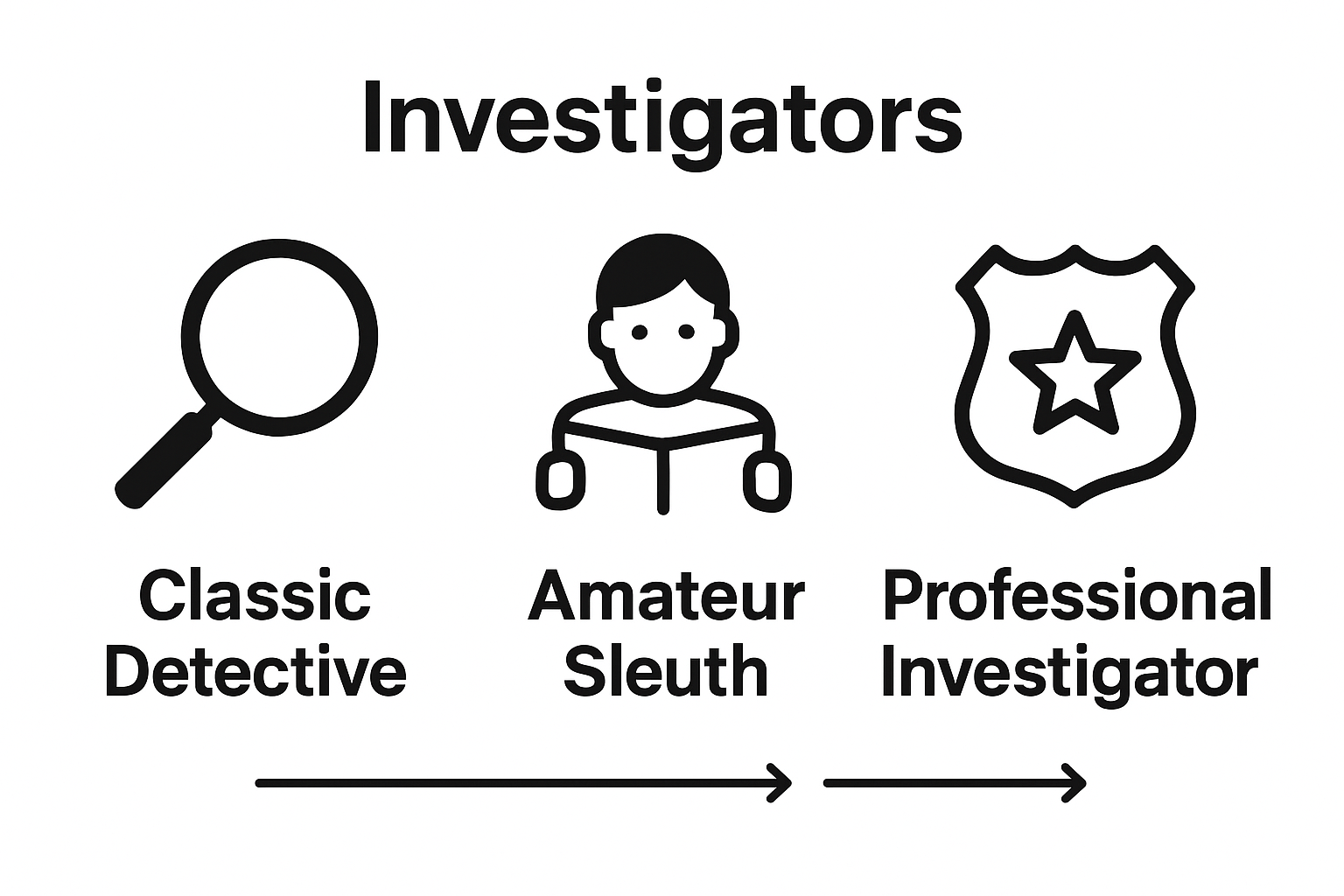
Primary Investigative Figures
Discover the intricate world of detective characters and their nuanced roles in narrative construction. According to academic research in literary archetypes, investigative characters represent more than simple problem solvers:
- The Classic Detective: Analytical, methodical, with exceptional deductive reasoning
- The Amateur Sleuth: Accidentally entangled in investigation, driven by personal curiosity
- The Professional Investigator: Systematic, trained in forensic and investigative techniques
Supporting Character Dynamics
Beyond primary investigative figures, mystery narratives populate their worlds with characters who serve critical narrative functions. These supporting roles create narrative tension, provide critical information, and challenge the protagonist’s investigative process.
Key supporting character archetypes include:
- The Suspect: Potentially responsible for the central crime, often with complex motivations
- The Witness: Possesses crucial information that might reveal or obscure the truth
- The Red Herring: Intentionally misleading character designed to misdirect investigative focus
These character types interact in a sophisticated dance of revelation and concealment, transforming mystery fiction from simple crime narratives into complex psychological explorations. Their interactions create narrative layers that engage readers intellectually, challenging them to discern truth from misdirection while maintaining suspenseful storytelling momentum.
To clarify the primary character archetypes in mystery fiction and their distinguishing features, here is a comparison table you can reference while reading mystery stories.
| Character Type | Defining Traits | Narrative Role |
|---|---|---|
| Classic Detective | Analytical, methodical, keen observer | Leads investigations, solves core mystery |
| Amateur Sleuth | Untrained, curious, personally motivated | Accidentally entangled in crime-solving |
| Professional Investigator | Trained, systematic, evidence-focused | Applies official procedures to investigations |
| Suspect | Ambiguous motives, potentially deceptive | Provides tension, possible perpetrator |
| Witness | Holds crucial or obscured information | Offers clues, can direct or mislead inquiry |
| Red Herring | Intentionally misleading character | Distracts both reader and investigator |
Plot Devices Unique to Mystery Fiction: What to Know
Mystery fiction employs a sophisticated arsenal of narrative techniques that transform storytelling into an intellectual puzzle. These plot devices are not mere storytelling tricks but carefully engineered mechanisms designed to challenge reader expectations and create intricate narrative experiences.
Classic Narrative Manipulation Techniques
Explore the art of mystery storytelling and uncover the strategic devices that define the genre. According to research in narrative construction, these plot devices serve multiple narrative functions:
- Closed Circle of Suspects: Limiting potential culprits to a specific group
- Red Herring: Deliberately misleading narrative elements
- MacGuffin: Plot catalyst that drives action but may be ultimately insignificant
- Unreliable Narrator: Creating narrative uncertainty through subjective storytelling
Structural Complexity in Mystery Narratives
Mystery fiction plot devices operate as intricate narrative mechanisms, each serving a specific purpose in constructing intellectual engagement. These techniques transform storytelling from linear progression to a complex puzzle that demands active reader participation.
Key structural devices include:
- Locked Room Mystery: Presenting seemingly impossible crime scenarios
- Reverse Chronology: Revealing story elements in non linear sequence
- Multiple Perspective Narration: Providing fragmented narrative insights
These devices create a sophisticated intellectual experience, challenging readers to become active participants in the investigative process. By strategically withholding and revealing information, mystery fiction turns narrative consumption into an engaging mental exercise that rewards careful attention and analytical thinking.
This table outlines the most common plot devices and structural elements unique to mystery fiction, explaining their narrative function and purpose.
| Plot Device/Structure | Description | Primary Purpose |
|---|---|---|
| Closed Circle of Suspects | Limits potential culprits to a defined group | Increases suspense and focus |
| Red Herring | Misleading clue or character | Distracts from the true solution |
| MacGuffin | Object/event driving story, often inconsequential | Propels plot and investigation |
| Unreliable Narrator | Perspective distorts or withholds truth | Heightens suspense and uncertainty |
| Locked Room Mystery | Crime appears impossible within physical limits | Presents complex puzzle for reader |
| Reverse Chronology | Reveals plot in non-linear order | Builds intrigue through puzzle assembly |
| Multiple Perspective | Uses different viewpoints to fragment information | Offers varied clues, increases complexity |
Why Understanding Terms in Mystery Fiction Enhances Enjoyment
Mystery fiction is not merely a genre of entertainment but an intellectual engagement that rewards readers who develop a nuanced understanding of its specialized language and narrative conventions. By mastering the terminology, readers transform from casual observers to active participants in the storytelling process.
Cognitive Engagement Through Terminology
Discover the secret language of mystery stories and unlock a deeper reading experience. According to academic research in reader comprehension, understanding genre specific terminology significantly enhances reader enjoyment:
- Pattern Recognition: Identifying narrative structures and clue placement
- Predictive Reading: Anticipating potential plot developments
- Critical Analysis: Evaluating narrative complexity and author strategies
- Emotional Investment: Feeling more connected to the investigative process
The Intellectual Reward of Genre Literacy
Terminological knowledge transforms reading from a linear experience into an interactive intellectual challenge. Readers who understand concepts like red herring, MacGuffin, and unreliable narrator can decode narrative strategies with greater sophistication.
Key intellectual benefits include:
- Developing more advanced comprehension skills
- Appreciating subtle narrative techniques
- Experiencing a more immersive storytelling experience
- Gaining deeper satisfaction from solving narrative puzzles
By learning the specialized language of mystery fiction, readers become more than mere consumers of stories they become skilled interpreters of complex narrative architectures, finding profound enjoyment in the intellectual dance between author and audience.

Put Your Mystery Know-How Into Action With Fast, Addictive Stories
You just explored the secrets behind mystery fiction terminology. If you find yourself intrigued by how detectives analyze clues or enjoy tackling a well-placed red herring, you are ready for a hands-on experience. Maybe you crave the satisfaction of unraveling a story’s puzzle but do not want to commit to an endless novel. If terms like locked room mystery or unreliable narrator spark your curiosity, you deserve stories that match your pace and your intellect. Discover short mystery reads that transform your understanding of the genre.
Put your fascination into practice with TheShortReads.com. Download a FREE short fiction story now and jump into smartly crafted mysteries anytime you have a break. Our library is designed for busy readers and newcomers who prefer meaningful stories under 150 pages. If you want to recognize the classic detective in action, spot clever misdirections, or simply savor a quick twist ending, now is the perfect time to start. Download your first free short mystery at TheShortReads.com, and see how easily reading can fit into your life.
Frequently Asked Questions
What is mystery fiction?
Mystery fiction is a genre of storytelling that revolves around a central enigma or crime that needs to be solved, combining elements of suspense and intellectual engagement for both readers and characters.
What are the main elements of mystery fiction?
Main elements include a central puzzle or crime, an investigator, progressive revelation of clues, and an intellectual challenge that keeps readers engaged until the resolution.
What are common character types in mystery stories?
Common character types include the classic detective, amateur sleuth, professional investigator, suspects, witnesses, and red herrings, each playing distinct roles in advancing the plot.
Why is understanding terminology in mystery fiction important?
Understanding terminology enhances the reading experience by allowing readers to recognize narrative structures, anticipate plot developments, and appreciate the complexity of the storytelling.
Recommended
Article generated by BabyLoveGrowth
Share

What is Flash Fiction? Understanding This Unique Story Form

Flash fiction squeezes entire worlds into just a few hundred words and has become a favorite playground for both seasoned authors and new writers. Most people think telling a complete story in under 1,000 words sounds impossible. The real surprise is that some of the most moving, complex stories are found in these ultra-short formats and leave a stronger impact than tales ten times as long.
Table of Contents
- Understanding Flash Fiction: A Brief Definition
- The Significance of Flash Fiction in Literature
- The Structure and Characteristics of Flash Fiction
- Themes and Styles Commonly Found in Flash Fiction
- How Flash Fiction Engages Readers and Inspires Writers
Quick Summary
| Takeaway | Explanation |
|---|---|
| Flash fiction enhances narrative compression. | This form of storytelling requires writers to convey complete narratives succinctly, honing their skills in brevity and impact. |
| Engagement relies on reader imagination. | Flash fiction invites readers to actively interpret gaps, creating a more personal and immersive reading experience. |
| Sophisticated techniques stray from conventions. | Writers employ non-linear structures, metaphors, and minimalism, pushing traditional storytelling boundaries for greater effect. |
| Emotional depth is vital in short forms. | Despite brevity, these stories explore profound human experiences, often reflecting intricate emotional landscapes. |
| Creative experimentation flourishes in constraints. | The limitations of flash fiction encourage writers to innovate, improving narrative skills and exploring unique storytelling techniques. |
Understanding Flash Fiction: A Brief Definition
Flash fiction represents an extraordinary literary form where storytellers compress entire narratives into breathtakingly concise formats.
The following table organizes the key characteristics of flash fiction as described in the article, helping readers quickly review the essential components that define this unique literary form.
| Characteristic | Description |
|---|---|
| Narrative Compression | Packed storytelling within an extremely limited word count |
| Emotional Depth | Explores complex human experiences despite brevity |
| Immediate Engagement | Captures the reader[NULL]27s attention from the very first lines |
| Minimal Powerful Language | Uses concise yet impactful description and word choice |
| Complete Story Arc | Delivers a fully realized beginning, middle, and end within a small space |
| Implication & Suggestion | Relies on what[NULL]27s left unsaid to involve the reader in interpreting meaning |
| Experimentation & Innovation | Encourages non-linear structures, metaphors, and creative techniques |
The Essence of Ultra Short Storytelling
At its core, flash fiction is a narrative art form that typically ranges between 150 to 1,000 words. Indiana State University defines these compact stories as works under 2,000 words, with the most effective pieces falling between 500 and 1,500 words.
Key characteristics of flash fiction include:
- Immediate narrative engagement
- Minimal but powerful descriptive language
- Complete story arc within extremely limited space
- Strong emphasis on implication and suggestion
Narrative Compression and Creative Challenge
Writing flash fiction demands extraordinary skill. Authors must simultaneously:
- Establish character depth
- Create meaningful conflict
- Deliver a satisfying narrative resolution
- Evoke emotional response
These micro-stories require writers to eliminate every unnecessary word, focusing exclusively on elements that drive the narrative forward. Each sentence becomes a precision instrument, crafted to maximum storytelling efficiency.
While extremely brief, flash fiction is not a simplified storytelling approach. It represents a sophisticated literary technique where writers leverage strategic omission to invite readers into active interpretation. The most compelling flash fiction pieces function like narrative puzzles, encouraging readers to fill narrative gaps through their imagination and emotional intelligence.
The Significance of Flash Fiction in Literature
Flash fiction has emerged as a powerful literary form that challenges traditional storytelling conventions, offering writers and readers a unique approach to narrative exploration. This compact storytelling method has transformed how we consume and create literary content in an increasingly fast-paced world.
A Modern Literary Response
In an era of shortened attention spans and digital consumption, flash fiction represents a literary adaptation to contemporary reading habits. The Paris Review notes that this form provides an immediate narrative experience that resonates with readers seeking quick yet profound storytelling experiences.
Key impacts of flash fiction on contemporary literature include:
- Democratization of storytelling
- Increased accessibility for new writers
- Exploration of experimental narrative techniques
- Enhanced focus on precise language and emotional resonance
Artistic and Cultural Significance
Flash fiction transcends mere brevity. It represents a sophisticated artistic statement about narrative complexity. Writers demonstrate extraordinary skill by constructing complete emotional journeys within extremely limited word counts, challenging readers to engage more actively with the text.
The form offers unique advantages:
- Rapid emotional impact
- Invitation to reader interpretation
- Breaking traditional narrative constraints
- Highlighting the power of suggestion
Literary Innovation and Experimentation
By demanding extreme narrative efficiency, flash fiction pushes literary boundaries.
Writers must distill storytelling to its purest elements, creating powerful narrative experiences that often leave more unsaid than expressed. This approach invites readers into a more collaborative storytelling process, where imagination becomes a critical component of narrative understanding.
Ultimately, flash fiction represents more than a writing technique. It is a dynamic literary form that reflects our evolving communication styles, technological interactions, and collective desire for meaningful yet concise storytelling experiences.
The Structure and Characteristics of Flash Fiction
Flash fiction represents a unique narrative form with intricate structural elements that distinguish it from traditional storytelling approaches. Unlike longer literary formats, these micro-narratives demand exceptional precision and creative strategy from writers.
Essential Structural Components
The University of Iowa Writers’ Workshop emphasizes that flash fiction must contain all fundamental narrative elements compressed into an extremely limited word count. These stories require a complete dramatic arc despite their brevity.

Key structural requirements include:
- Clear narrative beginning
- Concentrated dramatic tension
- Unexpected narrative twist
- Definitive narrative resolution
- Implied backstory and context
Narrative Economy and Precision
The hallmark of flash fiction is extraordinary narrative compression. Writers must eliminate every superfluous word, transforming each sentence into a strategic storytelling instrument. This approach demands that authors:
- Select words with surgical precision
- Leverage subtext and implication
- Create maximum emotional impact with minimal language
- Eliminate traditional narrative exposition
Narrative Techniques and Stylistic Approaches
Successful flash fiction employs sophisticated narrative techniques that transform limitations into creative opportunities. Writers utilize various stylistic approaches to create compelling micro-narratives:
- Fragmentary storytelling
- Stream of consciousness
- Surreal or experimental narrative structures
- Metaphorical and symbolic language
The most effective flash fiction pieces function like narrative puzzles, inviting readers to actively participate in meaning-making. By strategically withholding information and relying on powerful suggestion, these stories transform brevity into an art form that challenges traditional storytelling conventions.
Themes and Styles Commonly Found in Flash Fiction
Flash fiction transcends traditional narrative boundaries, offering writers a unique canvas to explore complex emotional landscapes and philosophical ideas through incredibly compact storytelling. This literary form allows for extraordinary creative expression within minimal word constraints.
Emotional Intensity and Psychological Depth
Berkeley Voices highlights that flash fiction serves as a powerful medium for exploring profound human experiences through intensely concentrated narratives. Despite their brevity, these stories often delve into intricate emotional territories.
Common thematic explorations include:
- Moments of personal transformation
- Existential confrontations
- Interpersonal relationship dynamics
- Psychological turning points
- Unexpected human vulnerabilities
Narrative Experimentation and Style
Flash fiction writers frequently employ unconventional narrative techniques to maximize storytelling potential. These approaches challenge traditional literary expectations and invite readers into more active interpretative experiences.
Distinctive stylistic characteristics encompass:
- Non-linear storytelling
- Fragmented narrative structures
- Metaphorical language
- Surreal or dreamlike imagery
- Minimalist descriptive approaches
Thematic Diversity and Creative Range
Contrary to assumptions about limited scope, flash fiction demonstrates remarkable thematic versatility. Writers leverage this form to address complex subjects ranging from personal trauma to broader social commentaries, proving that narrative depth is not determined by word count.
Thematic ranges frequently include:
- Social justice narratives
- Personal identity explorations
- Philosophical inquiries
- Intimate human moments
- Speculative or genre-bending scenarios
Ultimately, flash fiction represents a literary art form where every word becomes a precise instrument of emotional and intellectual communication, inviting readers to engage deeply with compact yet powerful storytelling experiences.
How Flash Fiction Engages Readers and Inspires Writers
Flash fiction represents a revolutionary approach to storytelling that transforms reader engagement and writer creativity through its unique narrative compression. By challenging traditional storytelling conventions, this literary form creates profound connections between authors and audiences.
Reader Engagement Through Narrative Intensity
Chapman University emphasizes that flash fiction demands active reader participation, turning storytelling into an interactive experience. These micro-narratives invite readers to fill narrative gaps with their imagination, creating a more immersive and personalized reading journey.
Key reader engagement strategies include:
- Encouraging interpretative creativity
- Presenting concentrated emotional experiences
- Challenging traditional narrative expectations
- Providing immediate narrative gratification
- Stimulating intellectual curiosity
Writing as Creative Exploration
For writers, flash fiction functions as a powerful creative laboratory. The extreme word count limitations force authors to distill storytelling to its most essential elements, developing extraordinary linguistic precision and narrative strategy.
Writers discover unique advantages:
- Rapid skill development
- Enhanced narrative efficiency
- Exploration of experimental techniques
- Breaking conventional storytelling rules
- Developing concise communication skills
Psychological and Artistic Dimensions
Flash fiction transcends mere literary technique. It represents a profound method of human communication that reflects our contemporary desire for meaningful yet concise experiences. Read more about innovative storytelling techniques that challenge traditional narrative boundaries.
By transforming storytelling into a collaborative art form, flash fiction bridges the gap between writer and reader, creating intimate narrative experiences that resonate deeply within minimal textual space.
 This approach democratizes storytelling, allowing diverse voices to share complex emotional landscapes through extraordinarily concentrated narratives.
Experience Mystery and Thriller Flash Fiction—Powerful Stories in Minutes
Are you intrigued by the art of narrative compression and the emotional depth possible within just a few pages? The article you just read revealed how flash fiction distills suspense and humanity into razor-sharp, concentrated bursts. Many readers crave quick, absorbing stories that deliver instant engagement—especially when time is short and attention is at a premium.
At The Short Reads, you can dive into expertly crafted mystery and thriller fiction short reads that transform these flash fiction techniques into bite-sized yet unforgettable journeys. Unlock a collection where each word is chosen for impact and the suspense never lingers too long, but always leaves an impression. Ready to feel the full force of concise storytelling? Visit The Short Reads now and immerse yourself in mysteries that grip you from the very first sentence.
Frequently Asked Questions
What is flash fiction?
Flash fiction is a brief narrative form that typically ranges from 150 to 1,000 words, aiming to convey a complete story within a limited word count, often emphasizing emotional depth and narrative engagement.
What are the key characteristics of flash fiction?
Key characteristics of flash fiction include immediate narrative engagement, minimal yet powerful descriptive language, a complete story arc within a restricted space, and a strong emphasis on implication and suggestion.
How does flash fiction differ from traditional short stories?
Flash fiction differs from traditional short stories in its brevity and narrative compression, requiring authors to distill complex themes, characters, and plots into a very short format, often resulting in an intense emotional impact.
This table compares flash fiction to traditional short stories based on elements discussed in the article, highlighting key similarities and differences for easy reference.
| Aspect | Flash Fiction | Traditional Short Story |
|---|---|---|
| Typical Word Count | 150 – 1,000 | 1,500 – 7,500 (often longer) |
| Narrative Scope | Extremely compressed, focused on implication | Allows for more development and exposition |
| Structure | Full story arc in minimal space | Full story arc with more elaboration |
| Reader Engagement | High, relies on reader imagination and inference | Engages but provides more explicit context |
| Language Style | Minimalist, every word counts | May include richer description and dialogue |
| Technique Focus | Experimentation, suggestion, omission | Traditional storytelling, exposition |
| Typical Emotional Impact | Intense, concentrated | Varied, can be gradual or layered |
What themes are commonly found in flash fiction?
Common themes in flash fiction explore personal transformation, existential confrontations, interpersonal dynamics, and unexpected human vulnerabilities, all within a compact storytelling frame.
Recommended
Article generated by BabyLoveGrowth
Share

Understanding Short Story Structure: A Deep Dive

Short story structure shapes more than just words on a page, acting as the backbone for any tale that actually sticks in your mind. You might think tales are all about wild imagination, but studies show that readers can recall up to 50 percent more details from stories with a clear structure. The real surprise? Effective structure is not about following strict rules but about unlocking emotional impact and deeper meaning in just a few pages.
Table of Contents
- What Is Short Story Structure And Why Is It Important?
- The Essential Components Of Short Story Structure
- How Short Story Structure Enhances Storytelling
- Common Short Story Structures In Mystery Fiction
- Real-World Examples Of Effective Short Story Structure
Quick Summary
| Takeaway | Explanation |
|---|---|
| Understanding core components is crucial | Knowing the elements of plot, character, and conflict shapes engaging narratives. |
| Master the narrative arc for emotional impact | Following a structured progression builds tension and emotional resonance in storytelling. |
| Emphasize conflict to drive your story | Central tension captivates readers and sustains their interest throughout the narrative. |
| Experiment with narrative structures | Innovative techniques can challenge conventions and enhance reader engagement, especially in mystery stories. |
| Analyze successful examples for inspiration | Studying effective stories reveals how masterful structure transforms simple narratives into rich literary experiences. |
What is Short Story Structure and Why is it Important?
Short story structure is the systematic framework that transforms a simple narrative into a compelling literary experience. Understanding short story structure allows writers to craft engaging stories that captivate readers and communicate complex ideas efficiently.
The Core Components of Story Structure
At its essence, short story structure involves several critical elements that work together to create a meaningful narrative. These components include:
- Plot: The sequence of events that drive the story forward
- Character Development: How the protagonist evolves through challenges
- Conflict: The central tension that creates narrative momentum
The Yale Teachers Institute emphasizes that plot represents the systematic chain of events which make up a short story. Each narrative event serves a specific purpose: introducing a problem, building tension, and ultimately resolving the central conflict.
Why Story Structure Matters
Effective short story structure goes beyond mere storytelling. It provides a strategic approach to communication that helps readers:
- Understand complex narratives quickly
- Anticipate narrative developments
- Connect emotionally with characters
Research suggests that recognizing text structures significantly enhances reading comprehension. When readers understand how a story is constructed, they can more deeply engage with the narrative, predict potential outcomes, and retain information more effectively.
Mastering short story structure is not just a technical skill but an art form. It transforms a collection of words into a powerful storytelling mechanism that can explore human experiences, challenge perspectives, and create lasting emotional impacts. Whether you are a writer crafting mysteries or a reader seeking engaging narratives, understanding story structure opens doors to richer, more meaningful literary experiences.
The Essential Components of Short Story Structure
A compelling short story is more than just a sequence of events. It is a carefully constructed narrative that requires specific structural elements working in harmony to create a memorable reading experience. Understanding these essential components helps writers craft stories that resonate deeply with readers.
Below is a table summarizing the essential components of short story structure and their roles in narrative development.
| Component | Description |
|---|---|
| Plot | Sequence of events that drive the story forward |
| Character Development | How the protagonist evolves through challenges |
| Setting | The backdrop where the story unfolds |
| Conflict | Central tension that propels the story forward |
| Narrative Arc | Progression from introduction to resolution |
The Foundational Building Blocks
Every short story comprises several key structural elements that transform raw narrative into an engaging piece of literature. These fundamental components include:
- Setting: The backdrop where the story unfolds
- Characters: The individuals who drive the narrative
- Conflict: The central tension that propels the story forward
According to Writer’s Digest, each of these elements must work synergistically to create a cohesive and impactful narrative.
Narrative Arc and Progression
The narrative arc represents the story’s emotional and dramatic progression. This arc typically follows a predictable yet dynamic pattern:
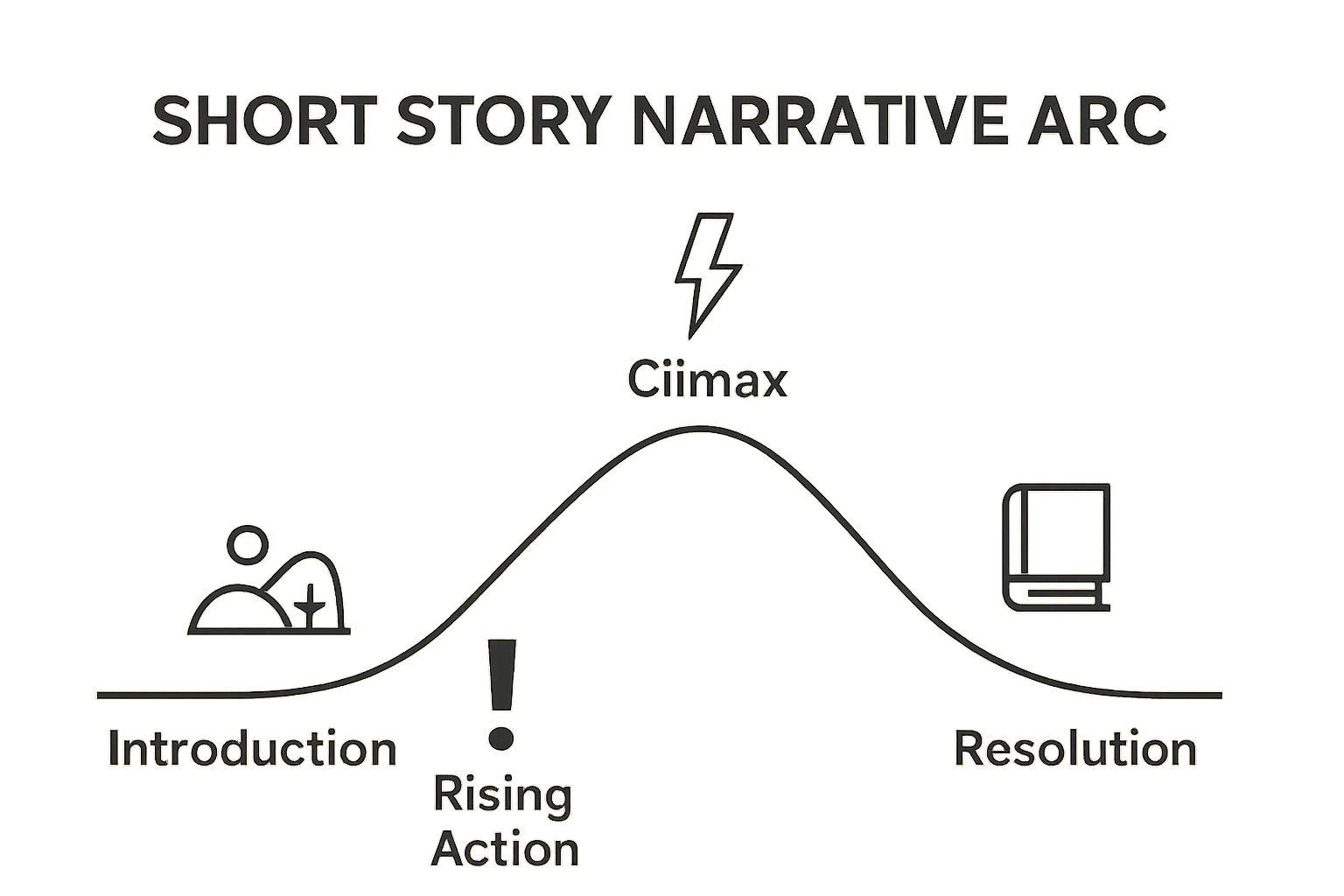
- Introduction: Establishing the initial situation
- Rising Action: Building tension and complexity
- Climax: The peak of dramatic intensity
- Resolution: Providing closure or insight
Each stage serves a specific purpose in guiding the reader through the story’s emotional landscape. The most effective short stories create a sense of inevitability, where each event feels both surprising and necessary.
Mastering these components requires understanding how they interconnect. A well-structured short story does not simply relay events but creates an immersive experience that captures the reader’s imagination, challenges their perspectives, and leaves a lasting impression. Whether crafting a mystery, exploring human relationships, or revealing profound truths, the essential components of short story structure provide the framework for powerful storytelling.
How Short Story Structure Enhances Storytelling
Short story structure serves as the architectural blueprint that transforms a simple narrative into a powerful emotional journey. By providing a strategic framework, structure enables writers to craft stories that resonate deeply with readers, creating memorable experiences that transcend mere words.
Creating Emotional Resonance
A well-structured story is like a precision instrument, designed to elicit specific emotional responses. Each narrative element strategically guides the reader through an intentional emotional landscape, building connections between the characters and the audience. Structure allows writers to:
- Control Pacing: Modulate narrative tension
- Create Anticipation: Build reader engagement
- Deliver Meaningful Revelations: Maximize narrative impact
The Grand Valley State University research demonstrates that strategic use of story structure directly enhances narrative effectiveness and reader satisfaction.
The Psychological Impact of Narrative Structure
Narrative structure operates on a profound psychological level. It mirrors how humans naturally process information and experience emotional journeys. By following a recognizable yet dynamic pattern, short stories can:
- Trigger familiar emotional pathways
- Provide cognitive satisfaction
- Create a sense of narrative completion
For readers interested in exploring more narrative techniques, discover our guide on mystery storytelling.
Ultimately, short story structure is not a rigid constraint but a flexible tool. It provides writers with a framework to explore complex human experiences, challenge perspectives, and create intimate connections with readers. The most compelling stories are those that understand and masterfully manipulate structural elements to deliver profound, lasting impressions.
Common Short Story Structures in Mystery Fiction
Mystery fiction demands a precise narrative architecture that captivates readers through strategic plot development and calculated revelations. The structural framework of mystery short stories is carefully designed to maintain suspense, engage readers, and deliver satisfying narrative experiences.
The Classic Mystery Story Arc
Most mystery short stories follow a distinctive structural pattern that systematically unfolds the narrative. This archetypal structure typically includes:
- Crime Introduction: Establishing the central mystery
- Detective Emergence: Introducing the problem solver
- Investigation Phase: Gathering clues and exploring leads
- Climactic Revelation: Solving the central mystery
- Resolution: Explaining the solution and its implications
According to Yale Teachers Institute, this four-part structure provides a comprehensive framework for developing compelling mystery narratives.
Variations in Mystery Story Structures
While the classic structure remains prevalent, contemporary mystery fiction explores innovative narrative approaches. Some alternative structures include:
- Reverse Chronology: Revealing the solution first, then exploring how it happened
- Multiple Perspective Narratives: Presenting the mystery through different characters
- Unreliable Narrator Techniques: Creating uncertainty about the storyteller
For readers eager to explore more intricate narrative techniques, dive into our guide on mystery fiction.
Mastering these structural variations requires understanding not just the mechanics of storytelling, but the psychological dynamics of reader engagement. The most compelling mystery short stories are those that skillfully manipulate narrative structure to create intellectual and emotional intrigue, transforming a simple sequence of events into a complex, immersive experience.
This table compares classic and contemporary mystery short story structures, highlighting their defining features and narrative techniques.
| Structure Type | Key Features | Narrative Technique Examples |
|---|---|---|
| Classic Mystery Structure | Follows established stages: crime, detective, clues, solution, resolution | Logical sequence, methodical progression |
| Reverse Chronology | Reveals outcome first, explores how events unfolded | Solution before investigation |
| Multiple Perspectives | Presents narrative through different characters | Shifting points of view |
| Unreliable Narrator | Creates uncertainty about storyteller or events | Ambiguous or deceptive narration |
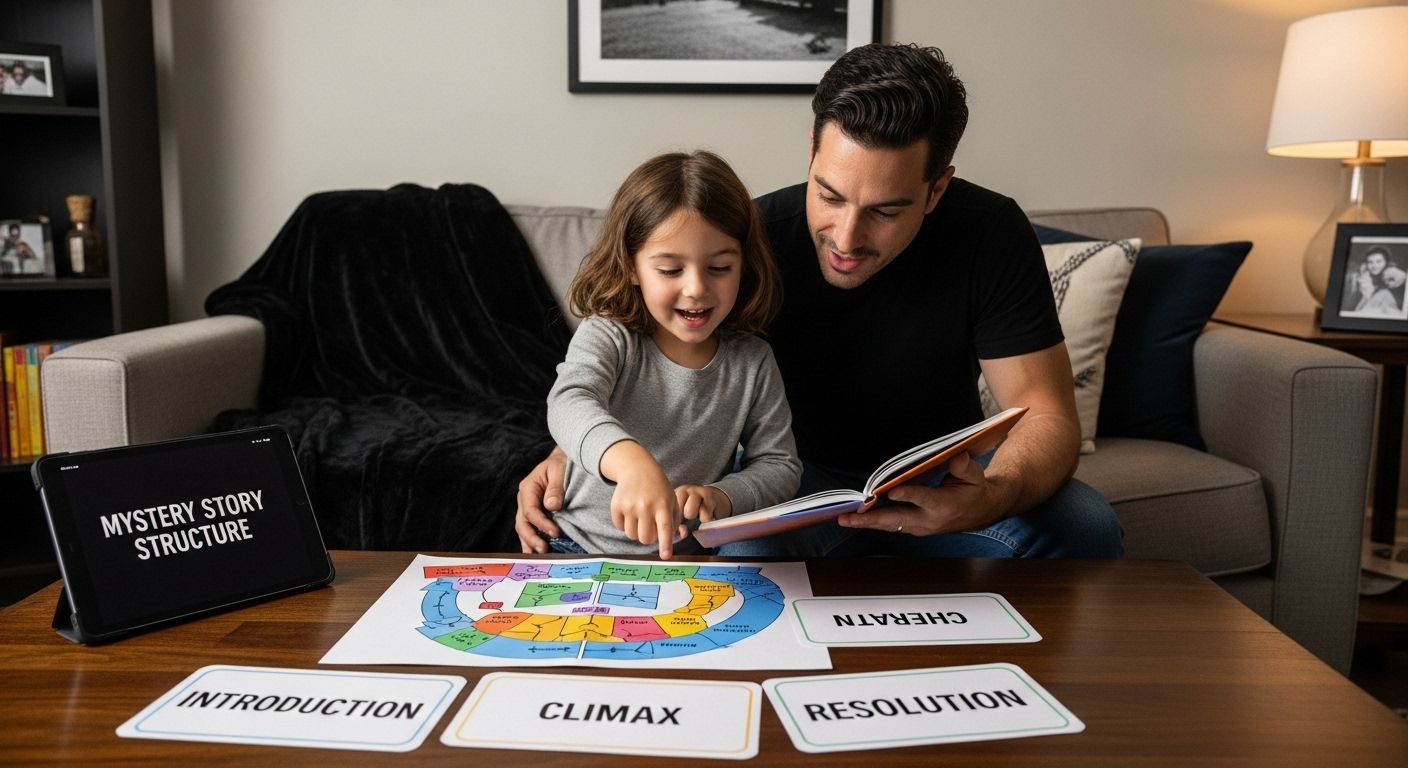
Real-World Examples of Effective Short Story Structure
Effective short story structure transforms raw narrative potential into compelling literary experiences. By examining successful examples, writers and readers can understand how masterful storytelling emerges through strategic narrative design.
Structural Brilliance in Classic Mystery Stories
Some short stories demonstrate extraordinary structural precision that elevates them beyond ordinary narratives. These exemplary works showcase how carefully constructed narrative frameworks can create profound reader engagement:
- Edgar Allan Poe’s “The Tell-Tale Heart”: Employs a first-person unreliable narrator structure
- Agatha Christie’s Short Mysteries: Utilize tight, methodical plot progression
- O. Henry’s Twist Endings: Demonstrate unexpected structural revelations
According to National Academy of Sciences research, these stories consistently demonstrate predictable yet innovative narrative patterns that captivate readers.
Contemporary Narrative Innovations
Modern short story writers continue to push structural boundaries, developing innovative approaches that challenge traditional narrative conventions. These contemporary techniques include:
- Non-Linear Storytelling: Breaking chronological expectations
- Fragmented Narratives: Using disconnected scenes to build meaning
- Experimental Point-of-View Shifts: Challenging reader perspective
For readers interested in exploring more narrative techniques, discover our collection of compelling short mysteries.
Understanding these structural examples reveals that great storytelling is not about rigid rules, but about understanding how narrative elements interact. The most memorable short stories are those that use structure not as a constraint, but as a dynamic tool for exploring human complexity, emotional depth, and intellectual intrigue.
Transform Your Storytelling: Structure Meets Suspense
Do you ever struggle to turn your story ideas into unforgettable mysteries? If understanding short story structure feels overwhelming, you are not alone. The article spotlights key pain points like building emotional resonance, balancing plot with character, and mastering the classic mystery arc. These challenges can hold back even the most creative minds and keep compelling narratives from reaching their full potential.
Now is your chance to see how professional storytellers overcome these hurdles. At The Short Reads, you can explore expertly structured mystery and thriller short reads that bring the narrative techniques from this article to life. Ready to discover gripping stories that model the very best in short story structure? Visit our main site to start reading and give your storytelling inspiration a boost today. Dive into masterful mystery fiction now and watch your own plots take shape.
Frequently Asked Questions
What are the main components of short story structure?
The main components of short story structure include plot, character development, setting, conflict, and the narrative arc which encompasses introduction, rising action, climax, and resolution.
Why is understanding short story structure important for writers?
Understanding short story structure is crucial for writers as it helps them craft compelling narratives that engage readers, build tension, and effectively communicate complex ideas.
How does short story structure enhance emotional engagement?
Short story structure enhances emotional engagement by carefully controlling pacing, creating anticipation, and delivering meaningful revelations, which altogether guide the reader through an emotional journey.
What are common structural patterns found in mystery short stories?
Common structural patterns in mystery short stories include the introduction of the crime, the emergence of a detective, an investigation phase, a climactic revelation, and a resolution explaining the solution and its implications.
Recommended
Article generated by BabyLoveGrowth
Share
